Which Planet Has the Shortest Year?
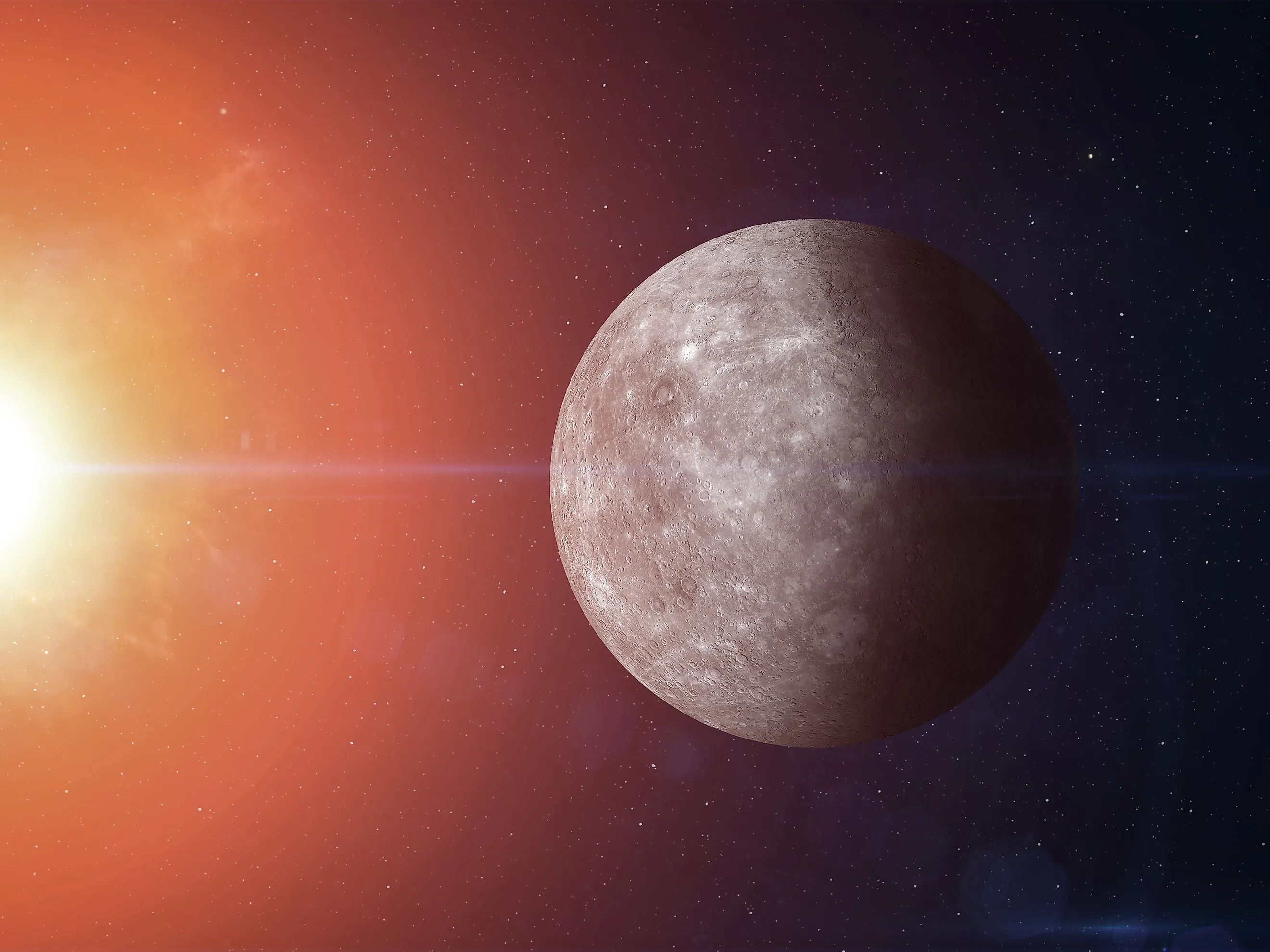
This planet with no moons reaches 800 degrees Fahrenheit during the day as it speeds around the sun at 29 miles per second. It might be hard to imagine here on earth, where the blue marble floats comfortably and temperatures are relatively moderate. But Mercury, the planet with an 88-day year, completes its trip around the sun faster than any other planet in the Solar System. Small, robust, and named for the fastest Roman god, the planet with the shortest year happens to be one of the most scientifically interesting.
The Rundown On Mercury

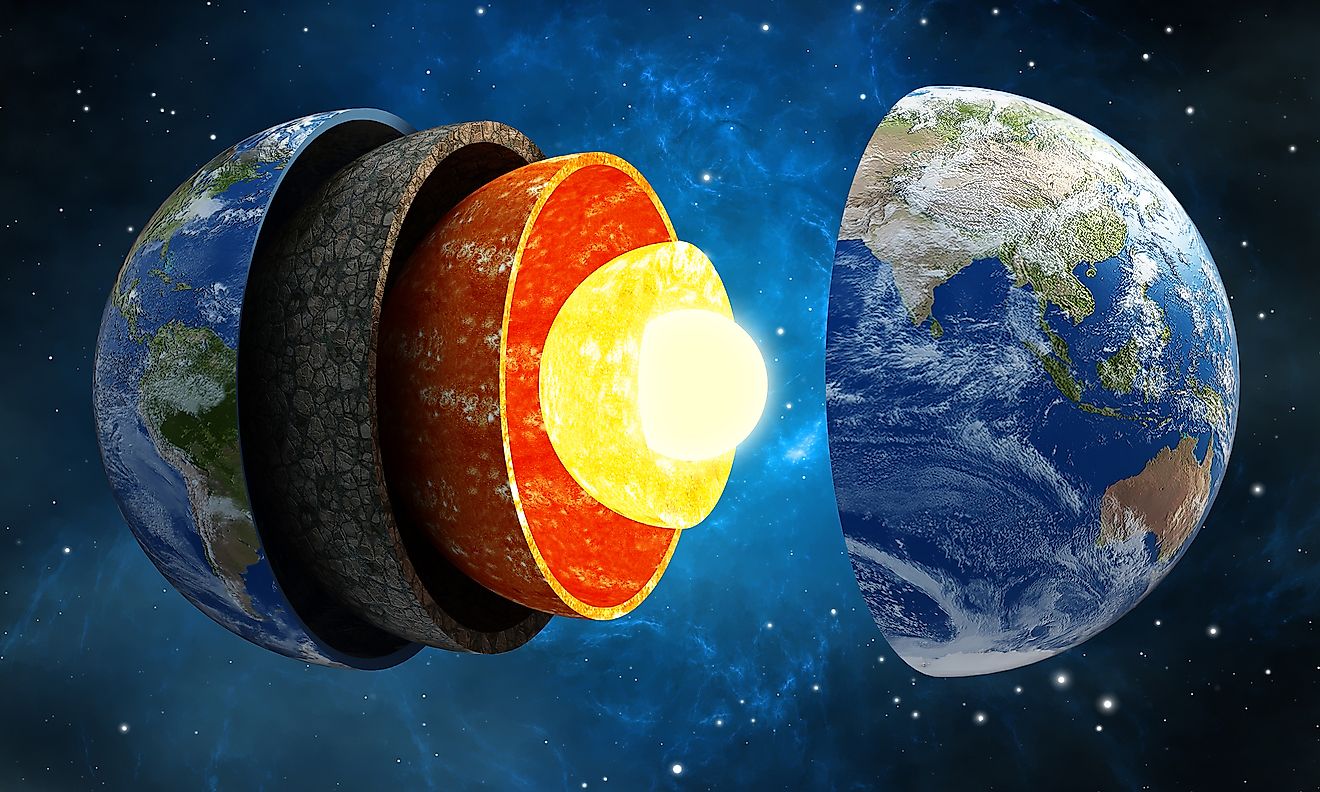
The sun's strong gravitational pull keeps eight planets spinning around in orbit, but only Mercury can claim the spot of being first and fastest. Its rough and bumpy surface is similar to Earth's moon, and only a little bit larger. Its color would appear grayish brown to the human eye. As the closest planet to the sun, one would assume it to be the hottest. But it comes in at number two compared to Venus, which stays warmer as a result of its dense atmosphere. Most of Mercury is iron, with a huge metallic core that takes up about 85 percent of the planet's radius, leaving a thin rocky crust and mantle. From here on Earth, Mercury is quite camera shy. The bashful planet only appears low on the horizon at dusk and dawn. But being small and shy does not stop Mercury from lapping Earth around the sun several times over.
One For Earth, Four For Mercury

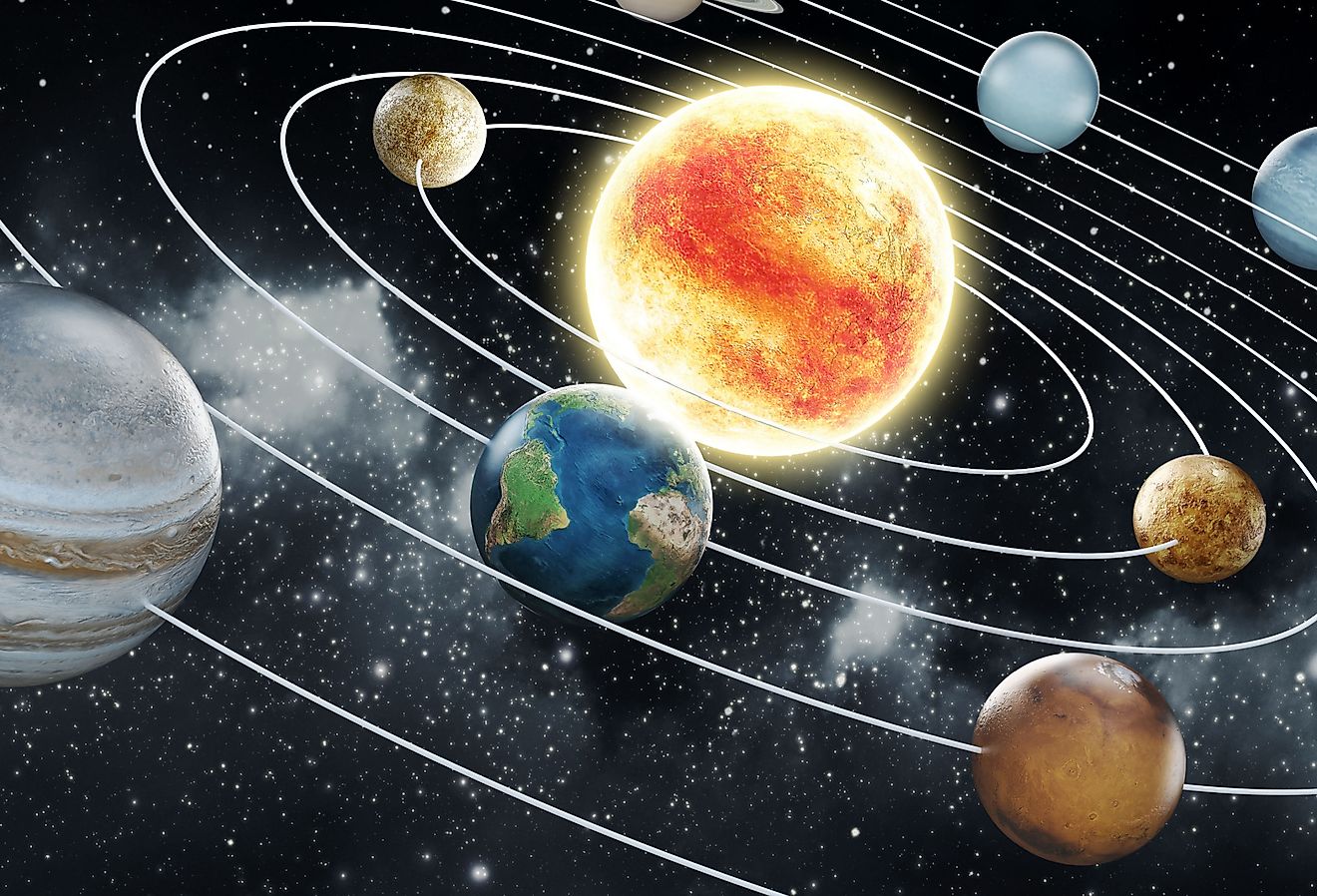
Mercury has a major case of the zoomies! In one Earth year, Mercury manages a little over four complete trips around the sun. This is the case for several reasons. First, Mercury is much closer to the sun than the other planets. Earth is approximately 93 million miles away from the sun as it orbits, while Mercury sits less than half that distance at approximately 36 million miles. Those numbers are big, so it's helpful to imagine running track. Planets travel around the sun in an oval shape, called an ellipse, much like lanes on a track. The lanes closer to the center are shorter than the lanes on the outside. Even at the same rate of travel, the short distance would cause the closer planetary "runner" to finish the race before the farther one. Second, Mercury is orbiting at a faster rate than Earth. The planet flies 29 miles per second in its orbit, about 193 times faster than a commercial airplane!
Mercurial Curiosities

Being the fastest is not Mercury's only claim to fame. Craters on its surface are named for famous musicians, artists, and writers who have passed away, like Rachmaninoff, Paul Cézanne, and Maya Angelou. The planet has its own eccentricities, including having the most elongated orbit of any planet, a property known as eccentricity! Mercury is also a solo traveler. It has no moons due to the gravitational pull of the sun. In spite of also being so close to the sun and getting extraordinarily hot, the planet's average night temperature gets down to negative 290 degrees Fahrenheit in the dark. At least on Earth, one day-night cycle is 24 hours. On Mercury, it takes 176 Earth days for the sun to set, rise, and set again. That's two whole Mercurian years!
How Other Planets Stack Up

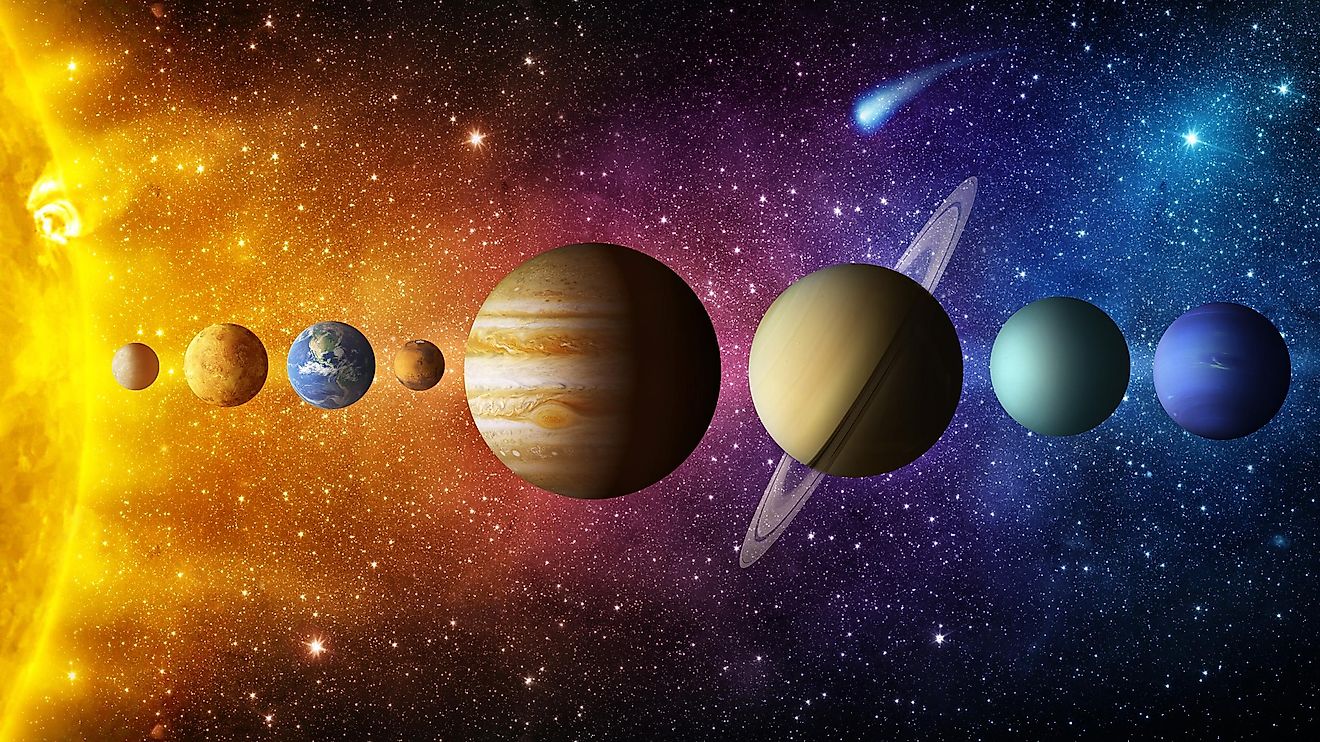
Each planet has a year that varies depending on several factors, including distance from the sun, elliptical length, and orbital speed. As the planets get farther, the years tend to get longer. Only one other planet besides Mercury, Venus, speeds around the sun faster than Earth. Yet Neptune has only completed one full orbit since it was first observed in 1846. The planets' years listed as Earth days are:
- Mercury: 88 days
- Venus: 225 days
- Earth: 365 days
- Mars: 687 days
- Jupiter: 4,333 days
- Saturn: 10,759 days
- Uranus: 30,687 days
- Neptune: 60,190 days
It takes a little over three minutes for sunlight to travel to Mercury, a little over eight to travel to Earth, and an entire four hours to travel to Neptune. That's because, compared to Mercury, Neptune is 80 times farther from the sun. That's a whopping 2.8 billion miles!
Mercury Matters

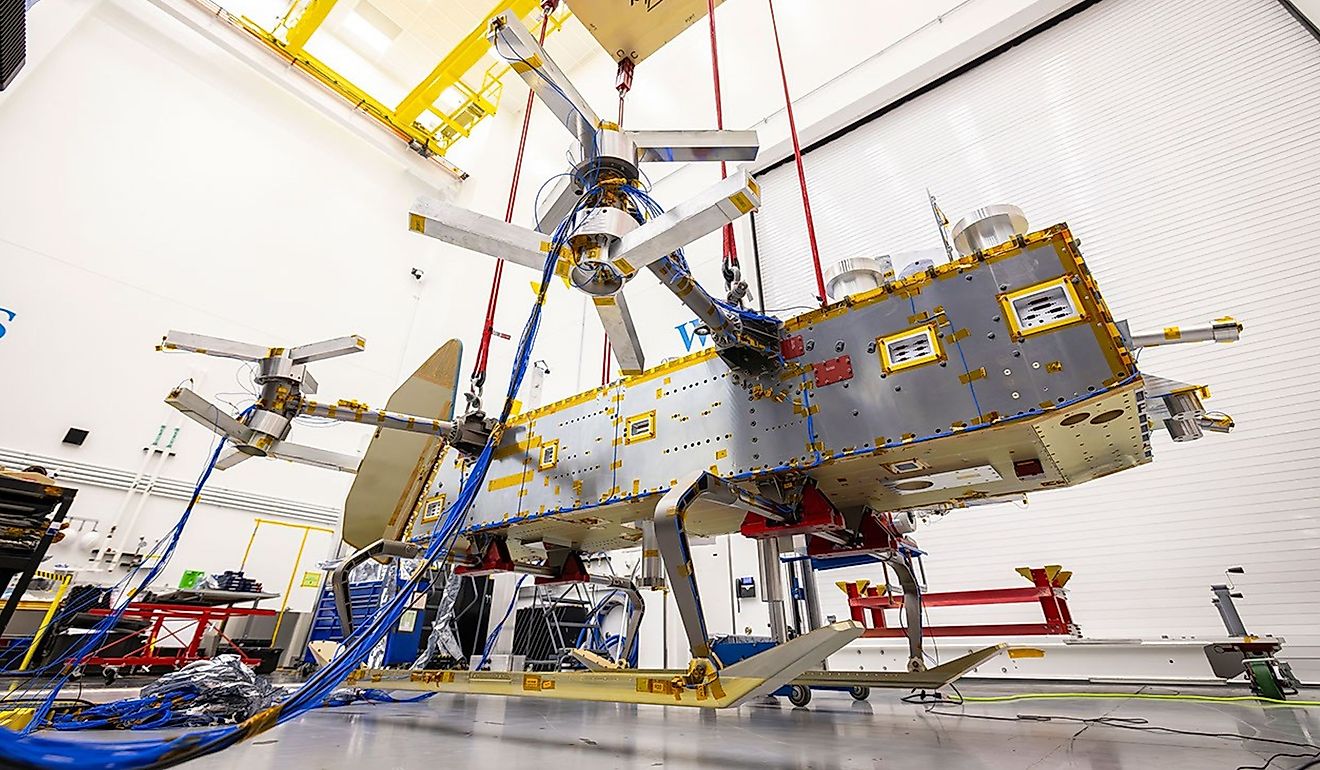
Even though its superpower is proximity to the sun, that is also a big reason it is not studied as often. The planet is hard to see, even with advanced space telescopes like the Hubble Space Telescope. Further, the sun pulls very hard on things that get even a little close. Sending orbiters to study Mercury would mean building equipment that could withstand the sun's pull to maintain orbit close enough to study the planet. Another problem is heat. Because Mercury's thin atmosphere, called an exosphere, gets incredibly hot, the sensitive cameras of the past could not get too close. That's about to change soon, though. There is currently a space mission, BepiColombo, that is taking two orbiters to get a look at the camera-shy speedster. The spacecraft will arrive in November 2026 and will begin collecting data in 2027. There are still a few Mercurian mysteries scientists have not totally cracked. They want to know more about the ice on Mercury's poles, why it exhibits magnetism similar to Earth, and why the surface has bright spots called hollows. With the tools, time, and motivation available today, the world will soon catch up to the fastest planet orbiting the sun.