Which Planet Is the Hottest?
Venus is the hottest planet in the solar system, with a surface temperature of about 867 degrees Fahrenheit (464 degrees Celsius), hot enough to melt lead. Even though Mercury sits closest to the sun, Venus is hotter. The reason is what sits on top of the planet. A thick blanket of carbon dioxide traps heat against the surface so completely that Venus never really cools down, day or night. Mercury, meanwhile, bakes during its extremely long daytime and freezes during its equally long nights, with nothing in its thin atmosphere to hold either extreme in place.
The Greenhouse Trap

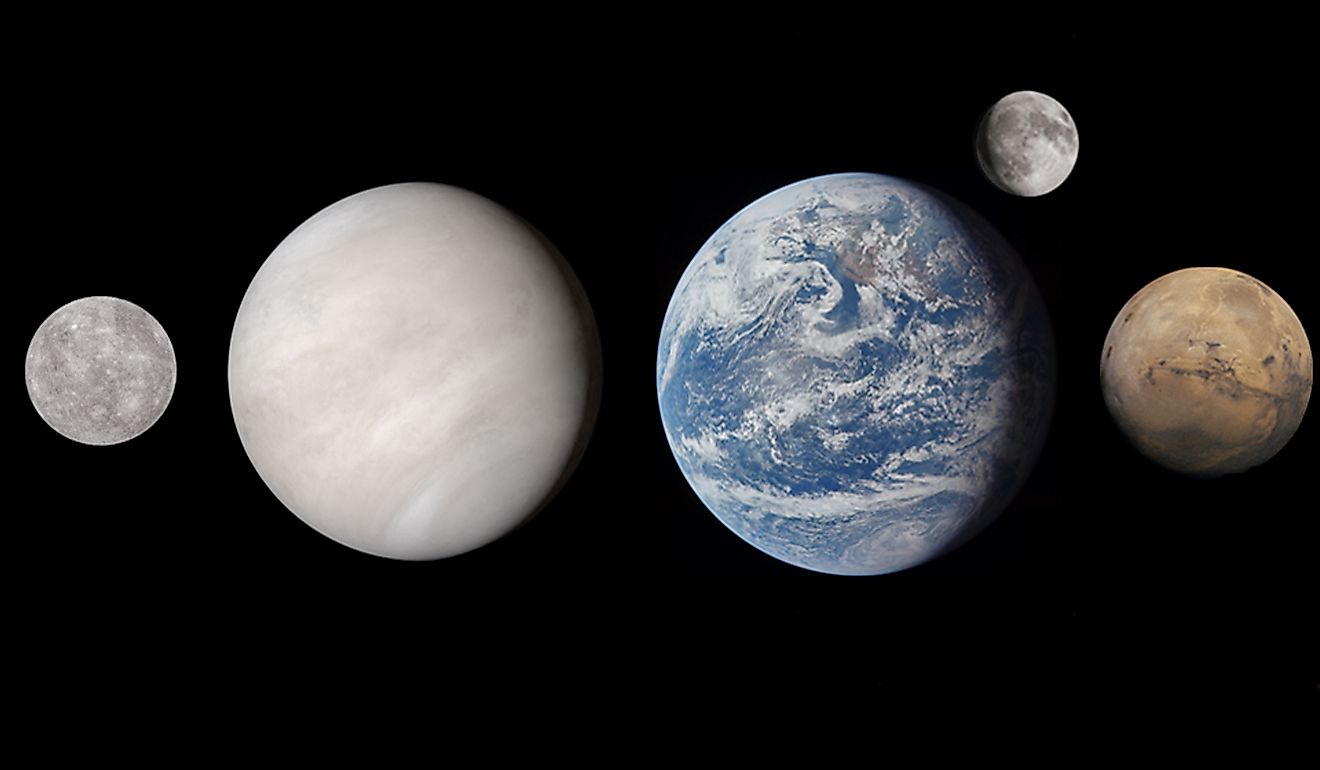
Mercury sits 36 million miles from the sun. Venus sits 67 million miles out, nearly twice as far. By distance alone, Mercury should win easily. However, Venus is wrapped in an atmosphere made almost entirely of carbon dioxide, so thick that it traps heat near the surface and never lets it escape. The pressure down there is 92 times what you'd feel on Earth, roughly what a submarine feels 3,000 feet underwater. Sunlight gets in easily. Almost none of the heat gets back out. Venus also reflects about 70 percent of the sunlight that reaches it, more than any other planet in the solar system. That reflectivity should work in Venus's favor and keep the surface relatively cool. The greenhouse effect overwhelms it completely, trapping enough of the remaining 30 percent to push temperatures beyond those of any other planet in the solar system.
The result is a planet that never cools down. Stand at the equator or stand near a pole, day or night, and the thermometer barely moves. Venus wasn't always like this. Geologic evidence suggests it may have had oceans billions of years ago, before a runaway greenhouse effect boiled them away and locked the planet into its current state.
A Day Longer Than Its Own Year

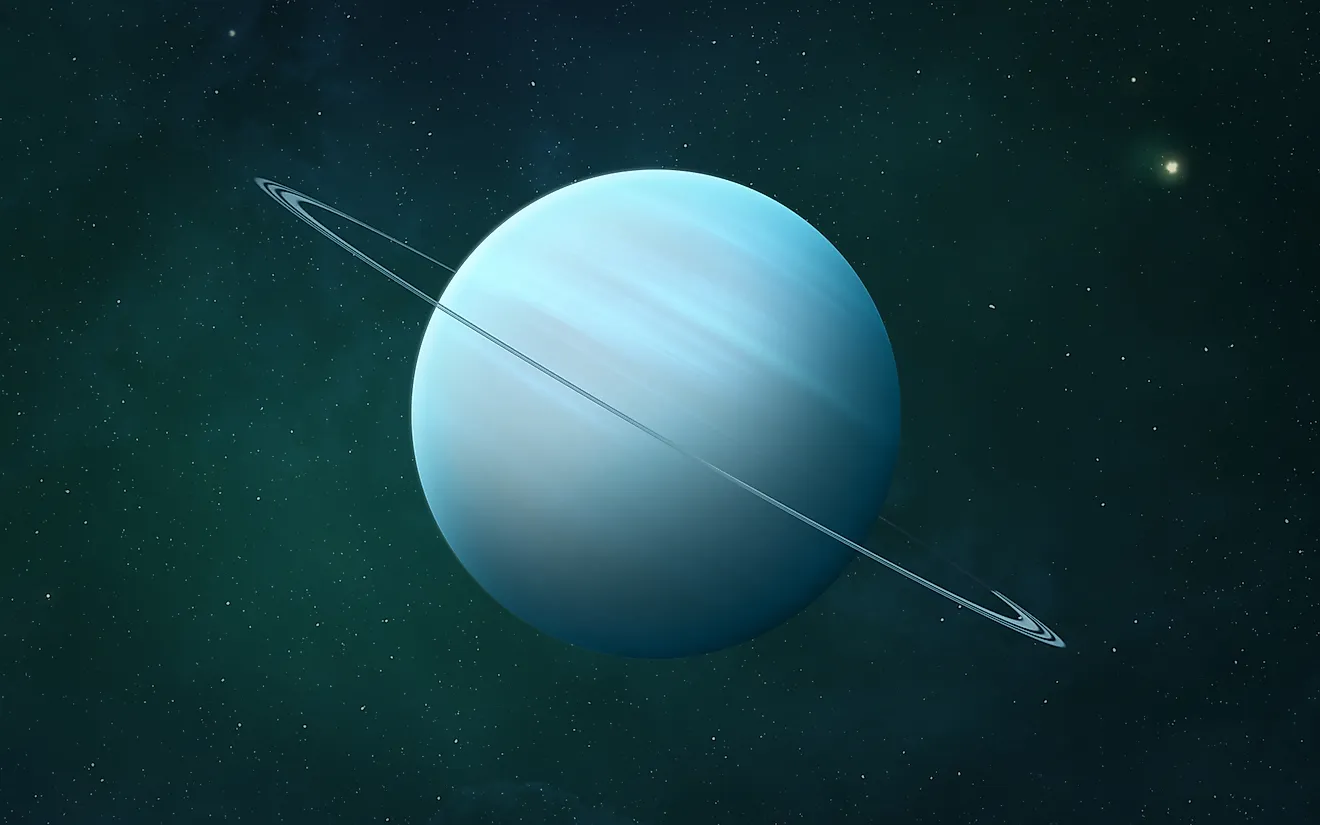
Venus spins backward, a trait it shares with Uranus. Uranus is tipped almost completely onto its side, at a 98-degree tilt, so it orbits the Sun more than it spins. Venus tilts the opposite way, at 177 degrees, close enough to upside down that its backward rotation plays out clean and slow rather than as a sideways roll. One full rotation takes 243 Earth days, which is slower than the 225 Earth days it takes Venus to orbit the Sun once.
Venus takes about 243 Earth days to rotate once relative to the stars, longer than its roughly 225-day year. However, one sunrise-to-sunrise solar day lasts about 117 Earth days. Scientists continue to study why Venus spins in this direction, and one leading theory points to a massive collision early in the planet's history that could have flipped its rotation entirely. The temperature stays constant through all of this.
Why Mercury Loses Despite Being Closest

Mercury holds onto only a trace of atmosphere. Solar wind stripped most of it away billions of years ago, leaving behind a thin layer that heat escapes quickly after sunset. Exposed rock can reach 800 degrees Fahrenheit in direct sunlight, then drop to around -290 degrees after the sun sets. That's a swing of over 1,000 degrees on the same rock in the same day. An astronaut standing on the surface at noon would need strong heat shielding. Wait for sunset, and the same suit would need a furnace built into it.
Mercury's poles hold a strange exception to all this heat. Some craters near the poles stay in permanent shadow, and radar data shows they hold patches of water ice, a pocket of frozen material inside a planet that bakes everywhere else. Venus' heat stays constant around the clock, trading Mercury's wild swings for a steady, unrelenting warmth.
What It Would Do to You

Ten Soviet Venera landers reached the surface of Venus during a program that ran from 1961 to 1984. Each mission ran short. Venera 13 held the record among them, surviving 127 minutes on the surface and sending back the first color photographs from Venus before its instruments failed. The shortest survived 23 minutes. These were probes, built specifically to survive the descent, and Venus still took them apart one by one.
Current spacesuits and spacecraft could sustain a person on that surface for only a few minutes. The heat brings company too. Venus's clouds are made of sulfuric acid, so thick that it corrodes metal over time. NASA's Magellan spacecraft managed to radar-map 98 percent of the surface from orbit in the early 1990s, which is still the best look humanity has gotten at what's actually down there.
The Hottest Known Exoplanet

Venus holds the title only within our solar system. KELT-9b, a gas giant orbiting a star 670 light-years away, reaches about 4,300 degrees Celsius (roughly 7,800 degrees Fahrenheit) on its permanent dayside. That is hot enough to tear hydrogen molecules apart during the day. The planet is tidally locked, so one face burns under constant starlight while the other sits in permanent night, and winds carry the shredded atoms from one side to the other, where they briefly reform before being ripped apart again on the return trip.
KELT-9b's dayside runs only about 1,200 degrees cooler than the surface of the Sun. Its own host star is slowly stripping away its atmosphere. Give it a few hundred million years, astronomers theorize, and KELT-9b could be stripped down to a bare rocky core.
Future Missions to Venus
Venus keeps its title as the hottest planet for one reason: its atmosphere holds onto heat once it arrives. That single fact explains much of the rest, from the crushed Venera landers to the near-uniform surface temperature. It is also why space agencies keep coming back. NASA has two new missions in development. DAVINCI will drop a probe straight through the atmosphere, sampling gases the entire way down, while VERITAS will map the surface in far sharper detail than Magellan achieved three decades earlier. The European Space Agency is planning its own orbiter, EnVision, for the coming decade. These missions aim to explain Venus rather than make it survivable, and they might finally clarify how a planet so similar to Earth in size ended up so different from it.