Could Life Exist Beneath Europa's Ice?
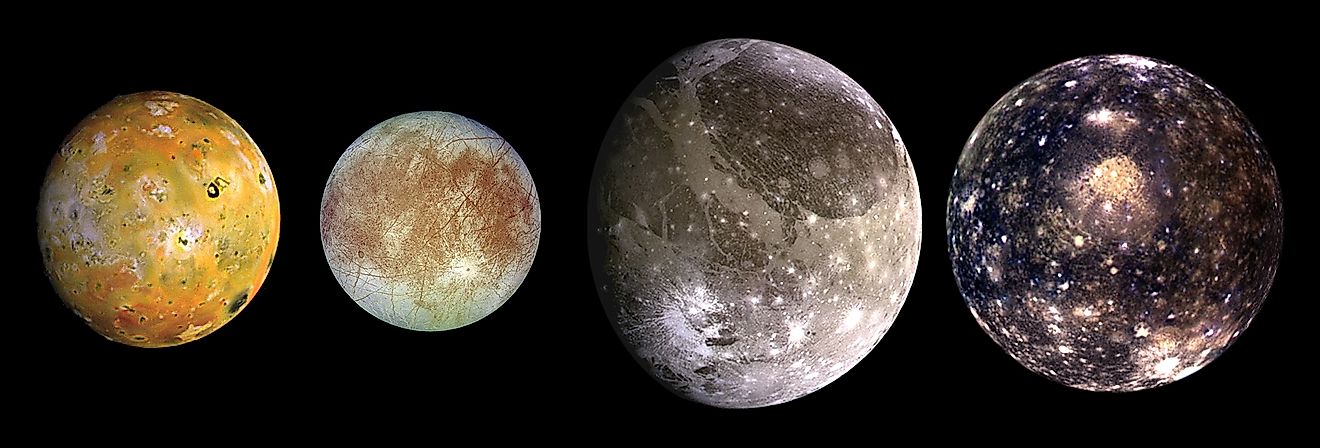
One of Jupiter's moons hides more water than every ocean on Earth combined, sealed under a shell of ice. Europa is only about the size of Earth's Moon, yet it has become one of the strongest candidates for life beyond Earth in our solar system. Like Earth, it is built from an iron core, a rocky mantle, and a layer of salty water. Unlike Earth, its surface temperature never climbs above roughly -256 Fahrenheit (-160 Celsius) and can fall to around -364 Fahrenheit (-220 Celsius). Recent measurements from NASA's Jupiter probe Juno put the icy crust at about 18 miles (29 kilometers) thick on average, though estimates over the years have ranged from roughly 2 to more than 18 miles (3 to 30 kilometers).
On the outside, Europa looks frozen and dead. Beneath the ice, scientists believe a global ocean 40 to 100 miles (60 to 150 kilometers) deep circulates in the dark. That single ocean may hold more than twice the water in all of Earth's seas. It sits hundreds of millions of miles from the Sun, and it may have stayed liquid for billions of years.
What Would It Be Like To Visit Europa?

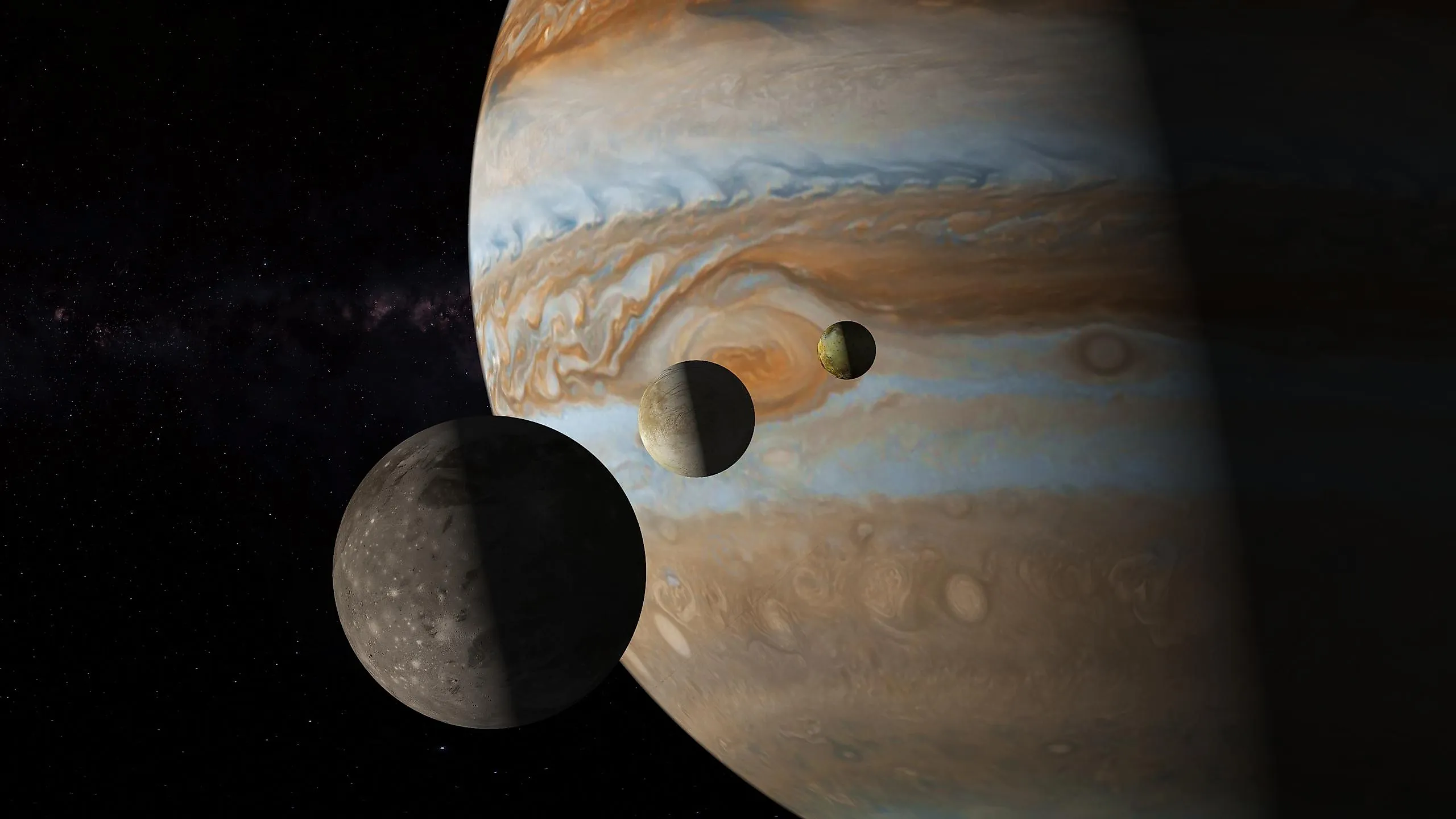
Stand on Europa, and the sky overhead is nearly black, the Sun a bright pinprick five times farther away than it appears from Earth. Jupiter hangs in that sky, enormous and motionless. Europa is tidally locked, so the same face always points at the planet. On that side, the gas giant never moves. On the far side, you would never see Jupiter at all. Under your boots is a barren plain of ice split by cracks and ridges, with no sign of life.
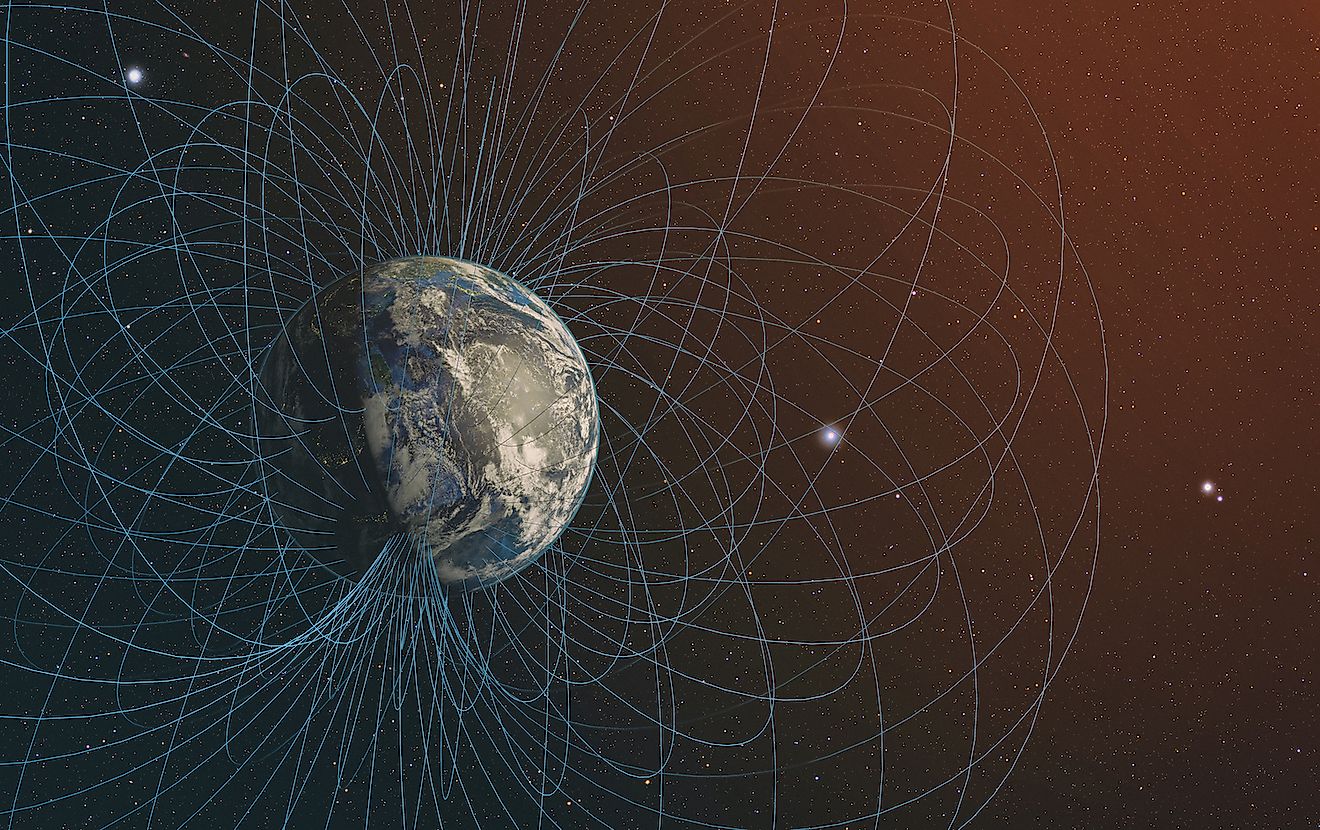
Yet the moon may be friendlier than its surface suggests. Europa has almost no impact craters, which means something keeps resurfacing it. In the 1990s, NASA's Galileo spacecraft found that Europa disturbs Jupiter's magnetic field, the signature of an electrically conductive layer under the ice. The best explanation is a hidden saltwater ocean. The ice itself carries the clue in plain sight. Reddish-brown lines rake across the whole moon, and some of the curved cracks, called cycloids, appear to open and close as Jupiter's gravity squeezes Europa on its egg-shaped orbit. An ocean sloshing beneath the shell would explain how that ice keeps shifting.
How Can A Frozen Moon Have A Liquid Ocean?

Data from NASA's Voyager and Galileo missions point to an ocean under the ice, and the heat that keeps it liquid does not come from the Sun. Europa receives only about 4 percent of the sunlight Earth gets. The warmth comes from Jupiter. As Europa circles the planet, Jupiter's gravity stretches and squeezes the moon, and that constant flexing generates heat inside it, the same way bending a paperclip back and forth warms the metal. Scientists call this tidal heating, and it may pump enough energy into the moon to keep an ocean liquid and to warm the rock at the ocean floor.
Could There Be Life On Europa?

Life as we know it needs three things: liquid water, an energy source, and the right chemistry - mainly carbon, nitrogen, oxygen, and hydrogen. Europa appears to have water and a plausible energy source, and spectral data suggest its ocean contains carbon. Whether it has the full chemical set is still unknown, but the checklist is further along than for almost anywhere else in the solar system.
Sunlight will not power that life, however. At Jupiter's distance, the Sun shines about 25 times fainter than it does on Earth, and the surface radiation would destroy most organisms outright. But there is another way. Some organisms use chemosynthesis, drawing energy from chemical reactions in inorganic molecules instead of from light.
Earth already shows how that works. Hydrothermal vents, cracks in the seafloor that pump out hot, mineral-rich water, feed entire ecosystems in total darkness. The chemicals around them nourish microbes, which in turn support larger animals. Models of Europa's rocky floor suggest similar vents could exist there. Beneath Antarctica's ice shelves, in water once assumed to be lifeless, researchers have found thriving communities. Europa's ocean may not be so different.
NASA's Europa Clipper Mission

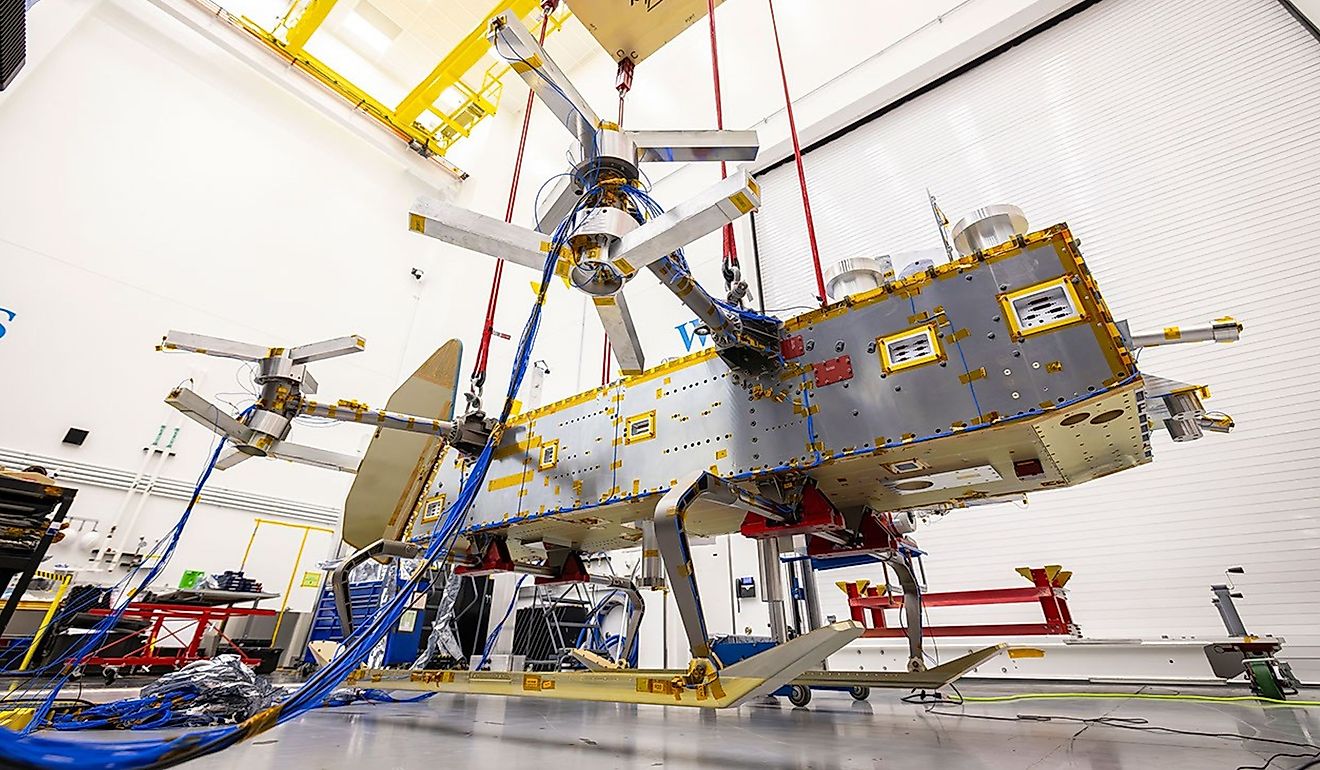
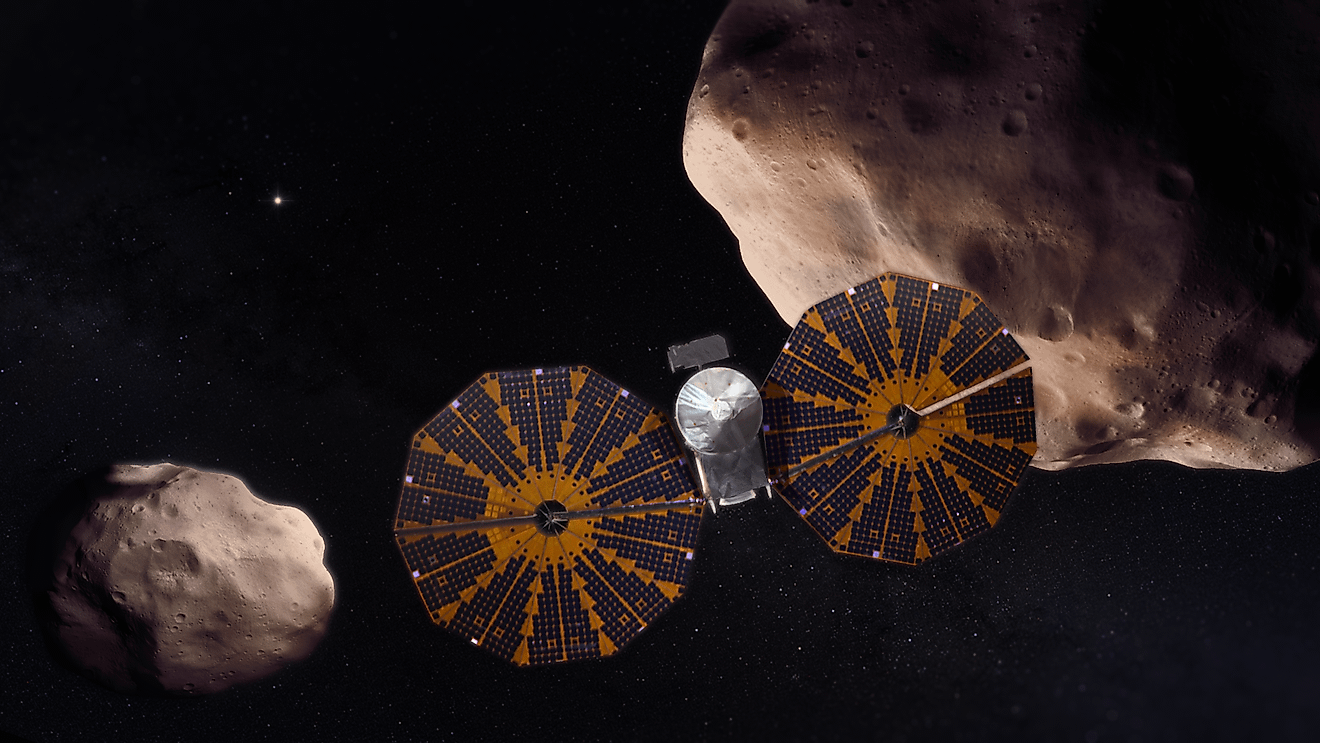
NASA's Europa Clipper is the largest spacecraft the agency has ever built for a planetary mission, a solar-powered orbiter that spans about 100 feet (30 meters) with its arrays open, the length of a basketball court. It launched in 2024, and after a journey of 1.8 billion miles (2.9 billion kilometers), it is due to reach Jupiter in 2030 and begin studying Europa in 2031. Its job is to read the moon's icy crust, chemistry, and geology closely enough to judge whether anywhere below the surface could support life.
Jupiter's radiation is the obstacle. It can wreck electronics and scramble data, so Clipper will not orbit Europa at all. It will orbit Jupiter at a safer distance and dart in for 49 quick flybys, gathering data on each close pass before swinging back out to send it home. Arranged like an overlapping web, those flybys will slowly build a near-complete map of the moon.
How The Europa Clipper Will Search For Signs Of Habitability

On each pass, Clipper will sample material lifted off Europa's surface. One instrument, the SUrface Dust Analyzer, or SUDA, catches tiny ice grains flung up when micrometeorites strike the moon. Reading those grains tells scientists what the surface, and possibly the ocean beneath, is made of. The cost of flying so close is steep, as a single flyby hits the spacecraft with radiation equal to about a million chest X-rays. Of course, Clipper is built to take it, with its sensitive electronics sealed inside a vault walled in aluminum-zinc alloy. Over the following years, scientists hope to learn whether Europa truly holds a global ocean, whether that ocean carries the ingredients for life, and whether anything lives in it.
What Could Europan Aliens Look Like?

Microbes are the most likely form of alien life anyone might find on Europa, but larger organisms are not ruled out. On Earth, our vent ecosystems already offer a template. Grazers like limpets scrape microbes off rock. Filter feeders like mussels and clams strain food from the water. Yeti crabs farm bacteria on their own bodies. If Europa's vents work anything like Earth's, life could sort itself the same way, with some species clustered in the hot water near a vent and others spread through the cooler dark beyond it.
Antarctica hints at what the ceiling might be. Beneath its ice shelves, in water sealed off from the Sun, divers and robotic cameras have recorded fish and other animals living against the underside of the ice, some swimming inverted with their bellies to the frozen ceiling. Radiation striking Europa's surface may also help, splitting molecules into oxygen and other reactive compounds that could work their way down into the ocean and feed whatever lives there. None of this is confirmed. It is a map of where the evidence could lead, drawn from the life we already know survives in Earth's harshest water.
The Biggest Question Below The Ice
Europa matters because it turns a philosophical question into one a spacecraft can actually test. Either its buried ocean is empty, or it is not, and within a decade the data may tell us which. A dead ocean would say that water, warmth, and chemistry are not enough on their own. A living one would say life takes hold wherever those conditions last, and that Earth is not the exception it appears to be. Europa Clipper cannot drill through 18 miles of ice to look, but it can read what the moon throws off, and that may be enough to inform the next mission.