Which Planet Is Shrinking?
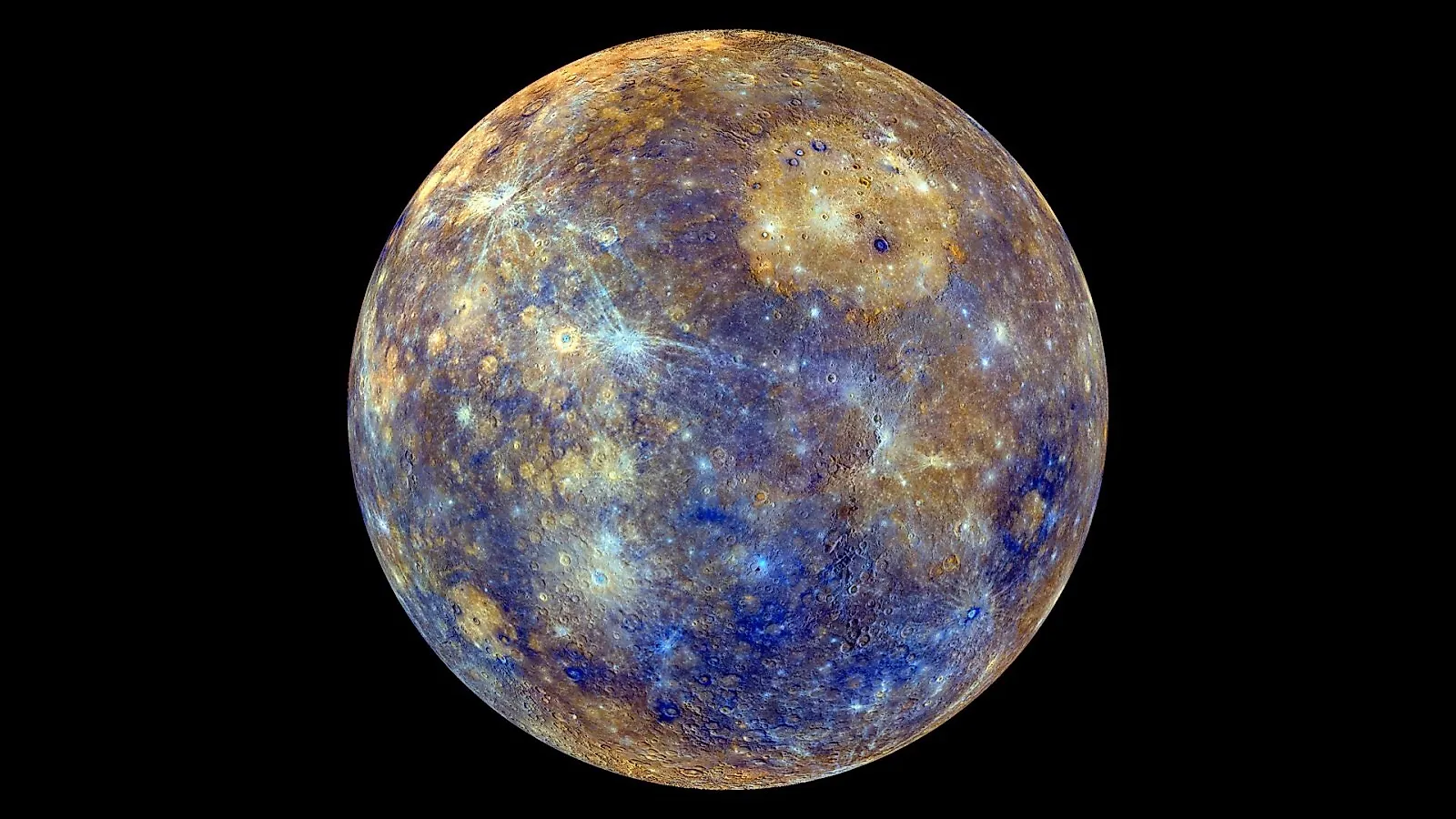
Mercury's metal core is nearly 2,440 miles (about 3,927 km) wide, wider than the Moon itself, and the rocky planet wrapped around it is still shrinking. The smallest planet in the solar system is not just a cratered rock baking beside the Sun. It is a cooling metal world with a thin outer shell, and as heat leaks from its interior, that shell buckles into cliffs, cracks, and fault lines. A human standing there would face sunlight up to seven times brighter than on Earth, temperatures hot enough to melt lead, nights cold enough to freeze machinery, and a surface that may still twitch under the pressure of a planet tightening around its own core.
A Metal Heart Wider Than The Moon

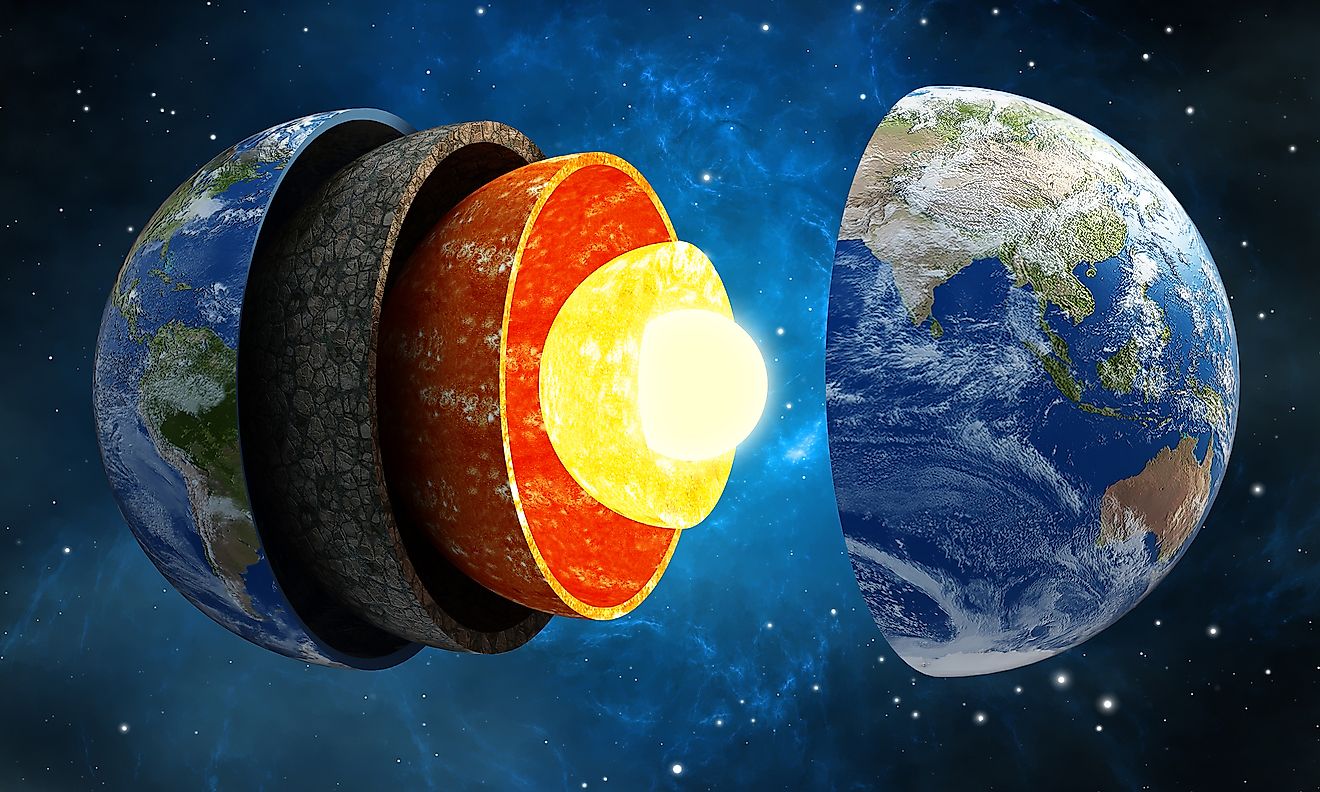
Mercury looks small from Earth, but its interior is built around an enormous metallic heart. The planet itself is only about 3,032 miles (4,880 km) wide, yet its core measures about 2,440 miles (3,927 km) across. That means the core is wider than Earth's Moon and takes up most of Mercury's interior. NASA scientists have compared Mercury to a cannonball because metal dominates so much of the planet. Its outer shell, made of mantle and crust, is only about 250 miles (402 km) thick. On Earth, continents, oceans, and mountain ranges sit above a deep layered interior. On Mercury, the rocky skin is wrapped tightly around a huge metal center. That core is not simply one liquid ball. Evidence from NASA's MESSENGER mission shows that Mercury has a partly molten outer core and a solid inner core. In other words, the planet carries both liquid metal and solid metal inside it, like a cooling engine that has not fully shut down.
The Planet Wide Squeeze

Mercury has been shrinking because its interior has been cooling for billions of years. As hot metal and rock lose heat, they contract. The surface then must adjust to a smaller planet beneath it, much like the skin of a drying fruit wrinkles as the inside pulls inward. That shrinking does not happen smoothly. Mercury does not have Earth's moving plates to absorb the stress. Instead, the crust breaks and thrusts upward along faults, leaving long ridges and scarps across the surface. Scientists estimate that Mercury has contracted by miles over its lifetime. That may sound small for an entire planet, but on a rocky world, even a few miles of global shrinkage can reshape the surface. The pressure does not disappear. It folds the crust into stone scars large enough to see from orbit.
Days Hot Enough To Melt Lead

Mercury's surface is one of the most extreme places in the solar system. During the day, temperatures can reach about 800°F (427°C), hot enough to melt lead. At night, the temperature can plunge to about -290°F (-179°C). That brutal swing happens because Mercury has almost no atmosphere to trap heat. Earth's atmosphere acts like a blanket, moving warmth around the planet and softening the difference between day and night. Mercury has no such protection. Sunlit ground becomes a furnace, while darkness becomes a deep freeze. The Sun would also look enormous from Mercury's surface. From there, it would appear more than three times larger than it does from Earth, and sunlight would be as much as seven times brighter.
Cliffs Made By A Collapsing Crust

The clearest signs of Mercury's shrinkage are lobate scarps, which are cliff-shaped ridges formed when the crust breaks, and one slab of rock pushes over another. These are not ordinary hills. Some stretch for hundreds of miles, cutting across craters, plains, and older terrain. One of the largest examples, Enterprise Rupes, runs for hundreds of miles across Mercury's surface. A cliff system like that could slice across most of Texas. In places, Mercury's scarps rise more than a mile (1.6 km) high, turning the surface into a world of stone walls built by planetary compression. The comparison to Earth makes the scale easier to picture. A mountain range grows when plates collide. A canyon forms when water or ice cuts downward over time. Mercury's cliffs come from a different kind of force: an entire planet tightening around its cooling interior.
Walking Across A Shrinking World

A human astronaut on Mercury would feel strangely light. Mercury's gravity is only about 38% of Earth's, so a 180-pound (82 kg) person would weigh about 68 pounds (31 kg) there. Each step would feel easier. A backpack would pull less heavily on the shoulders. Rocks that would be hard to climb on Earth might feel less punishing underfoot. The danger would come from nearly everything else. A suit would need to survive intense sunlight, violent temperature swings, radiation, and razor-sharp regolith. The ground itself would also carry risk. NASA has noted that Mercury likely experiences Mercury quakes, although seismometers would be needed to confirm them directly. On a world full of steep scarps and fractured crust, even small movement could matter. Loose rock could slide from a cliff face. A fault could shift. The planet may move slowly, but an astronaut standing in the wrong place would not experience that movement as gentle.
The Spacecraft That Had To Fight The Sun

Mercury is so difficult to explore that even spacecraft must survive a punishing journey before they can study it. NASA's MESSENGER spacecraft entered orbit around Mercury in 2011 after years of flybys and careful course changes. Getting there was not a straight fall toward the Sun. The spacecraft had to lose enough speed to be captured by Mercury's gravity without being dragged too far inward.
Heat was another major threat. MESSENGER used a ceramic cloth sunshade to protect its instruments from the intense solar environment. Without that protection, the spacecraft's electronics could not have survived long enough to map the planet. The mission lasted four years in orbit. On April 30, 2015, MESSENGER ran out of fuel and crashed into Mercury's surface. By then, it had transformed Mercury from a poorly understood inner planet into a mapped world of cliffs, craters, polar ice, strange hollows, and evidence of recent tectonic activity.
The Planet That Refuses To Go Still
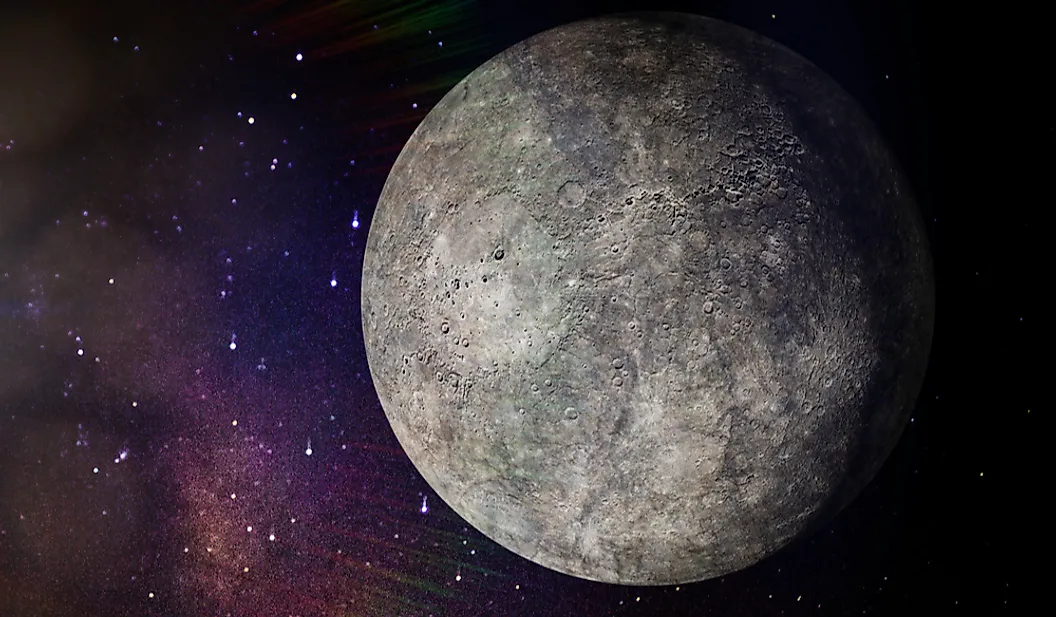
For years, scientists thought Mercury's shrinking belonged to the ancient past, since the planet formed more than 4 billion years ago. MESSENGER changed that. In its final low-altitude phase, the spacecraft imaged small fault scarps too crisp and young to have survived billions of years of meteoroid bombardment. The planet may still be forming new faults as its interior cools and contracts, a world once thought dead but geologically alive in slow motion.
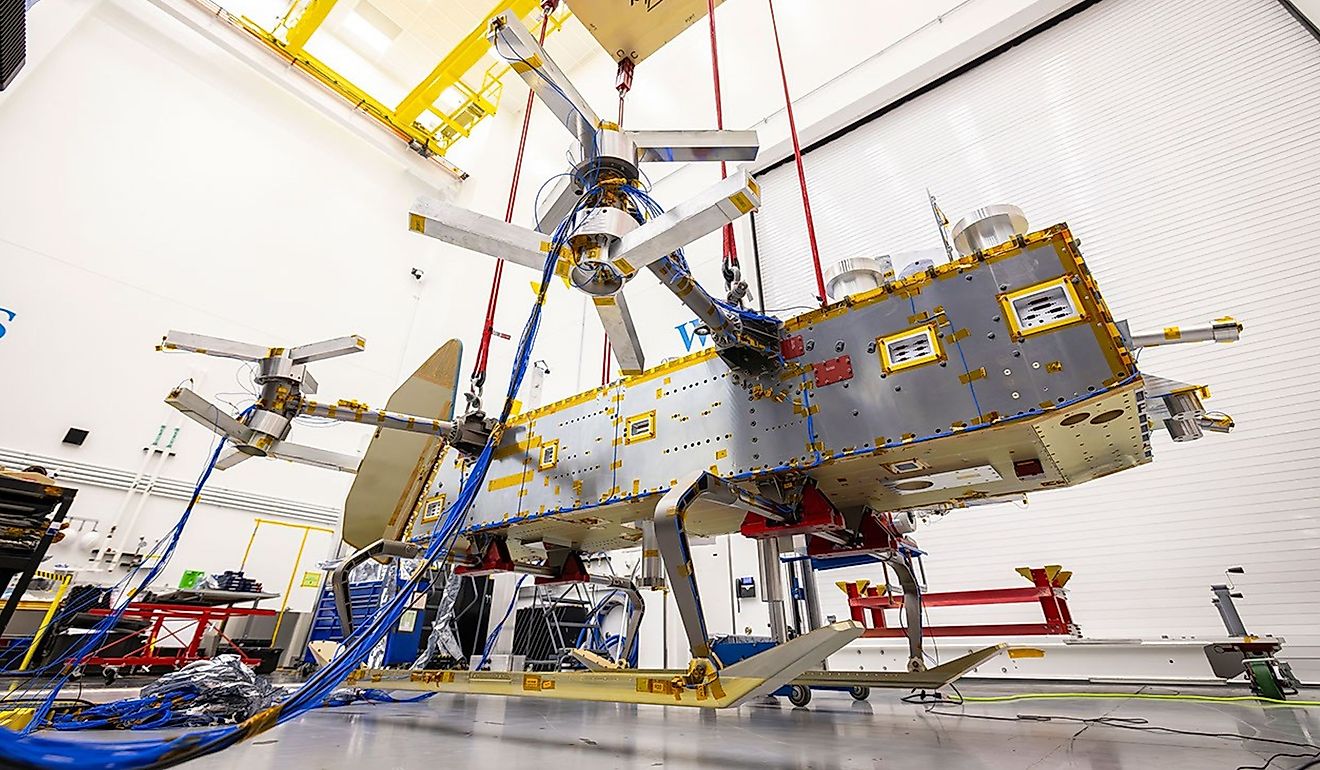
Mercury proves that small rocky worlds can stay active without oceans, volcanoes, or plate tectonics; a cooling core and a brittle crust are enough. That picture will sharpen when BepiColombo, the joint European Space Agency and Japan Aerospace Exploration Agency mission, is captured into Mercury orbit in November 2026, with its two orbiters separating to begin the main science phase and study the surface, magnetic field, exosphere, and interior in new detail.