Which Planet Has the Worst Weather?
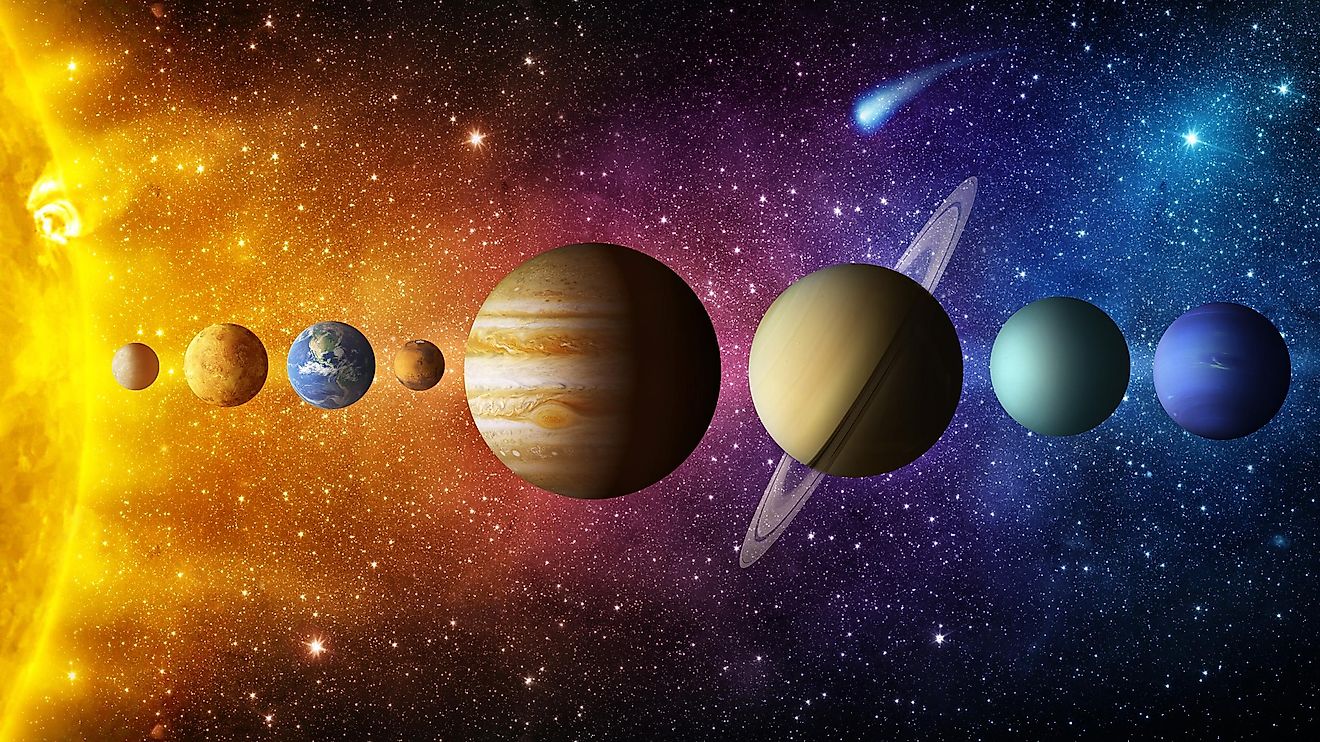
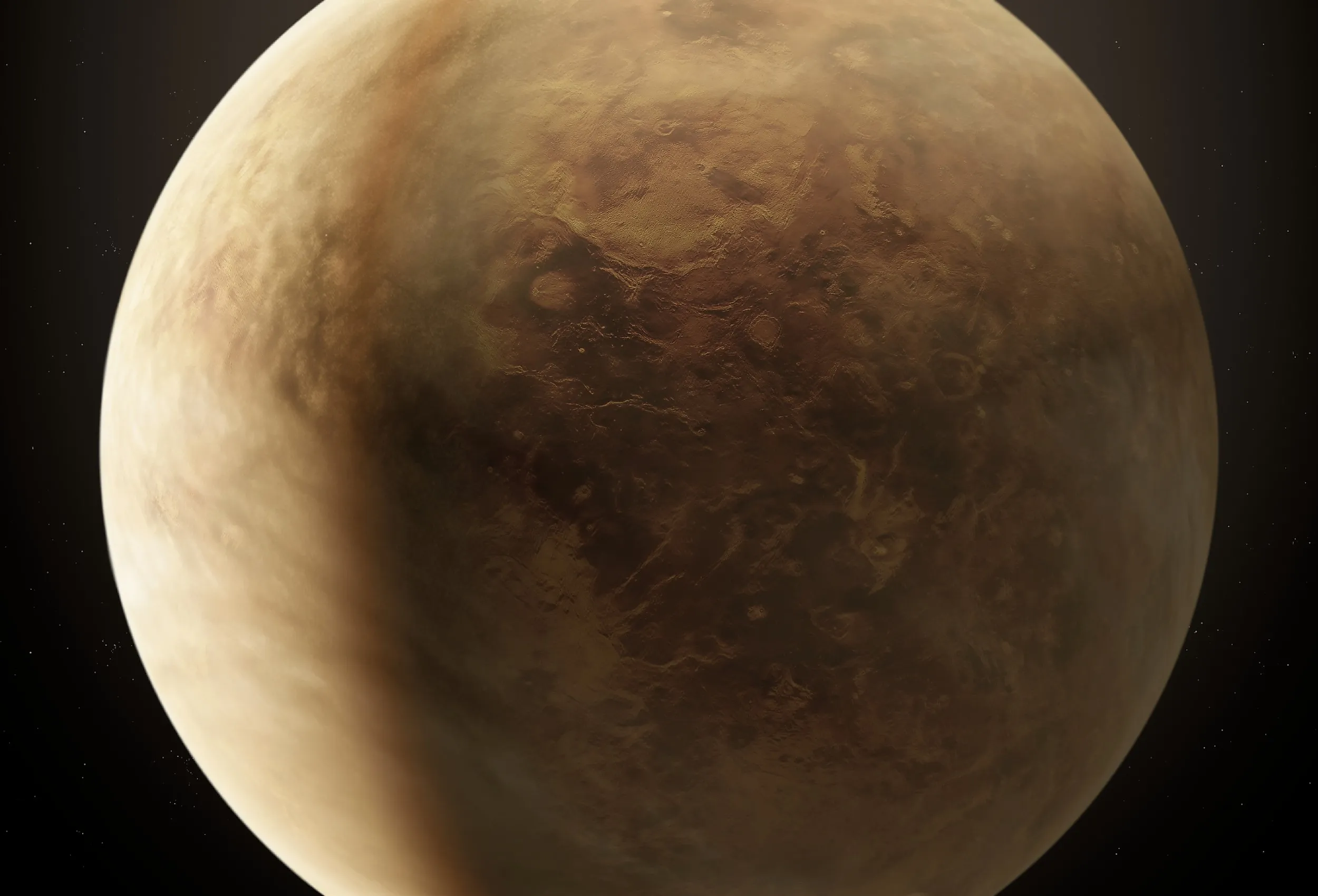
Venus' surface is hot enough to melt lead, and its dense atmosphere presses down with enough force to crush any unprotected object. Its surface reaches about 872°F, while its atmospheric pressure is roughly 93 times stronger than Earth's at sea level. That makes even the worst weather day on Earth feel harmless by comparison. Here, a forecast might decide whether you grab a jacket or an umbrella. On Venus, the weather is a planet-wide threat, with factors like heat and violent upper-atmosphere winds creating one of the most hostile environments in the solar system.
Extreme Temperatures That Are Off the Charts

Mercury seems like the obvious choice for the hottest planet because it sits closest to the Sun, and its daytime temperatures can reach about 800°F. However, Mercury has only a thin exosphere, so it cannot hold onto that heat. At night, temperatures can plunge to around -290°F. Venus is worse because its thick carbon dioxide atmosphere creates a runaway greenhouse effect, holding the surface near 872°F day and night. It never gets a real break from the heat.

That constant heat is part of what makes Venus' weather so extreme. Its small axial tilt, under 3 degrees compared to Earth's 23.4 degrees, means it does not have Earth-like seasons, and its rotation is so slow that one day on Venus lasts 243 Earth days. Even the highlands remain lethally hot, although temperatures and pressures become more Earthlike far above the surface near the cloud layers. On the ground, Venus is far hotter than any place on Earth, hot enough to melt lead, and its carbon dioxide atmosphere is impossible to breathe. Combined with crushing pressure and corrosive chemistry, that heat makes Venus more hostile than Mercury, even though Mercury is closer to the Sun.
Venus' Corrosive Cloud Cover

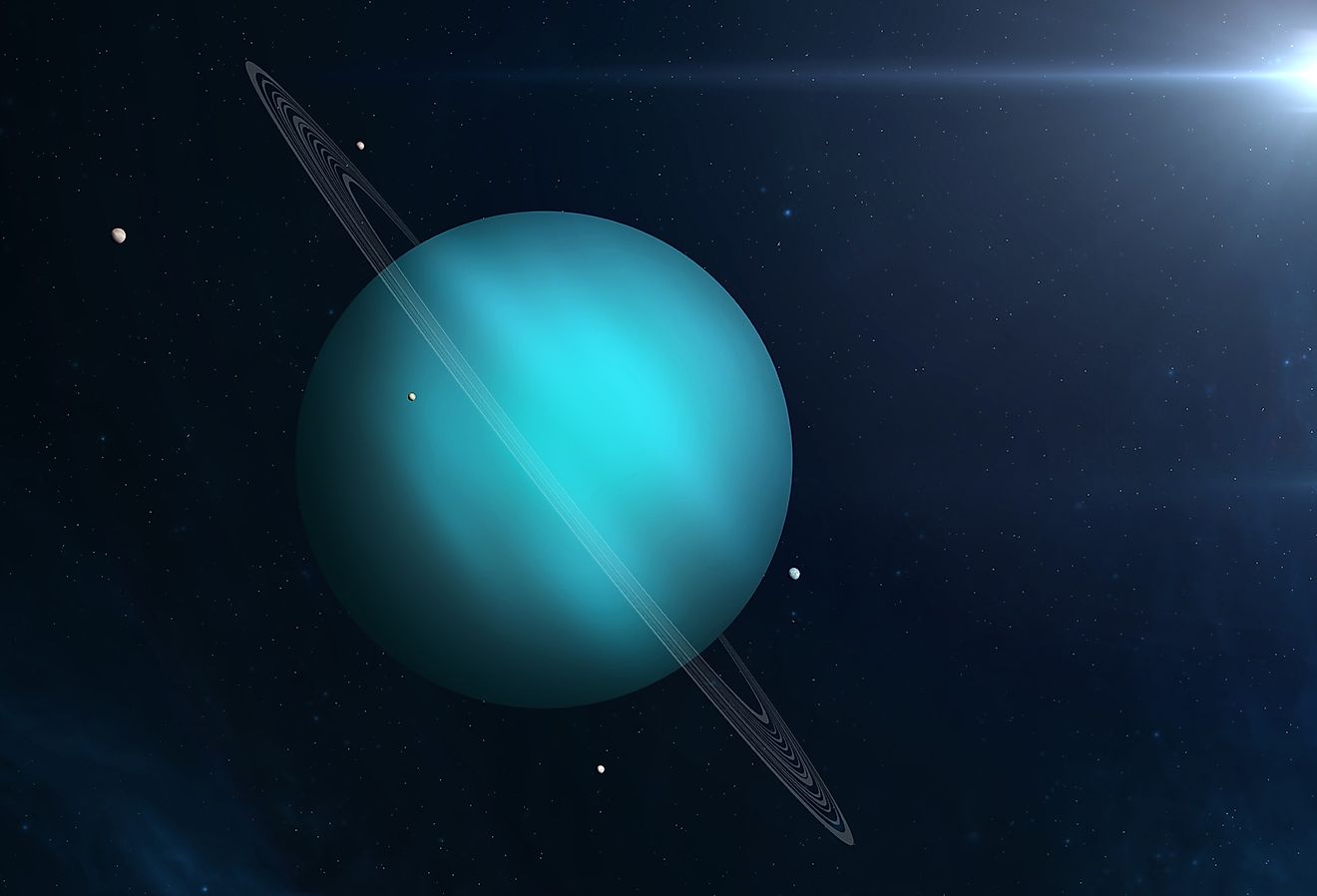
Venus does not have rain in the Earth-like sense, but its atmosphere still makes it one of the most chemically hostile places in the solar system. Its clouds contain droplets of sulfuric acid, and while the intense heat causes that acidic precipitation to evaporate before it reaches the ground, the result is still a planet wrapped in corrosive cloud layers. Uranus and Neptune may have stranger precipitation deep inside them, where scientists have proposed that extreme pressure could turn carbon from methane into diamonds that sink through their interiors. However, that is not rain striking a solid surface.
Venus stands out because its sulfuric-acid clouds are part of a broader weather system that also includes extreme heat, crushing pressure, and a surface environment where no unprotected human or spacecraft could survive.
Wind to the Max

Venus is not the windiest planet in the solar system (that title goes to Neptune), but its winds still help make its weather uniquely hostile. Its upper cloud layers race around the planet in a super-rotating atmosphere, with cloud-top winds measured as high as 224 mph. That is slower than Earth's highest recorded tornado wind speed, which reached 321 mph near Bridge Creek, Oklahoma, in May 1999, and slower than Jupiter's Great Red Spot, where winds exceed 400 mph in the storm's outer ring.
However, Venus is worse overall because those fierce upper-atmosphere winds are only one part of a much harsher package. Jupiter may beat Venus for wind speed in its Great Red Spot, but Venus combines violent cloud-level winds with extreme heat, crushing pressure, and corrosive sulfuric-acid clouds, making its weather far more dangerous overall.
A Planet Wrapped in Acid Haze

Earth has seen devastating dust storms, such as the Dust Bowl, which affected much of the southern Great Plains during the 1930s, including parts of Oklahoma and Texas. Mars goes much further, with dust storms that can last for weeks and sometimes become planet-encircling events. Jupiter has enormous atmospheric storms, including the Great Red Spot, a long-lived storm humans have observed for more than 150 years, but it does not have surface dust storms like Mars does.
Venus is different from both. It is wrapped in a persistent global cloud and haze layer of sulfuric acid, meaning its sky is not just stormy at times but permanently hostile. That constant corrosive haze, combined with extreme heat and crushing pressure below, helps make Venus' weather worse overall than planets with more dramatic individual storms.
Too Hot for Ice, Still Hostile

Venus does not win the "worst weather" title because of ice storms. In fact, its surface is far too hot for ordinary water ice to survive. While Mars can form carbon dioxide ice clouds and seasonal CO₂ frost, and Uranus and Neptune are frigid ice giants with cloud-top temperatures near -350°F and -360°F, Venus is hostile in the opposite direction. Its clouds are made mostly of sulfuric acid, and some highlands may have reflective deposits sometimes described as heavy-metal frost. That makes Venus strange rather than icy: a planet where even the "frost" is part of a scorching, corrosive, high-pressure environment.
The Worst Weather in the Solar System
Venus is a strong candidate for the solar system's harshest overall weather environment because it combines extreme heat, crushing pressure, corrosive clouds, and fast upper-atmosphere winds. It is not the worst in all of them, but the combination makes it a very unfriendly place. It is ironic that Venus was named after the Roman goddess of love and beauty. Perhaps it is because it is the brightest light in the night sky, but looks are deceiving in this case.