What Happens If The Rio Grande Stops Reaching The Gulf
Here is a fact that should stop you cold: one of the great rivers of North America, the 1,900-mile Rio Grande that forms the entire Texas-Mexico border, increasingly cannot finish its own journey. It starts strong in the snowfields of Colorado, but by the time it should be pouring into the Gulf of Mexico, it is often a damp streak in the sand, or nothing at all. This is not a doomsday what-if. It has already happened, more than once, and the trend is heading the wrong way. So what actually unfolds if the Rio Grande stops reaching the sea for good? The short version: a water crisis for millions of people, the collapse of a farming empire, and the slow death of an entire ecosystem. Let's walk the river down and see.
It Has Already Happened

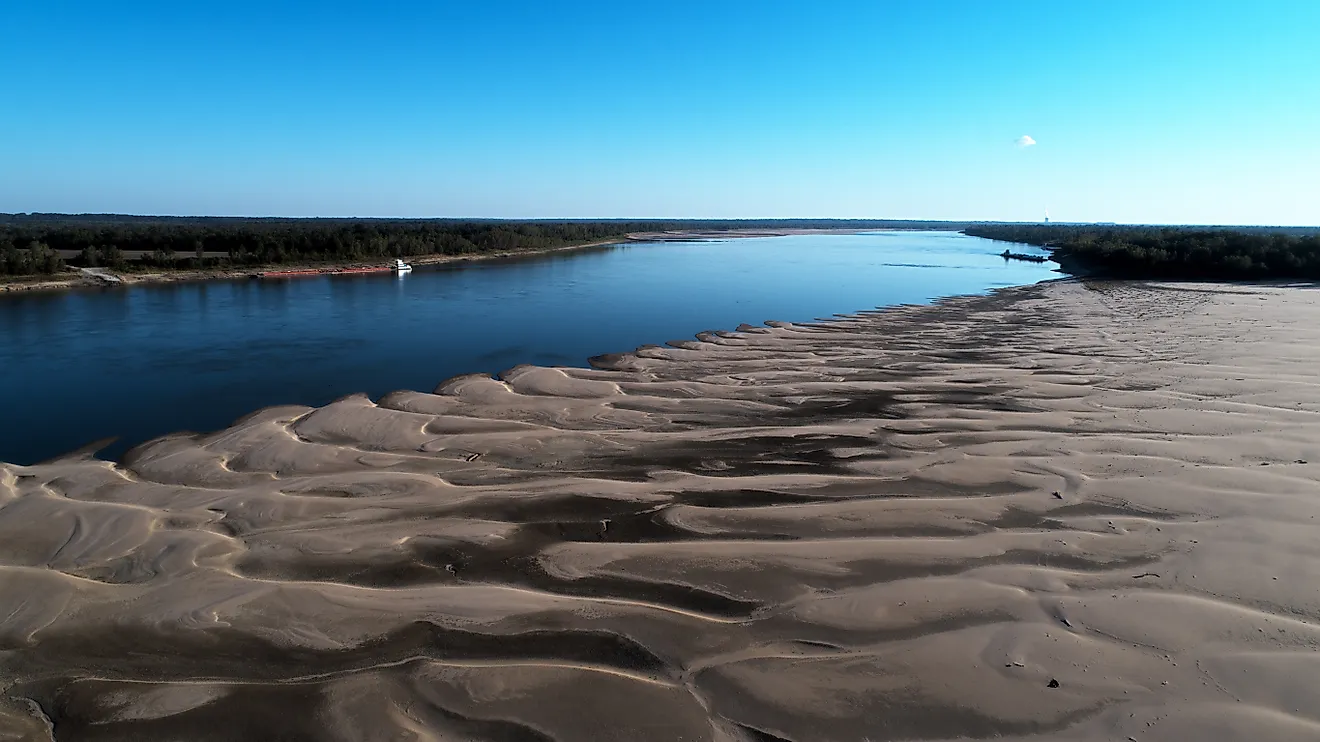
Let's clear this up first, because it is the part most people do not realize. The Rio Grande has already failed to reach the Gulf. In the summer of 2001, a sandbar roughly 330 feet wide sealed off the river's mouth, and for the first time in recorded history, the Rio Grande simply did not empty into the sea. Crews dredged the sandbar; it re-formed almost immediately. It has been a recurring problem ever since. Upstream, things are just as grim. A 200-mile stretch below El Paso is so reliably bone-dry that locals call it the "Forgotten Reach," where upstream dams have cut the flow by more than 70 percent. In April 2003, the river even dried up as it passed through the canyons of Big Bend National Park. The river you are picturing, wide and rolling, is in many places a memory.
How a River This Big Runs Dry

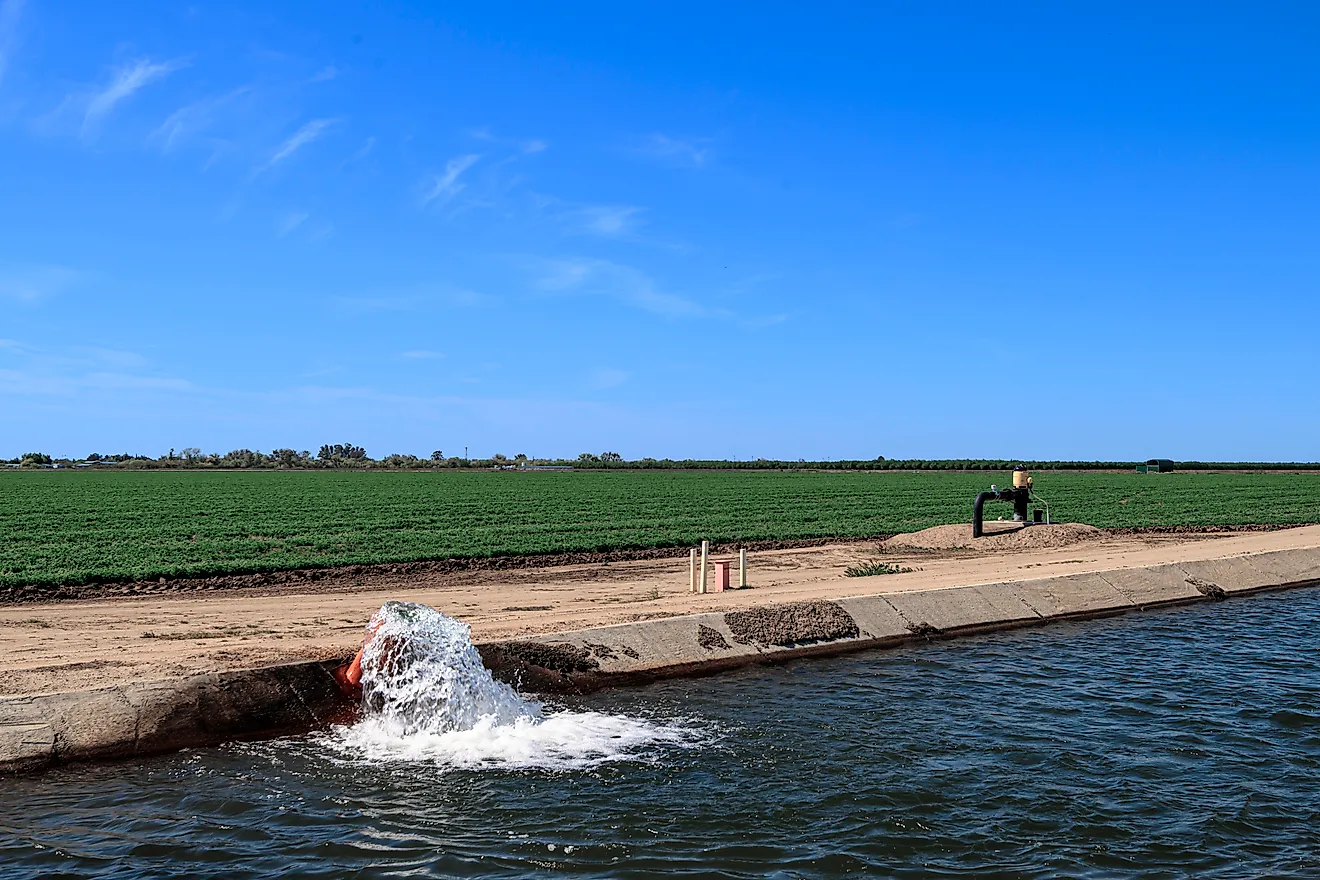
So how does a river fed by mountain snow run out of water before the finish line? The answer is that almost every drop is spoken for long before it gets there. The Rio Grande is one of the most over-allocated rivers on the planet, carved up between Colorado, New Mexico, Texas, and Mexico, its flow trapped and rationed by big reservoirs like Elephant Butte, Amistad, and Falcon. Agriculture drinks the lion's share, thirsty invasive saltcedar trees guzzle thousands of acre-feet more, and a decades-long megadrought supercharged by climate change keeps shrinking the supply just as booming border cities demand more. What was once a wild, flooding river has become, functionally, a plumbing system, and the taps at the bottom are the first to run dry.
The Faucet For Millions Goes Dry

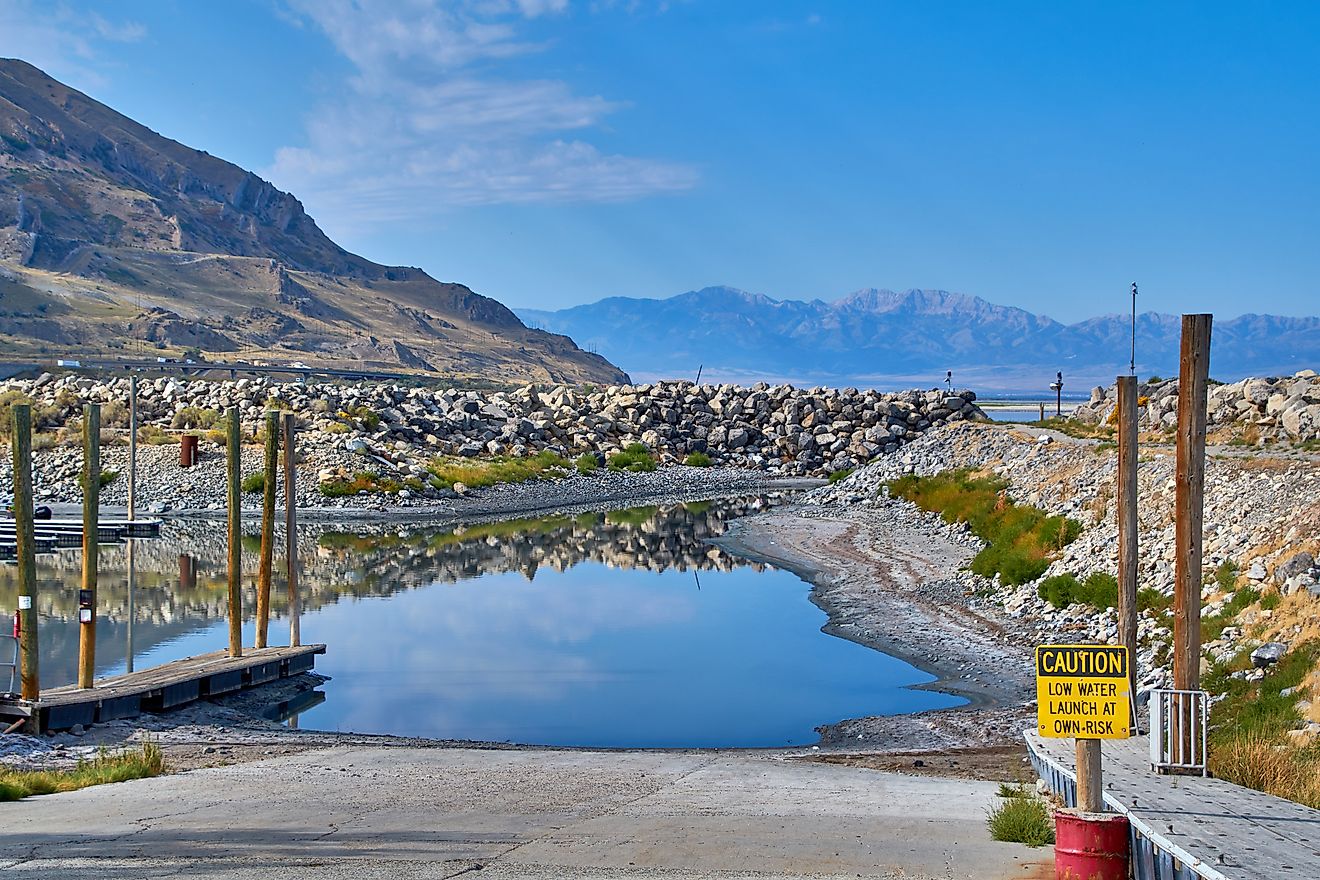
Now the serious stakes come into focus. The Rio Grande is not scenery, it is a lifeline. Cities strung along it, from El Paso and Ciudad Juárez to the dense Lower Rio Grande Valley, lean on the river for drinking water, and that dependence runs on both sides of the border. Down in the valley, the twin metro areas of Brownsville and Matamoros, McAllen and Reynosa, are home to millions of people whose taps ultimately trace back to this single stressed river. When the reservoirs that feed them hit record lows, as they have in recent years, Texas water managers are forced to warn of cutbacks, and the specter of a major American city running short on drinking water stops being hypothetical. A river that dies before the Gulf is a river that has already failed the people at its end.
The Day The Sugar Mill Died

If you want proof that this is happening now and not someday, look at what happened in February 2024. The Rio Grande Valley Sugar Growers mill in Santa Rosa, the last sugar mill in all of Texas, shut its doors and began disassembling its machinery, blaming an acute lack of irrigation water. It was a gut-punch to a region that has grown citrus, sugarcane, and winter vegetables for generations. The Lower Rio Grande Valley is one of America's great agricultural zones, and it simply cannot function without river water. Much of that water is supposed to come from Mexican tributaries under a 1944 treaty, but Mexico has fallen years behind on its deliveries, turning the shortage into a bitter international dispute that has drawn threats of tariffs and sanctions. If the river keeps failing, the sugar mill will not be the last casualty. It will be the first of many.
The treaty math shows how tight the squeeze has become. Under the 1944 agreement, the United States sends Mexico a fixed 1.5 million acre-feet of Colorado River water every year, while Mexico is supposed to deliver an average of 350,000 acre-feet a year from Rio Grande tributaries, measured over five-year cycles. But Mexico has repeatedly fallen behind, and in one recent cycle it had sent only about half of what it owed the United States three years in, leaving hundreds of thousands of acre-feet undelivered. When there is barely enough rain to fill anyone's reservoirs, a shortfall like that ripples straight into empty canals, fallowed fields, and shuttered businesses on the American side. Behind the diplomatic language are real farmers watching crops die and workers losing jobs that a river used to guarantee.
A Delta Left To Die

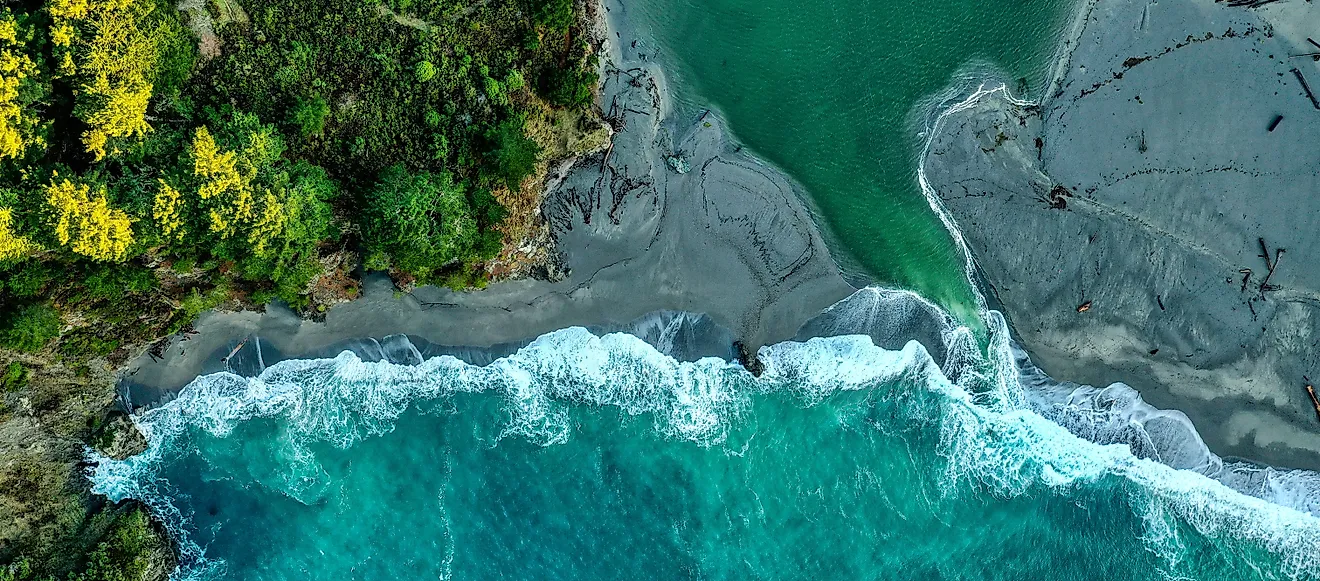
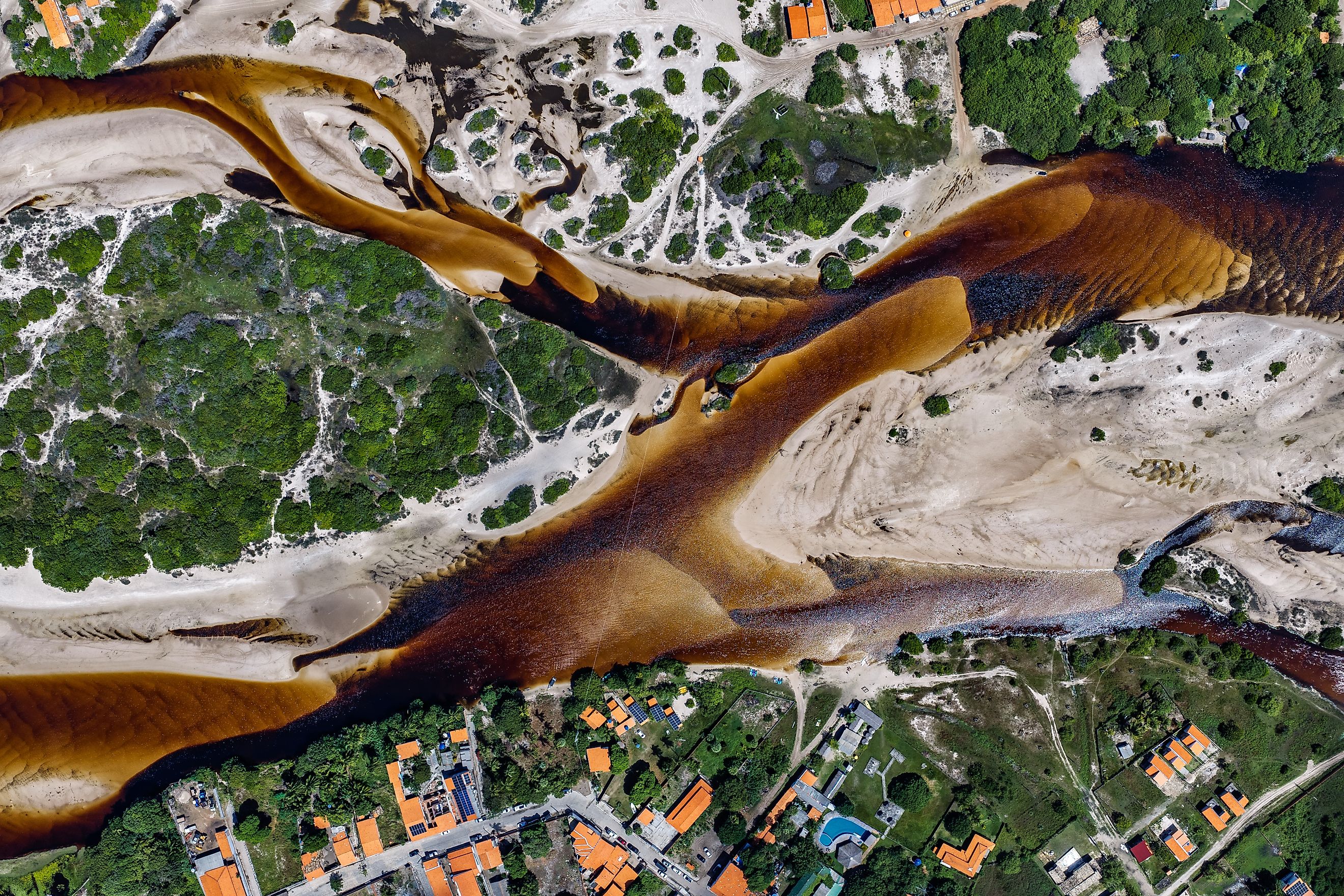
Follow the river all the way to the coast and the ecological toll becomes brutal. A river's mouth is one of the most productive places in nature, a brackish estuary where fresh water and seawater mix to create a nursery for shrimp, crabs, and countless fish. When the Rio Grande stops flowing, that mixing stops too. The Gulf shoves salt water back up the dying channel, the estuary at Boca Chica collapses, and the wetlands that shelter sea turtles, migrating birds, and even the rare ocelots of the valley begin to wither. Native fish like the Rio Grande silvery minnow have already been pushed to the brink. Meanwhile, with no river to carry sediment to the coast, the delta itself starts to erode into the sea. A river that does not reach the ocean is, at its end, simply dead, and everything that depended on that meeting of river and sea dies with it.
A Border That Runs On Empty

There is a stranger dimension to all of this, too. For more than 1,200 miles, the Rio Grande does not just flow near the border, it is the border, the physical line separating the United States and Mexico. A river that shrinks to a string of stagnant pools and dry sandbars is a very different kind of international boundary than a rolling waterway. It complicates everything from the 1944 treaty that governs who gets which water to the daily reality of two countries sharing a single, failing resource. Water that used to simply flow is now fought over in diplomatic meetings, and as the river weakens, the pressure between the two nations only grows. The Rio Grande has always united and divided these countries at the same time. Drought is now testing that relationship like never before.
Can It Be Brought Back?

The situation is dire, but it is not hopeless, and that is the part worth holding onto. Scientists argue that the river can be revived without wiping out the farms that depend on it, mainly by managing water smarter rather than simply using less. Better-timed reservoir releases from both countries could mimic the natural spring floods and summer monsoons that native fish and forests evolved with. Ripping out water-hogging saltcedar, modernizing leaky irrigation systems, and honoring the binational treaty in full would all put real water back in the channel. None of it is easy, and all of it requires the United States and Mexico to cooperate on a scale they have struggled to reach. But the alternative is stark. A Rio Grande that permanently stops reaching the Gulf would take a booming farm belt, the drinking water of millions, and a living coastal ecosystem down with it. This is a river worth fighting to finish its journey, and the clock is already running.