The Saltiest River In The United States
Most rivers are freshwater. A handful in the American Southwest apparently never got the memo. In parts of Texas and New Mexico, there are rivers so loaded with salt that you could practically cure a ham in them: water that is undrinkable, useless for crops, and fed by springs saltier than the sea. The saltiest of the whole briny bunch snakes its way across New Mexico and Texas, and it goes by the name of the Pecos. Here is the salty, faintly ridiculous story of America's saltiest river, and the equally salty siblings that keep it company.
The Answer: The Pecos River

The Pecos River is widely crowned the saltiest major river in the United States. It rises in the mountains of northern New Mexico looking perfectly respectable, then flows roughly 900 miles south into Texas, growing saltier and saltier the whole way, until in its lower reaches the water is too brackish to drink and too salty to irrigate a field with. By the time it finally reaches the Rio Grande, it has become one of the most stubbornly saline rivers anywhere on the continent. Quite the career change for something that starts out as clean mountain snowmelt. Its reputation runs deep, too: the phrase "west of the Pecos" long stood for the wild, lawless edge of the frontier, and thirsty cattle drives once had to pick their crossings carefully, since the wrong stretch of water could do more harm than good.
Wait, Why Is a River Even Salty?

It is a fair question, given that rivers are supposed to be fresh. The culprit here is ancient history, quite literally. Hundreds of millions of years ago, shallow seas repeatedly flooded this whole region and then evaporated away, each time leaving behind enormous buried beds of salt, or halite, along with gypsum. Today, groundwater trickles down through those ancient salt layers, dissolves them, and carries the resulting brine back up into the rivers through countless springs and seeps. So when you taste the Pecos, you are essentially tasting the ghost of a sea that dried up long before the first dinosaur ever showed up. The invasive saltcedar tree only makes matters worse, wicking even more salt out of the soil and shedding it back into the water. In effect, the whole river is sipping through a straw stuck into a prehistoric salt mine.
Just How Salty Is It?

So just how salty are we actually talking about? A normal, healthy river carries only a few hundred milligrams of dissolved salt per liter of water, which is to say almost none. The Pecos routinely runs around 6,000 milligrams per liter by the time it reaches Texas, and climbs well past 15,000 in its saltiest lower stretches, making it anywhere from ten to fifty times saltier than an ordinary river. That is still short of the open ocean, which sits near 35,000 milligrams per liter, so you could not quite brine a pickle in the Pecos itself. But the concentrated springs feeding these rivers are another animal entirely: across the region's Permian Basin, brine springs and seeps have been measured dumping more than 20,000 tons of salt into local streams every single day, and some, as we are about to see, blow right past seawater. According to one government survey, nowhere else in the interior United States are natural sources of salt water so widespread, or so ruinous to the fresh water supply of such a large slice of the country.
The Red River's Dead-Sea Spring

If the Pecos wears the overall crown, the Red River holds the single most jaw-dropping salt story. One of its sources in Texas, the Estelline Salt Spring, was among the saltiest springs ever documented in the country, welling up into a perfect, salt-rimmed pool out in the Texas panhandle and earning a reputation as the state's own little answer to the Dead Sea. Back in the 1950s it was measured pumping roughly 300 tons of salt a day straight into the Red River, enough to shove the chloride level in faraway Dallas's tap water far past safe drinking limits. It was briny enough to grow actual saltwater crabs, hundreds of miles from the nearest ocean, so it is fair to say nobody was paddling out for a refreshing dip. The spring was so extreme that when engineers finally moved to wall it off with a dike in the 1960s to protect the region's drinking water, a biologist studying the site discovered rare, salt-loving creatures that had been quietly surviving in that little pocket of leftover ocean for millions of years.
The Salty Siblings

The Pecos and the Red are not lonely oddities; they are part of a whole briny family scattered across Texas and New Mexico. The Brazos River is another serious contender, and its Salt Fork, fed by its own set of brine springs, coughs up the lion's share of the natural salt in its corner of the Permian Basin. Put them together, and the Pecos, the Red, and the Brazos form an unofficial club of waterways that geologists diplomatically label "naturally saline," and that everyone else just calls way too salty to drink. It is arguably the least refreshing river system in the country. The salt is such a persistent headache that the Army Corps of Engineers built entire reservoirs, like Texas's Truscott Brine Lake, for the sole purpose of catching brine from problem springs before it can reach the rivers at all.
The Honest One in Arizona

Arizona's Salt River, by contrast, is the honest one of the bunch, because it told everybody exactly what it was centuries ago. Spanish explorers named it the Rio Salado, the Salt River, back in the 1500s, and the local Akimel O'odham people called it Onk Akimel, which means, more or less, salty river. The reason is refreshingly simple: not long after it forms, the river runs smack across a giant natural salt deposit known as the Salt Banks and comes out the other side thoroughly seasoned. One traveler in 1877 groused that the water there was so salty a stranger could barely choke it down. And as if a built-in salt lick were not enough, the invasive saltcedar tree has since moved in along the banks, quietly pulling even more salt out of the soil and shaking it into the water like a waiter nobody asked for.
The Fish That Love the Brine

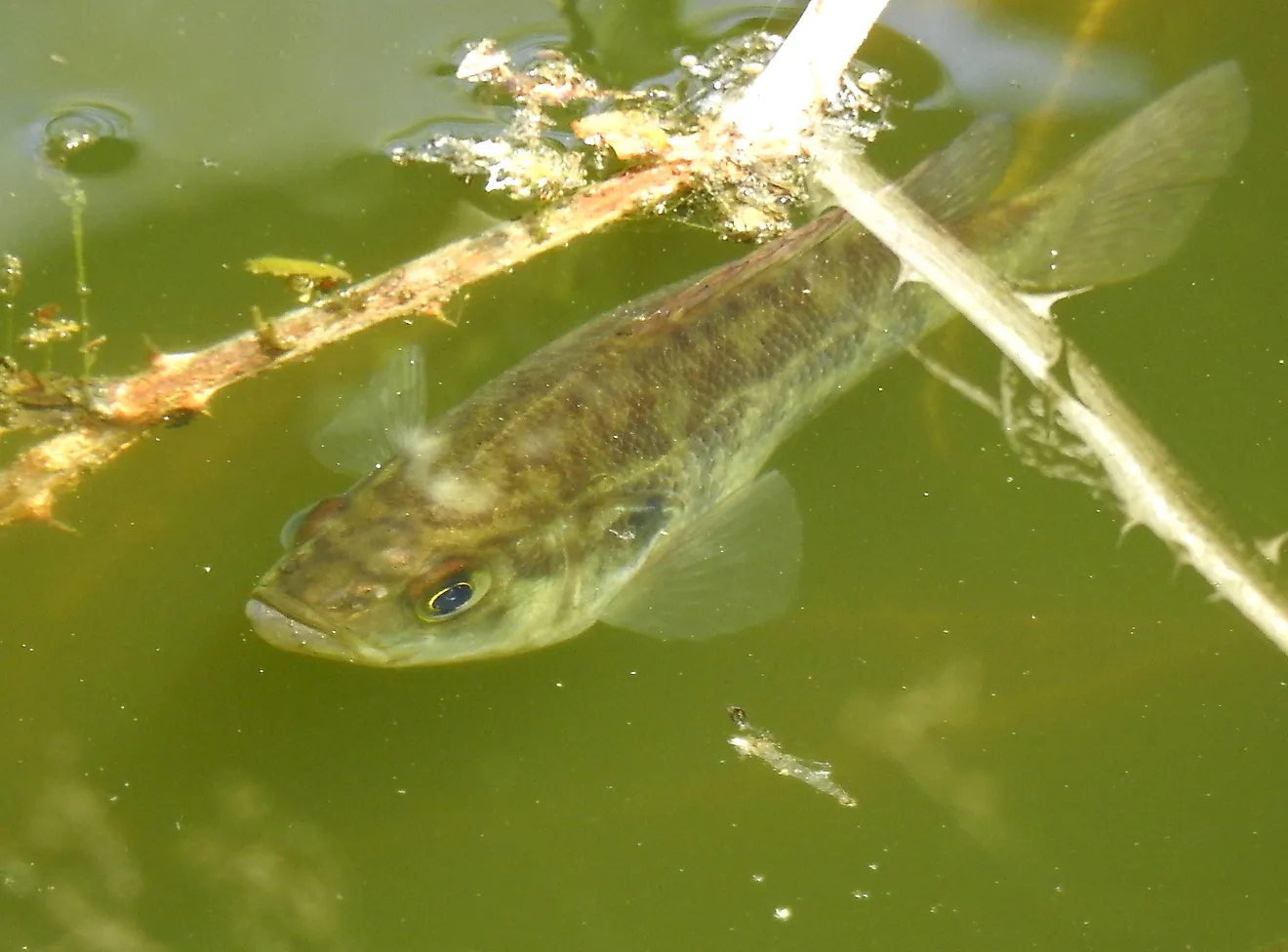
Here is the final twist: some creatures absolutely love this stuff. The saltier stretches of the Red and the Brazos are home to the tough little Red River pupfish, a tiny, salt-tolerant survivor perfectly content in water that would flatten most other fish. Its desert cousins, like the celebrated pupfish clinging to isolated springs elsewhere in the Southwest, rank among the hardiest fish on the planet, living proof that life will happily set up shop right in nature's pickle brine. Humans, on the other hand, have spent decades and many millions of dollars, through efforts like the Army Corps of Engineers' Red River Chloride Control Project, trying to dilute and corral all that salt just to make the water usable. The rivers, naturally, keep right on being salty. They have been at it for a few hundred million years, after all, and they are not about to quit now over a few complaints about the taste.