The Most Snake Infested Rivers In Oregon
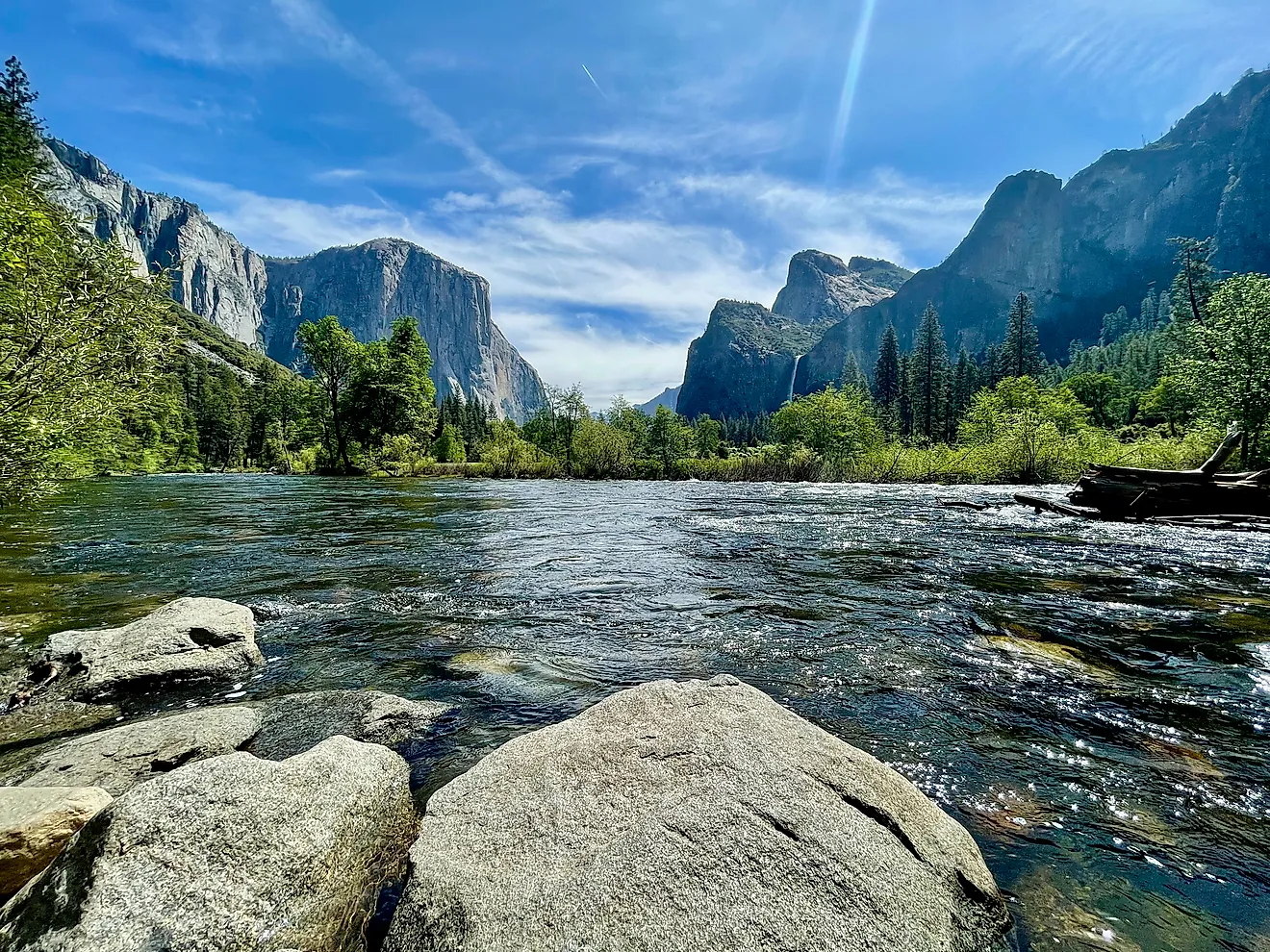
Oregon has 110,994 miles of river flowing through it, which provides economic, community, recreational, and ecosystem benefits to those who live in the state. However, Oregonians are not the only ones who benefit from the state’s rivers. Fifteen different species of snakes are native to Oregon, and a handful of those that appear on this list call the state’s valuable waterways their home. These are the four most snake-infested rivers in the state of Oregon.
Willamette River

The Willamette River is formed by the Coast Fork and Middle Fork outside of Eugene. From there, it flows north for a total of 185 miles before it enters the Columbia River near Portland. Its drainage basin spans between the Cascade Range and the Coast Range to form the Willamette Valley, which is 30 miles wide on average and holds Oregon’s most populous cities.
The Willamette Valley is home to one of Oregon’s most common snakes, the common garter snake (Thamnophis sirtalis), which is found in a wide variety of habitats, including coastal forests, mountain forests, deserts, and even backyards, but is commonly found near a water source. Adults typically measure between 18 and 26 inches in length and are easily recognized by their slender bodies and yellow or cream-colored stripes running along a dark background.

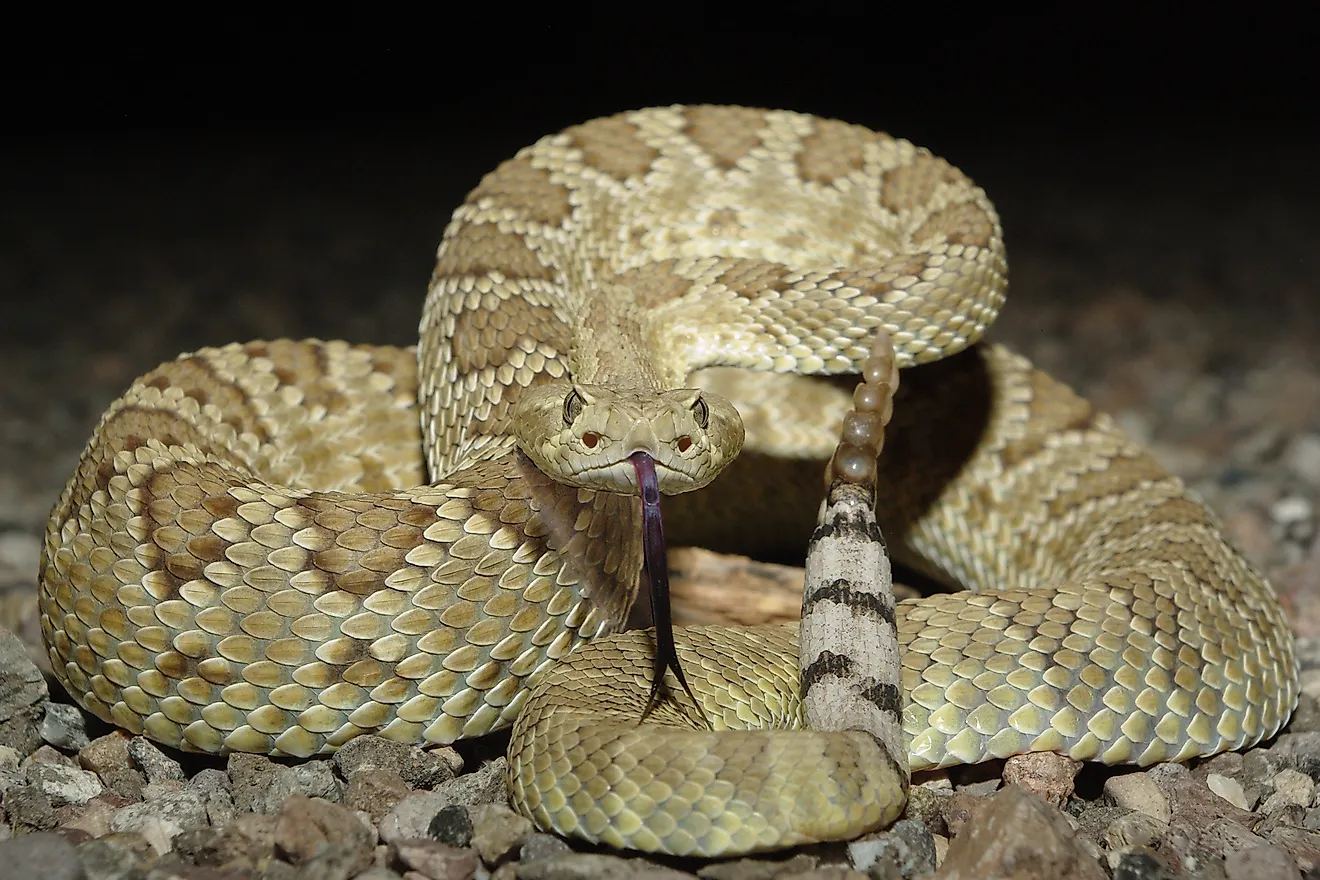
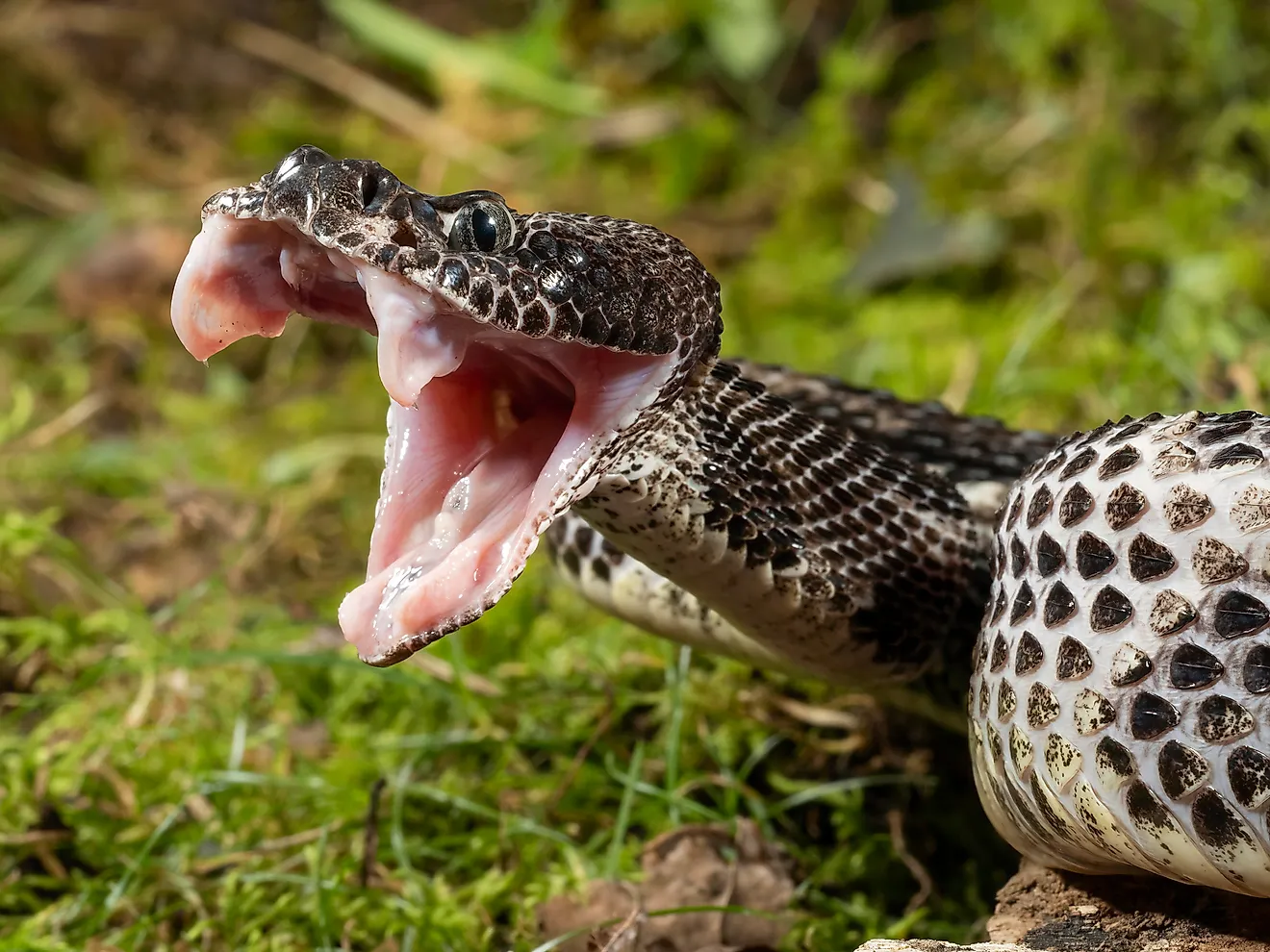
The western rattlesnake (Crotalus oreganus) occurs in the mid-to-southern Willamette Valley. These snakes are the only species of venomous snake found in Oregon. They seldom stray far from rock crevices that receive sunshine, which they use as their dens to hibernate in. They are most commonly seen in spring and fall, when they are either emerging from or entering hibernation.
Umpqua River

The Umpqua River is formed north of Roseburg by the confluence of the North Umpqua and South Umpqua Rivers. The river flows northwest through the Coast Range, where it drains numerous valleys on the western slopes of the mountains. The Smith River joins it before entering Winchester Bay and emptying into the Pacific Ocean after a course of 111 miles.

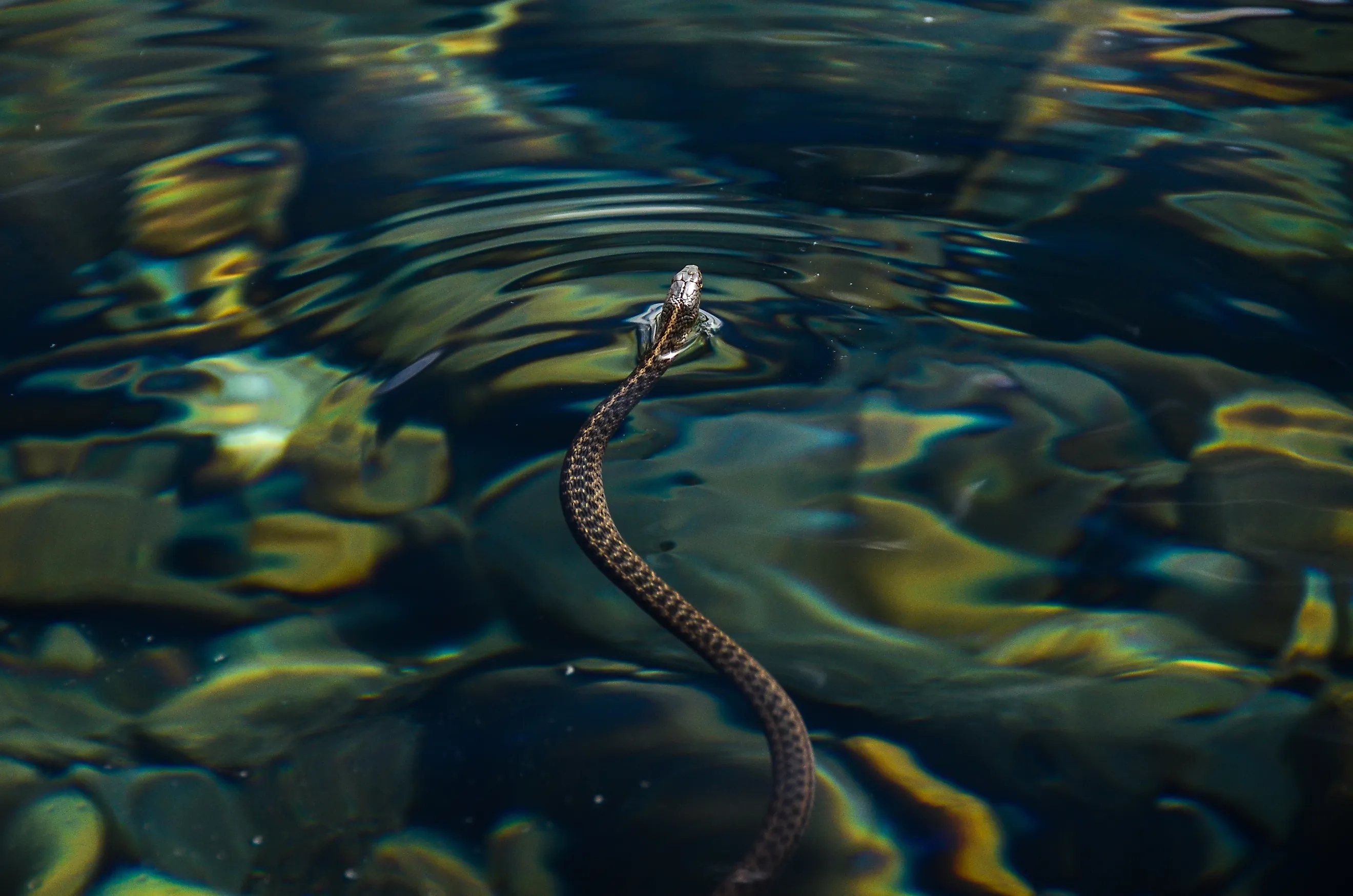
The Pacific coast aquatic garter snake (Thamnophis atratus) occupies areas along rivers between southwest Oregon and as far north as the Umpqua Valley. This species generally reaches lengths of 24 to 44 inches and has a sleek, streamlined body with dark olive or black coloring, sometimes accented by faint stripes. It very rarely strays far from water. If threatened, it will submerge underwater and use rocks on the beds of bodies of water as cover.
Rogue River

The Rogue River is one of the longest in Oregon, flowing through the southwest of the state for 215 miles. The river originates from Boundary Springs, west of Crater Lake at an elevation of 5,200 feet above sea level, and flows down from the Cascade Range to the city of Gold Beach, where it enters the Pacific Ocean. Most of the river’s drainage is in mountainous terrain covered in thick coniferous forests, which makes it ideal for the California mountain kingsnake (Lampropeltis zonata).

The California mountain kingsnake has distinctive red, black, and white banding on its body, which can lead to it being mistaken for the venomous coral snake, even though the California mountain kingsnake is nonvenomous. They are found in humid microhabitats, such as under rocks, rotting logs, and tree stumps, or in shrubs within forested areas.
Deschutes River

The Deschutes River is located in central Oregon, where it provides most of the drainage for the east side of the Cascade Range before eventually entering the Columbia River. The river flows through a rimrock-lined canyon, which ranges in depth from 900 feet to 2,600 feet. This canyon provides suitable habitat for a diverse range of fish, wildlife, and flora, including snakes.
The ring-necked snake (Diadophis punctatus) is particularly present in the lower Deschutes River. This small, slender species usually measures between 10 and 15 inches in length and is easily identified by its smooth gray to bluish-gray back and a bright yellow, orange, or red ring around the neck. It is most commonly associated with woodlands and canyon bottomlands, but requires humid microhabitats such as logs, rocks, and tree stumps. If threatened, ring-necked snakes will coil their tails up to expose their brightly colored underside.
Snakes In Oregon’s Rivers
There are many myths and misunderstandings surrounding snakes; however, they are generally harmless and mostly inactive unless they are seeking a spot to bask in the sun's heat or looking for prey. When exploring Oregon’s rivers, the best way to avoid snakes on or around the trails is to remain on well-maintained paths, stay clear of thick brush, and refrain from putting your hands in places you cannot see. Snakes spend most of their time hiding under debris and are usually only seen by chance when the snake is moving from one place to another.