8 Scenic Road Trip Stops Along Great River Road
Tracing the Mississippi River through ten states, the Great River Road is one of America’s most stunning long-distance drives. The landscape changes constantly along its 3,000-mile route: sandstone bluffs tower over the river in Minnesota, ancient Indigenous earthworks rise from Iowa’s hardwood forests, and quiet river towns in Illinois and Missouri cluster around historic levees and 19th-century storefronts. Farther south, the road winds past Civil War battlegrounds, cypress swamps, and the high river bluffs of Louisiana. These eight stops highlight the variety that makes the journey so memorable, offering a vivid snapshot of the Mississippi’s past and present, and the landscapes that make this drive unlike any other in the United States.
Red Wing, Minnesota

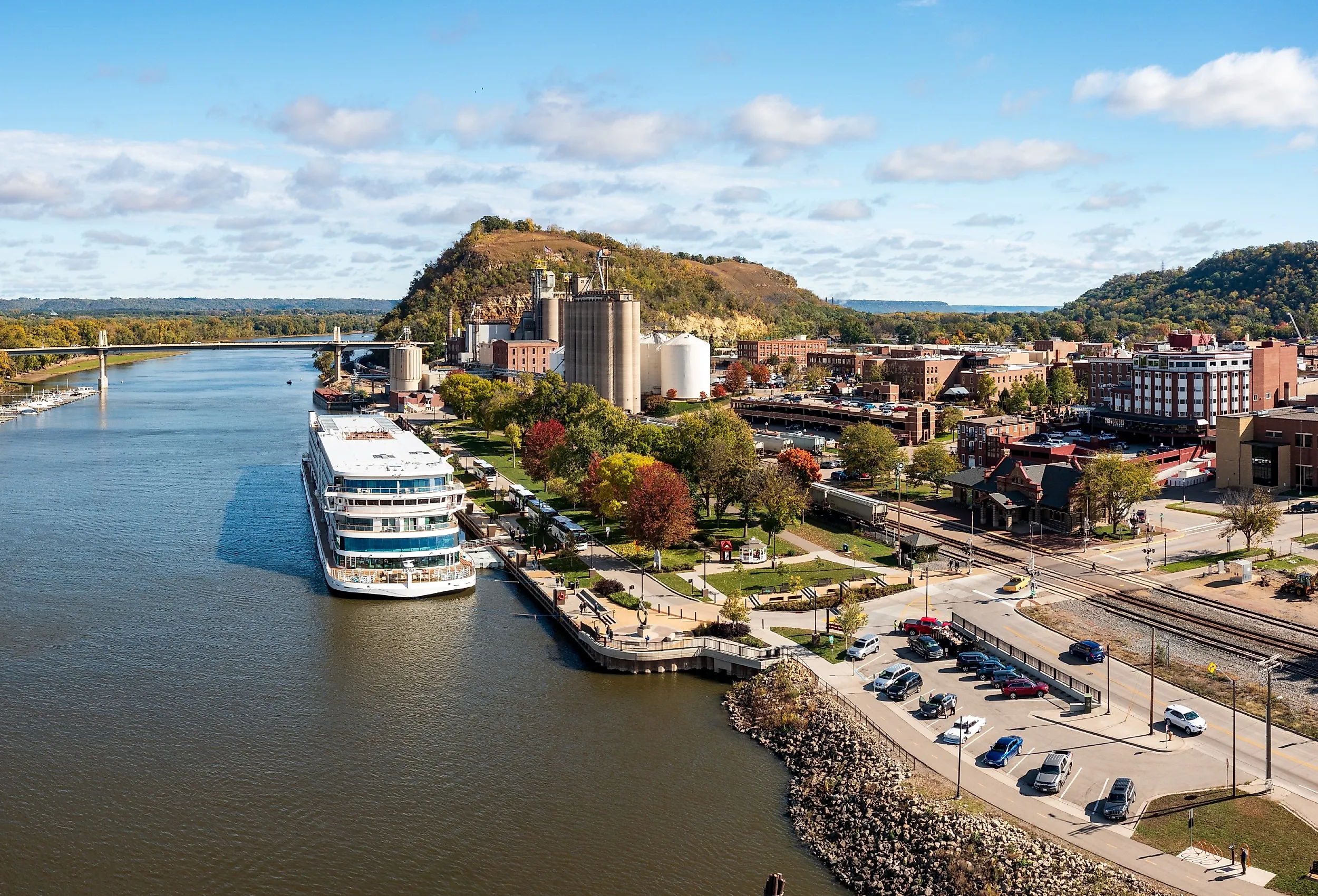
With its brick warehouses, broad riverfront, and bluffs rising behind downtown, Red Wing is one of the most photogenic towns along the northern Great River Road. Located in southeastern Minnesota, near the Wisconsin border, Red Wing is an art lover’s dream, a creative legacy that began in 1861 with the rise of the Red Wing Pottery industry. Today, visitors can catch a performance at the historic Sheldon Theatre, built in 1904 and one of Minnesota’s oldest operating theaters.

The town is also home to Red Wing Shoes, the iconic bootmaker whose flagship store and museum highlight more than a century of craftsmanship (est. 1905). The nearby Red Wing Arts gallery showcases regional talent, while Featherstone Pottery offers handmade pieces rooted in local craft traditions. Nature is never far away: climb Barn Bluff for panoramic river views or explore leafy Colvill Park along the Mississippi’s edge.
Effigy Mounds National Monument, Iowa

Located in northeastern Iowa near the town of Marquette, Effigy Mounds National Monument is a must-see natural and cultural landmark preserving more than 200 prehistoric burial mounds shaped like bears, birds, and serpents, some over a millennium old. Trails wind through dense hardwood forests and open onto sweeping overlooks of the Upper Mississippi River National Wildlife and Fish Refuge. The Fire Point Trail is especially memorable, with views across the river valley that stretch into Wisconsin. Interpretive exhibits explain the spiritual importance of these sacred sites to Indigenous nations, especially the Ho-Chunk, Dakota, and other descendant communities. Visitors can explore the small museum, join ranger-led walks, or simply sit above the bluffs and take in the vast landscape.
McGregor, Iowa

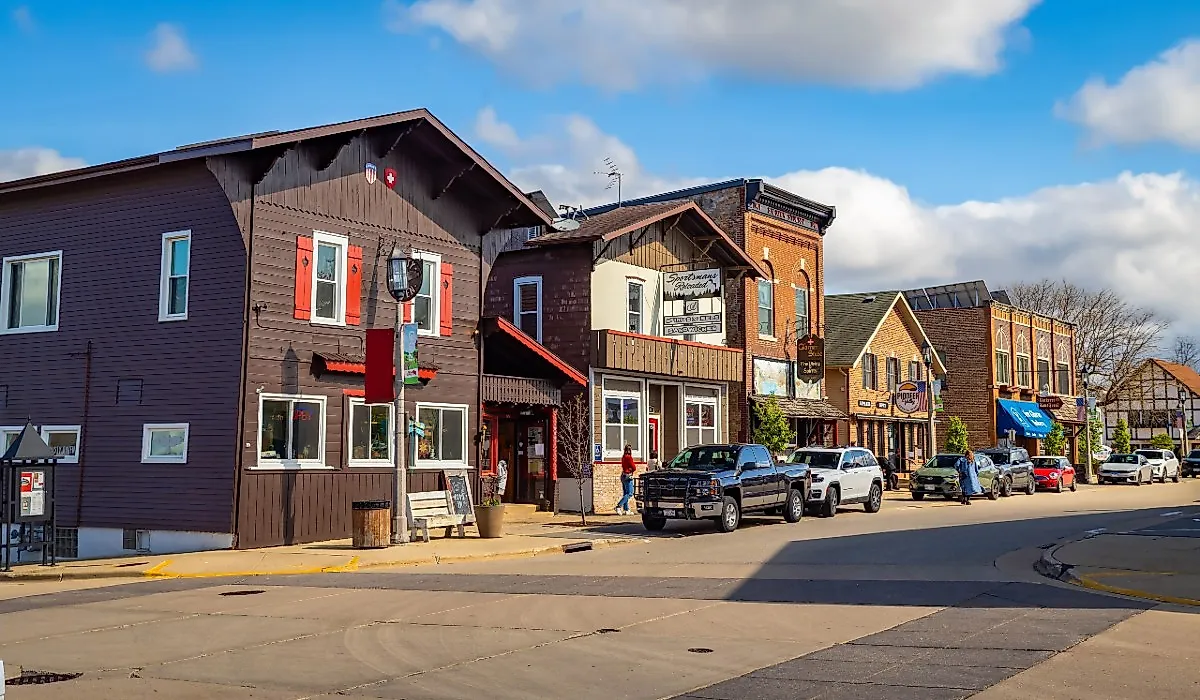
In northeastern Iowa, tucked between limestone bluffs and the Mississippi River, McGregor feels like a preserved 19th-century river port. The town’s compact Main Street features vintage storefronts, cafés, and the family-owned Paper Moon Bookshop, an indie stop perfect for browsing between scenic overlooks. Just across the bridge lies the vast Upper Mississippi River National Wildlife and Fish Refuge, a haven for eagles, herons, and migrating waterfowl. Five minutes away, Pikes Peak State Park offers some of the best Mississippi River vistas on the entire route, including the famous confluence overlook.
Galena, Illinois

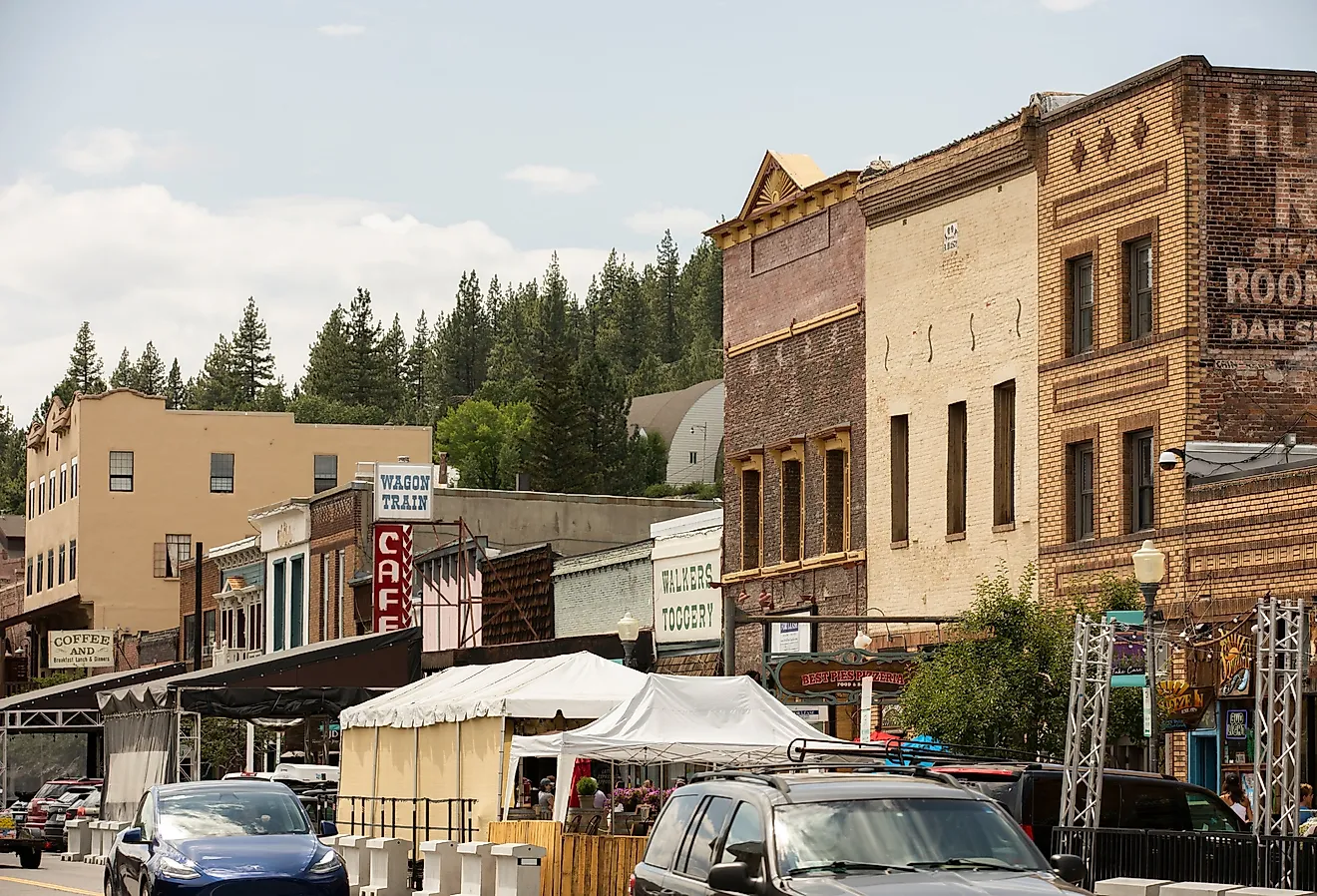
A highlight of the Illinois portion, Galena delivers river-town character wrapped in rolling hills and 19th-century architecture. Located in northwest Illinois near the Mississippi-Galena River junction, the town’s steep streets and brick storefronts form one of the Midwest’s most intact National Register Historic Districts. Main Street curves beside the river, lined with cast-iron façades, galleries, and historic hotels. Visitors can tour the Ulysses S. Grant Home, follow the Galena River Trail along the water, or climb to Horseshoe Mound Preserve for sweeping views of the Driftless Area. A short drive leads to Thunder Bay Falls, a picturesque cascade surrounded by wooded limestone bluffs.
Nauvoo, Illinois

Located in western Illinois near the Iowa border, Nauvoo occupies a wide terrace above the Mississippi River, offering some of the most open river views on the northern Great River Road. The town is known for its remarkably preserved Historic District, where dozens of 1840s brick homes, workshops, and public buildings line quiet streets surrounded by orchards and fields. Visitors can tour restored structures such as the Browning Gun Shop, the Blacksmith Shop, and the Family Living Center, each offering demonstrations of 19th-century trades. The striking Nauvoo Temple rises above the river valley, visible for miles. Nearby Nauvoo State Park provides lakefront trails, shaded picnic areas, and gentle overlooks where the Mississippi curls past the bluffs.
Hannibal, Missouri

Famous as Mark Twain’s childhood home, Hannibal pairs its literary legacy with photogenic riverfront scenery. Visitors can tour the Mark Twain Boyhood Home & Museum, wander through the recreated streetscape of Twain’s childhood, or climb Cardiff Hill to the whitewashed lighthouse that overlooks the town and river. Paddlewheel cruises depart from the levee, offering a classic way to experience the Mississippi’s broad sweep. The nearby Hannibal bluffs feature short trails with striking views of the waterway and wooded hills. For a worthwhile local-business stop, the family-run Java Jive café serves pastries and Mississippi-roast coffee in a restored downtown building.
Vicksburg National Military Park, Mississippi

In western Mississippi, just east of the river and minutes from the historic downtown of Vicksburg, the Vicksburg National Military Park preserves one of the Civil War’s most significant landscapes. The park lies along a series of high ridges overlooking a sharp bend in the Mississippi, terrain that made Vicksburg the “Gibraltar of the Confederacy.” A 16-mile driving route winds past earthworks, memorials, and sweeping viewpoints across the river valley. The restored USS Cairo, raised from the Yazoo River, offers an extraordinary look at Civil War naval engineering. After exploring the park, travelers can head two miles west to Vicksburg’s riverfront murals or walk the elevated bluffs above the water, where the Great River Road continues southwest toward Louisiana.
St. Francisville, Louisiana

Just north of Baton Rouge, St. Francisville sits high on river bluffs, offering a dramatic contrast to the lowlands below. Its shady, oak-draped streets are lined with antebellum homes, independent boutiques, and locally owned cafés, like the popular Birdman Coffeehouse and Eatery, a beloved indie café-bookshop combination with a very St. Francisville feel. The nearby Rosedown Plantation State Historic Site preserves one of the South’s most elaborate 19th-century gardens, while the Myrtles Plantation adds a layer of folklore and architectural interest. Outdoor enthusiasts can explore the Cat Island National Wildlife Refuge, known for its towering bald cypress trees, migratory birdwatching, and quiet forest trails.
The Spirit of the Great River Road
From Minnesota’s sandstone bluffs to Louisiana’s quiet river bends, the Great River Road offers a landscape shaped as much by history as by the water itself. Each stop on this route reveals a different chapter of the Mississippi’s story: towns built on river trade, cultures shaped by migration, and natural landmarks carved over millennia. Whether you linger in a small-town café, hike to a high overlook, or wander a historic district, the river is never far away. Follow it south, or take it just one bend at a time; along the Great River Road, every mile holds something worth slowing down for.