The 7 Best US National Parks for Hiking
The best way to see a national park is on foot, and the United States hands you more than 400 park sites to choose from. A few, though, are built for hikers: the ones where the trails do the talking, whether that means a granite staircase soaked in waterfall spray or a path across the still-warm floor of a volcanic crater. These seven parks earn their reputation one mile at a time. Lace up.
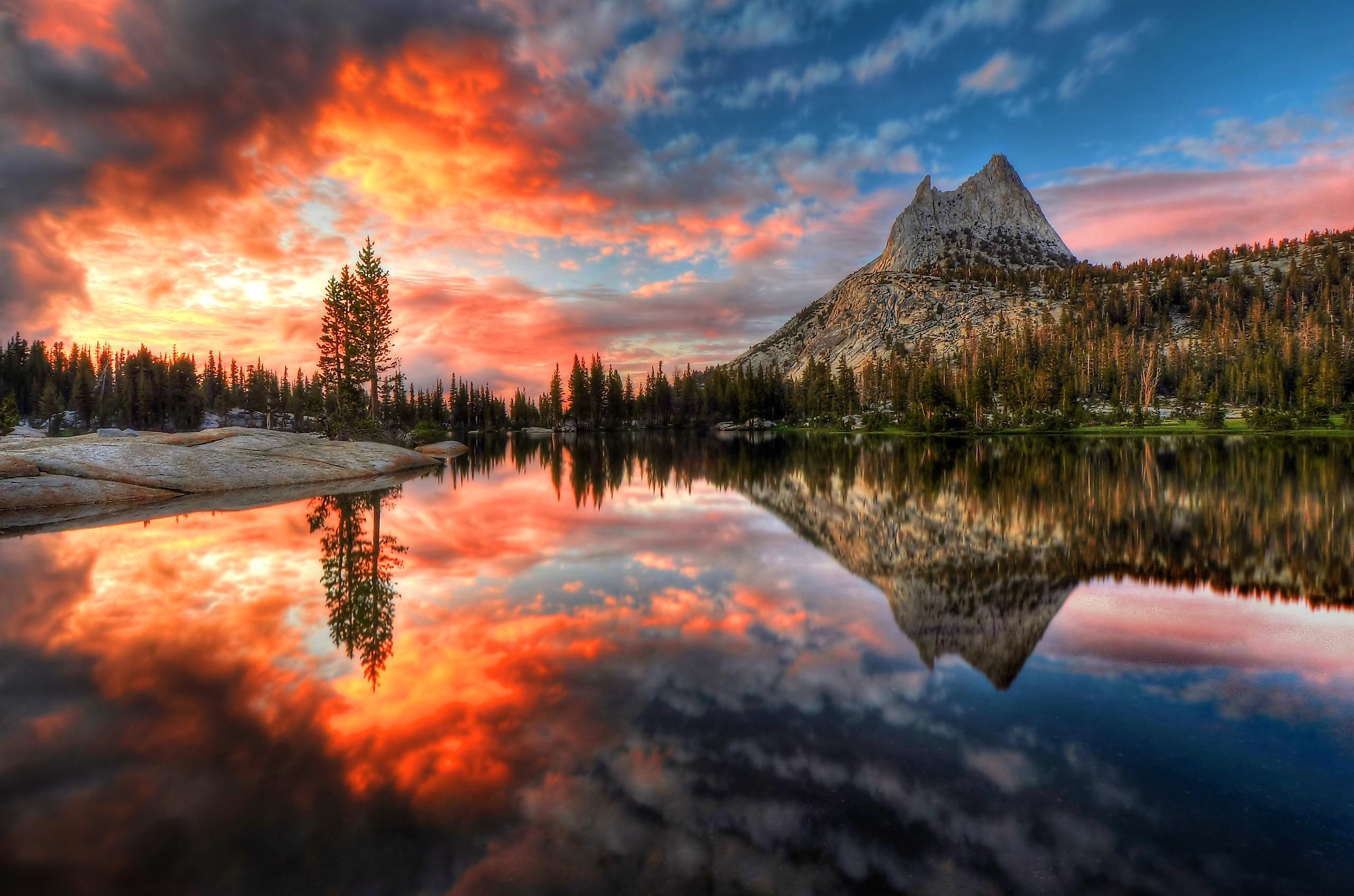
Yosemite National Park, California

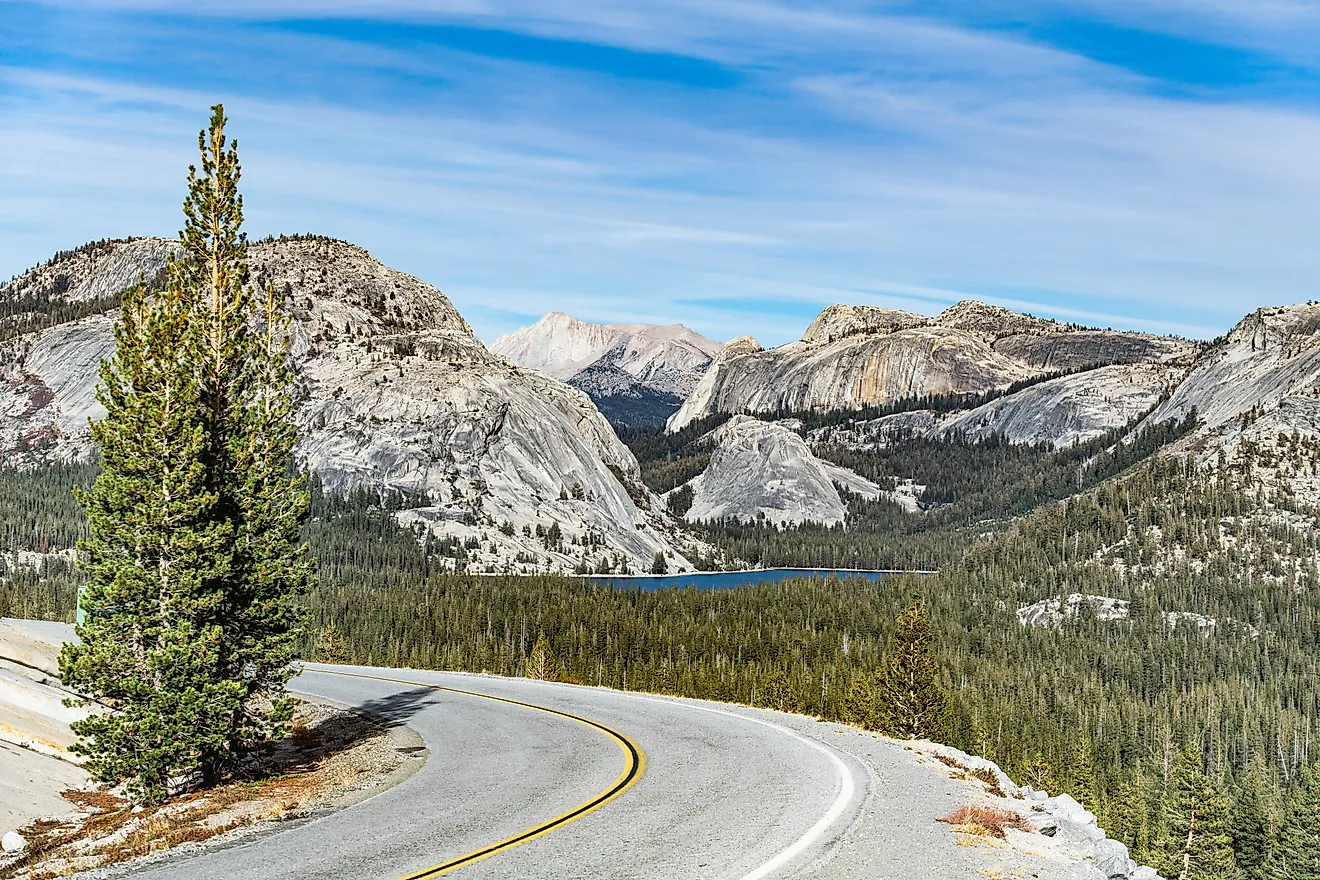
Yosemite is where hikers come to test themselves against granite. The park's calling card is the Mist Trail, which climbs about 1,000 feet up a staircase of more than 600 stone steps to the top of Vernal Fall, close enough to the cascade to leave you drenched in spring. Keep going and it tops out at 594-foot Nevada Fall, a seven-mile round trip. The truly bold chase a permit for Half Dome, a roughly 15-mile day that ends with a heart-in-throat scramble up the last 400 feet of bare rock, hauling yourself hand over hand between two steel cables. For something calmer, the trail beside Yosemite Falls climbs alongside the tallest waterfall in North America, high in the Sierra Nevada of California.
Mount Rainier National Park, Washington

Mount Rainier puts a 14,410-foot active volcano at the center of everything, the most glaciated peak in the Lower 48, and the hiking is built around it. From the wildflower meadows at Paradise, the Skyline Trail loops about 5.5 miles and gains some 1,700 feet past Myrtle Falls to Panorama Point, the icy summit filling the sky the whole way. Serious backpackers set their sights on the Wonderland Trail, a 93-mile circuit that rings the entire mountain and stacks up roughly 22,000 feet of climbing over 9 to 13 days. Short on time? The Naches Peak Loop covers just 3.3 miles of wildflowers and mountain reflections, proof that Washington's giant rewards even a quick walk.
Yellowstone National Park, Wyoming

The world's first national park, Yellowstone was established in 1872 and hides more than 1,000 miles of trails among its geysers and hot springs. This corner of Wyoming is the rare place where a day hike marches you right past erupting hydrothermal features. The short climb to the Grand Prismatic Overlook serves up the best view of the park's rainbow-ringed hot spring, while the switchbacks up Mount Washburn trade about six miles of effort for a summit panorama across the caldera. Other trails skirt Yellowstone Lake, the largest high-elevation lake in North America, its cold water wrapped in 141 miles of shoreline.
Rocky Mountain National Park, Colorado

If a state were built for hiking, it might be Colorado, and Rocky Mountain National Park is its showpiece, with more than 300 miles of trail threading pine forest, alpine lakes, and tundra above 11,000 feet. The Emerald Lake Trail is the crowd favorite, a 3.5-mile round trip that strings together Nymph, Dream, and Emerald Lakes beneath sawtooth peaks. Stronger legs aim for Sky Pond, a roughly nine-mile trek past Alberta Falls that finishes with a scramble up a waterfall. Presiding over all of it is Longs Peak, the park's lone 14,000-footer at 14,259 feet, whose Keyhole Route is a full-day, nerve-testing climb for experienced hikers only.
Arches National Park, Utah

Arches packs the world's densest concentration of natural stone arches, more than 2,000 of them, into a red-rock stretch of Utah near the Colorado River, and the only way to reach the best of them is to walk. The three-mile round trip to Delicate Arch, the freestanding span on Utah's license plate, climbs open slickrock with no shade and pays off at a natural bowl that frames the arch against the La Sal Mountains. At the park's north end, the Devils Garden Trail leads to Landscape Arch, a ribbon of rock stretching 306 feet, one of the longest natural spans on Earth. Balanced boulders and towering fins line the route the whole way.
Acadia National Park, Maine

Acadia proves a hike does not need big elevation to get your pulse up. On Maine's rocky Atlantic coast, the park's short trails punch far above their length. The Precipice and Beehive routes bolt iron rungs and ladders straight up exposed granite cliffs, and neither is for anyone uneasy with heights. For a calmer outing, the flat loop around Jordan Pond circles clear water beneath two rounded hills, and the Ocean Path traces the shoreline past Thunder Hole and Sand Beach. Save energy for the trail up Cadillac Mountain, the highest point on the US Atlantic coast at 1,530 feet, where the country greets some of its earliest sunrises.
Hawaii Volcanoes National Park, Hawaii

No park hikes quite like Hawaii Volcanoes. Home to Kilauea and Mauna Loa, two of the most active volcanoes on Earth, this UNESCO World Heritage Site in Hawaii sends trails through rainforest, across old lava flows, and even into a crater. The standout is the Kilauea Iki Trail, a four-mile loop that drops through jungle and then crosses the crusted-over floor of a crater that was a churning lava lake in 1959, steam still curling up from the cracks. Longer routes strike out along the Chain of Craters Road and deep into the backcountry toward Mauna Loa's distant summit.
Seven parks, seven completely different ways to spend a day on your feet: waterfall staircases, volcanic craters, slickrock deserts, and glacier-fed alpine lakes. The common thread is simple. The best of each one is something you have to walk to. Pick a trail that matches your legs, check the conditions before you set out, and let the park do the rest.