This Georgia Scenic Byway Is The Road Trip Of A Lifetime
Georgia's Meriwether-Pike Scenic Byway loops for 55 miles through the communities of Warm Springs, Gay, Molena, Woodbury, and Manchester, following the same backroads that Franklin Roosevelt drove for two decades of polio treatment. The route's centerpiece is the Little White House, the cottage where Roosevelt died in 1945. Along with its covered bridges, Flint River fishing spots, and scenic overlooks, here's what to expect on this fun Georgia road trip.
A Byway Built For a President

The Georgia Department of Transportation approved the Meriwether-Pike Scenic Byway in 2005. One of 17 corridors in the state's scenic byways program, the loop covers 55 miles through Meriwether County and a corner of neighboring Pike County, following SR 85 north from Warm Springs to Gay, west on the SR 109 spur, and then east along Flat Shoals Road across the Flint River. From here, it heads southwest on SR 18 to Molena, then back through Woodbury and Manchester, and up SR 190 along the Pine Mountain ridge.
While you can join the loop at any point, the Warm Springs Welcome Center is the logical place to start. It is a recreation of the original Bullochville train depot that Roosevelt first saw in 1924. Here, you can load up with brochures and ideas from friendly folks on how to make the most of your driving adventure.
The community's connection to the 32nd President runs deep. Roosevelt heard of its spring water and believed it might ease the paralysis he'd contracted from polio three years earlier. The community adopted the name Warm Springs in 1924, around the time Roosevelt made his first visit, and it soon became closely associated with him. He began buying land in 1926, eventually owning more than 1,200 acres. He also founded the Georgia Warm Springs Foundation in 1927 to treat other polio patients, and for the next 21 years, this corner of Georgia's Piedmont served as his second home.
The Little White House

Roosevelt built the cottage in 1932, while he was still governor of New York and campaigning for the presidency. It was to be the only home he ever owned. At Roosevelt's Little White House State Historic Site, the property stands just as he left it, down to the chair by the fireplace where he was sitting on April 12, 1945, when he suffered a stroke. At the time, he was posing for artist Elizabeth Shoumatoff, who never completed the portrait.
You can still see the Unfinished Portrait hanging in the site's museum beside a second version she painted later from memory. The museum also has his 1938 Ford convertible, specially fitted with hand controls so he could drive himself about, along with his cane collection and a 1930s radio playing his famous Fireside Chats. Admission includes the house, the museum, and the nearby Historic Pools complex, where the water's still a steady 88 degrees as it feeds the treatment pools.
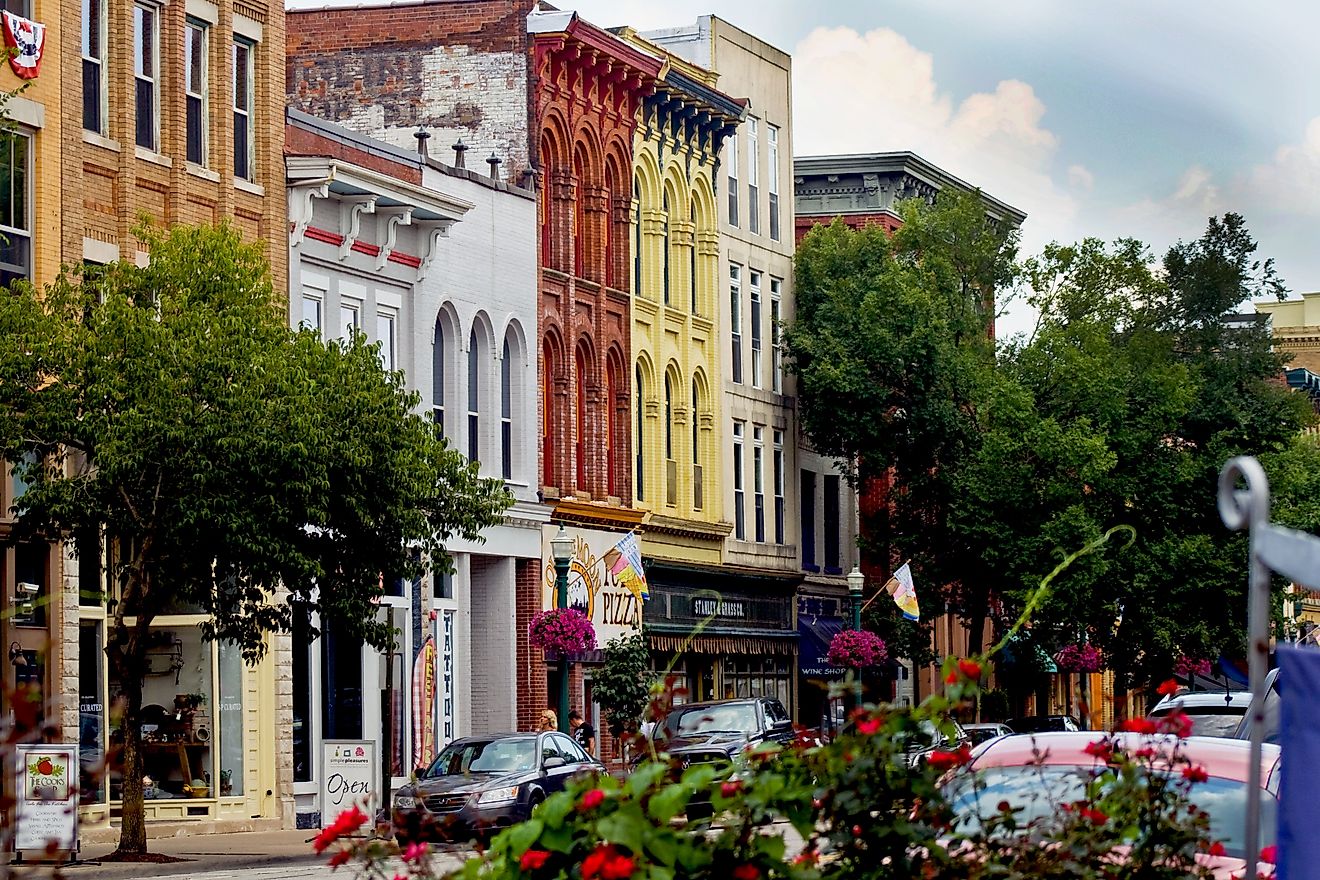
Downtown, Bulloch House is the route's best lunch stop, famous for its fried green tomatoes and caramel cake. Next door is the Fireflies Gift Boutique, set behind one of Bullochville's original storefronts. The nearby Lightnin' Bugs Bakery and Cafe is another great place to stop for refreshments.
The Pine Mountain Ridge

West of town, the SR 190 climbs onto the Pine Mountain ridge and into F.D. Roosevelt State Park, the largest state park in Georgia. Built by the Civilian Conservation Corps (CCC), one of the New Deal work programs Roosevelt created, the original stone cottages, arched bridges, and the Liberty Bell Pool, a spring-fed swimming pool shaped like a bell, remain much as they were at the time.
Turn off at King's Gap for Dowdell's Knob, an overlook set at 1,395 feet. Roosevelt often parked and picnicked here, and the original barbecue pit he used is still there. Look for the life-size bronze statue of the president. He's seated on the removable car seat he used to transfer in and out of vehicles, leg braces and all.
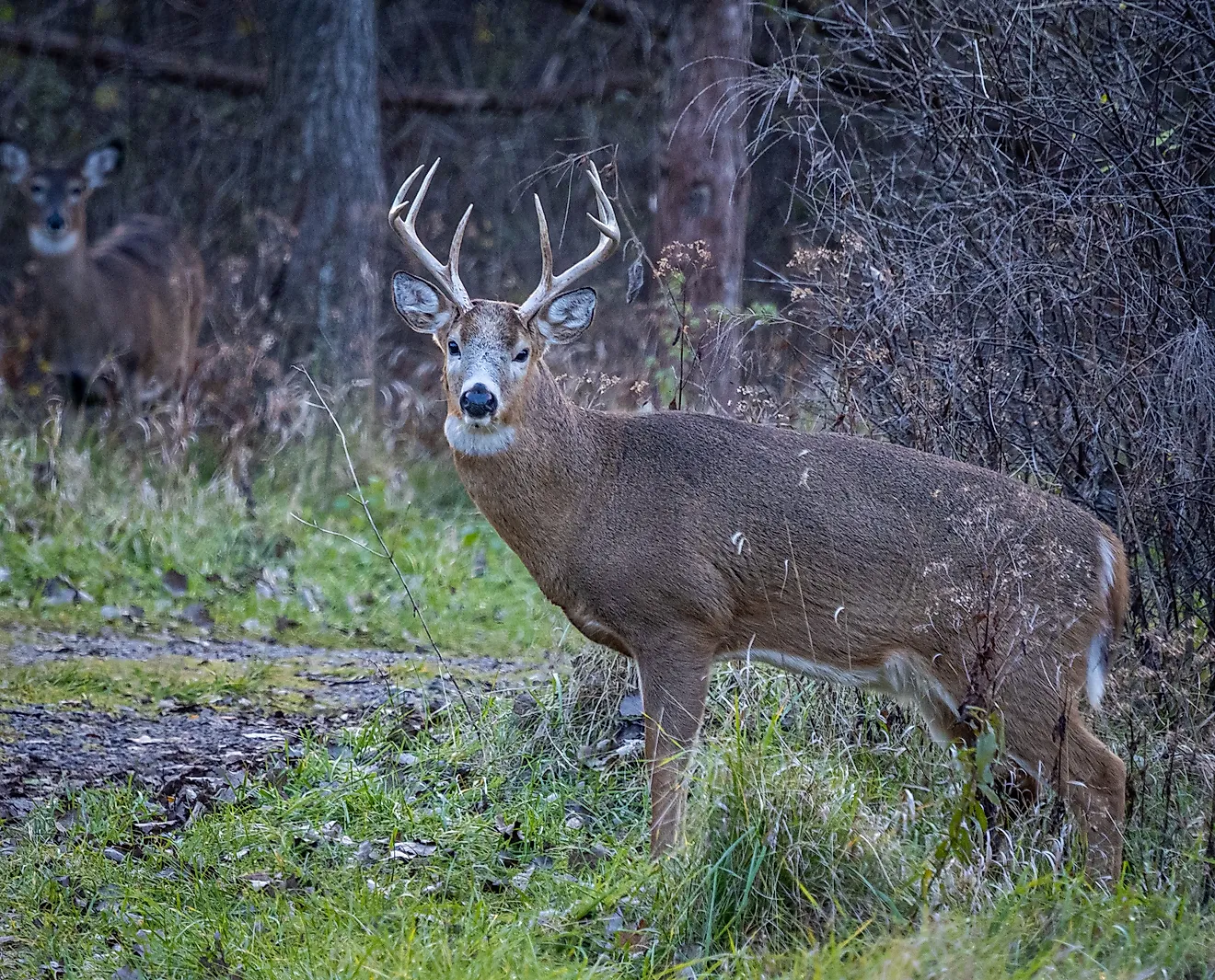
If you've got the time and energy, the Pine Mountain Trail runs through the park and stretches for 23 scenic miles past rock outcrops and small waterfalls. If you can't tackle it all, the 4.3-mile Dowdell's Knob Loop provides a taster. Also worth seeing are the man-made Lake Delanor and Lake Franklin, both dug by the CCC, covering 15 and 25 acres, respectively.
North to Red Oak Creek Covered Bridge

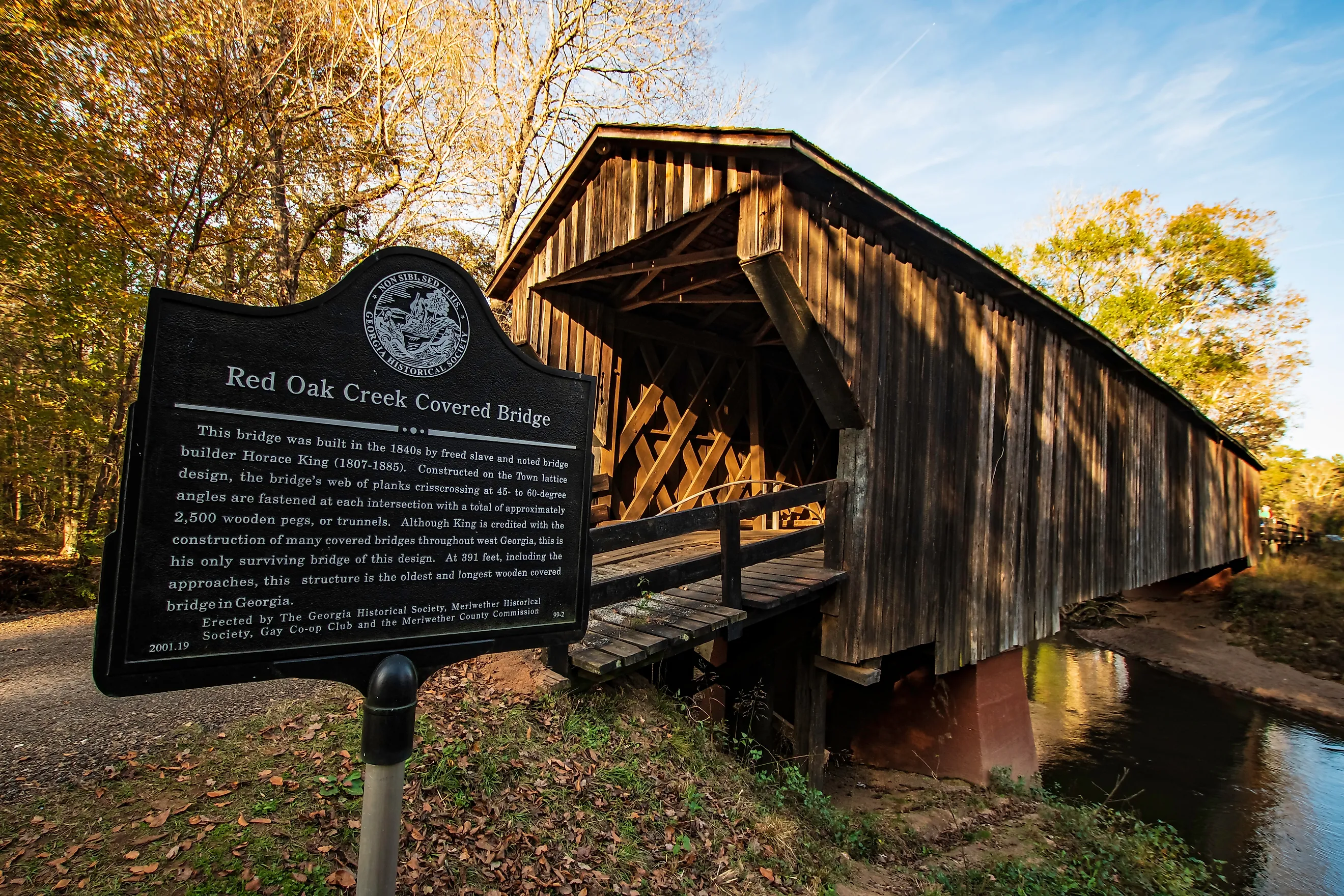
Driving north on SR 85, you'll come to Imlac, so keep an eye out for the exit to the Red Oak Creek Covered Bridge. Built in the 1840s by Horace King, a former slave who became the Deep South's leading bridge builder. Constructed of crisscrossed planks pinned at every intersection with an impressive 2,500 wooden pegs, it stretches 391 feet and is the longest and oldest wooden covered bridge in the state.
A few miles on, the small community of Gay evolved around a single store and post office that opened in 1882, then expanded when the railroad arrived in 1907. The town's old cotton gin and peach packing complex is now the fairgrounds for The Cotton Fair, an arts, antiques, and crafts festival held on the first weekends of May and October. Vendors set up across the original farm buildings, with regional bands on stage and Southern cooking on offer.
Crossing the Flint at Flat Shoals

The route turns west, passing Oakland Baptist Church on the way to Jones Mill. Keep an eye out for the grist mill and its pond on Red Oak Creek; they're all that remains of the old farming community that once thrived here. The loop returns to Gay before heading east on Flat Shoals Road.
The road crosses the Flint River at Flat Shoals, where the river spreads wide and slow over flat rock outcrops that stretch up to 200 feet across. The shoal here forms a natural footbridge and was a favorite spot for Roosevelt, who fished this stretch for shoal bass, a native sport fish. If you're coming with a canoe or kayak in tow, Flat Shoals ranks among the most notable sections of the Flint River Water Trail.
The Cove to Manchester

Across the river, SR 18 runs southwest into Molena. It's worth a slowdown for its red brick storefronts and old wooden "calaboose," or lockup. From here, you cross the Flint a second time and pick up Cove Road into a pocket of steep grades and tight turns that interrupt an otherwise gentle drive. Locals like to think that Roosevelt himself allegedly took the route... for the bootleg whiskey.
Cove Road takes you back to SR 85 south of Woodbury, passing Flint Farms, a property on top of Betts Mountain that has grown peaches, raised cattle, and red deer since the early 1900s.
The last stretch runs into Manchester, a town the Atlanta, Birmingham, and Atlantic Railroad laid out in 1909 and named after Manchester, England. Three rail lines still meet here, and a covered observation deck behind the Main Street shops overlooks them. It's fun, with more than 40 trains passing through a day.
Roosevelt's Favorite Drive
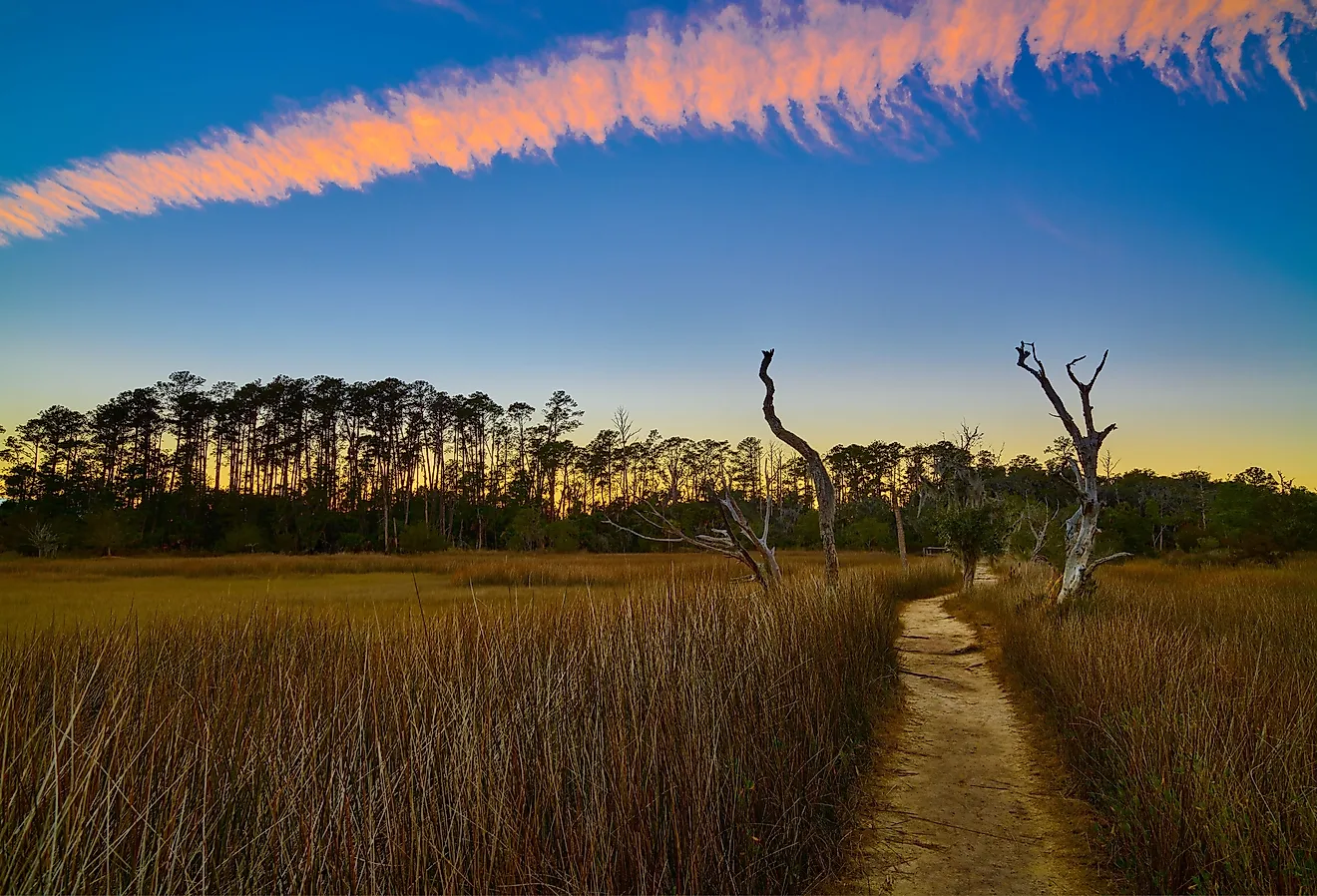
While two or three hours of driving can get you around the entire loop, a full day allows for stops at the Little White House, Dowdell's Knob, and the covered bridge, with time for lunch in between. Better still, two days let you add the Pine Mountain Trail and a morning on the Flint River. Nothing on this route closes for the season, and spring dogwood and wildflowers add plenty of color. So, too, does the fall foliage, especially in F.D. Roosevelt State Park. Best of all, this 55-mile stretch of Piedmont scenery is only an hour from Atlanta, making it a must-do Georgia road trip.