5 Tick Infested Areas In The Pacific Northwest
A good hike in the Pacific Northwest often crosses ground that ticks favor just as much as people do. In the brushy oak woodland of southern Oregon, western blacklegged ticks wait along trail margins for a passing host. Out on the open grasslands of eastern Washington, wood ticks turn up in numbers that surprise first-time visitors. Even the San Juan Islands, better known for rocky shorelines and whale watching, sit in tick country according to local surveillance. The five areas below share one trait: the risk lines up with an identifiable landscape rather than a vague county-level warning. Each one also rewards a visit for volcanic mesas, waterfall canyons, wildlife refuges, or island forests, so long as hikers pay closer attention where trails push through tall grass, shrubs, and dense understory.
Rogue River-Siskiyou National Forest, Oregon

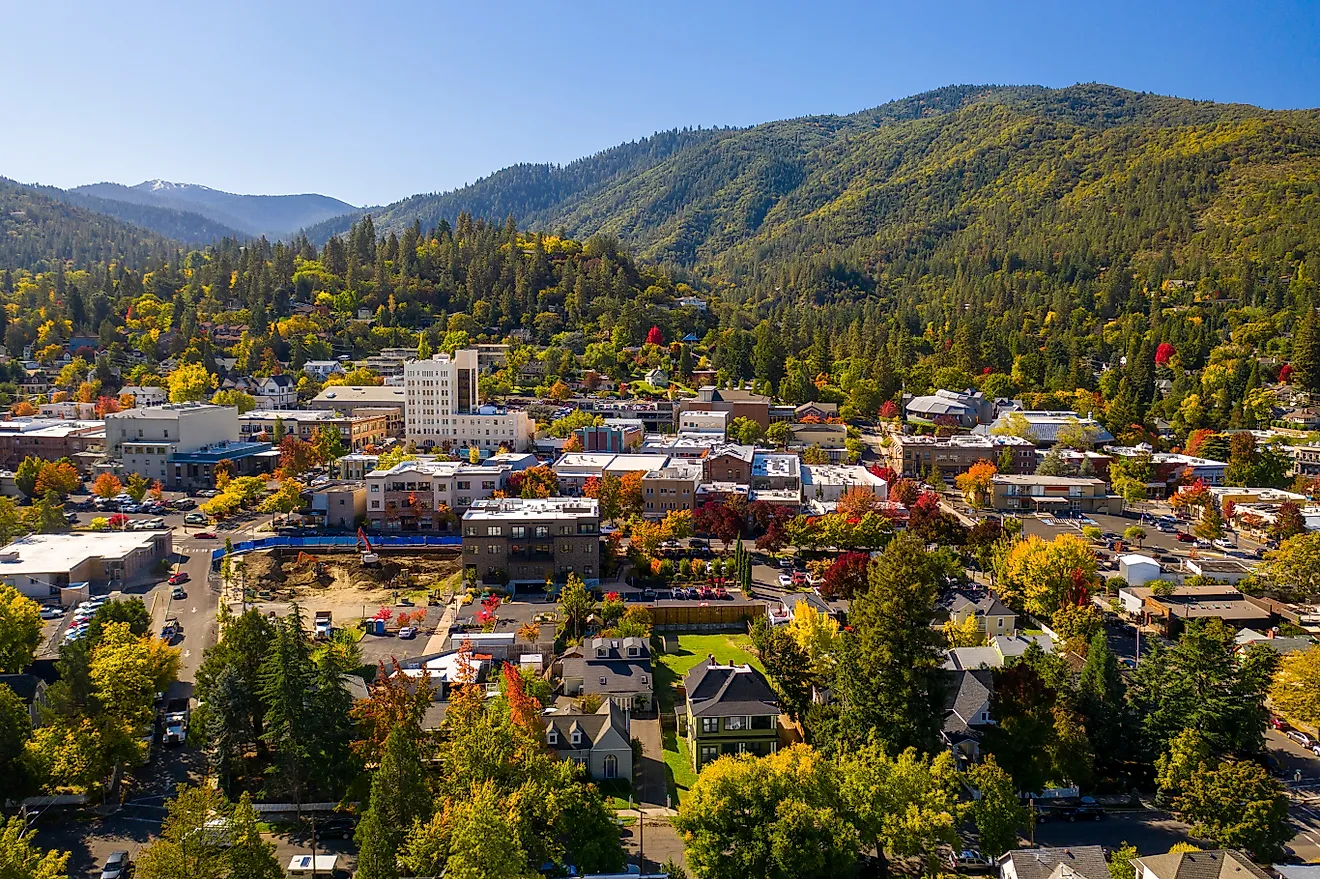
Southwestern Oregon holds some of the strongest tick credentials in the Pacific Northwest, and Rogue River-Siskiyou National Forest sits at the center of it. Western blacklegged ticks are well established in this part of the state. The forest's oak woodland, chaparral, river canyons, and brushy trail margins all offer the low, waiting perches these ticks use to reach a passing host. Hikers who brush through low vegetation or follow forest edges are most likely to pick one up, especially in the warmer months.
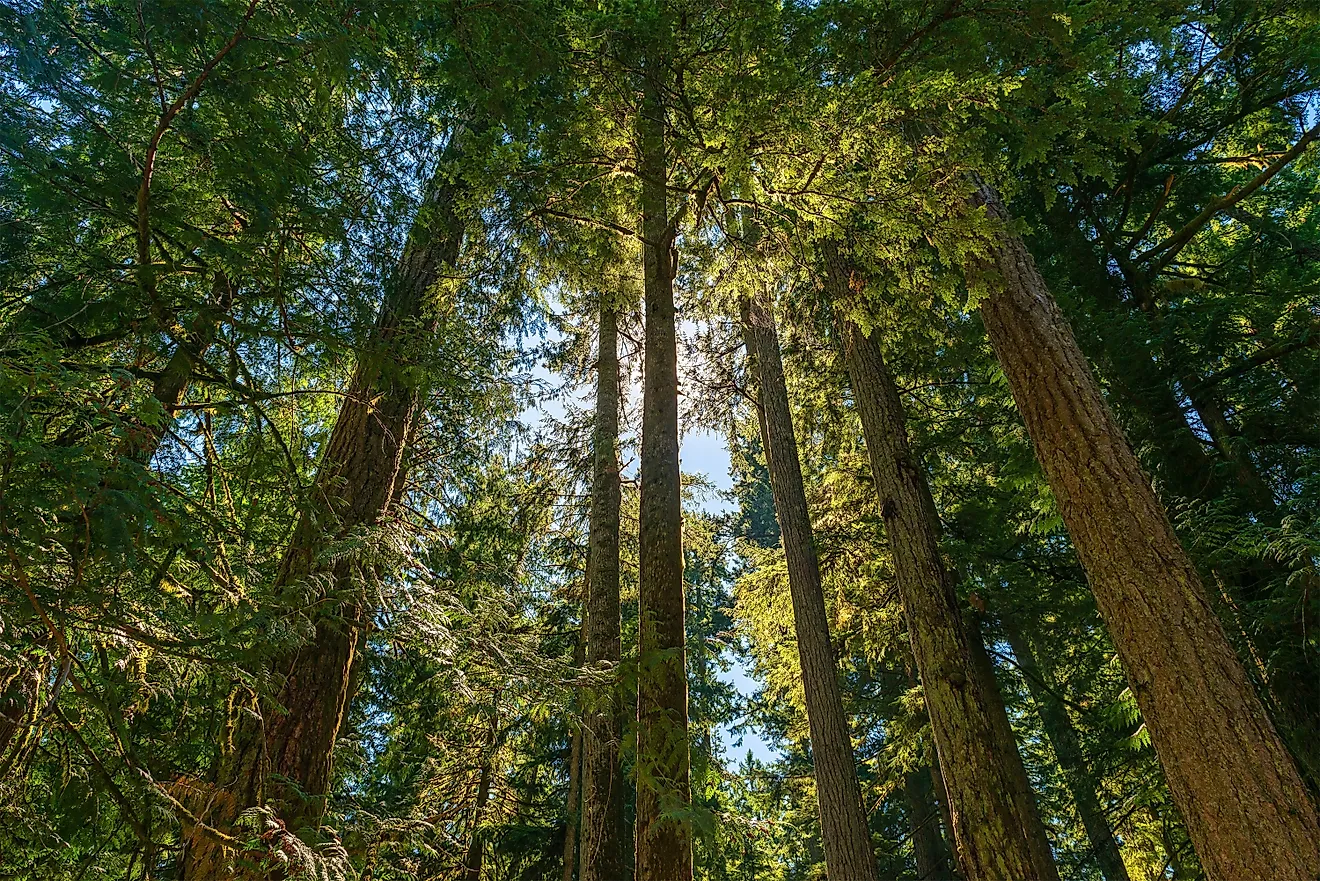
The setting still pulls people in. Trails follow the Rogue River through steep canyon country, old-growth stands rise across the Siskiyou Mountains, and swimming holes sit below rocky bluffs. This is also the most floristically diverse national forest in the country, which is part of what makes the landscape so rewarding to walk. Long trousers, repellent, and a careful check after a hike all make sense here, particularly after routes that cut through chaparral or dense understory.
Upper And Lower Table Rocks, Oregon

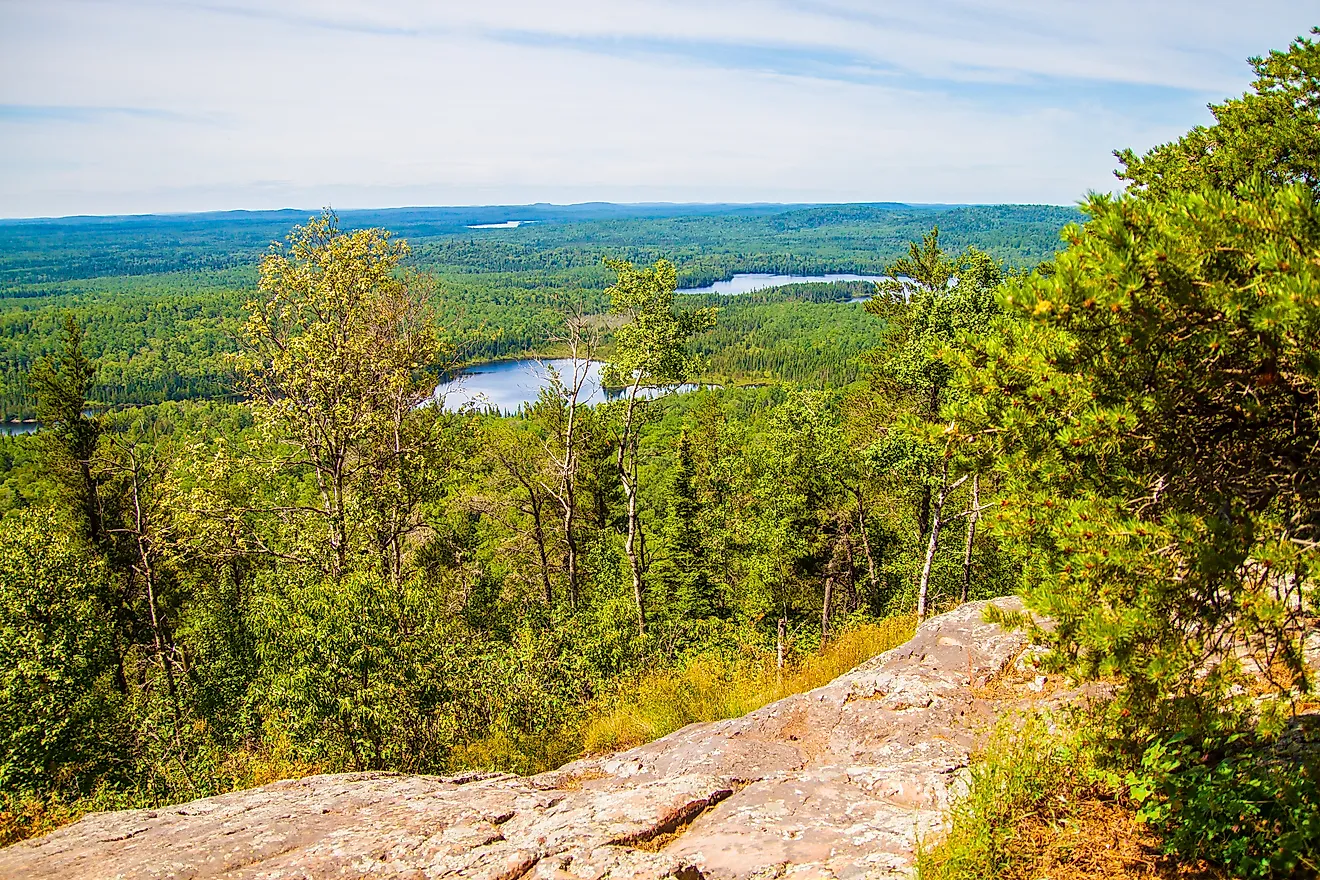
Upper and Lower Table Rocks count among southern Oregon's most distinctive hiking landmarks, two broad volcanic mesas that stand roughly 800 feet above the Rogue Valley. Their appeal to ticks comes from the mix of oak savanna, chaparral, grassland, and mixed woodland packed into a small area. Western blacklegged ticks occur throughout this region, and the low shrubs and grassy margins beside the trails are the vegetation they use to reach people and animals. Spring is the most colorful season, when wildflowers open across the slopes and seasonal vernal pools fill on the flat summits. Deer are common around the rocks, another important host in the local food web. The climb pays off with wide views over the Rogue Valley and toward distant ridges, though the brushiest stretches deserve attention on the way down. Staying on the main trail and checking clothing afterward is worth the trouble during peak tick season.
Turnbull National Wildlife Refuge, Washington

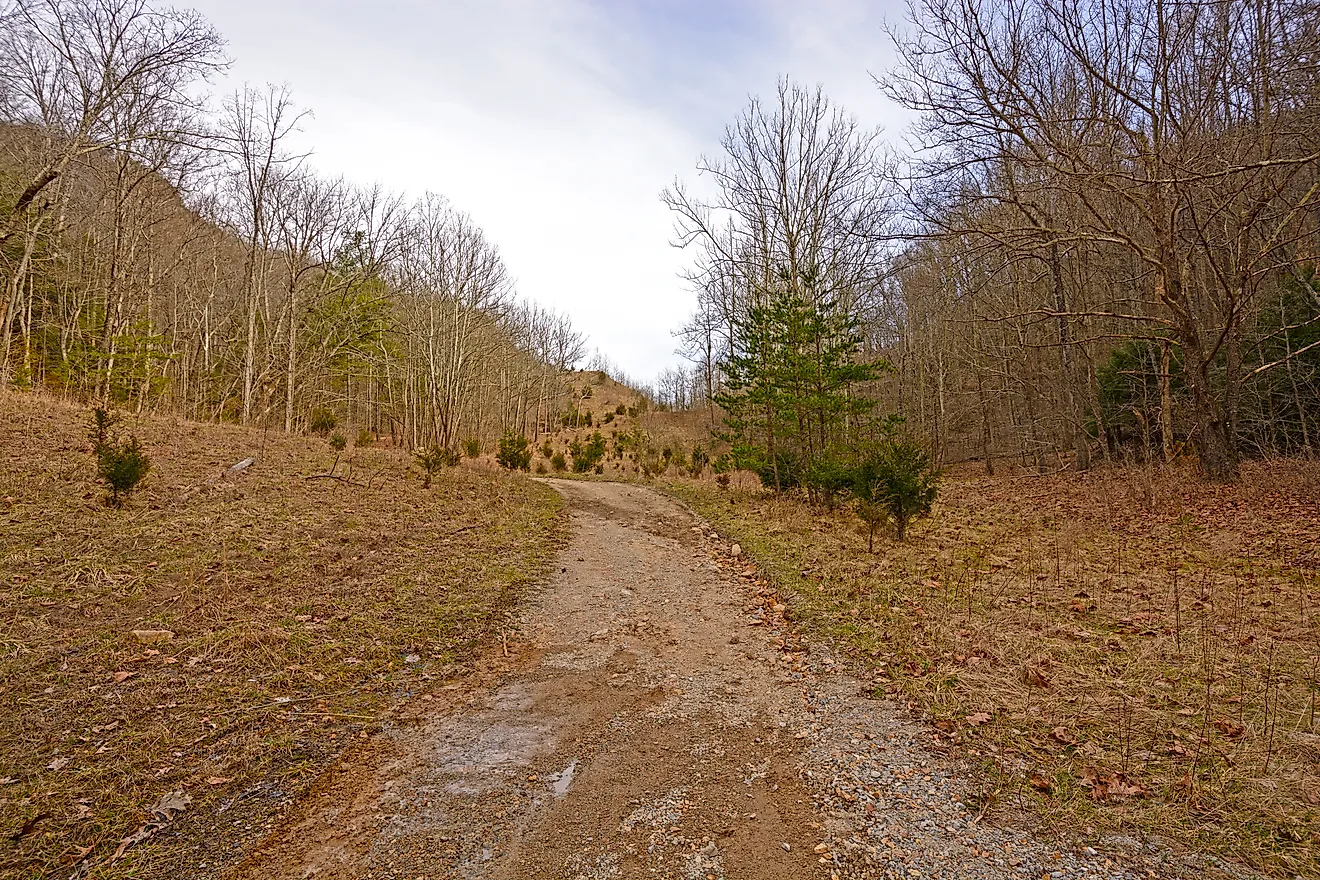
Turnbull National Wildlife Refuge stands apart because its tick problem rests on documentation rather than assumption. The U.S. Fish and Wildlife Service warns visitors about an extraordinarily abundant wood tick population, worst in spring and summer, and refuge staff have recorded high densities along the trails. The open grasslands and shrubby ground around the wetlands suit Rocky Mountain wood ticks and their relatives well.
That warning sits inside one of eastern Washington's most enjoyable wildlife destinations. More than 23,000 acres of wetlands, ponderosa pine forest, and Channeled Scablands support redhead ducks, elk, coyotes, and migrating birds. The 30 Acre Lake Trail ranks among the best-known walking routes, and a seasonal auto tour lets visitors cover ground without spending the whole day on foot. Anyone who steps into grassy trail margins should use repellent and keep clothing covered, especially where the vegetation stands high.
Columbia River Gorge National Scenic Area, Oregon-Washington
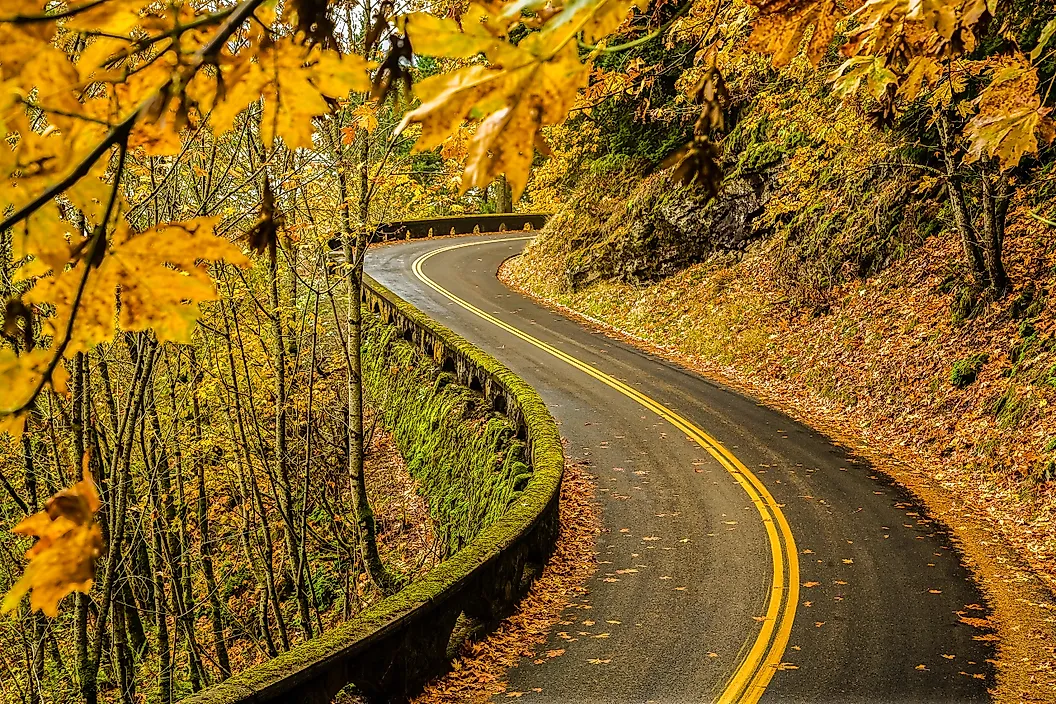
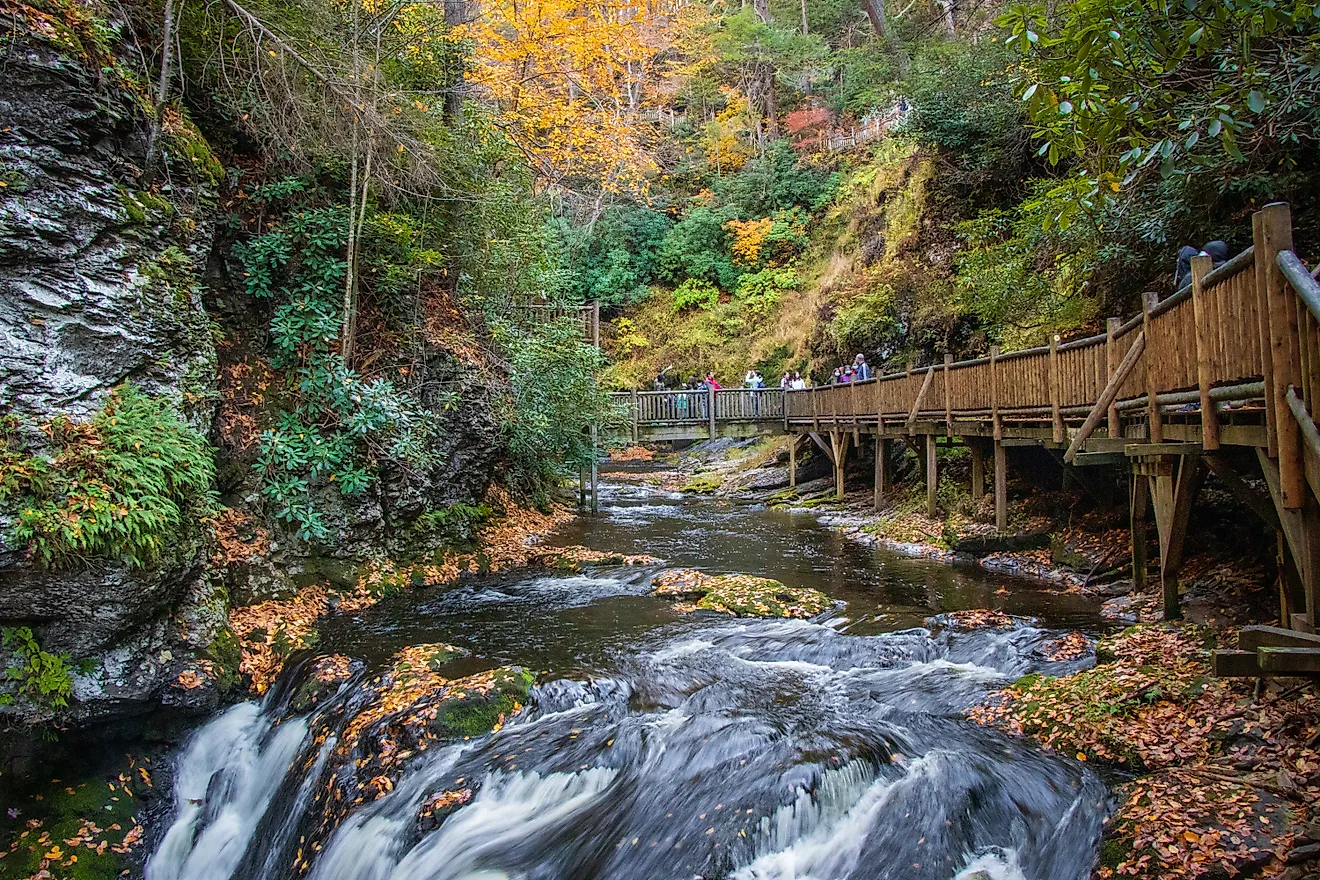
The character of the Columbia River Gorge is not uniform along its length, and neither is the tick habitat in it. Near the wetter western end, trails cut through mossy forest and fern-covered slopes. Farther east, oak woodland, grassland, and dry brush are more common. Western blacklegged ticks occur along the Columbia at lower elevations, while the sunnier, brushier terrain of the eastern Gorge suits them especially well along trail edges and open slopes. That same variety puts the Gorge among the Northwest's best day-trip regions. Latourell Falls drops beside a short forest walk, Wahclella Falls sits inside a narrow basalt canyon, and spring wildflowers open across the exposed hills above the river. A single outing can carry a hiker out of damp forest and into knee-high grass, so covered legs and a post-hike clothing check make sense on any route where vegetation crowds the path.
San Juan Islands, Washington

Ticks are an unexpected part of the San Juan Islands story. Local surveillance has collected them across the ferry-connected archipelago, and in one multi-island study Orcas Island and San Juan Island produced the largest shares of specimens. Behind the postcard image of rocky shores, the islands hold a patchwork of dry woodland, meadow, shrubs, rocky outcrops, and coastal grassland that gives ticks far more footholds than a visitor might expect.
Orcas Island offers the most obvious hiking draw. Moran State Park has forest trails, lakes, and the climb to Mount Constitution, while San Juan Island adds open prairie at American Camp and coastal walking near Lime Kiln Point. Those different landscapes also mean exposure can change sharply within a short distance. Brushy paths and tall grass deserve the most attention, particularly in warmer weather. Covered shoes and a check of socks, trouser cuffs, and legs after a hike are a simple precaution before the ride back to the ferry or into town.
Sharing The Trail With Ticks
What links these five places is not danger so much as overlap. The features worth the walk in each place, the oak savanna on the Table Rocks, the wetland edges at Turnbull, the dry brush of the eastern Gorge, are the same ground where ticks wait. None of it is reason to stay home. A hike through any of them still pays off in canyon rivers, volcanic summits, refuge wildlife, and island forest. The sensible response is the same across all five: cover the legs, carry repellent, stick to the main trail where the brush closes in, and run a careful check before heading back. Do that, and the ticks become a detail of the landscape rather than the reason to skip it.