5 Tick Infested Areas In Tasmania
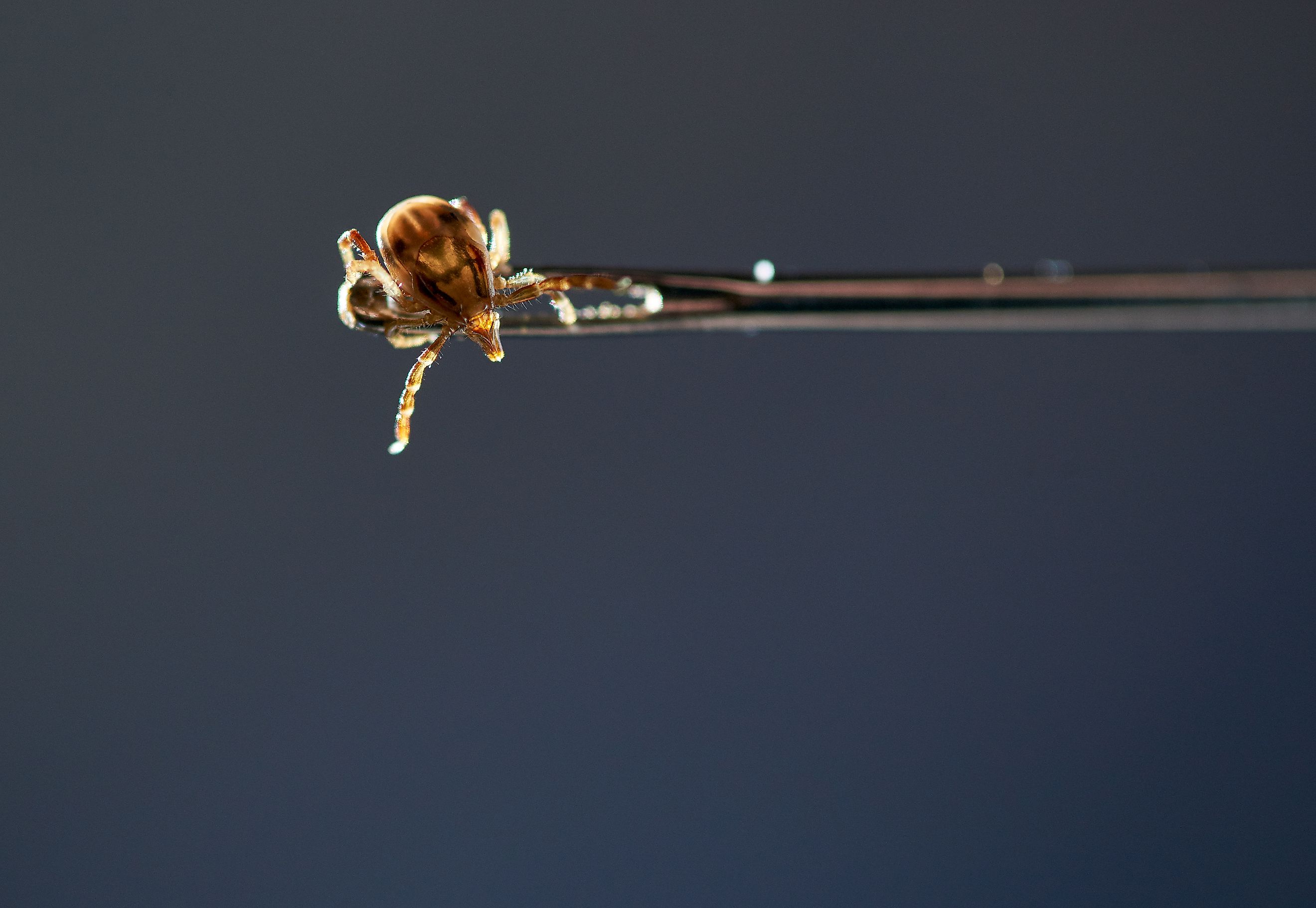
Ticks may be the real Tasmanian devils, with noticeable populations along the island's northern and eastern sides, where moist vegetation, wildlife habitat, and relatively mild coastal conditions give ticks suitable places to survive. The southern paralysis tick (Ixodes cornuatus) is the state's most-documented paralysis-causing tick, while the common marsupial tick (Ixodes tasmani) is also widespread.
Another species of particular concern is the southern reptile tick (Bothriocroton hydrosauri), which carries Rickettsia honei, the bacterium responsible for Flinders Island spotted fever. While tick-associated paralysis is another risk, particularly from I. cornuatus, Tasmania does not have evidence of locally acquired Lyme disease, and Flinders Island spotted fever is the clearest established tick-borne infection. Here are the five main areas in Tasmania with heavier tick populations.
Flinders Island

Flinders Island, in the Furneaux Group off Tasmania's northeastern coast, has the state's clearest concentration of documented tick-borne disease. The southern reptile tick (Bothriocroton hydrosauri) feeds primarily on reptiles, including lizards and snakes, but can also bite humans. The Australian Centre for Disease Control identifies it as the vector of Flinders Island spotted fever, caused by Rickettsia honei.
The island gave the disease its name after a doctor identified 26 cases of a spotted-fever-like illness there over 17 years. More recent surveillance reinforces the risk: 13 of Tasmania's 18 locally acquired rickettsial infections recorded between 2012 and 2017 were linked to Flinders Island. Bushland and other areas supporting reptiles therefore deserve particular attention, especially during spring and summer when Flinders Island spotted fever is most common.
Freycinet Peninsula And Great Oyster Bay

The Great Oyster Bay area on Tasmania's east coast is the strongest documented mainland focus for rickettsial disease. Surveillance from 2012 through 2017 identified three infections likely acquired around the bay, including cases at Swansea, Dolphin Sands and Coles Bay. An earlier confirmed case of Flinders Island spotted fever was also acquired on Schouten Island, immediately south of the Freycinet Peninsula.
The relevant vector is the southern reptile tick, which depends heavily on reptiles such as lizards and snakes. Rocky bushland, scrub and coastal vegetation that support those hosts can also support the tick. For residents around Freycinet and Great Oyster Bay, the specific documented disease concern is Flinders Island spotted fever. Tasmania's Department of Health has identified the east coast around Great Oyster Bay among the state's established areas of locally acquired rickettsial infection.
Tasmanian Midlands

The Midlands might appear less obvious than Tasmania's wetter coastal forests, but disease surveillance provides unusually strong evidence for including the region. Two confirmed rickettsial infections recorded between 2012 and 2017 were likely acquired there, one at Ross and another at Tunnack. Researchers described these as the first confirmed locally acquired cases documented in the Midlands.
The southern reptile tick is the known Australian vector of Rickettsia honei and uses reptiles as its principal hosts. Grassland, rocky ground, scrub and woodland throughout the Midlands provide habitat for native reptiles even without the dense rainforest associated with some other Tasmanian tick areas. Flinders Island spotted fever is therefore a documented concern well beyond Flinders Island and the east coast.
St. Helens And Tasmania's Northeast Coast

Tasmania's northeast coast is one of the strongest areas for the southern paralysis tick. Climate modelling has identified the state's northern and eastern coasts as particularly suitable for Ixodes cornuatus, and historical collections include numerous specimens from St. Helens and nearby communities such as Binalong Bay, Scamander and Pyengana. Records include ticks collected from dogs, cats, wildlife and humans.
The species feeds on a wide range of mammals and can cause tick paralysis in both people and animals. Native hosts in Tasmania include wombats, pademelons, bandicoots, possums and rodents. Bushland around St. Helens, Binalong Bay and the northeast coast therefore provides repeated opportunities for ticks to move between wildlife, pets and people.
Devonport and the Northwest Coast

The Devonport area has unusually good records of several Tasmanian tick species. Researchers collecting ticks from companion animals documented the southern paralysis tick (Ixodes cornuatus), Hirst's marsupial tick (Ixodes hirsti) and common marsupial tick (Ixodes tasmani) in Devonport. Common marsupial ticks were also collected from nearby East Devonport, Port Sorell, Sassafras and Lower Wilmot.
Northern Tasmania also falls within an area considered climatically suitable for the southern paralysis tick. Ixodes cornuatus is the species of greatest medical concern because its toxin can cause paralysis in humans and animals, while the other species demonstrate the variety of ticks circulating among wildlife and domestic animals in the region. Devonport is not established as a major human rickettsial-disease hotspot, so its inclusion rests on confirmed tick diversity and the documented presence of Tasmania's medically important paralysis tick.
Little Tasmanian Devils
For Tasmanians, the clearest tick-borne disease risk remains Flinders Island spotted fever, especially on Flinders Island, around Great Oyster Bay and in the Midlands. State surveillance found that 60% of locally acquired rickettsial infections from 2012 through 2017 occurred in November and December, although ticks can be encountered outside those months. Residents spending time in grassy, bushy or wooded areas should use repellent, cover exposed skin and check themselves after returning indoors. Anyone who develops fever, headache, rash or other unusual symptoms following a tick bite should tell their healthcare provider where the exposure occurred and consult current advice from Tasmania's Department of Health.