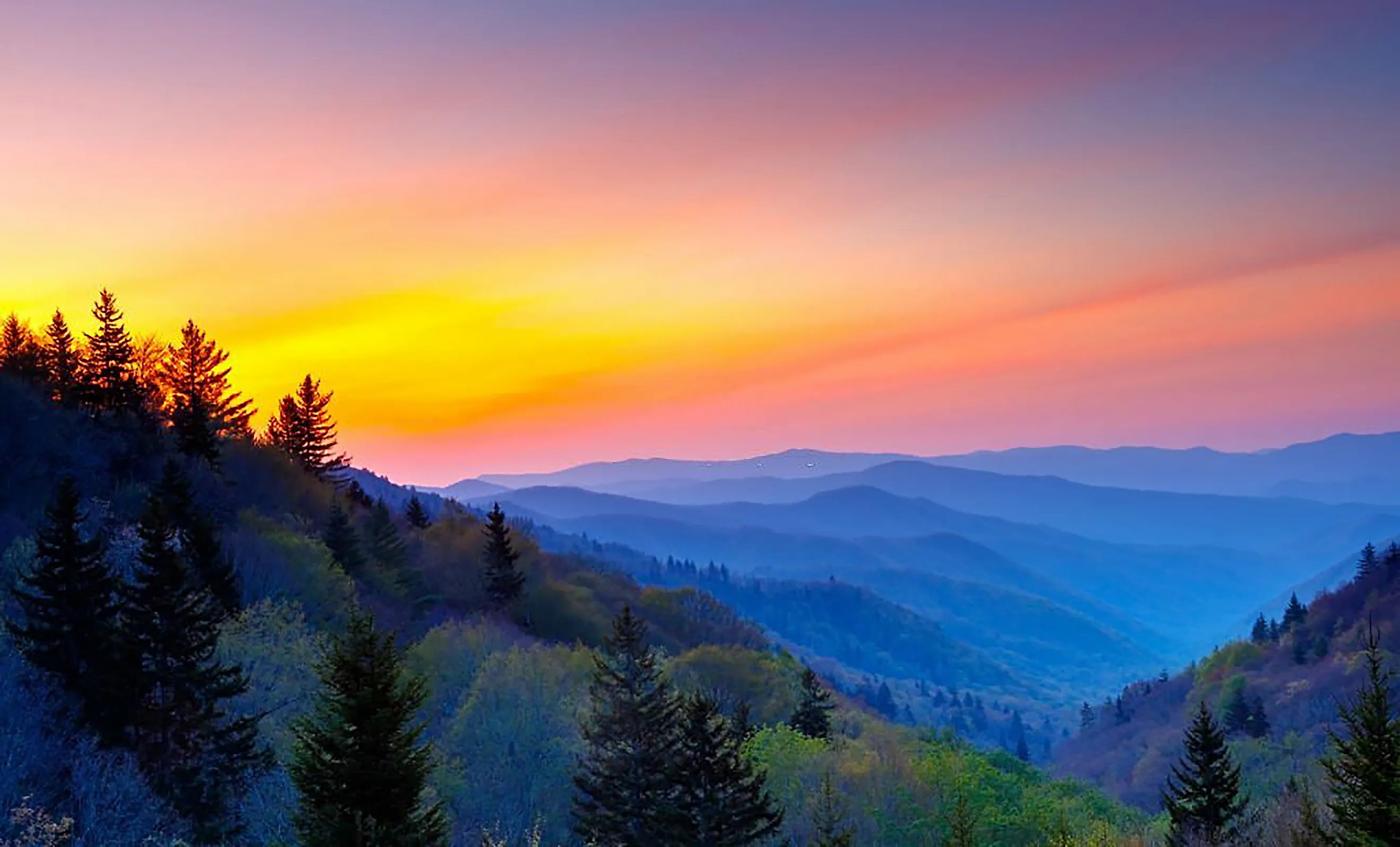
The National Parks You Can Visit For Free
The National Park Service charges an entrance fee at most of its marquee parks, but a good number of them let you walk in without paying a cent. That list includes the busiest park in the country, along with a cave in Kentucky, an icefield in Alaska, and a hardwood swamp in South Carolina. Fees still turn up for things like camping, parking, and cave tours, though the trails themselves stay free. A few parks go further and hand out free camping too. The eight below cost nothing at the gate.
Great Smoky Mountains National Park, North Carolina & Tennessee
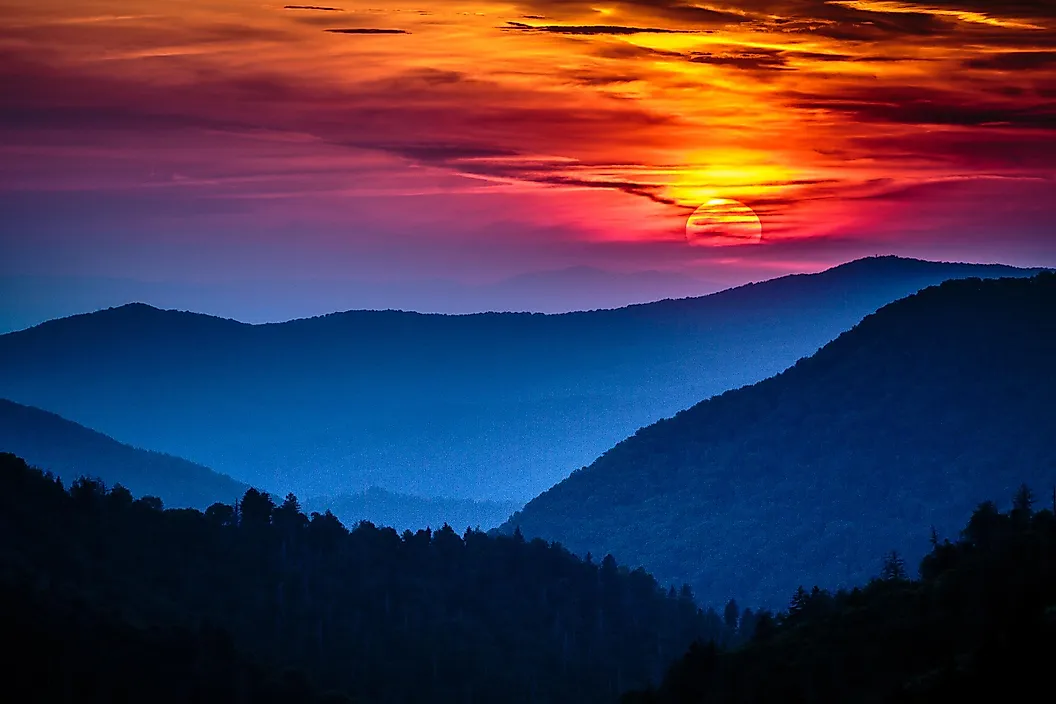
The Great Smoky Mountains draw more than 11 million visitors a year, which makes this the most-visited national park in the country, and it is also the only major national park with no entrance fee. The park protects more than 500,000 acres of forested ridges, streams, and waterfalls, plus over 200 bird species and a long list of mammals, fish, reptiles, and amphibians. Hikers get more than 800 miles of trails, including the 2.6-mile Laurel Falls Trail to an 80-foot waterfall. The Alum Cave Trail runs about 5.5 miles each way to the 6,593-foot summit of Mount LeConte, an 11-mile round trip through old-growth forest for anyone with the legs for it. Scenic drives are free to enter, but a vehicle parked longer than 15 minutes needs a paid parking tag, which is the one place the "free" park quietly asks for money. The 11-mile Cades Cove Loop Road is the most popular of the drives, passing waterfalls and historic sites, including the 1820s Oliver Cabin that early settlers built.
Cuyahoga Valley National Park, Ohio

Wedged into 33,000 acres between Cleveland and Akron, Cuyahoga Valley National Park costs nothing year-round and covers wooded hills, wetlands, ravines, and the Cuyahoga River itself. More than 125 miles of trails cross streams, log bridges, and sandstone formations. The Ledges Trail is one of the busier routes, threading past tall sandstone cliffs to an overlook above the forested valley. Waterfall hunters can walk the 1.5-mile trail to 60-foot Brandywine Falls, the tallest in the park. Red foxes, bald eagles, and white-tailed deer turn up along the trails often enough that patient hikers see them. Cyclists get the Ohio & Erie Canal Towpath Trail, a mostly crushed-limestone path that runs 20 miles through the park along the old canal route, passing wetlands and historic sites, on a corridor that once moved coal and grain by mule.
Congaree National Park, South Carolina

Congaree protects one of the largest tracts of old-growth bottomland hardwood forest left in the southeastern United States, and it is one of the few national parks on the East Coast. Admission is free, parking is free, and the gates stay open all year. More than 25 miles of trails cover the ground, starting with the 2.5-mile Boardwalk Loop Trail, which keeps hikers above the floodplain so the fragile forest stays undisturbed. The 4.5-mile Weston Lake Loop Trail runs longer, winding through swamp and old-growth stands along Weston Lake and Cedar Creek, where hawks, ducks, deer, and wild hogs show up. The bald cypresses here rank among the tallest trees in the eastern US. Camping is available for a fee at the front-country sites, though backcountry camping stays free with a no-cost permit.
Kenai Fjords National Park, Alaska

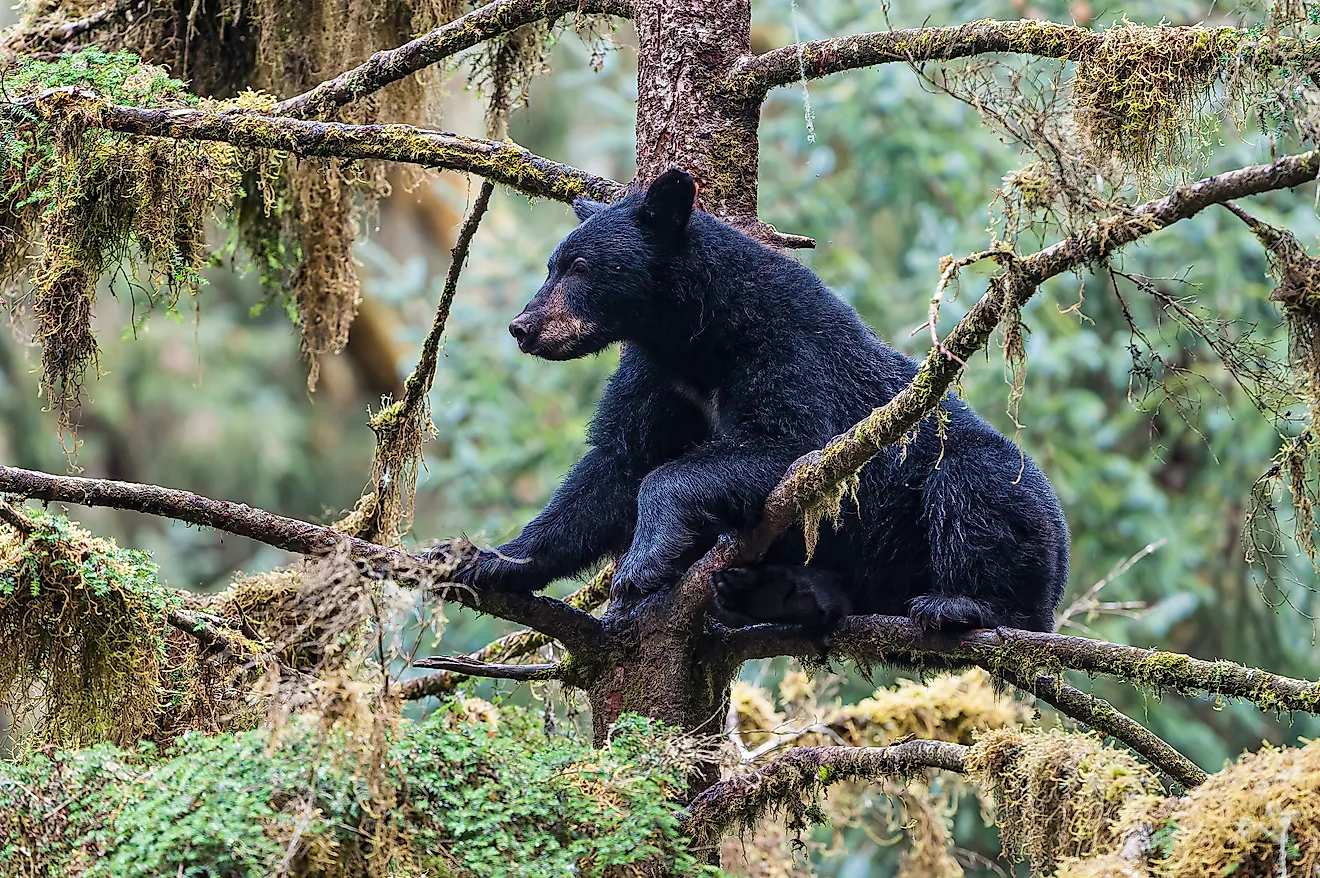
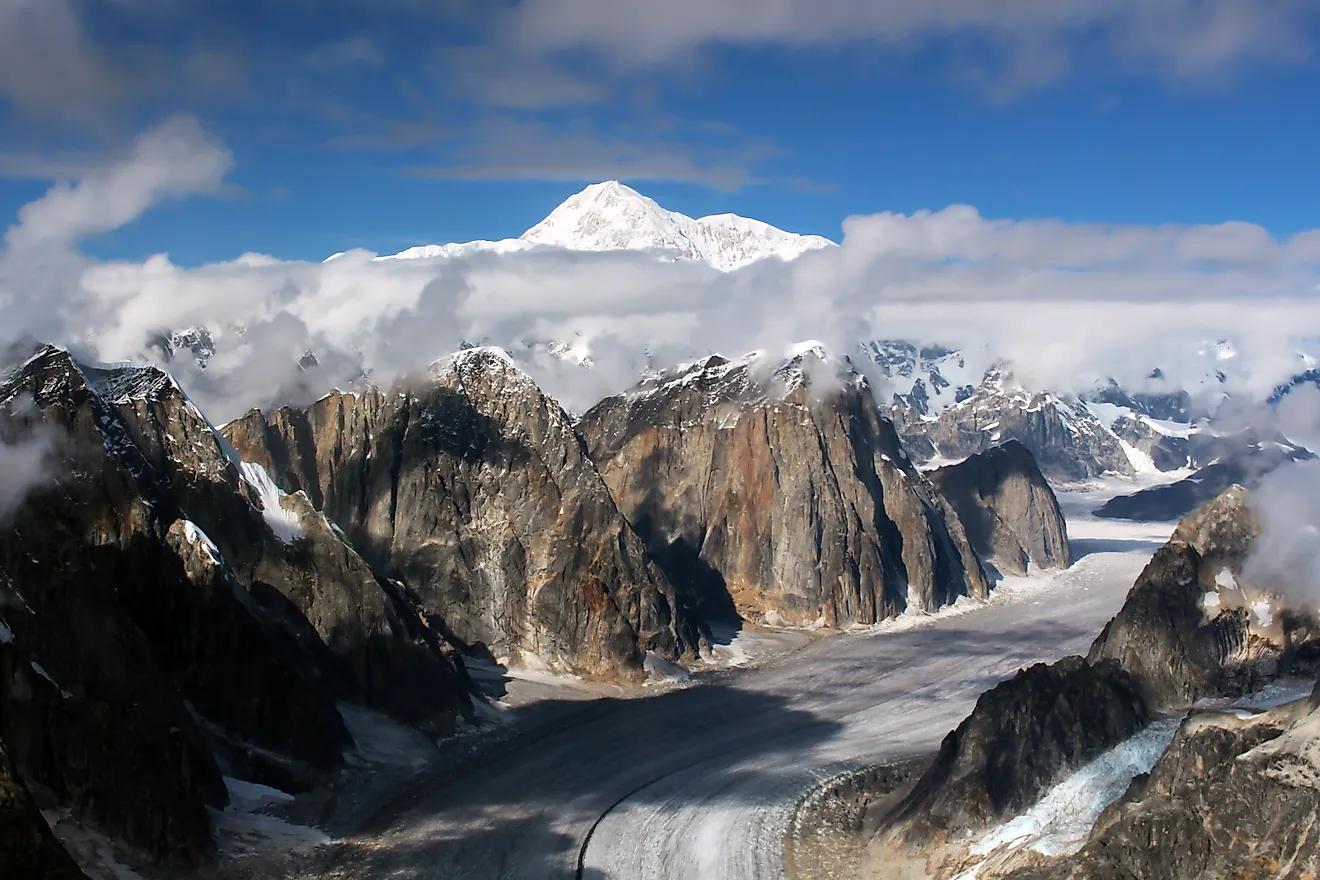
The Harding Icefield covers about 700 square miles, which makes it the largest icefield contained entirely within the United States, and it feeds dozens of glaciers that spill out of the Kenai Mountains. Reaching Kenai Fjords National Park costs nothing. The 8-mile round-trip Harding Icefield Trail climbs to a view over the icefield through cottonwood and alder forest, a strenuous walk that gains more than 3,000 feet. That trail sits in the Exit Glacier Area, the only part of the park a road reaches, so the rest of it belongs to boats and kayaks. Mountain goats, black bears, bald eagles, orcas, and humpback whales live in and around the park. The animals are free to see; the boat and kayak tours that get you close to them are not.
Hot Springs National Park, Arkansas

Bathhouse Row runs right through downtown, which is the odd thing about Hot Springs National Park: it is 5,500 acres of Ouachita Mountains and forest wrapped around an actual Arkansas city. The bathhouses standing along the row date to the years between 1892 and 1923, when people came for the thermal water and the health claims that went with it. You can still take the waters, at the Buckstaff Bathhouse from 1912 or the Quapaw Bathhouse with its thermal pools and steam cave, though the soak and the spa services carry a charge. Hikers get more than 25 miles of trails through the forest to ridgeline overlooks. The Goat Rock Trail climbs a steep 2.6 miles past rock formations to a view of the surrounding mountains. Campsites with water and electric hookups run for a fee.
Mammoth Cave National Park, Kentucky

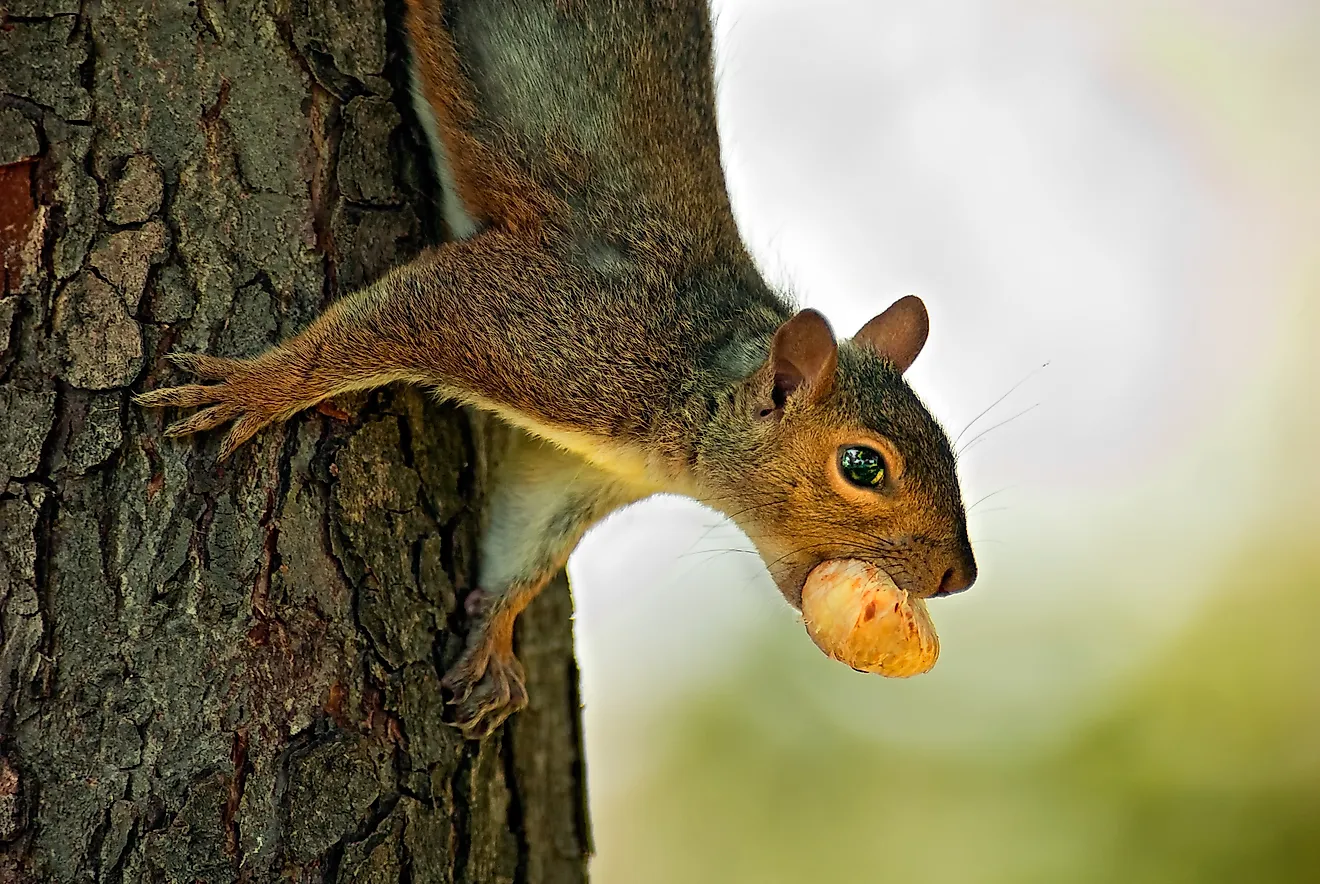
Surveyors have mapped more than 400 miles of passages under Mammoth Cave National Park, which is more than twice the length of the second-longest cave on earth, and volunteers keep finding more. Entering the park is free, though the cave tours that lead into the big underground rooms full of stalactites and dripstone cost money, and they are worth it. Above ground, the park in Kentucky holds deciduous forest and rivers that support wild turkey, songbirds, and gray squirrels. More than 80 miles of hiking trails reach these features for free, and the Green and Nolin rivers are open to kayaking and fishing. The one-mile round-trip Cedar Sink Trail is a good short walk, dropping through wildflowers to sinkholes that show off the park's karst plumbing.
New River Gorge National Park & Preserve, West Virginia

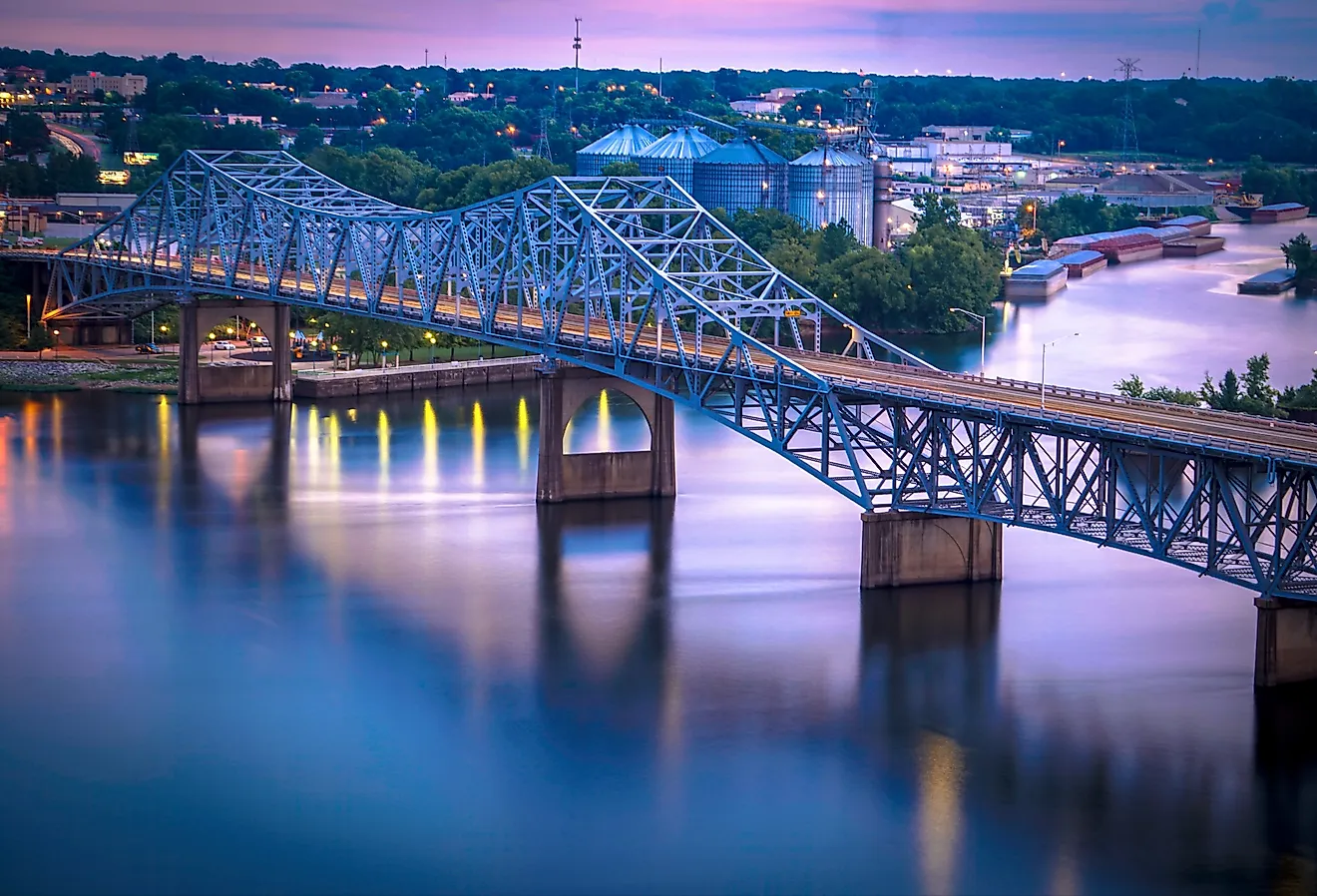
The New River has carved a 1,000-foot gorge through West Virginia, and despite the name it is one of the oldest rivers on the continent. Everything at this park is free to enjoy, including some of the best whitewater in the country. Guided rafting trips run the Lower Gorge, where the rapids reach Class V and the views take in boulders and forested canyon walls.
The eight-mile Fayette Station Road drops to the bottom of the gorge with a look up at the New River Gorge Bridge crossing overhead. Fishing is good along the river, and there are free campsites and more than 100 miles of trails. The Endless Wall Trail is the one most people come for. It runs just 2.4 miles one-way along forest, a creek, and a line of cliff edges, with a long drop to the river working the gorge below.
Voyageurs National Park, Minnesota

Water covers so much of Voyageurs that visitors reach a lot of it by boat, across more than 200,000 acres of lakes, islands, and forest on the Canadian border. The park is free, and much of the point here is fishing and paddling the open water by motorboat, kayak, or canoe. The big lakes, Rainy, Kabetogama, and Namakan, along with Ash River, each have a visitor center open between May and September, while the Rainy Lake Visitor Center stays open year-round. On land, more than 27 miles of trails cross the ground, including the 2.9-mile Blind Ash Bay hike near the Ash River Visitor Center, which runs through boreal forest to views over Kabetogama Lake. Deer, wolves, and birds live along that route. Many of the park's campsites are reachable only by paddling to them, and the camping permits cost a fee.
Free at the Gate, Not Always Free to Stay
These eight parks protect some of the rarest country the National Park Service manages, and none of them charge to walk in. The catch is always in the extras. The rafting on the New River, the tours under Mammoth Cave, the soak at a Hot Springs bathhouse, and most of the campsites all cost money, even where the gate does not. Overnight stays need a paid reservation at most of them, with Kenai Fjords and New River Gorge offering free camping and Congaree asking only for a free permit. The trails, the water, and the views are the part that stays free.