The National Parks You Can Only Reach By Boat Or Plane
For most national parks, all visitors need is a car and some driving time to visit these beloved places. For others, it's not that easy. More than a half-dozen national parks have no connection to broader road networks at all, forcing visitors to plan ahead or get creative in their quest to explore. Whether you need to hop a boat or grab a flight, here's a closer look at the national parks with unique ways of arriving.
Dry Tortugas National Park

Don't let the name fool you. The only thing dry about the Dry Tortugas is the tiny, waterless islands themselves, which are set amid the vast blue waters of the Gulf of Mexico, dozens of miles from the nearest land. In fact, almost all of the park's 100-square-mile area is water, protecting unspoiled marine habitats and their underwater inhabitants. Naturally, this means arriving at and exploring the park by private boat or public ferry is one of the most common ways to visit, typically departing from Key West, about 70 miles away. Those who want to dramatically cut down the 2.5-hour boat ride can also reach the park via seaplane.
Both methods typically drop off visitors at Fort Jefferson on Garden Key, a striking 19th-century brick fortification that provides a historic element to the park, as well. Those who want to extend their time fishing, swimming, snorkeling, and otherwise exploring this beautiful area can also camp overnight for a truly one-of-a-kind national park experience.
Isle Royale National Park

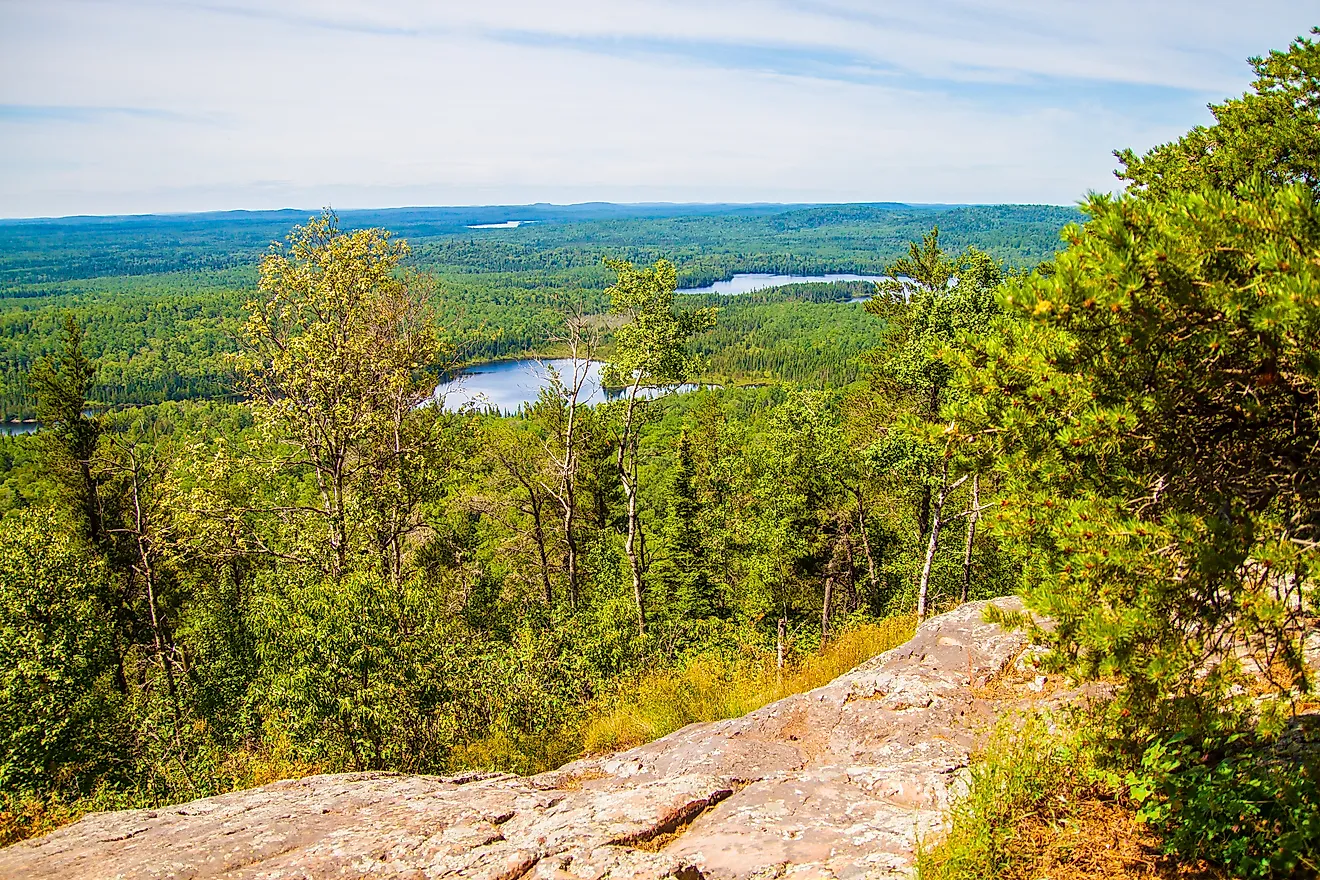
Isle Royale is located in expansive Lake Superior, providing a rugged, remote escape for hikers, boaters, and other outdoor adventurers. It's made up of one main island surrounded by hundreds of smaller ones, providing ideal terrain for divers, as well. Many activities require backcountry permits, a recognition of the wildness of the area and the important ecological factors at play, including populations of moose and wolves on the island. Backpacking and camping are among the most popular things to do, with visitors choosing one of three dozen campsites only accessible via hiking in.
Public ferries from Michigan and Minnesota provide the easiest and most regular access to the park, although private boats and seaplanes are also a regular transportation method to this island escape. It's only open for exploration from mid-April through the end of October, when harsh winter weather makes visits to the area off-limits.
Channel Islands National Park

Just off the coast of Southern California, Channel Islands National Park protects five islands along with their surrounding ocean environment. Despite their nearness to one of the country's most populated regions, the islands are completely disconnected from the mainland road network and can only be reached by private boat or ferry. Unlike some national parks, private aircraft are explicitly prohibited from landing within park boundaries, further limiting access.
Travel times from Ventura range between one and four hours. Once ashore, there is no public transportation on the islands, allowing visitors to explore on foot or continue along the coast by private boat or kayak. Hiking, snorkeling, diving, and sea kayaking are among the park's signature activities, with the waters around Scorpion Beach on Santa Cruz Island its most popular paddling area. Primitive camping is available year-round on all five park islands for visitors who want to extend their stay.
Glacier Bay National Park

Glacier Bay encompasses a vast portion of southeast Alaska, spanning icy fjords, glaciers, snow-capped mountains, and even forests. However, its over 3 million acres are only accessible via the water or from the air. The park's only internal road connects the small town of Gustavus and its airport to Bartlett Cove, where park headquarters are located. Many commercial cruise ships also pass through Glacier Bay National Park on their routes through Alaska's Inside Passage, one of the most accessible and comfortable ways to see this breathtaking park.
Park-affiliated boat day tours are also one of the best ways visitors can get a closer look at this unique environment. There are also hiking, camping, and mountaineering opportunities for those seeking an outdoor challenge.
Katmai National Park

Spanning a hard-to-fathom 4.1 million acres (over five times the size of Rhode Island), Alaska's Katmai National Park is best known for the distinctive volcanic landscape of the Valley of Ten Thousand Smokes and the extraordinary number of brown bears that can be seen feeding on salmon along the Brooks River. The former can be seen on guided tours that help explain how the landscape changed following the largest volcanic eruption of the 20th century, while the Brooks Camp serves as a launch point for backcountry adventures in addition to providing a popular bear-viewing spot.
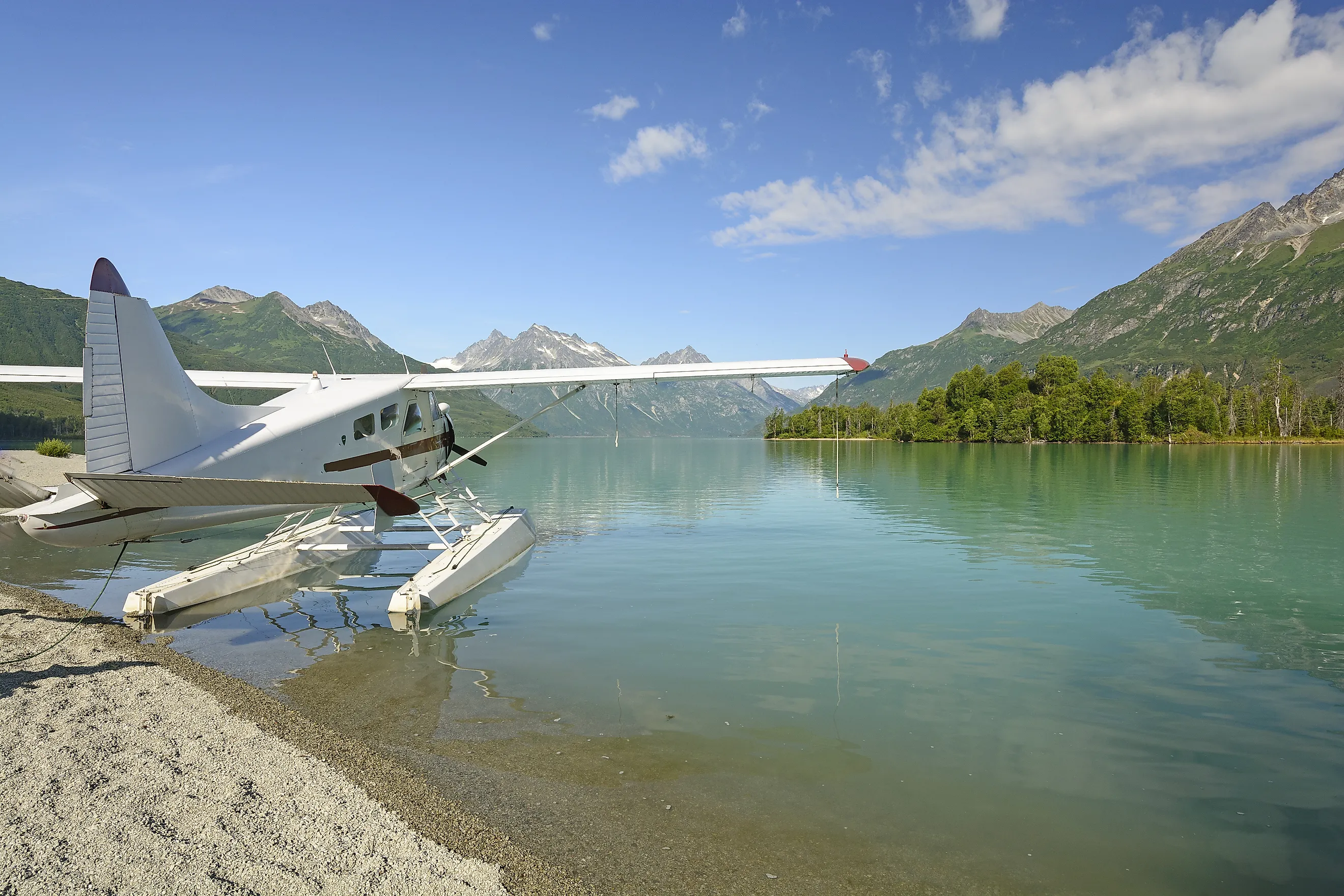
Those exploring Katmai primarily arrive via small aircraft, both traditional and floatplanes. However, a surprising amount of the park is accessible in this way, as regulations allow landing on any lakes, rivers, or open ground, unless otherwise specifically prohibited. Water taxi service to some areas is also available from the community of King Salmon.
Lake Clark National Park

Another lesser-known national park, Lake Clark National Park packs an unusually broad range of landscapes into its 4 million acres of southern Alaska, including mountains, glaciers, volcanoes, coasts, rivers, and turquoise lakes. The park is completely disconnected from Alaska's road system, so most visitors arrive by small aircraft, often flying from Anchorage or other nearby communities to destinations like Port Alsworth, the park's primary visitor hub.
Those flights provide access to far more than just Lake Clark itself. Bear viewing is one of the park's major draws, particularly along the Cook Inlet coast at places like Chinitna Bay and Silver Salmon Creek, where brown bears can be seen feeding and foraging in their natural habitats. Visitors can also hike around Port Alsworth, fish, camp, paddle the park's lakes and rivers, or venture farther into the backcountry.
Kobuk Valley National Park

Kobuk Valley National Park preserves a striking, unusual geographic feature, the planet's largest active, high-latitude dune field, flanking the wild Kobuk River and soaring as high as 100 feet in some parts. Located north of the Arctic Circle, it's likely no surprise that the park has no road connection to the outside world. Visitors mainly arrive via air taxi from the small communities closest to the park, although water access is also sometimes possible during the summer.
Unlike most other national parks, there are no trails or other infrastructure within Kobuk Valley, making every trip a true backcountry experience. Along with hiking, fishing, and floating the Kobuk River, visitors can also catch a glimpse of the hundreds of thousands of caribou that migrate through the park in the spring and fall.
Forget the Car and Grab a Flight or Boat Ride to These Remote National Parks
It's often said that the best things in life require work, and that's no doubt true for these unique, remote national parks. Whether you're soaking in the sun on the Dry Tortugas, exploring the forests of Isle Royale, or scaling the dunes of Kobuk Valley, there's a park for every taste and preferred activity. That is, as long as you're willing to hop the boat or flight required to get there.