The American Towns Running Out Of Water
In April 2026, the mayor of Kearny, Arizona, sent residents a letter with a date circled. The town, he warned, would run out of water on or about July 15. Kearny was not alone. Across the West and the Great Plains, drought, falling groundwater, and century-old water laws are pushing small towns toward empty taps. Some have hauled in water by truck. Others have watched private wells go dry one by one. These are the American towns where running out of water is no longer a hypothetical.
Kearny, Arizona

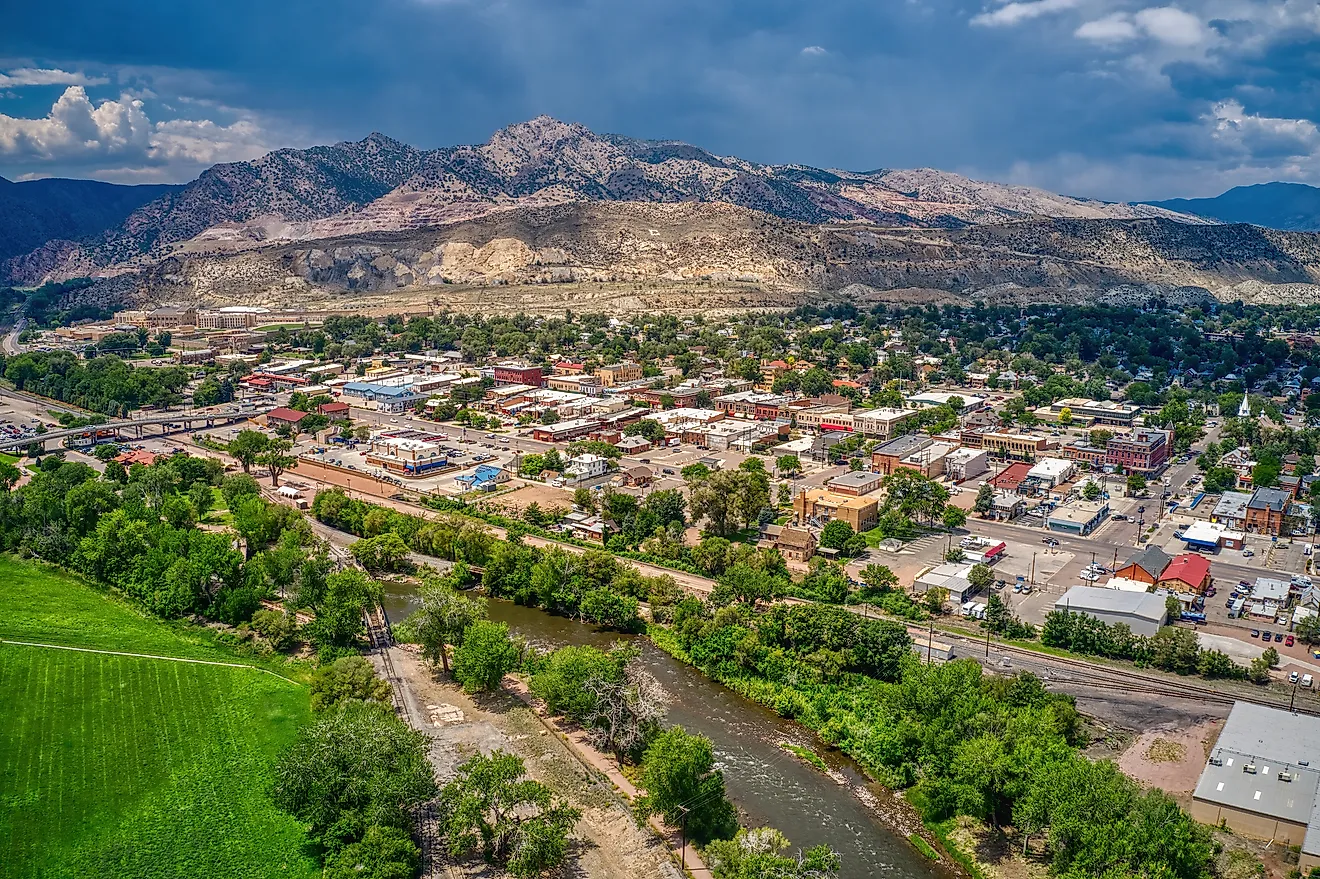
Kearny, a former mining town of about 2,000 people in Arizona, faced a strange crisis in 2026: the Gila River still flowed past town, but Kearny was not legally allowed to take much of it. Under a 1935 court decree that divides the river's water, the users who claimed it first are the last to be cut off in a shortage. Kearny, a latecomer, was cut back hardest.
The town banned car washing, lawn watering, and pool filling, and the mayor warned that the taps could go dry by mid-July. By bringing backup wells online and negotiating with other water users, the town pushed its "day zero" back through the summer. But its situation shows how old water rights can leave a town thirsty even when water is in sight.
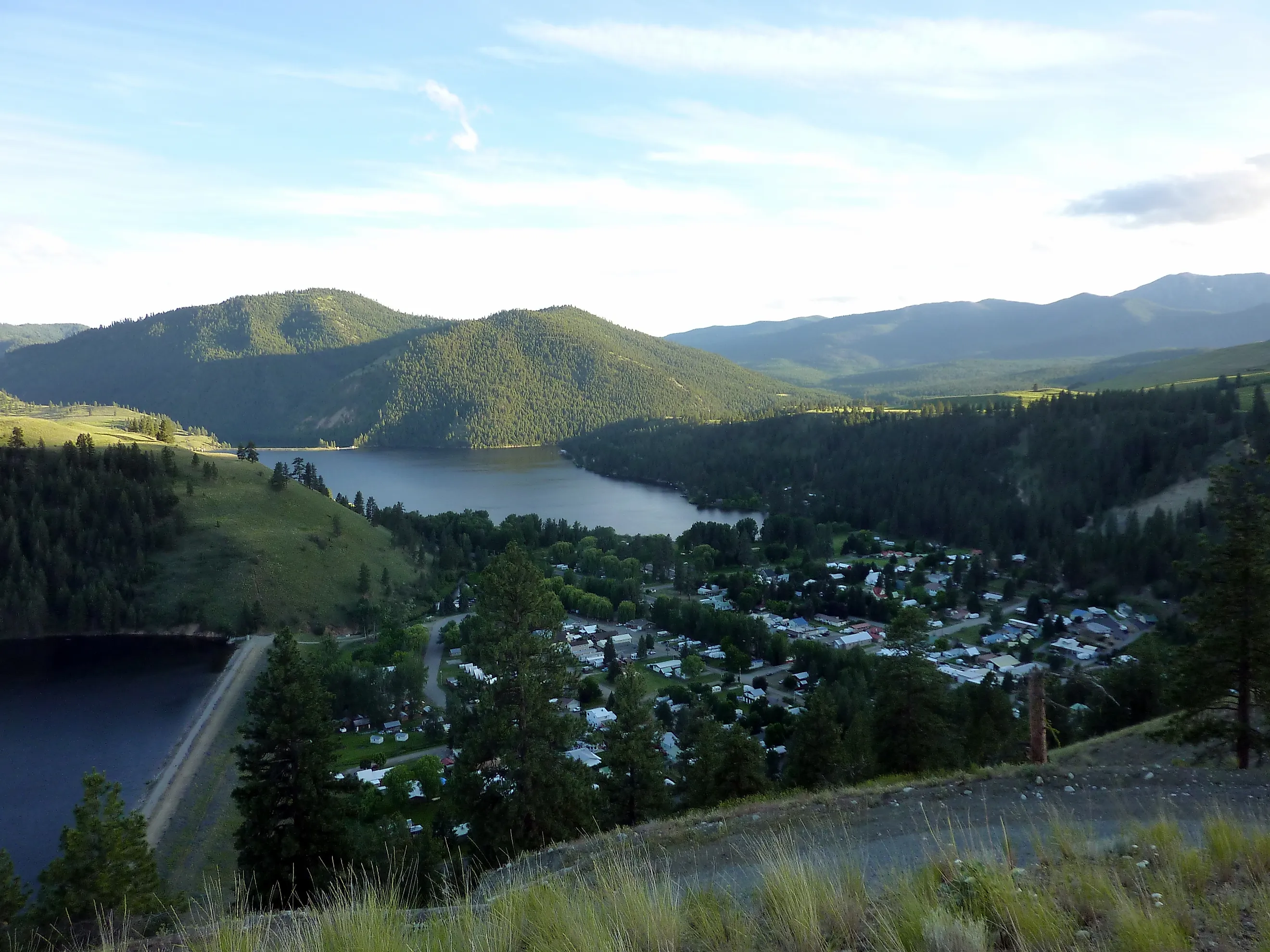
Conconully, Washington

Conconully, a mountain town of about 200 people in north-central Washington, has no municipal water system. Its residents rely on private wells, many of them shallow and hand-dug. In the fall of 2026, after a third straight year of drought, as many as 20 of those wells went dry, leaving families without running water for weeks.
Residents began hauling water in jugs for drinking and washing, and some turned to drilling deeper wells, at a cost that can reach $15,000 per household. The town's single public spigot has been locked after hours because people left it running. State lawmakers have since been asked who should warn communities before their wells give out.
Fairfield, Montana

Fairfield, a farming town of about 800 people on the plains of Montana, depends on wells that have been steadily failing. In the spring of 2026, three of the town's eight wells were out of service and three more were running at partial capacity, after two dry years left the aquifer depleted.
An engineering review found that the town's aging pipes lose about half of the water pumped from its wells. The council passed strict conservation measures and has tried drilling new wells, and officials have warned that portable toilets may be needed if more wells fail, something the town last faced more than two decades ago.
Rio Verde Foothills, Arizona
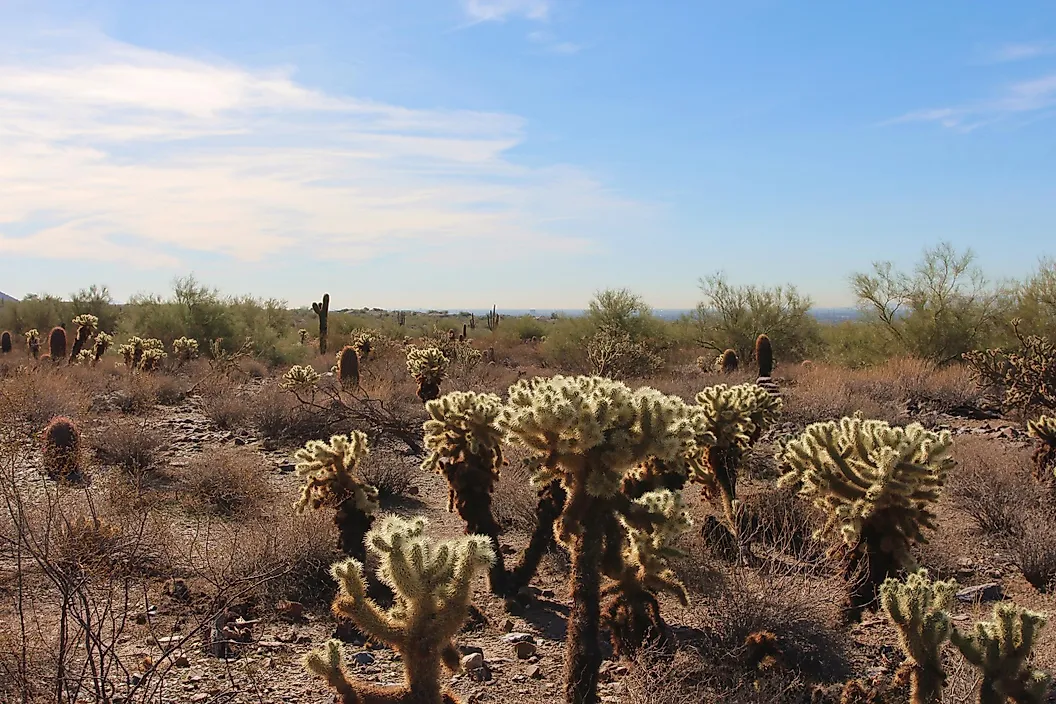
Rio Verde Foothills, a rural desert community outside Scottsdale, became a national symbol of the West's water crunch in 2023. Many of its homes had no wells and relied on water trucked in from the city of Scottsdale. When Scottsdale stopped selling that water to protect its own supply during a Colorado River shortage, hundreds of households were suddenly left without a source.
Residents rationed water, hauled it from distant towns, and paid sharply higher prices until a temporary arrangement, and later a longer-term deal, restored deliveries. The episode exposed how fast-growing communities can spring up without a secure water supply.
East Porterville, California

During a severe drought in the mid-2010s, East Porterville, a small community in California's San Joaquin Valley, became one of the hardest-hit places in the state. As farms and households pumped more groundwater, hundreds of shallow residential wells went dry, leaving families to rely on bottled water and portable showers.
The state eventually helped connect the community to the neighboring city of Porterville's water system, a fix that took years. The crisis helped push California toward new rules aimed at managing groundwater more carefully.
Spicewood Beach And Robert Lee, Texas

During the record-breaking Texas drought of 2011 and 2012, several towns came close to running dry. Spicewood Beach, a small lakeside community in the Texas Hill Country, became the first in the state to truck in drinking water after its wells faltered, hauling treated water from miles away to fill its storage tank.
In the ranching town of Robert Lee, crews pumped water across town from a shrinking reservoir to keep the taps flowing, moving the pump again and again as the water line retreated. Texas towns have run dry before: in 2000, the town of Throckmorton ran out of water, and bottled water was trucked in to help.
What Happens Next
These towns show that running out of water is rarely about a single dry summer. It is the result of drought combined with falling groundwater, leaky infrastructure, and water rights that favor older claims. Fixes range from deeper wells and new pipelines to conservation and regional sharing deals, but many cost more than small towns can afford. As droughts grow longer, more communities may find themselves watching the taps, and the calendar, a little more closely.