The State Parks Farthest From Any Town
The state parks furthest from any town run the gamut of distance both by land and air. Getting to Shuyak Island State Park means crossing 54 air miles north of Kodiak by floatplane or boat, and poor weather can delay flights. At the other end, Goblin Valley State Park in Utah sits near a state highway, but the nearest town with services is about 33 miles away. No official ranking system of the most remote state parks exists, so the distances below come from state agencies and tourism offices. All six parks are run by state agencies rather than the National Park Service, so each state sets its own rules for permits, access, and fees.
Wood-Tikchik State Park, Alaska

No road reaches Wood-Tikchik. The park is accessible only by boat, airplane, or foot, plus snowmobile in winter when conditions allow. Most visitors charter a floatplane out of Dillingham, which has daily commercial flights from Anchorage. The Tikchik Lakes in the northern half are much more remote, and costlier to reach, than the Wood River Lakes to the south. Alaska State Parks puts the park at nearly 1.6 million acres, and calls it the largest state park in the nation. Wood-Tikchik is the largest conventional wilderness state park. The whole park is open to camping, though special use permits are required for the Upper Tikchik Lakes and for floating the Tikchik River. Moose, as well as black and brown bears, live here. Boaters typically fly in and paddle out down the Wood River to Dillingham.
Shuyak Island State Park, Alaska
Shuyak covers most of an island at about 47,000 acres, at the northern end of the Kodiak Archipelago. Access is by boat or floatplane only, and no supplies or services exist on the island, so everything you need also needs to arrive with you. Four public use cabins sit on Big Bay, Neketa Bay, and Carry Inlet. Each sleeps up to eight and has a wood stove, but creek water must be hauled in and treated. About 14 miles of trails connect the bays, and a ranger station stands on Big Bay. Kodiak brown bears live on the island, making food storage an important thing to consider. The interior holds more sheltered waterways than anywhere else in the archipelago, which suits sea kayakers. State park advisors recommend visitors to pack extra food in case weather keeps them on the island longer than planned.
Big Bend Ranch State Park, Texas

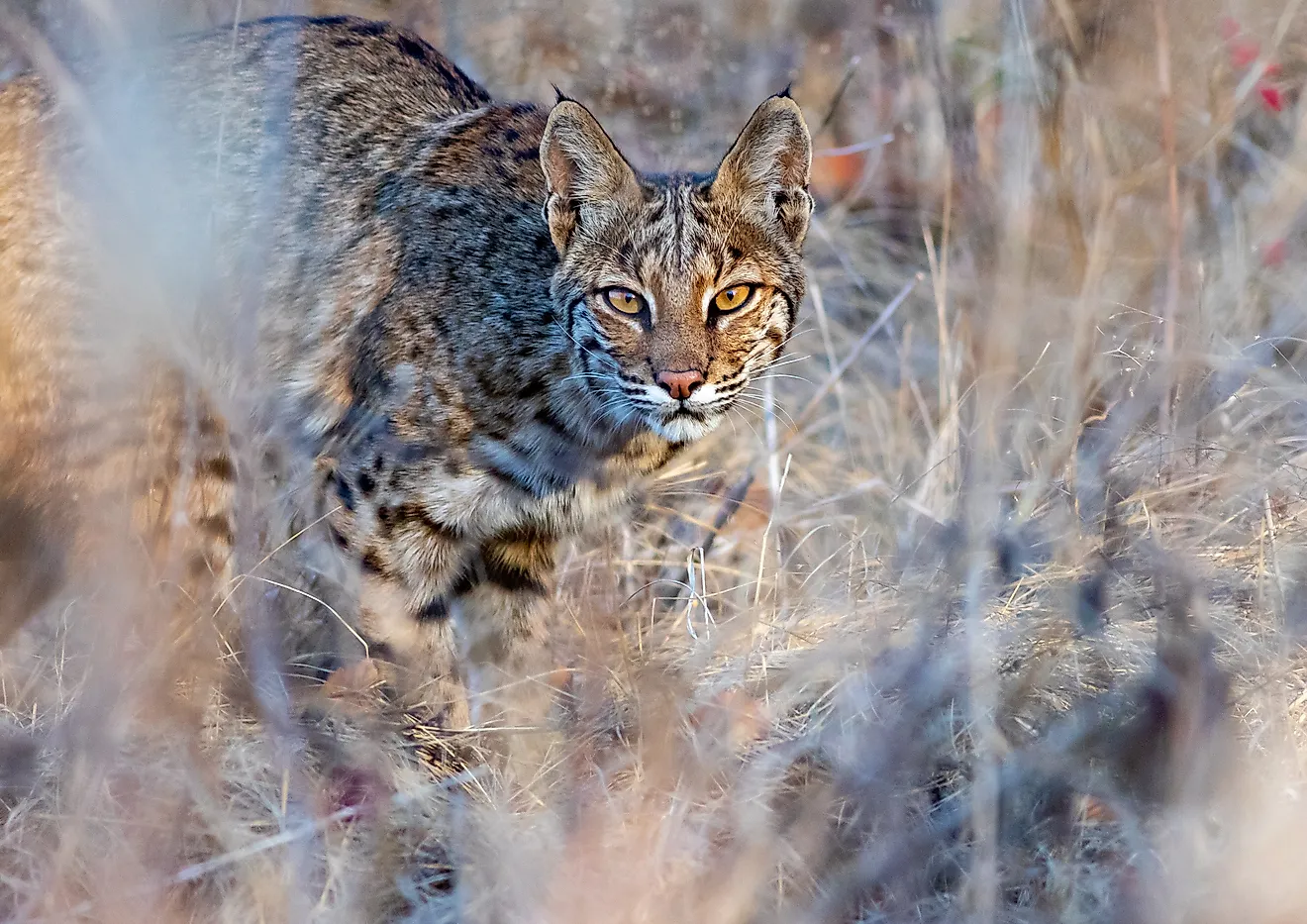
The park covers more than 300,000 acres along the Rio Grande, from southeast of Presidio to near Lajitas, in country so remote that it earned the Spanish nickname El Despoblado, meaning the uninhabited. It is the largest state park in Texas. FM 170, the paved River Road, crosses the southern part of the park, and the rest are unpaved ranch roads, with no gas or services off the highway. Backpacking and camping permits are sold at two visitor centers, Fort Leaton near Presidio and Barton Warnock near Lajitas, so stop at one before driving in. The park is next door to Big Bend National Park, which draws heavy tourist traffic during spring break and holiday weekends, while the state park stays mostly under the radar. It is also part of an International Dark Sky Park designation, and Texas Parks and Wildlife lists mountain lions among its wildlife.
Berlin-Ichthyosaur State Park, Nevada

The park is 23 miles east of Gabbs via State Route 844, in central Nevada's Shoshone Range, and the final miles are unpaved and may be impassable in rain or snow. Distances to cities run long: it is about 340 miles from Las Vegas and about 170 miles from Reno-Sparks. The park protects two things. One is the ghost town of Berlin, a boomtown protected as a state park, maintained in a state of arrested decay since it emptied in 1911. The other is a fossil bed of ichthyosaurs, whale-sized marine reptiles found in the 1920s, which became Nevada's state fossil. Nevada State Parks runs guided tours of the fossil shelter in the non-winter months, so check the schedule. An easy nature trail about a third of a mile long links the campground to the fossil shelter.
Alamo Lake State Park, Arizona

Alamo Lake is a Corps of Engineers reservoir that Arizona State Parks has operated under a lease since 1969. The approach is a paved road north from Highway 60 at Wenden, and it runs 33 miles or more, depending on the source, before you reach the gate. The park's own tourism page says the nearest city lights are some 40 miles away, which makes the night sky the draw for campers who skip the fishing. It's also a favorite for bass anglers who want less competition, and wild burros often visit the shoreline. Heat is the practical concern in this part of western Arizona, so carry extra water. For company, Wayside Oasis, six miles east of the park, is the closest stop.
Goblin Valley State Park, Utah

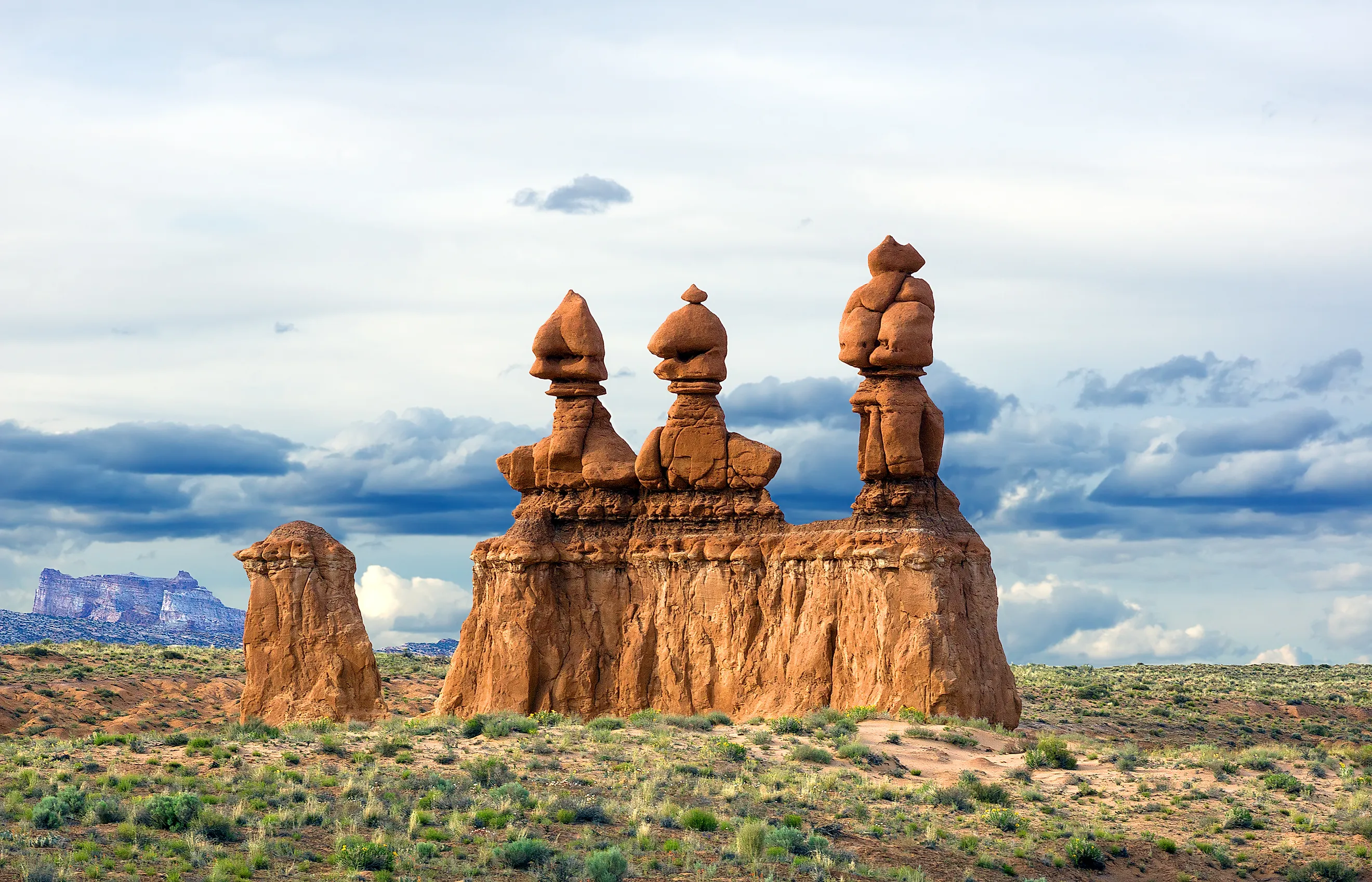
Utah State Parks calls Goblin Valley a remote, rugged area at the southern end of the San Rafael Swell. Hanksville is about 33 miles south, and Green River is about 49 miles to the northeast. The park is about an hour's drive from Capitol Reef National Park, so it makes a quieter second stop for visitors working through the national parks nearby. Three square miles of valley hold thousands of hoodoos, and the park's 24 campsites and two yurts sit under a sky that was certified as an International Dark Sky Park in 2016. Just outside the boundary, Little Wild Horse Canyon is a non-technical slot canyon that takes about half a day.
The six parks fall into three tiers of difficulty. Wood-Tikchik and Shuyak are flight-and-charter trips that need weather buffer days. Big Bend Ranch, Berlin-Ichthyosaur, and Alamo Lake are drivable, but most experienced in going here would recommend a full tank and spare water, since the nearest services are a ways away. Goblin Valley is the easiest on the list, found at a highway turnoff between Green River and Hanksville. In every case, the realistic risks are to be expected: a flat tire, a delayed flight, or heat, instead of a delay from wildlife.