9 Best Attractions To Visit In Oklahoma
Oklahoma covers more ground than most visitors expect, and its best attractions span Route 66 nostalgia, Old West heritage, bison-filled mountains, and world-class art museums. The state packs in a national memorial, a 59,000-acre wildlife refuge, spring-fed swimming holes, and a zoo with nearly 2,000 animals, most of it an easy drive from Oklahoma City or Tulsa. These nine are the ones worth building a trip around.
Oklahoma Route 66 Museum

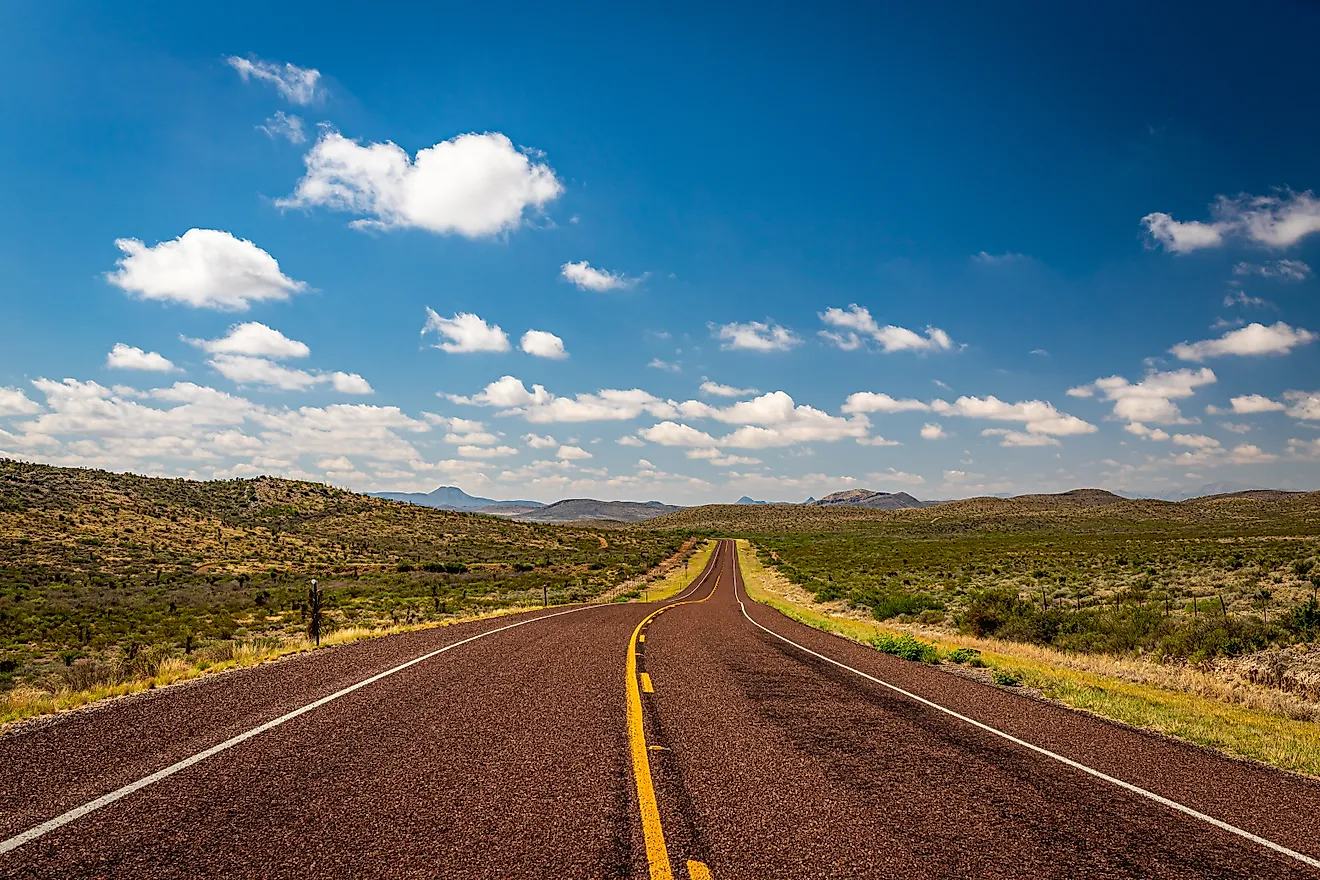
In Clinton, the Oklahoma Route 66 Museum is the best single stop on the state's stretch of the Mother Road. Its galleries are built as a walk through the decades, each room set to a different era with the music to match: Dust Bowl migration, Depression-era hardship, and the tail-fin optimism of the 1950s road trip. Neon signs, a diner booth, and restored vintage cars fill out the scene, and the exhibits lean on real artifacts, photographs, and oral histories rather than gloss. It is a well-done primer on why Route 66 still means something.
National Cowboy and Western Heritage Museum

Oklahoma City's National Cowboy and Western Heritage Museum is the definitive collection of the American West. Founded in 1955, it holds major works by Frederic Remington and Charles M. Russell, along with the monumental plaster sculpture The End of the Trail by James Earle Fraser, one of the most recognized images in Western art. A full-scale replica frontier town, complete with saloon, blacksmith, and general store, anchors the galleries, alongside exhibits on rodeo, Native American culture, and the working cowboy. The on-site Museum Grill handles lunch, and a combination ticket pairs it with the nearby First Americans Museum.
Oklahoma City National Memorial and Museum

The Oklahoma City National Memorial marks the site of the April 19, 1995 bombing of the Murrah Federal Building, which killed 168 people in what was then the deadliest act of domestic terrorism in US history. The outdoor memorial is quietly devastating: two bronze Gates of Time frame a still Reflecting Pool, and a Field of Empty Chairs, one for each victim, sits on the footprint of the building and glows softly after dark. The adjoining museum walks visitors through that morning and the rescue and recovery that followed, using recordings, artifacts, and survivor accounts. It is a sober, essential stop, and its work on remembrance and resilience continues today.
Wichita Mountains Wildlife Refuge

In the state's southwest, near Lawton, the Wichita Mountains Wildlife Refuge protects nearly 60,000 acres of granite peaks, mixed-grass prairie, and clear lakes. It is best known for its free-roaming wildlife, including a herd of American bison descended from animals the Bronx Zoo shipped here in 1907 to help pull the species back from near-extinction, plus elk, Rocky Mountain longhorn, and prairie dogs. A paved road climbs to the summit of Mount Scott for a long view over the plains, and trails wind past boulder fields and swimming holes. One of the oldest wildlife refuges in the country, it is the single best place to see Oklahoma's wild side.
Beavers Bend State Park

In Oklahoma's southeastern corner, Beavers Bend State Park sits amid the pine forests of the Kiamichi Mountains and the Ouachita National Forest, near Broken Bow and Hochatown. The park runs on water and woods: the Mountain Fork River draws canoers, kayakers, and fly-fishers, while adjoining Broken Bow Lake adds fishing, paddleboarding, and jet skiing. Trails range from flat riverside strolls to steeper climbs, and the park layers in horseback riding, a scenic train, and seasonal hayrides. Cabins tucked into the trees, many with hot tubs, have made it one of the state's most popular weekend escapes.
Chickasaw National Recreation Area

Around the town of Sulphur in south-central Oklahoma, the Chickasaw National Recreation Area is built around the cold mineral and freshwater springs that the Chickasaw Nation sold to the federal government in 1902 to keep them public. Once its own unit called Platt National Park, it is now run by the National Park Service, and the spring-fed creeks are the main draw. Little Niagara, a low falls on Travertine Creek, is a classic Oklahoma swimming hole in summer, and the Travertine Nature Center lays out the geology and wildlife. Beyond the springs, the Lake of the Arbuckles brings boating and fishing, with shaded trails connecting it all. It is a cool, green surprise in the middle of the state.
Philbrook Museum of Art

Tulsa's Philbrook Museum of Art occupies the 1920s Italian Renaissance villa of oilman Waite Phillips, set on 25 acres of formal gardens above the city. The grounds alone justify the visit, with terraced flowerbeds, fountains, a hilltop tempietto, and sculpture tucked along the paths. Inside, the collection reaches across European painting, strong Native American and Southwestern holdings, and rotating contemporary shows hung through elegant period rooms. The museum keeps a full calendar of family nature walks, garden tours, lectures, and seasonal events, which makes it as much a gathering place as a gallery.
Oklahoma City Zoo

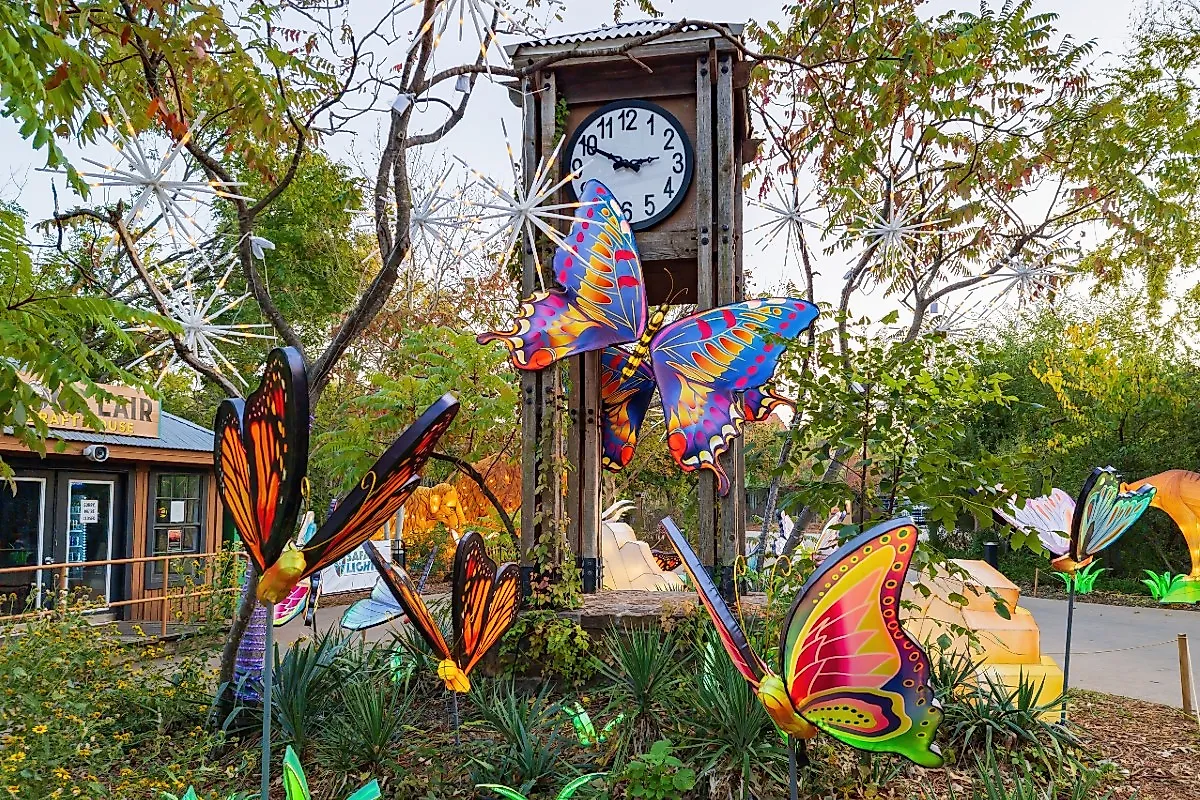
One of the oldest zoos in the region, the Oklahoma City Zoo keeps nearly 2,000 animals across naturalistic habitats on the city's northeast side. Standouts include the gorillas and other primates of the Great EscApe, the elephants of Sanctuary Asia, and the big cats at Lion Overlook, with camel rides, a safari tram, and a carousel for younger visitors. The calendar stays busy year-round, from the Safari Lights holiday display and the Haunt the Zoo Halloween event to the adults-only Zoo Brew. It is a reliable, well-run day out for families.
Brickopolis

In Oklahoma City's Bricktown entertainment district, Brickopolis is a multi-level indoor-outdoor playground made for a rainy afternoon or a family night out. Mini golf, laser tag, an arcade, a climbing wall, bungee trampolines, and gemstone mining are priced by activity, so you pay for what you use, and an in-house kitchen covers pizza and burgers between rounds. Its real advantage is the setting, right on the Bricktown Canal, where a water taxi loops past restaurants and ballpark crowds once you have had your fill of games.
Planning Your Oklahoma Trip
Oklahoma rewards a road trip. Oklahoma City alone stacks the Cowboy museum, the National Memorial, the zoo, and Bricktown within a few miles of one another, and Tulsa adds Philbrook. The rest reward the drive: the Route 66 museum out west, the Wichita Mountains in the southwest, the springs at Chickasaw, and Beavers Bend in the far southeast, each a few hours apart. Nine attractions, one tank of gas at a time.