How The Forest Came Back After Mount St. Helens
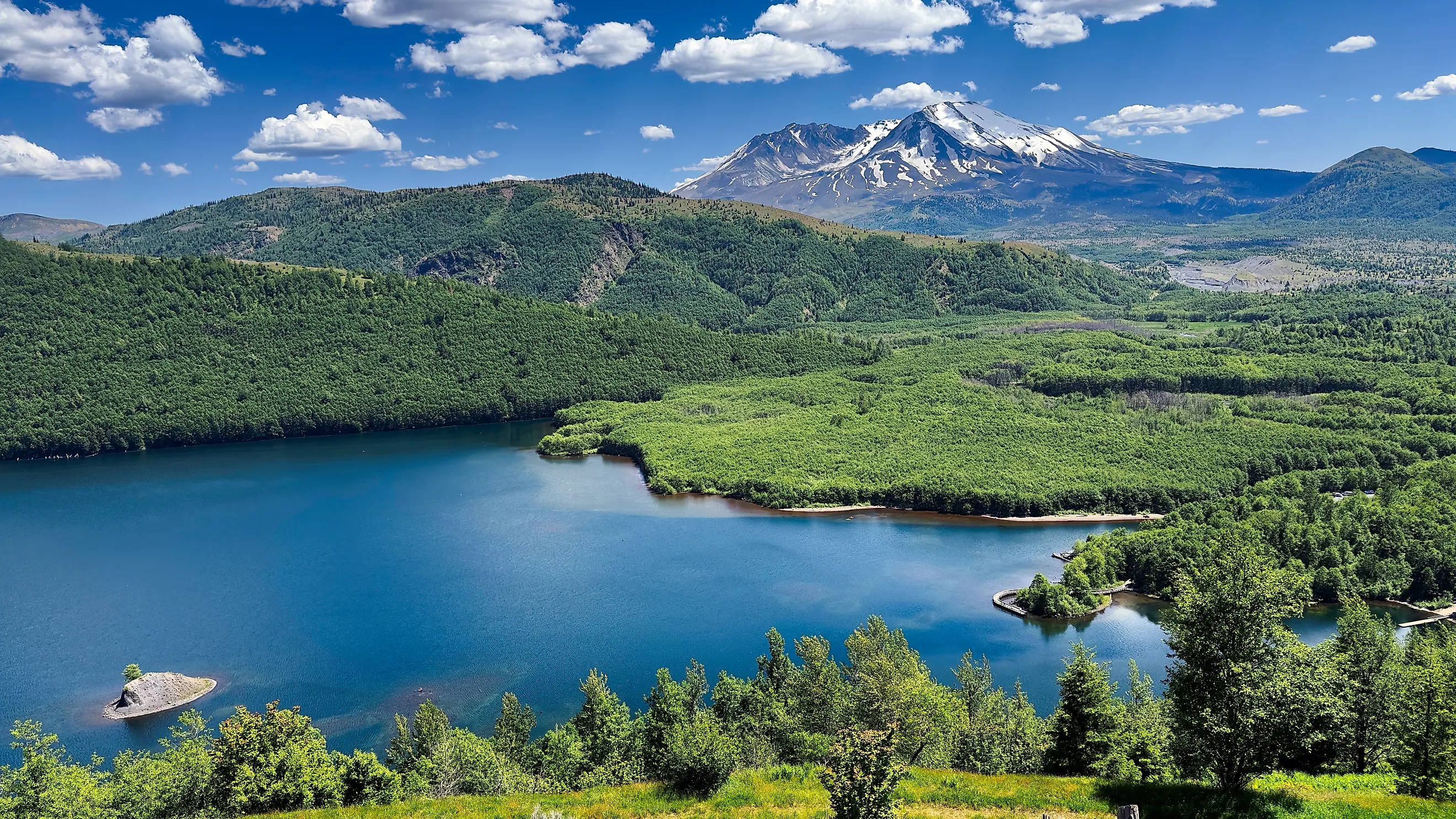
Wildfires strip American forests bare every year, and the real question is always whether the trees grow back. Mount St. Helens is the clearest case anyone has studied. Its blast scorched square miles of Washington forest down to bare rock and ash. Decades later the trees are back, and much of that happened with no planting at all. A few firs buried under snow and a single caged gopher helped drive the comeback. This is the best look we have at how trees grow back after a forest is wiped out.
Snow Protected Part Of The Old Forest
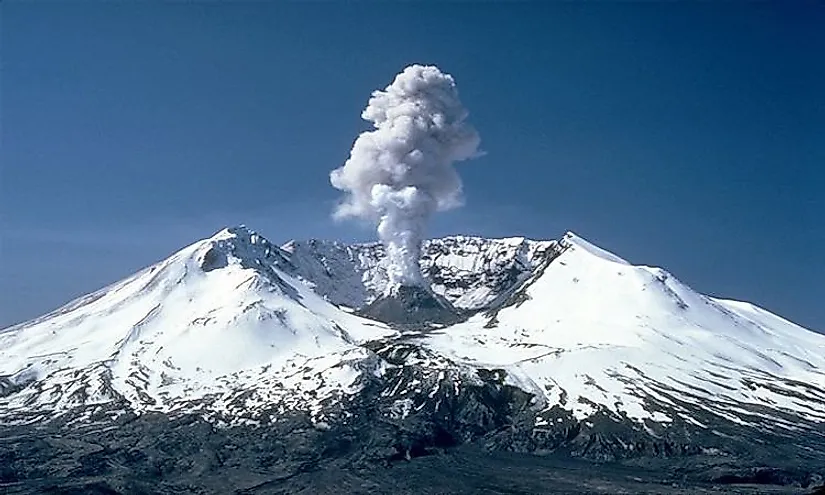
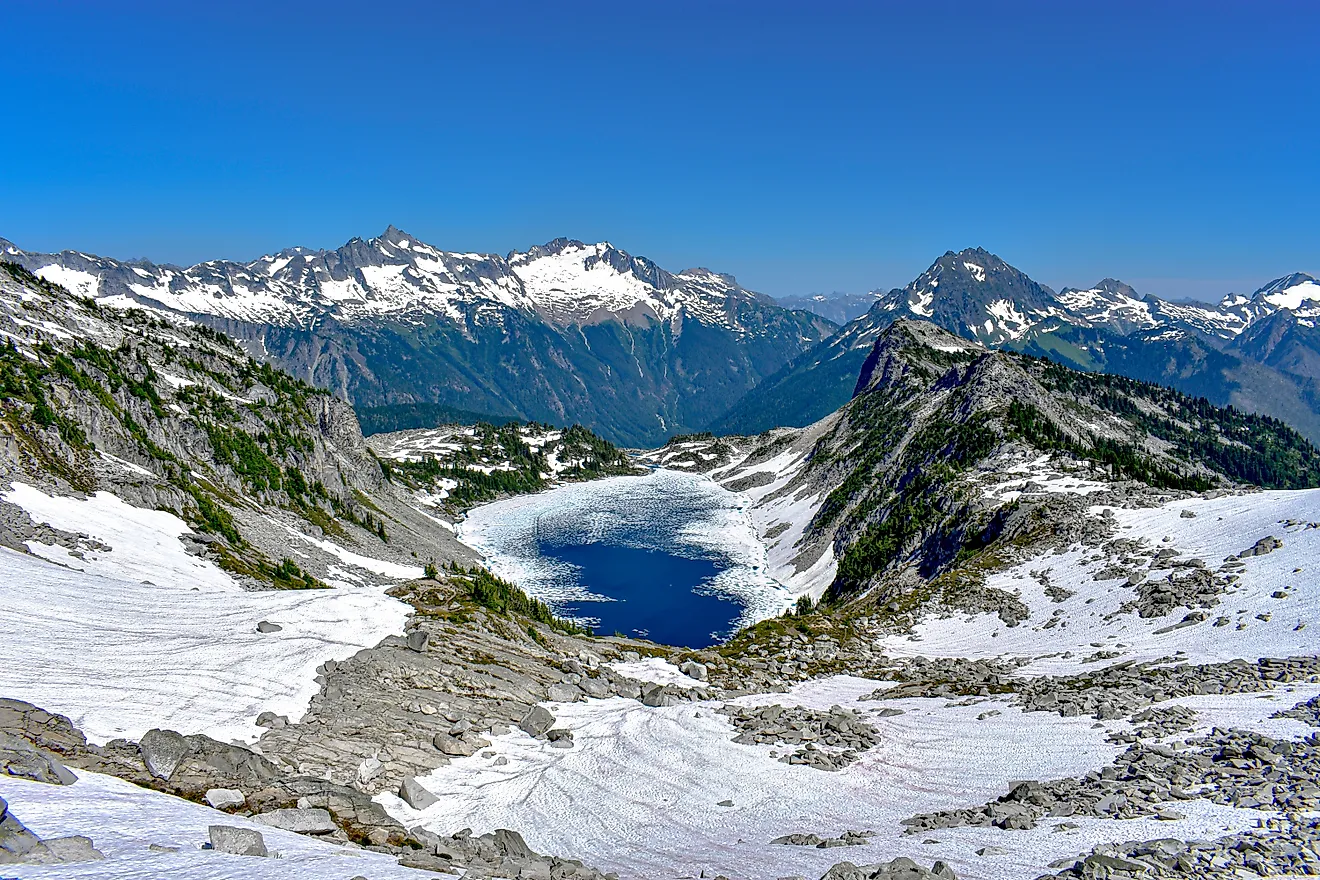
May was early enough for deep snowbanks to cover small trees on the mountain's higher slopes. Pacific silver firs and mountain hemlocks survived beneath them, especially on sheltered, north-facing ground. Once the snow melted, living trees stood within a landscape of broken trunks. They later supplied seeds that helped trees spread inside the blast zone.
Below ground, surviving roots also produced new shoots. Fireweed pushed through thinner deposits of ash, while huckleberries sprouted from soil still attached to the roots of toppled trees. Recovery could begin in a patch of dirt lifted into the air by the very blast that destroyed the canopy. Rainwater helped expose more buried soil as it cut gullies through the deposits. Where those roots survived, vegetation could regrow without waiting for a seed to arrive and germinate.
Lupines Made Bare Pumice Easier To Colonize

North of the crater, hot flows of volcanic gas and rock had left the Pumice Plain without the living roots found elsewhere. Prairie lupine became one of its important early colonizers. This low-growing flowering plant could establish itself where nitrogen was scarce because bacteria associated with its roots converted atmospheric nitrogen into a form it could use. As lupines spread, their fallen leaves added nitrogen and organic matter to the ground. Even a dead lupine remained useful. Its stems caught windblown seeds, creating small places where other plants could take root. Soil beneath the lupines developed higher microbial activity than nearby bare ground. Their seedlings could begin fixing nitrogen soon after germination. Many seedlings died, but their remains contributed carbon and nitrogen to the deposits, continuing soil development even when an individual plant failed to survive.
Gophers Brought Buried Soil Back To The Surface

Pocket gophers survived in underground burrows in parts of the disturbed landscape. Their digging brought buried soil into the ash above it, moving living material into places where plants were trying to establish. Fungi traveled with that material. Some of these fungi associate with roots, helping plants obtain nutrients in exchange for carbon supplied by the plant.
On the Pumice Plain, a small 1982 experiment placed a pocket gopher beside a lupine in an enclosure for 24 hours. Decades later, soil fungi still differed between plots with and without that historic gopher activity. Gophers spread seeds and fungal spores through their digging and droppings, bringing these materials into disturbed ground where vegetation was establishing. As gophers naturally returned to the plain, they continued mixing volcanic deposits with biological material.
Millions Of Trees Were Planted Outside The Monument

Some of the thick forest around Mount St. Helens grew from seedlings carried onto the slopes by hand. Weyerhaeuser planted approximately 18 million trees on its affected land after the eruption. Workers dug through ash to place seedlings in the soil beneath, giving the planted seedlings access to soil buried by the eruption.
The planting followed a major timber salvage operation. Crews recovered usable wood from the fallen forest, then established the next crop of trees. These managed stands developed differently from the vegetation inside Mount St. Helens National Volcanic Monument, established in 1982. There, large areas were left to recover naturally, retaining dead wood and surviving organisms.
Managed conifer stands characterize planted areas, while naturally recovering ground contains more varied openings and shrub communities.
The Forest Is Still Returning Unevenly
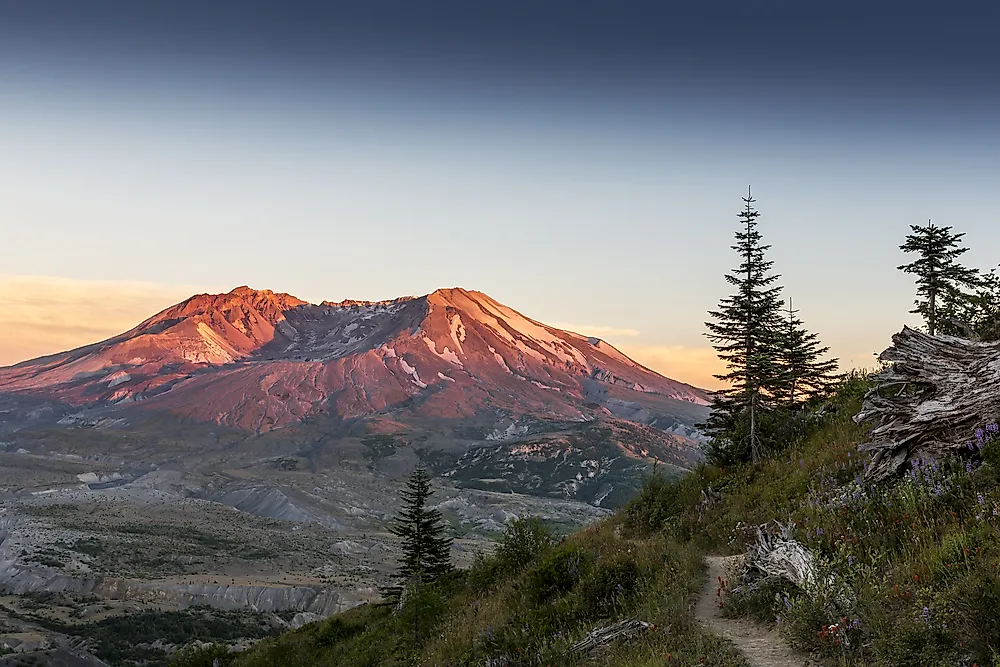
Douglas-firs are gaining height on land stripped by the eruption, alongside naturally established noble firs and lodgepole pines. More than 40 years after the eruption, these conifers were growing rapidly in height at sites examined by researchers. All three species grew faster at the studied debris-avalanche sites than at sites covered by hot pyroclastic flows. The difference could reflect local climate or the material beneath their roots.
The Pumice Plain also lies relatively far from undisturbed forest that could supply seeds. Elk add another complication. They carry seeds into the area in their droppings, helping grasses spread, but repeatedly browse young trees and shrubs. That repeated browsing slows the return of forest vegetation, helping keep parts of the plain open even as trees establish elsewhere.
For forest birds, the return of usable habitat happened well before the return of towering old trees. About a decade after the eruption, streamside willow and alder thickets attracted yellow warblers and willow flycatchers. By the mid-1990s, some conifers that had survived beneath snow had formed dense young stands where hermit thrushes could forage under cover. Growing cottonwoods provided nesting and feeding space for warbling vireos and black-headed grosbeaks. Standing dead trees also supplied habitat while the new woodland grew around them. Within the recovering blast zone, mountain bluebirds nested in cavities in those trunks, using pieces of the forest killed in 1980.