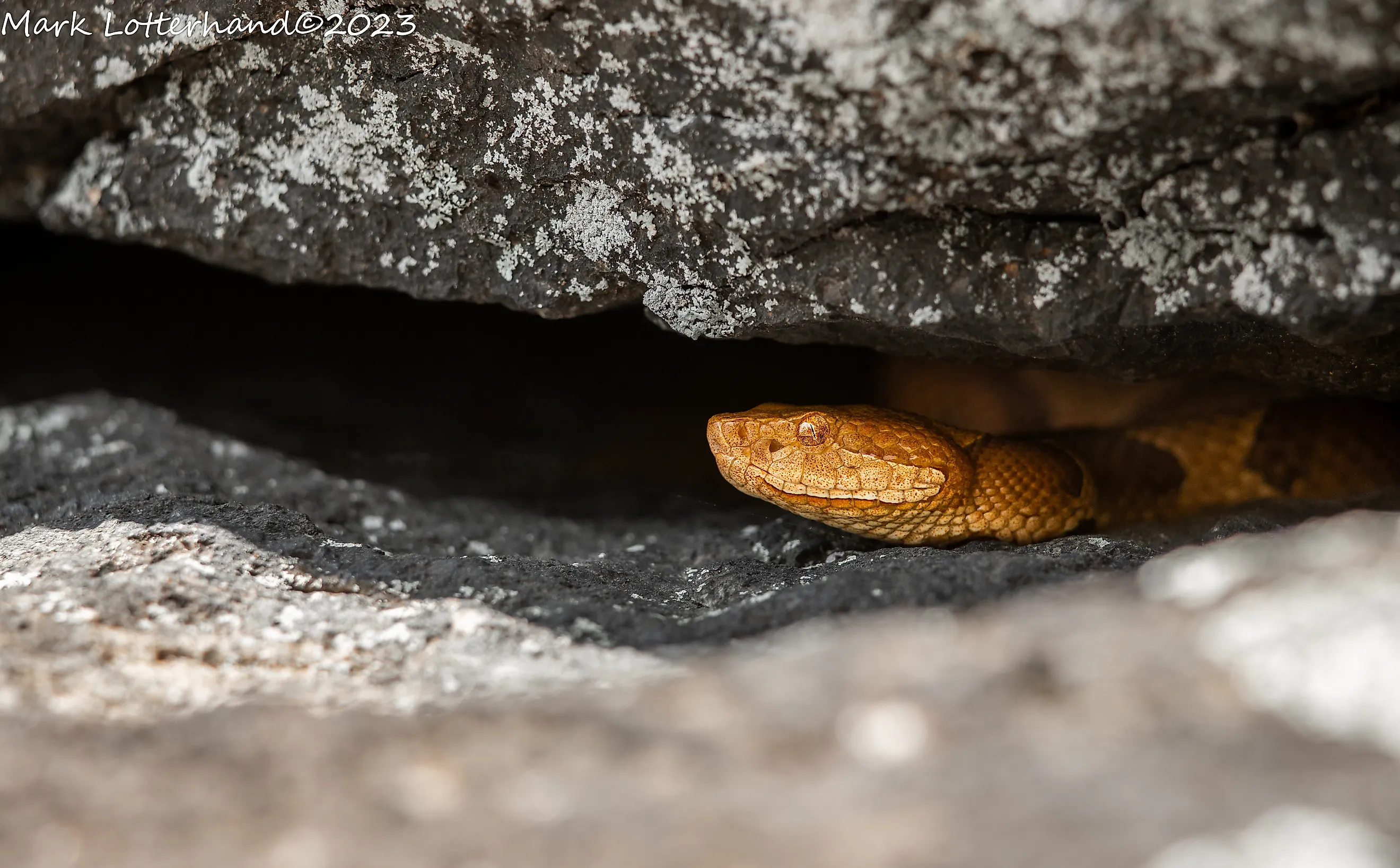
How High In The Mountains Copperheads Live
The copperhead is one of the most familiar snakes of the eastern mountains, turning up on wooded slopes and rocky hillsides all across the Appalachians. But if you are hiking toward a high summit, you can relax just a little, because there is a clear ceiling to how high copperheads actually go. These snakes are creatures of the lower country, and the peaks belong to something else entirely. So just how high in the mountains do copperheads really live? Here is where the copperhead's mountain range runs out.
The Short Answer: Around 3,000 Feet
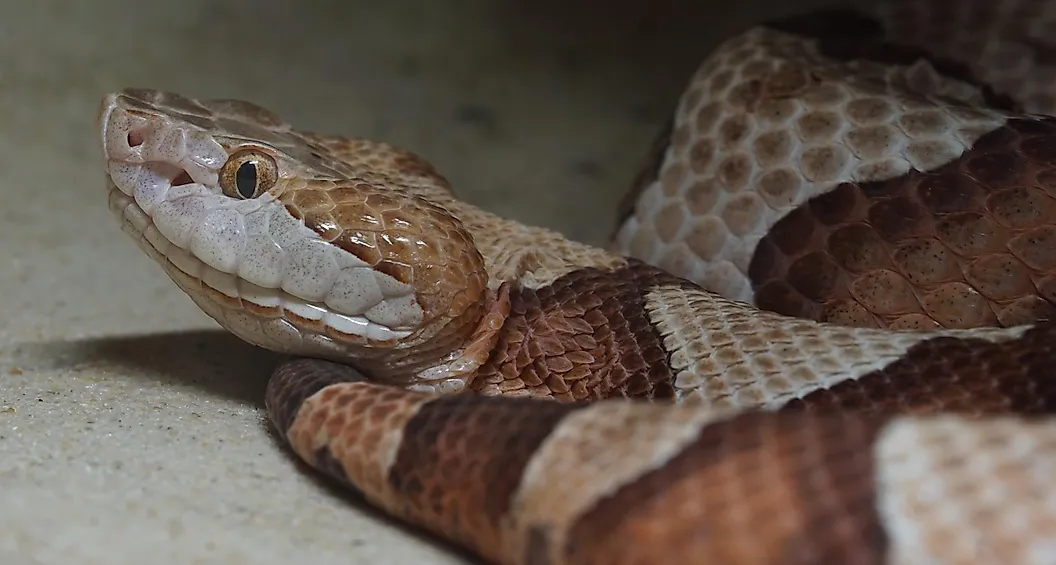
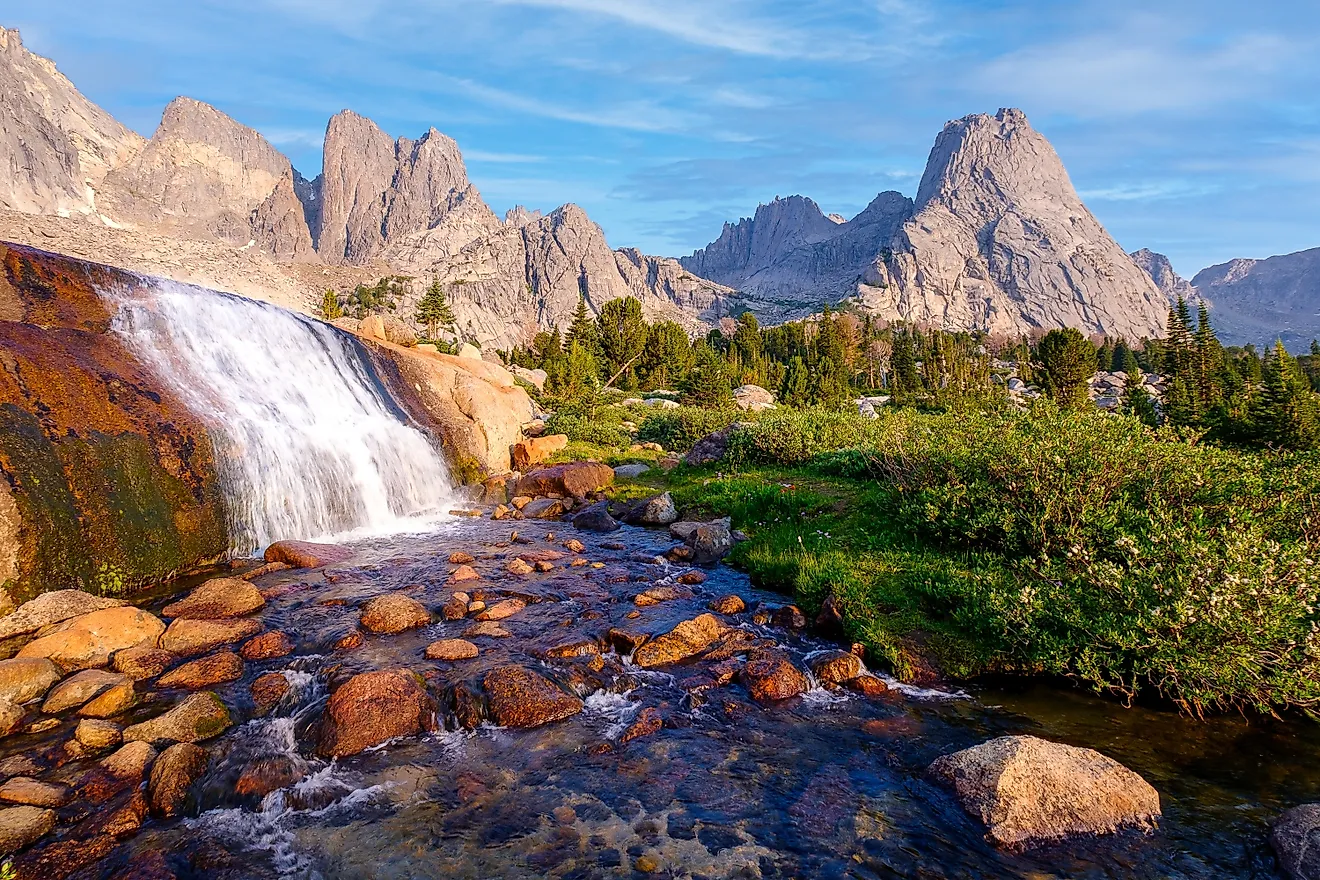
Copperheads are snakes of low and middle mountain elevations, and in the southern Appalachians they are generally found only up to about 3,000 feet. In Great Smoky Mountains National Park, which rises to more than 6,600 feet, the National Park Service describes the copperhead specifically as the snake "of the low and middle altitudes." Below that 3,000-foot mark, in the valleys, foothills, and lower slopes, they are common and widespread. Climb much higher than that, though, and they quickly thin out and disappear. The exact ceiling varies a bit with the terrain, and a warm, south-facing rocky slope can let a copperhead hang on a little higher than a cold, shaded one, but as a rule of thumb the 3,000-foot line marks the edge of their comfort zone.
They Don't Climb as High as Rattlesnakes

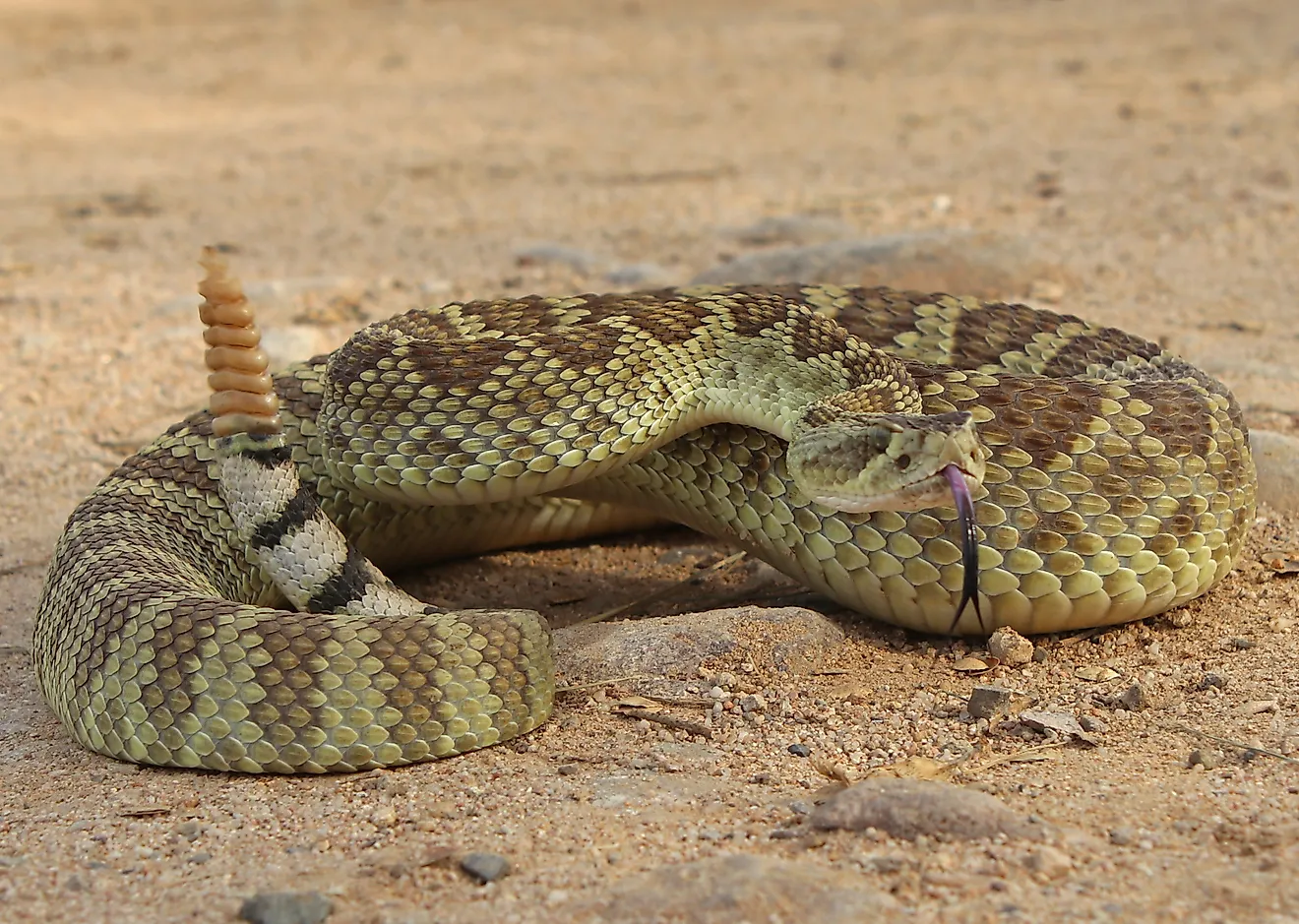
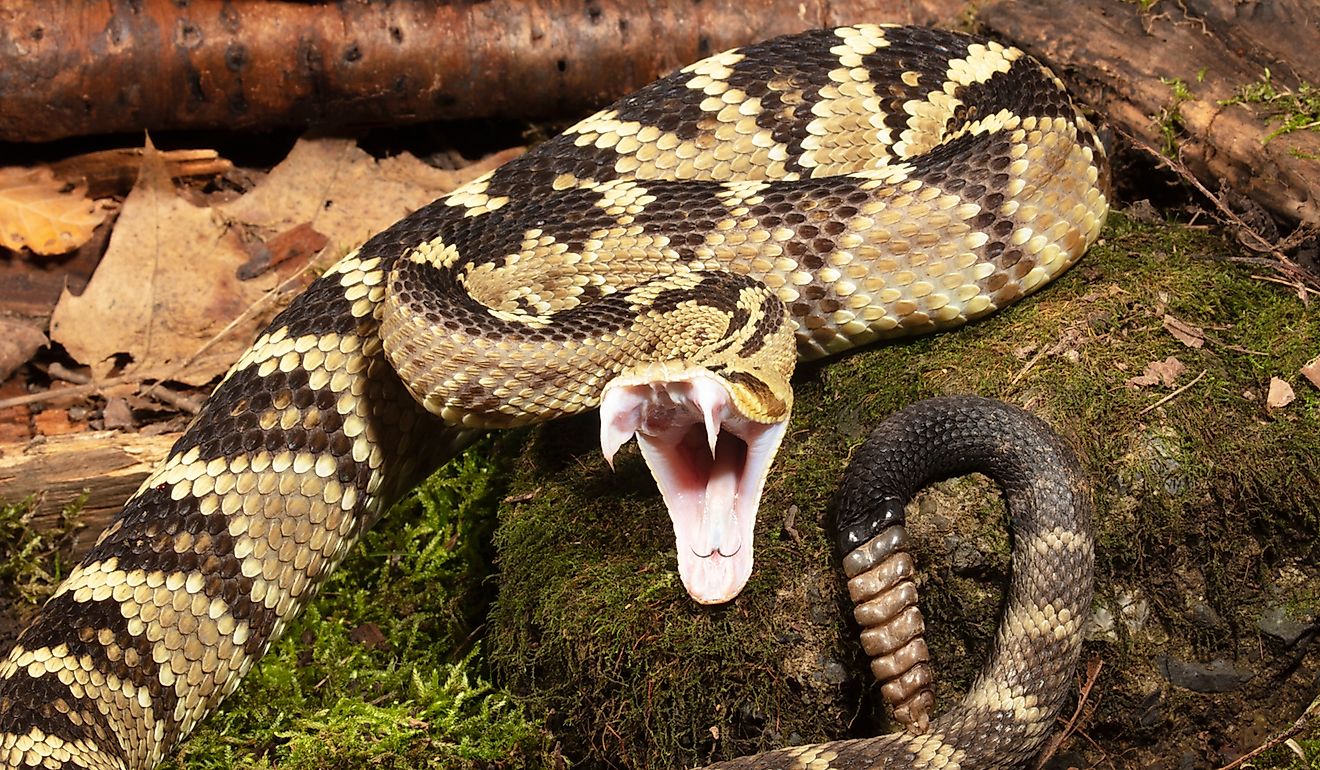
The contrast with the mountains' other venomous snake is striking. The timber rattlesnake, the copperhead's larger cousin and fellow pit viper, ranges far higher, turning up throughout the Great Smokies to at least 5,800 feet and near 6,000 feet in places. Copperheads simply do not reach those heights at all. In effect, the two snakes split the mountains between them: the high, cold ridgetops belong to the timber rattlesnake, while the warmer lower elevations are copperhead country.
Why They Stay Low

The reason comes down to warmth. Copperheads favor the warmer conditions of lower rocky and wooded slopes, river valleys, and foothills, where the growing season is longer and prey is plentiful. The high summits, by contrast, are colder, windier, and locked into a much shorter active season, and the hardier, more cold-tolerant timber rattlesnake is simply better suited to tough it out up there. For a copperhead, the heat it needs to stay active and to hunt is found down low, so that is where it stays. Those same lower slopes also offer the leaf litter, rock piles, and rodent-rich edges that a copperhead depends on, none of which it would find on a bare, wind-scoured summit.
Where the Two Overlap

None of this means the two snakes never cross paths. At the lower and middle elevations where their ranges meet, copperheads and timber rattlesnakes are often found in exactly the same kind of rocky, wooded terrain. They are known to share the same ambush spots and even to hibernate together in the same communal dens through the winter. As close relatives in the same pit-viper family, they tolerate one another's company surprisingly well.
Spotting One in the Mountains

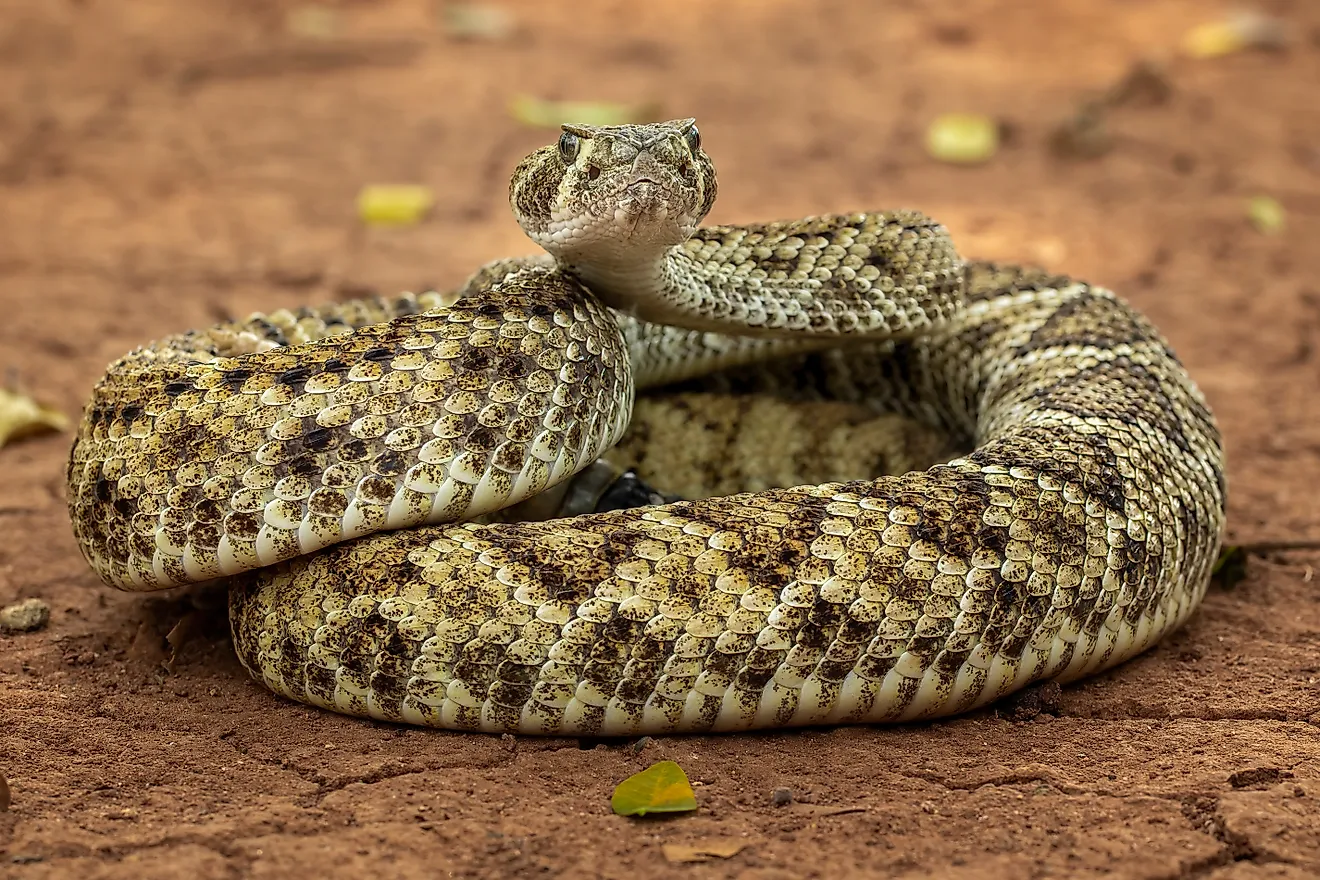
For a hiker, the practical takeaway is simple: you are far more likely to meet a copperhead in the valleys, foothills, and lower trails than up on a high ridgeline. These snakes are masters of camouflage, their coppery, hourglass bands melting perfectly into fallen leaves, and people regularly step right over them without ever noticing. The best advice on lower, rocky, wooded terrain is to watch where you put your feet and hands, and to give any snake you do spot a wide, respectful berth. Stick to the high summits and, copperhead-wise at least, you will have the trail almost entirely to yourself.