10 Famous Landforms In The U.S.
The United States has the most famous canyon on earth, some of the oldest mountains on the continent, the lowest and hottest ground in North America, and more than half the world's geysers, plus the one swamp where alligators and crocodiles share a zip code. Ranking landforms like these against each other is a fool's errand, so the numbers are gone and nothing here is in any order. These are ten that almost any American would know on sight. How you choose between them is your problem.
The Grand Canyon

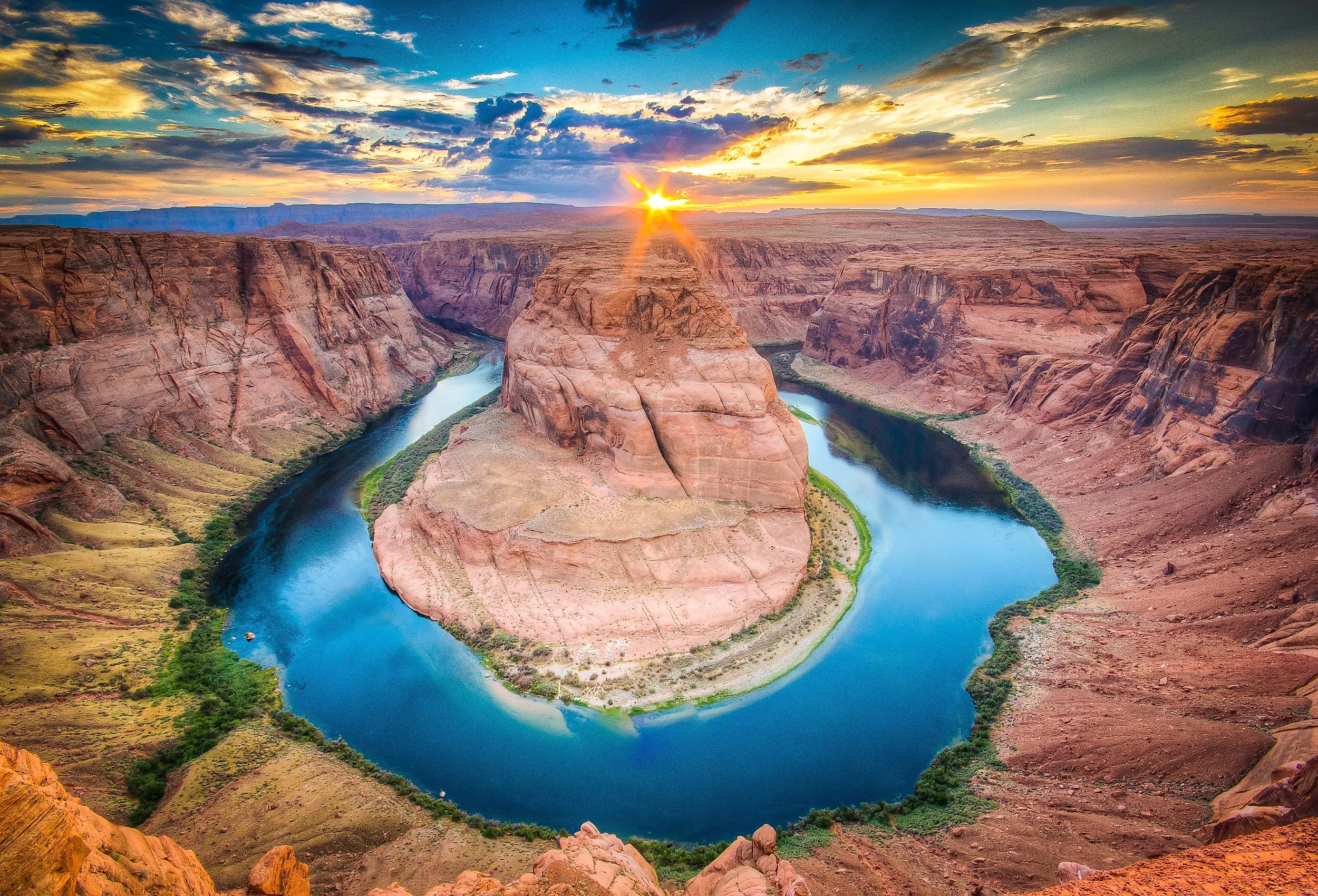
The Grand Canyon is the one landform here that needs no introduction, which is a problem, because nothing anyone says about it lands until you are standing at the edge of it. It runs 277 miles through northern Arizona and drops more than a mile straight down, all of it carved by the Colorado River grinding away for millions of years. There are viewpoints along both rims, and you should hit as many as you can stand, because the canyon looks like a different place from every one of them. If a mile of vertical rock does not do it for you, you can hike down into it or raft the river at the bottom.
The Appalachian Mountains

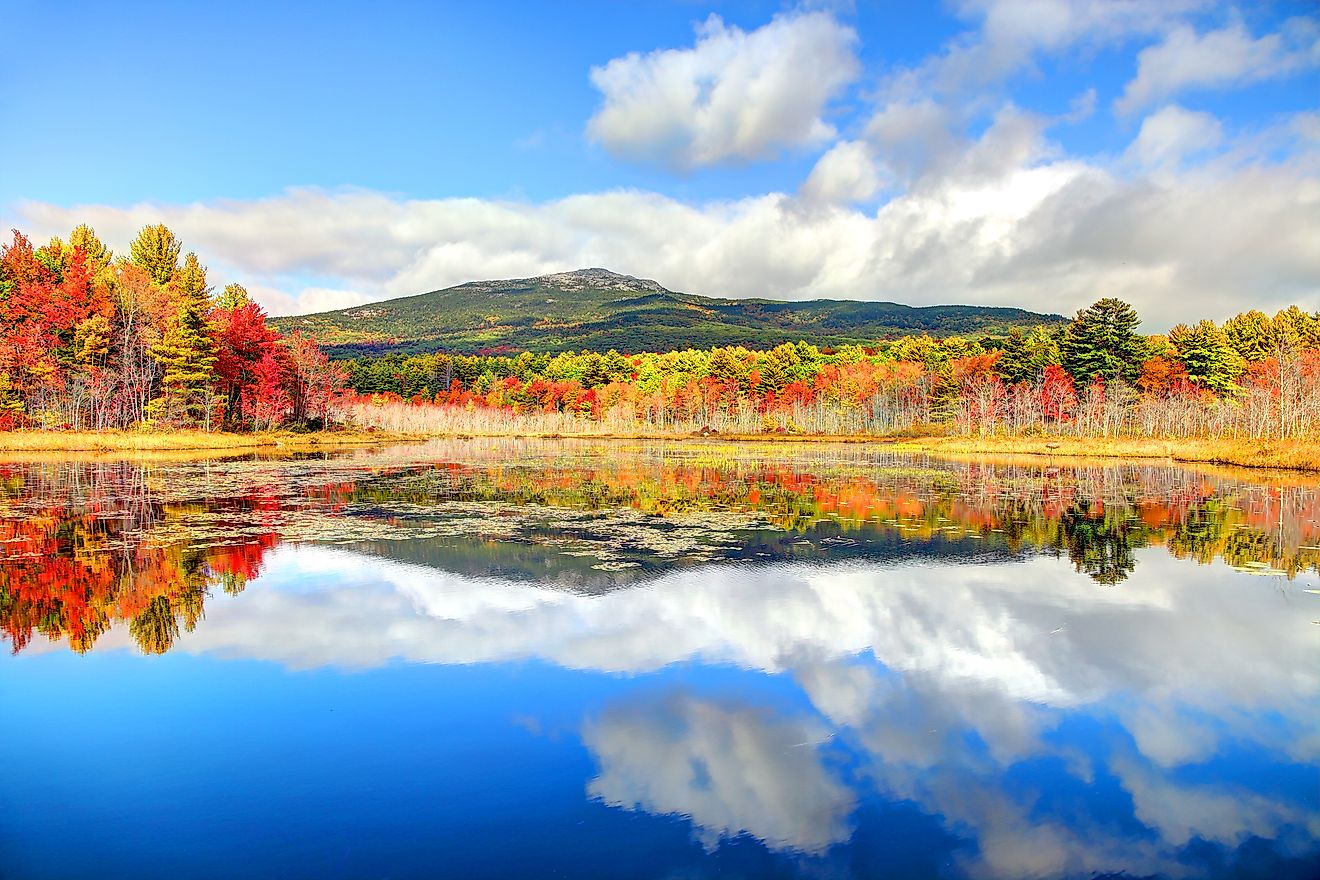
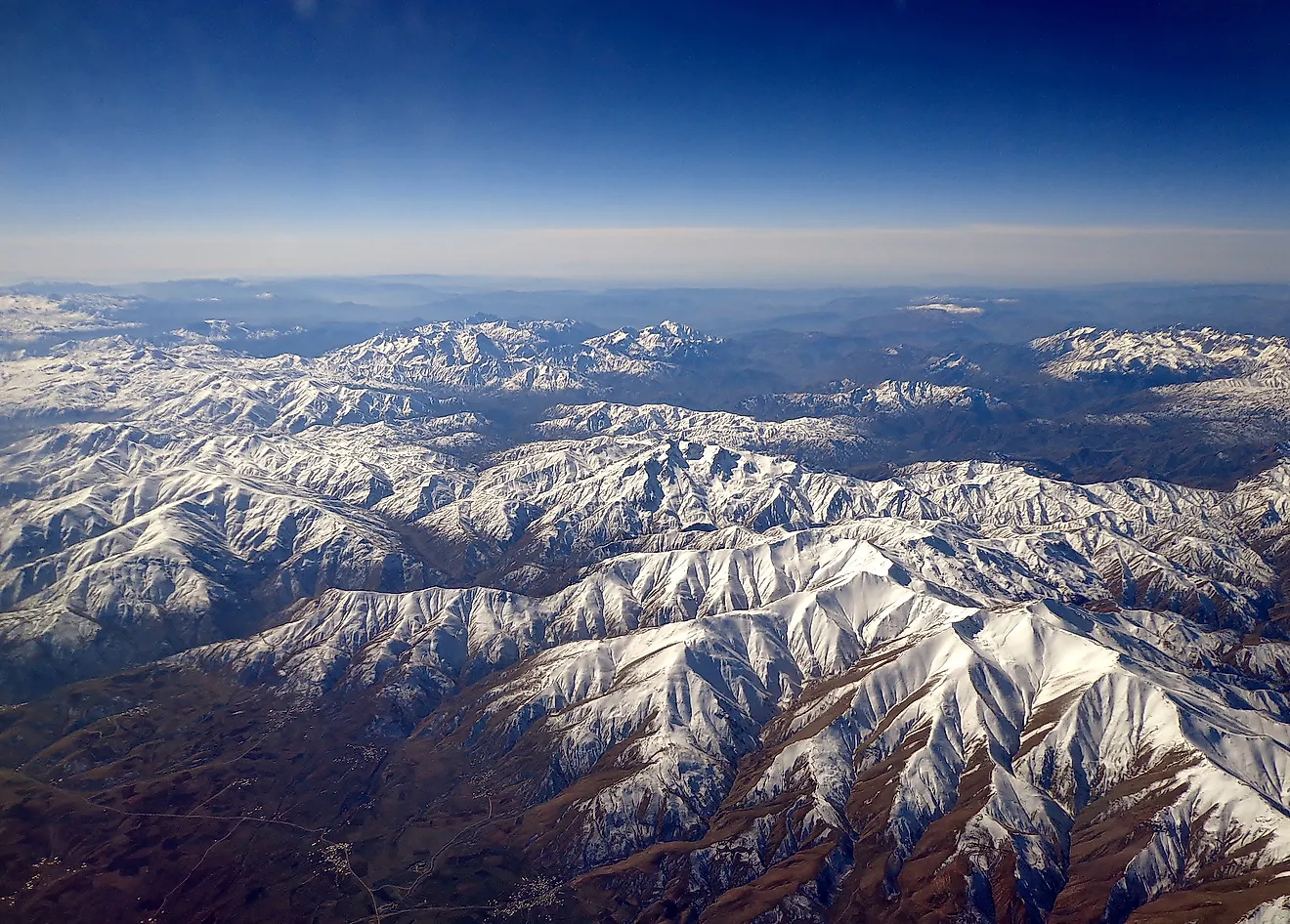
The Appalachian Mountains are old enough to make the Rockies look brand new. They began rising roughly 480 million years ago, and hundreds of millions of years of weather have since rounded off their once-jagged peaks, which is why they read as soft green hills next to the sharp young ranges out west. The chain runs the length of eastern North America, Newfoundland at the top and central Alabama at the bottom. Inside it sits Great Smoky Mountains National Park, the most visited national park in the country, proof that the worn-down old mountains still draw a bigger crowd than anything with a proper summit.
Kilauea Volcano

Kilauea, on the Big Island of Hawaii, is one of the most active volcanoes on the planet, which is a polite way of saying it is almost always doing something. It is a shield volcano, built low and wide by countless lava flows rather than blown up into a dramatic cone, and it sits inside Hawaii Volcanoes National Park. When it is erupting, and it erupts often, you can stand at a marked overlook and watch molten rock move across the ground, which is not a sentence that applies to many places you can reach by car. Catch it on the right week and you will understand why people have been building myths around volcanoes for as long as there have been people.
The Mississippi River

Strictly speaking, a river is not a landform, but try leaving the Mississippi off any list of famous American anything and see how that goes. It is not even the longest river in the country, the Missouri beats it, but it is easily the most famous, running about 2,320 miles through ten states and through a good chunk of American music and literature besides. It still does real work hauling freight, and it still carries people for fun, including paddle-wheeler cruises out of New Orleans that recreate the steamboat era for anyone who wants to pretend it is 1850 for an afternoon.
Death Valley

Death Valley collects superlatives the way other places collect gift shops. It is the largest national park in the contiguous United States, it holds the lowest point in North America at Badwater Basin, 282 feet below sea level, and it is one of the driest places anywhere on earth. It is also the hottest, having recorded 134 degrees Fahrenheit back in 1913, a world record that still stands. The park is open all year, but the sane months to visit run October through April, unless your idea of a good time is standing in an oven.
The Rocky Mountains

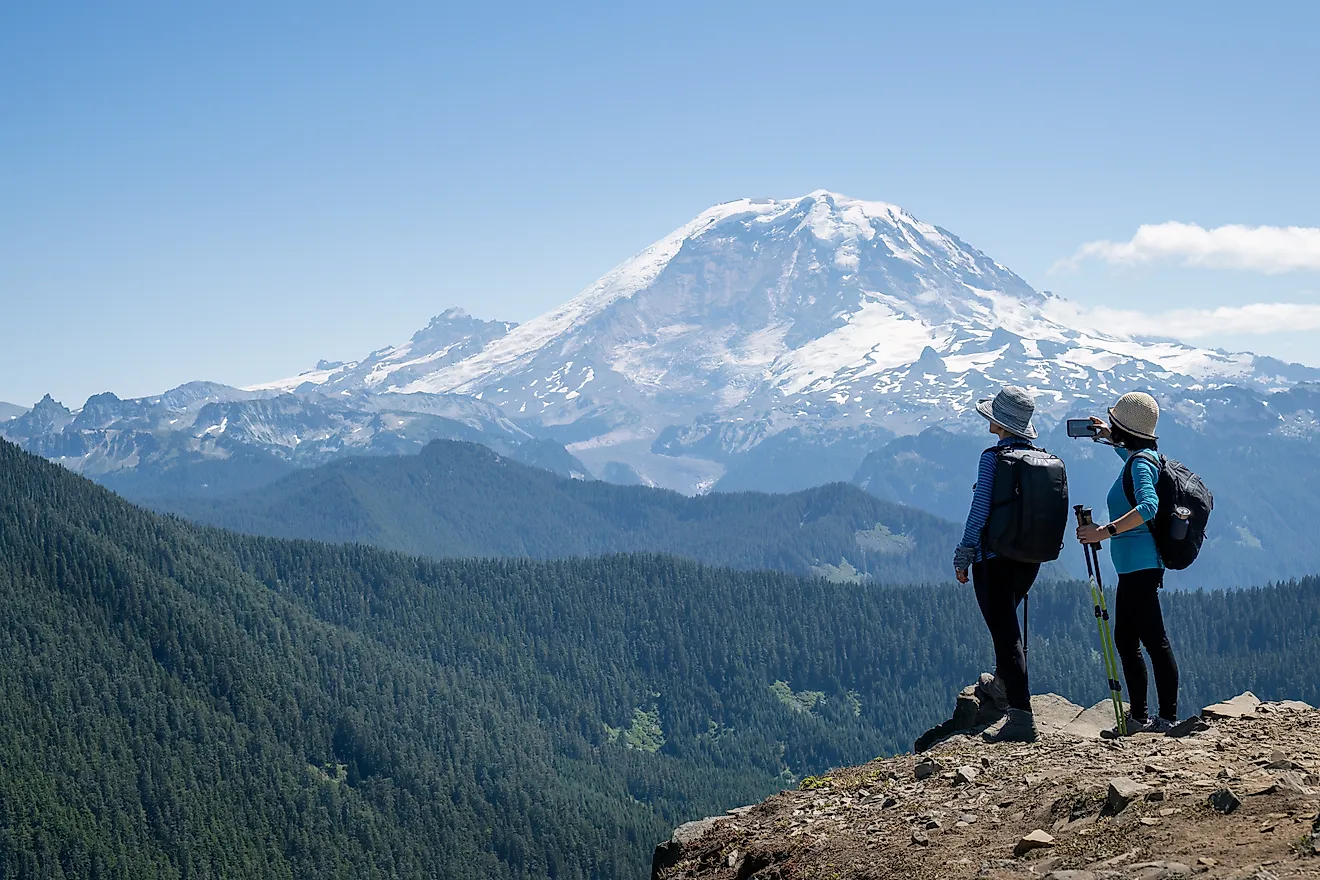
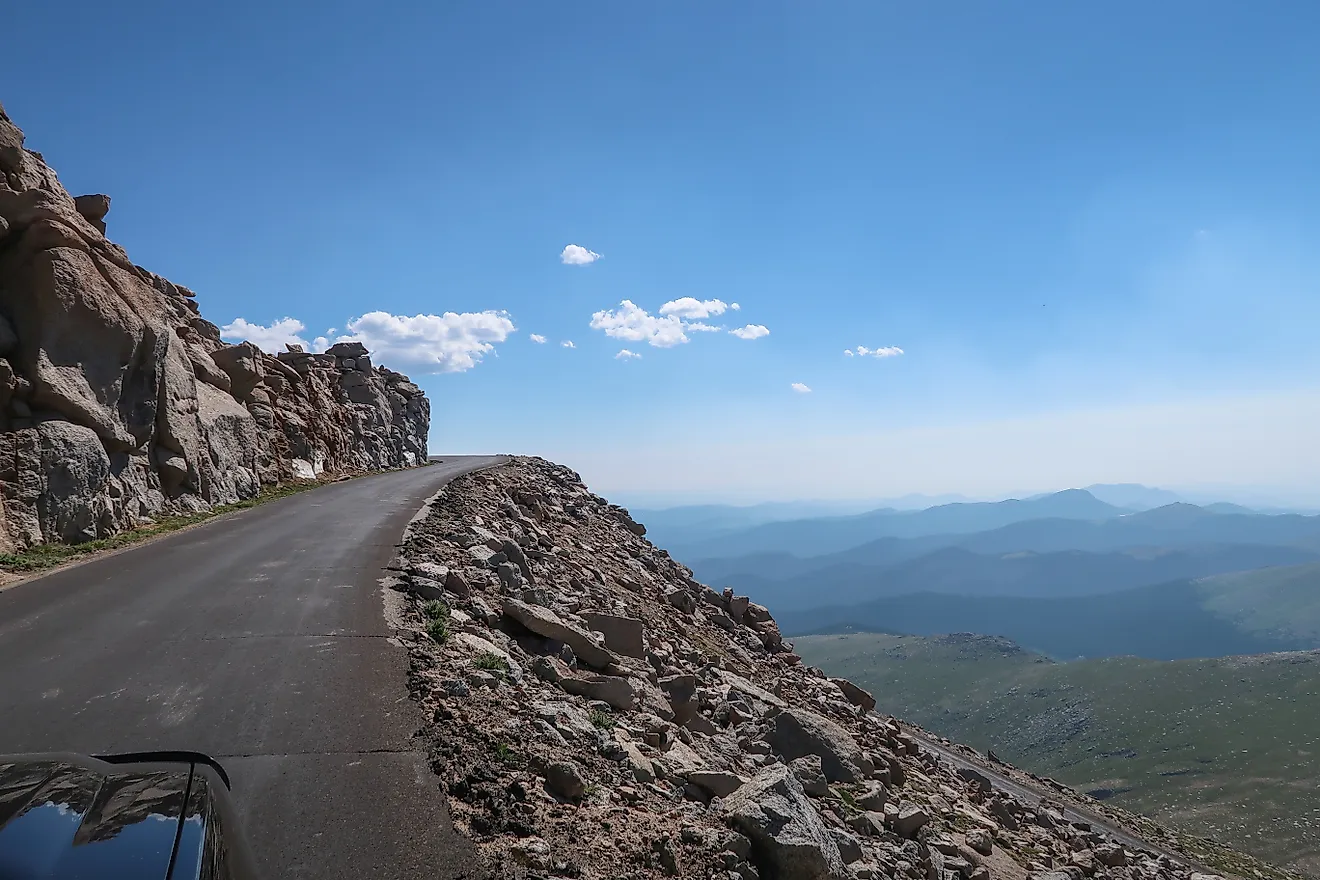
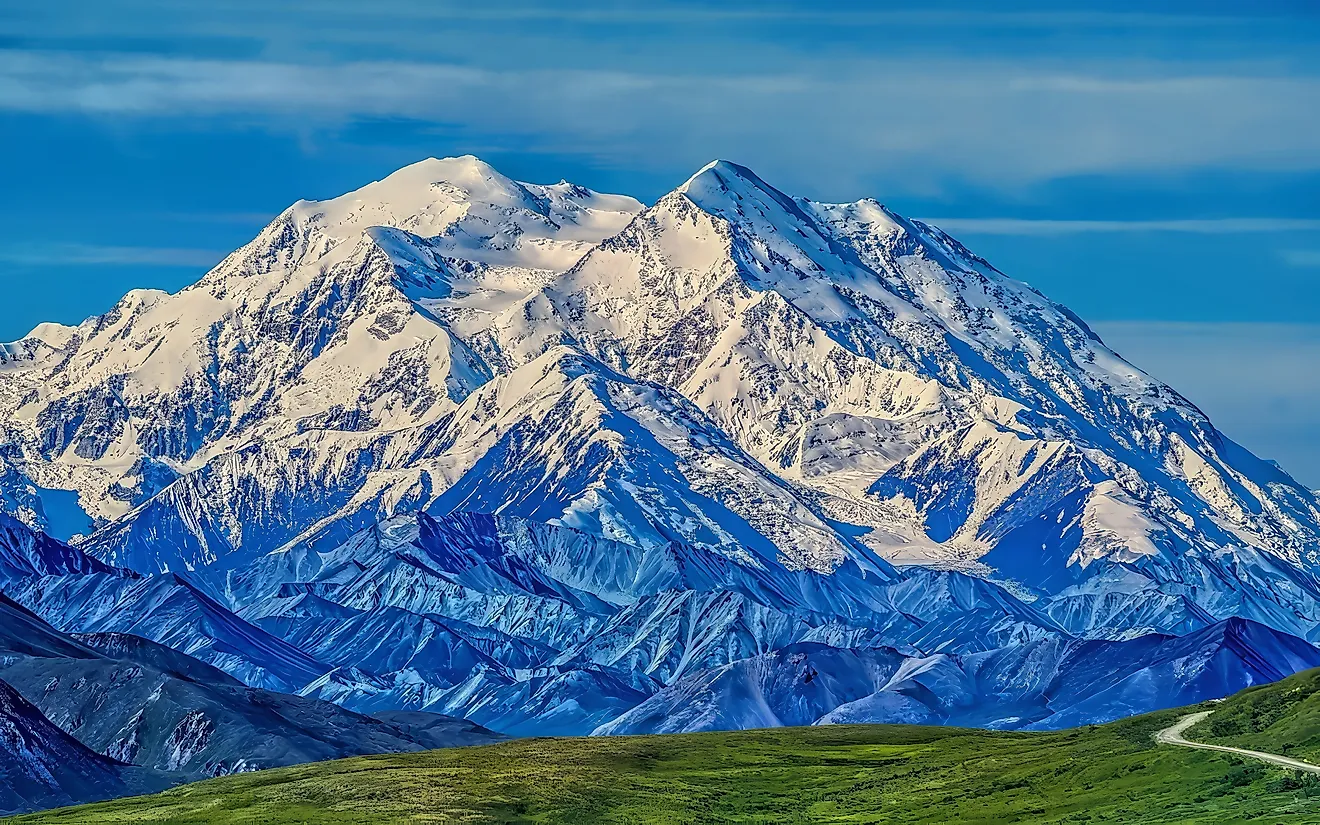
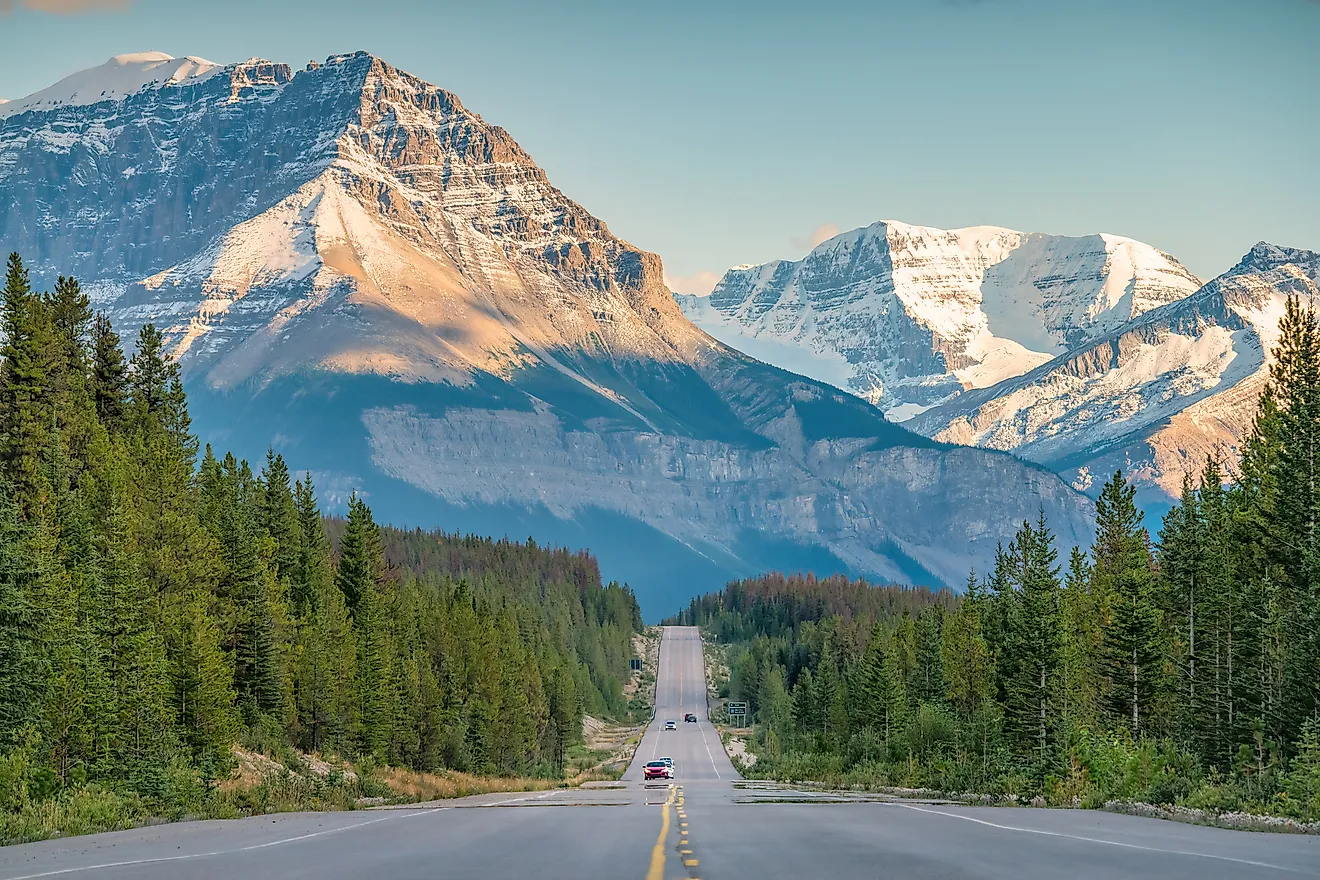
The Rockies are less a mountain range than a mountain region, a 3,000-mile wall of rock built from more than a hundred separate ranges. They run the western spine of the continent, anchored in Canada at the north end and petering out in New Mexico at the south. Several national parks protect pieces of them, Rocky Mountain and Glacier and Grand Teton among the best known, and the highest, sharpest country tends to sit in the Colorado stretch. This is the landform people picture when they picture the American West, and for once the picture is accurate.
The Everglades

The Everglades is the only place on earth where American alligators and American crocodiles live side by side, which is the kind of fact that sells a place better than any adjective. It spreads across the southern tip of Florida as a vast, shallow wetland, technically a river a few inches deep and sixty miles wide, and it packs in more than 360 species of birds along with panthers, manatees, and more reptiles than most people would choose to share a canoe route with. You can see it by boat, by kayak, or on foot, and the boat is the move. The one blot on the place is the Burmese pythons, released pets gone feral that now hunt the marsh in numbers nobody can fully count.
Kenai Fjords

Kenai Fjords sits on the Kenai Peninsula in south-central Alaska, and it is basically a factory for scenery. At its center is the Harding Icefield, a vast sheet of ice feeding dozens of glaciers that grind down to the sea and carve the deep, steep-walled fjords the park is named for. Worth noting: it is the glaciers doing the carving, not the icebergs, which are just the chunks that break off when a glacier reaches the water. The wildlife suits the setting, with whales, sea otters, and sea lions offshore, puffins on the cliffs, and black bears and mountain goats on the slopes. The only sensible way to take it in is from a boat, close enough to hear a glacier calve.
Carlsbad Caverns

Under the Chihuahuan Desert in New Mexico sits a system of more than 119 caves, and Carlsbad Caverns is the famous one. Inside are the stalactites and stalagmites you would expect, at a scale you probably would not, plus the Big Room, a single chamber so large it is the biggest cave room in North America. You reach it by walking down through the cave mouth or by taking an elevator that drops you the height of a 75-story building underground. It is the rare landform that gets more impressive the deeper you go into it, which is not something you can say about a mountain.
Yellowstone National Park

Yellowstone was the first national park anywhere in the world, signed into existence in 1872, and it earned the honor by being frankly unbelievable. It holds more than half of all the geysers on the planet, the best known being Old Faithful, which fires a column of scalding water skyward every hour or two with the reliability of a train schedule. The reason for all that plumbing is that the whole park sits on top of an active supervolcano, its magma chamber only a few miles below the boardwalks. Add the bison, the wolves, and the bears, and Yellowstone is less a park than a standing argument for why the country started protecting places like this in the first place.
So, How Do You Choose?
You do not, really. A mile-deep canyon, a swamp full of crocodiles, and a mountain range older than most life on land are not the sort of things that line up in order, and any list that puts one above another is mostly guessing. What they share is that each is the biggest, oldest, lowest, hottest, or strangest version of itself in the country, and that you could spend a lifetime on any single one without running out of it. So pick the closest. Start there.