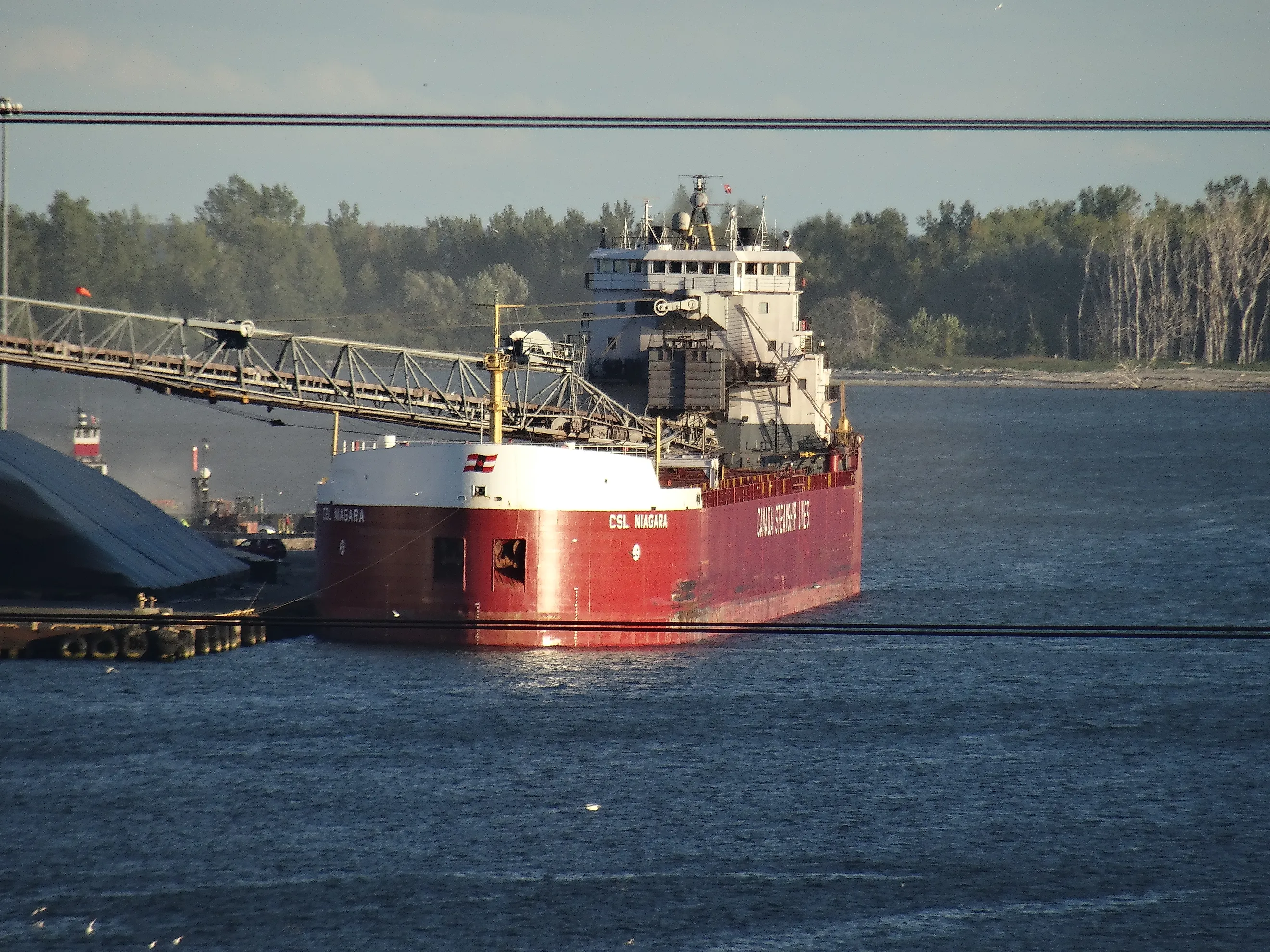
How Much Cargo A Great Lakes Freighter Carries In One Trip
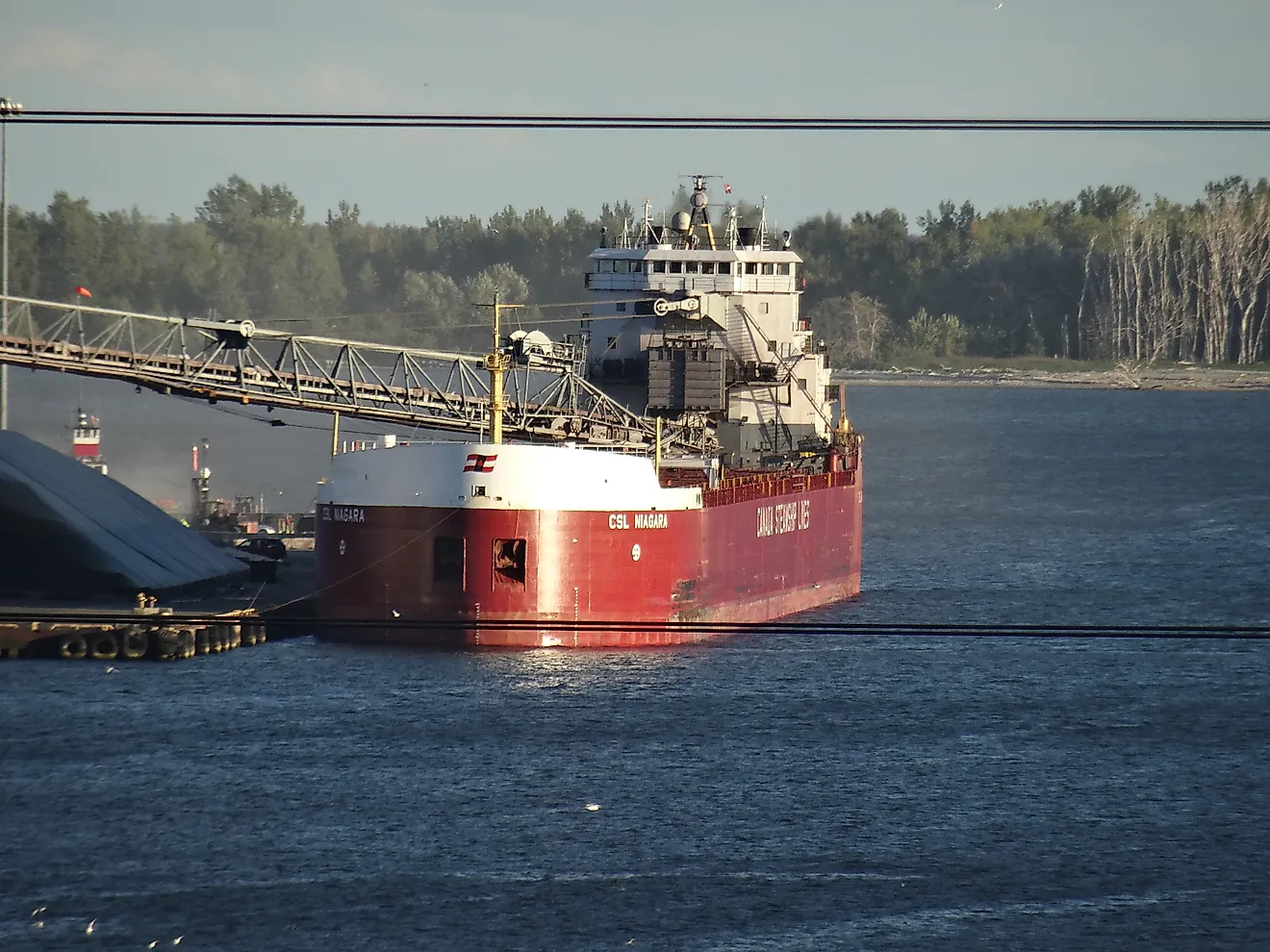
A single Great Lakes freighter swallows an almost comical amount of cargo in one trip, the kind of number that stops making any sense the moment you try to picture it as trucks. The largest of these ships, the famous "thousand-footers," can haul roughly 70,000 tons of iron ore or coal in a single load. That is a floating mountain of material, moved across the lakes in one quiet, unhurried voyage. It is also the reason these deeply unglamorous ships quietly keep North American steel, construction, and power running. Here is exactly how much a Great Lakes freighter carries in one trip, and what that staggering number actually looks like.
The Short Answer: About 70,000 Tons

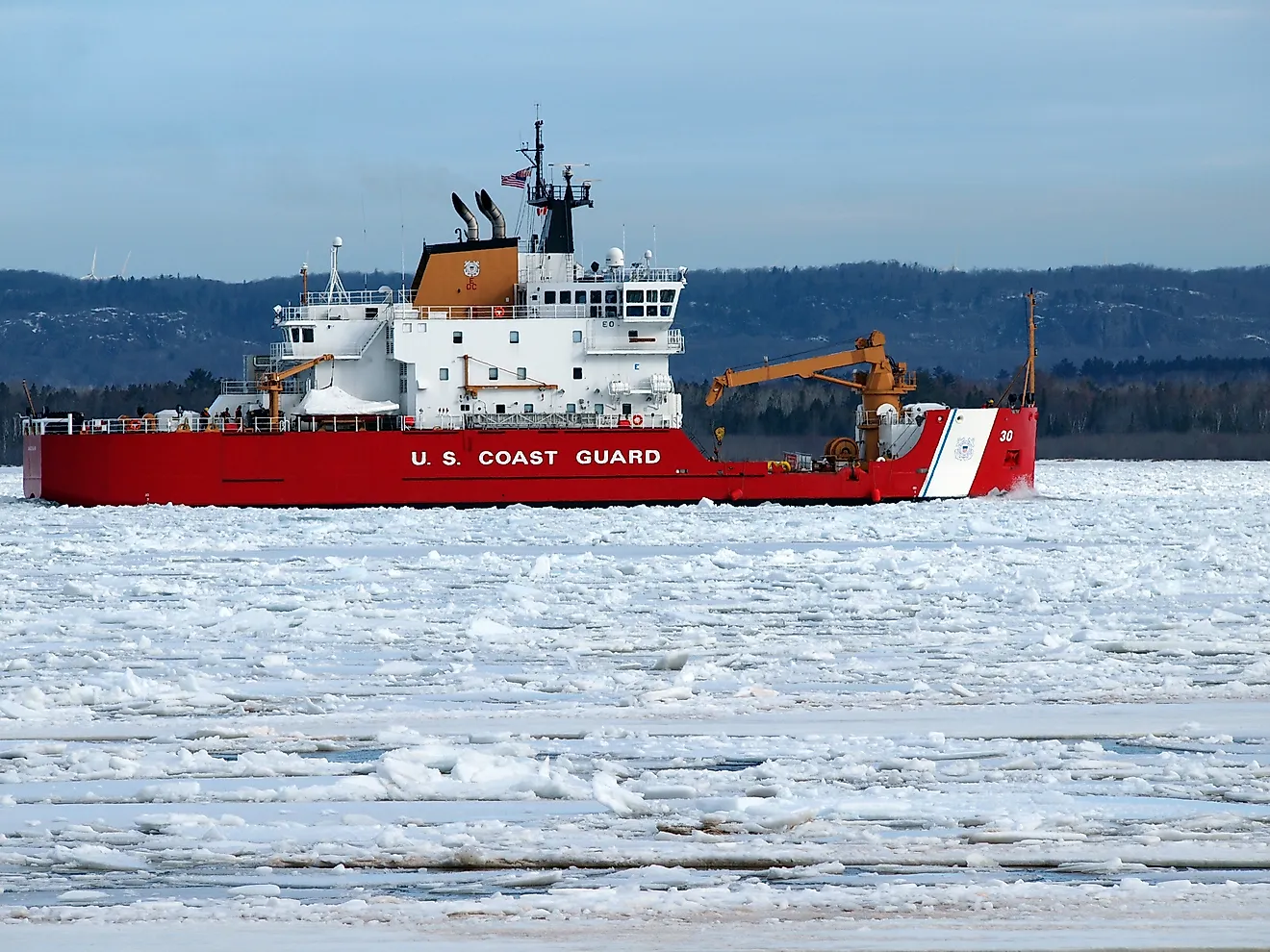
The biggest Great Lakes freighters carry around 70,000 tons of cargo per trip. The largest of them all, the Paul R. Tregurtha, can load roughly 68,000 tons of taconite iron-ore pellets or about 71,000 tons of coal, and several of her fellow thousand-footers, like the Edwin H. Gott and the Burns Harbor, post similar per-trip figures right around 69,000 to 70,000 tons. Smaller and older lakers carry far less, often in the 14,000 to 26,000-ton range; the ill-fated Edmund Fitzgerald, for instance, went down with about 26,000 tons of taconite. In fact, one modern thousand-footer can haul as much in a single trip as roughly six of the mid-century freighters combined.
What 70,000 Tons Actually Looks Like

A number like 70,000 tons is almost impossible to picture, so the shipping companies like to translate it for you. According to Interlake Steamship, which owns the Tregurtha, moving the cargo from just one of her trips would take about 700 railroad cars, or roughly 2,800 trucks. Picture a freight train seven or eight miles long, or a convoy of semis running nose to tail far past the horizon, all of it replaced by one ship. That is the quiet magic of hauling bulk cargo by water: a single vessel with a modest crew does the work of thousands of trucks, far more cheaply and on a fraction of the fuel.
Meet the Thousand-Footers

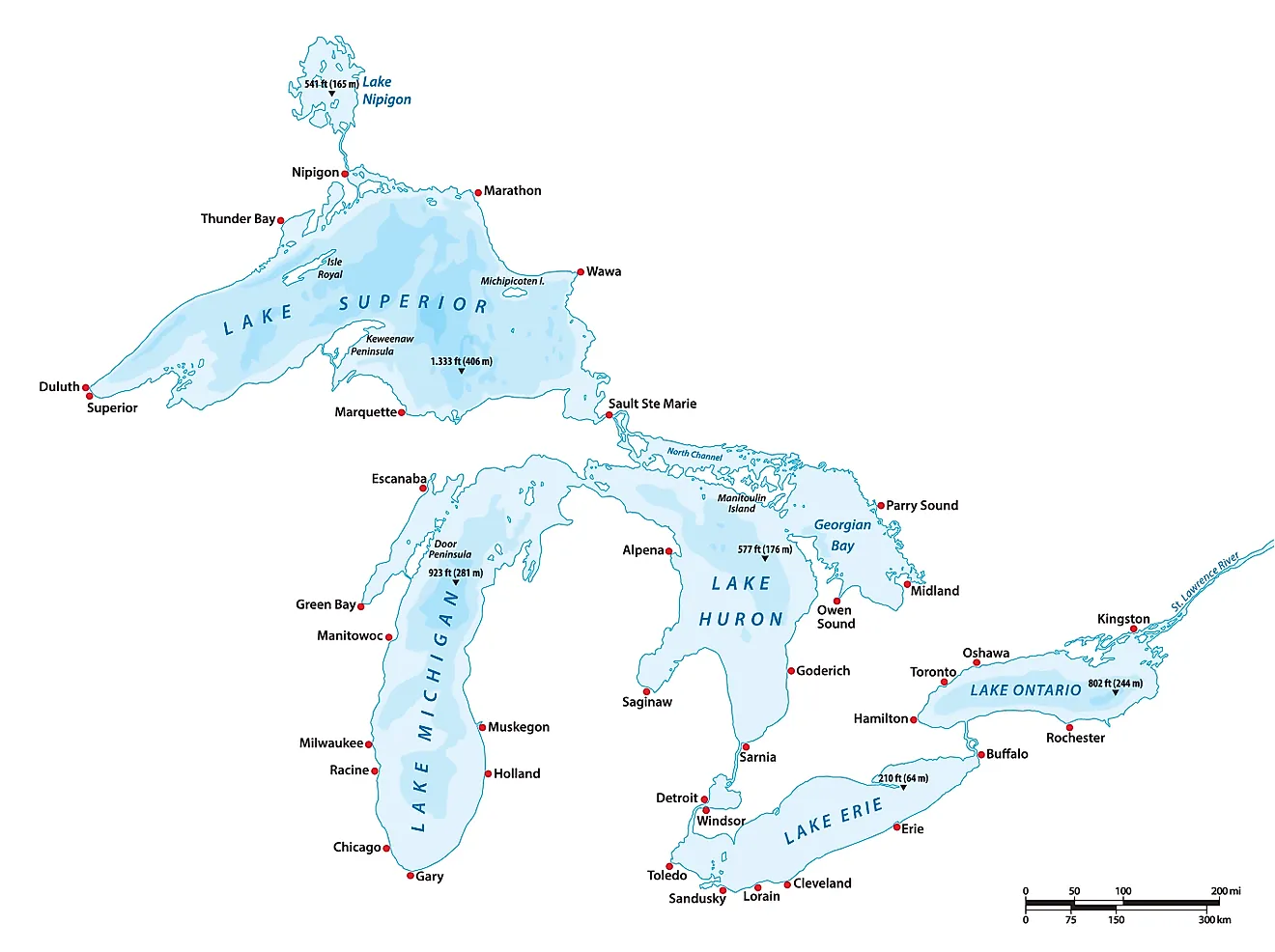
The ships capable of these hauls belong to a special class known as the thousand-footers, and there are only thirteen of them on the lakes. The Paul R. Tregurtha, at 1,013.5 feet, is the longest, which earns her the nickname "Queen of the Lakes." These giants also have a curious quirk: they are too big to leave. They cannot fit through the locks of the Welland Canal or the St. Lawrence Seaway, so they spend their entire working lives lake-locked, shuttling between ports on the upper Great Lakes and squeezing through the massive Poe Lock at the Soo, the only lock big enough to handle them.
What They Haul and How They Dump It

So what fills those cavernous holds? The bulk of it is iron ore in the form of taconite pellets bound for the steel mills, along with coal, limestone and stone, grain, cement, and salt. Just as impressive as how much they carry is how fast they can get rid of it. Most modern lakers are self-unloaders, meaning they carry their own conveyor system and a long swinging boom, often around 260 feet, that lets them empty an entire 70,000-ton load in roughly eight hours without any help from shoreside cranes. The ship pulls up, swings out the boom, and a mountain of cargo simply pours ashore.
A Season of Hauling

Multiply a single trip across a whole shipping season and the totals become genuinely enormous. A single thousand-footer makes trip after trip from spring right up until the Soo Locks close for roughly ten weeks each winter, moving millions of tons in a single year; the Tregurtha once pushed more than three million tons through the Soo Locks in one season alone. Across the whole fleet, the US-flag lakers moved some 71 million tons of cargo in 2025, the bulk of it iron ore headed for steelmaking. It is an unglamorous, almost invisible operation, and it quietly underpins a huge share of the continent's heavy industry, one 70,000-ton trip at a time.