The Deepest Lakes You Can Still Catch Fish In
The world's deepest lakes are strange, forbidding places at the bottom, cold, black, and crushing, with pressures that would flatten most anything living. But fish do not care about the bottom. They live in the sunlit shallows and the middle depths, which means some of the deepest bodies of water on the planet are also outstanding places to drop a line. People have fished a few of these lakes since the Stone Age. Here are the deepest lakes on Earth where you can still catch fish, ranked roughly by depth, plus one famous giant where you absolutely cannot.
Lake Baikal, Russia
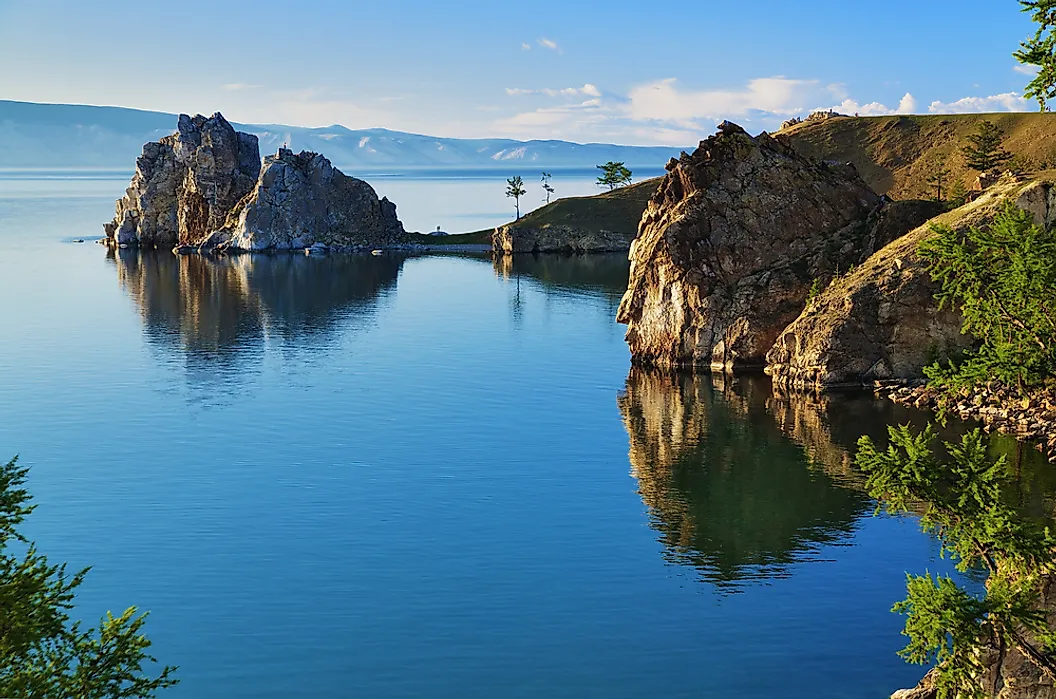
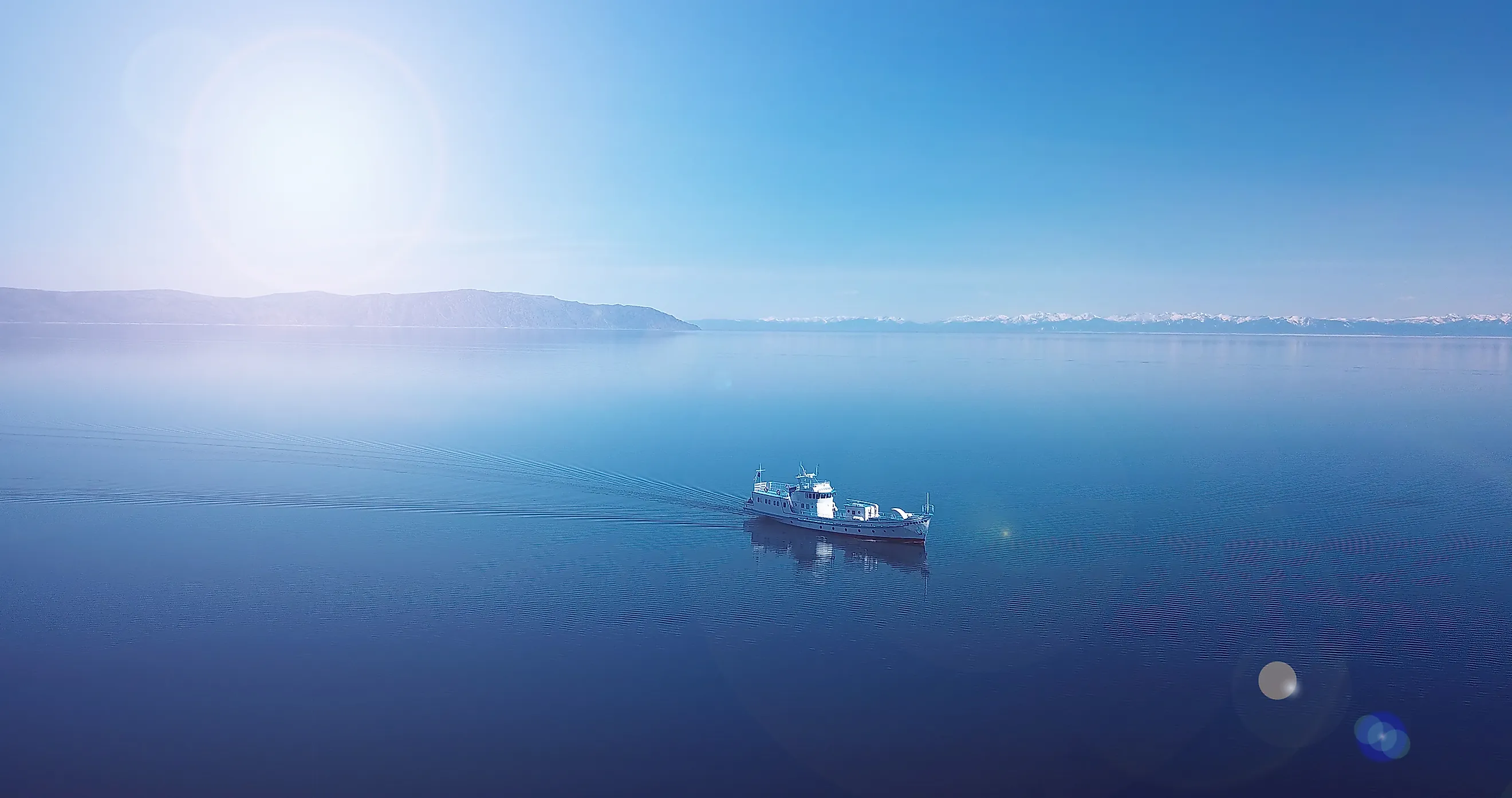
Nothing else is close. At 5,387 feet, Siberia's Lake Baikal is the deepest lake in the world and holds a fifth of the planet's unfrozen fresh water, yet it is fished hard and happily. The star is the omul, a delicate endemic whitefish that locals smoke, salt, and swear by, but anglers also pull grayling, cisco, and even sturgeon from its crystal water. In winter the surface freezes thick enough to drive on, and ice fishing becomes a regional pastime. For a lake deep enough to swallow a mountain, Baikal is remarkably generous to the people who fish it.
Lake Tanganyika, Africa
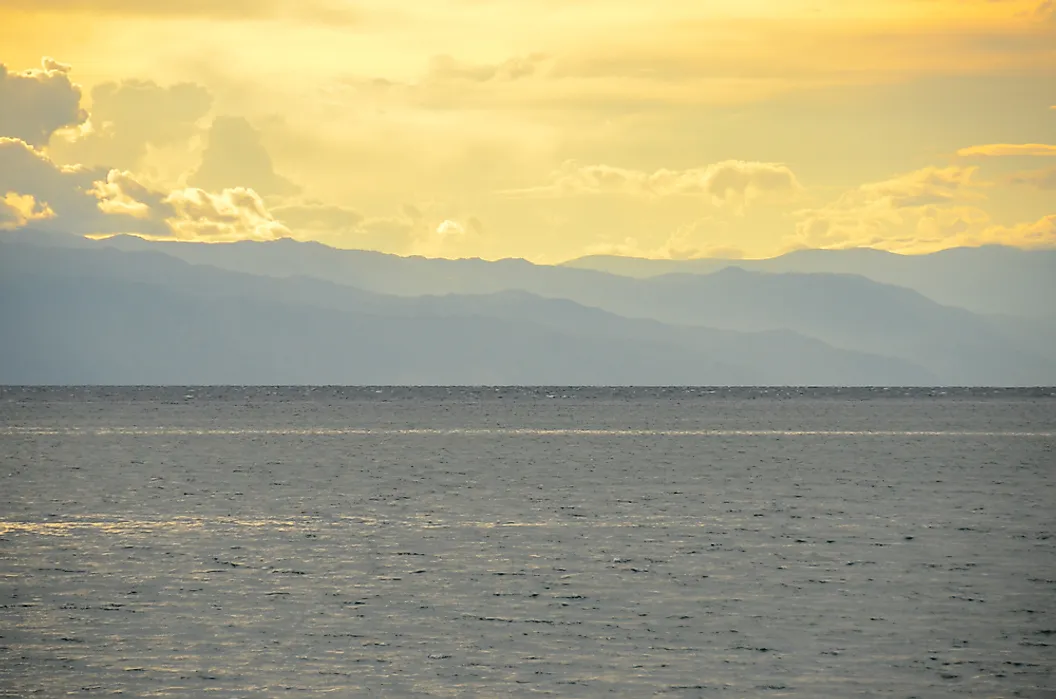
Stretching 4,823 feet down along the borders of four African nations, Lake Tanganyika is the second deepest lake on Earth and one of the busiest fisheries on the continent. Communities have fished its shores since the Stone Age, and today the catch feeds millions. The workhorses are two species of small freshwater sardine, netted by the ton at night under lantern light, but Tanganyika is most famous for its cichlids, hundreds of dazzling species found nowhere else, many of which end up in home aquariums around the world. It is proof that a lake can be almost unimaginably deep and still be a dinner-table staple.
Lake Malawi, Africa

Plunging some 2,316 feet, Lake Malawi may be the single most fish-rich lake anywhere, home to an estimated one thousand species, the vast majority of them cichlids. For the countries along its shores, it is a lifeline: the local chambo, a type of cichlid, is a national dish in Malawi and the target of a fishery that employs and feeds enormous numbers of people. Snorkelers come for the rainbow-colored fish darting through the shallows, and anglers come for the same reason everyone else does, because a lake this deep and this alive rarely sends you home empty-handed.
Lake Issyk-Kul, Kyrgyzstan

Set high in the Tien Shan mountains at over 5,000 feet of elevation, Kyrgyzstan's Lake Issyk-Kul reaches nearly 2,200 feet deep and, thanks to a faint saltiness and geothermal warmth, never freezes even in a brutal Central Asian winter. Its name even means "warm lake." Anglers here pursue introduced trout alongside the lake's hardy native fish, and after decades of heavy pressure the fishery is now carefully managed to let stocks recover. It is one of the least-known lakes on this list, and one of the more atmospheric places imaginable to fish, ringed by snow-capped peaks.
Great Slave Lake, Canada

At 2,014 feet, Great Slave Lake in Canada's Northwest Territories is the deepest lake in North America, and for serious anglers it is close to holy ground. Its cold, clear water grows enormous lake trout, along with trophy northern pike, Arctic grayling, and walleye, and fly-in lodges cater to people who travel a very long way to catch them. The fishing season is short and the setting is genuinely remote, but the payoff is fish of a size that has faded from more crowded waters farther south. This is bucket-list angling in one of the deepest lakes on the planet.
Crater Lake, Oregon

The deepest lake in the United States, at 1,943 feet, has the strangest fish story on this list: it should not have any. Crater Lake sits in a collapsed volcano with no inflowing rivers, so it was completely barren of fish until people stocked it between 1888 and 1941. Two species stuck, kokanee salmon and rainbow trout, and today an estimated 60,000 of them swim in the bluest water you will ever see. Because they are not native, the park actually encourages fishing: no license is required and there is no catch limit. The catch is that you must use artificial lures only, and getting to the water means hiking down the steep Cleetwood Cove Trail. Land a salmon here and you have fished the cleanest, deepest water in the country.
Lake Tahoe, California and Nevada

Straddling the California-Nevada line, Lake Tahoe drops 1,645 feet and pairs postcard scenery with a genuinely good fishery. The headline fish is the mackinaw, a lake trout that can grow past twenty pounds in Tahoe's deep, cold water, and charter boats troll for them year-round. Kokanee salmon, rainbow trout, and brown trout round out the menu. Tahoe is famous for water so clear you can see dozens of feet down, which makes for beautiful fishing even when the trout are being stubborn. It is the most accessible deep-water trophy lake in the American West.
Lake Superior

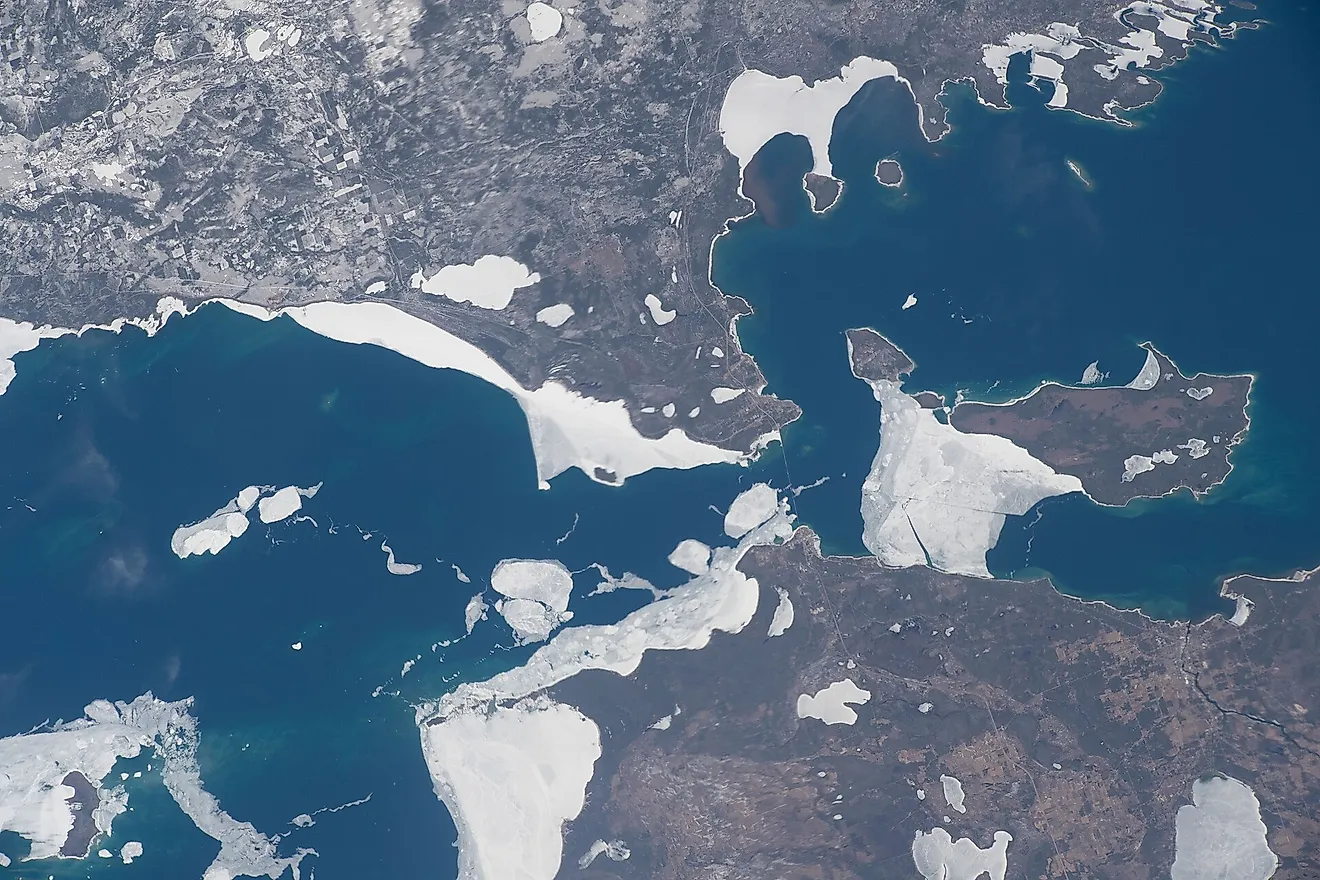
The largest and deepest of the Great Lakes, Lake Superior bottoms out at 1,333 feet, and its frigid, well-oxygenated water is prime habitat for cold-loving fish. Anglers target lake trout, several kinds of introduced salmon, whitefish, and walleye, working the shorelines, river mouths, and reefs from boats and piers. Superior is vast enough to generate its own weather and moody enough to sink ships, but on a calm morning it is one of the most rewarding places to fish in North America, and by far the most reachable giant on this list for most readers.
The Deepest One You Can't Fish: Lake Vostok
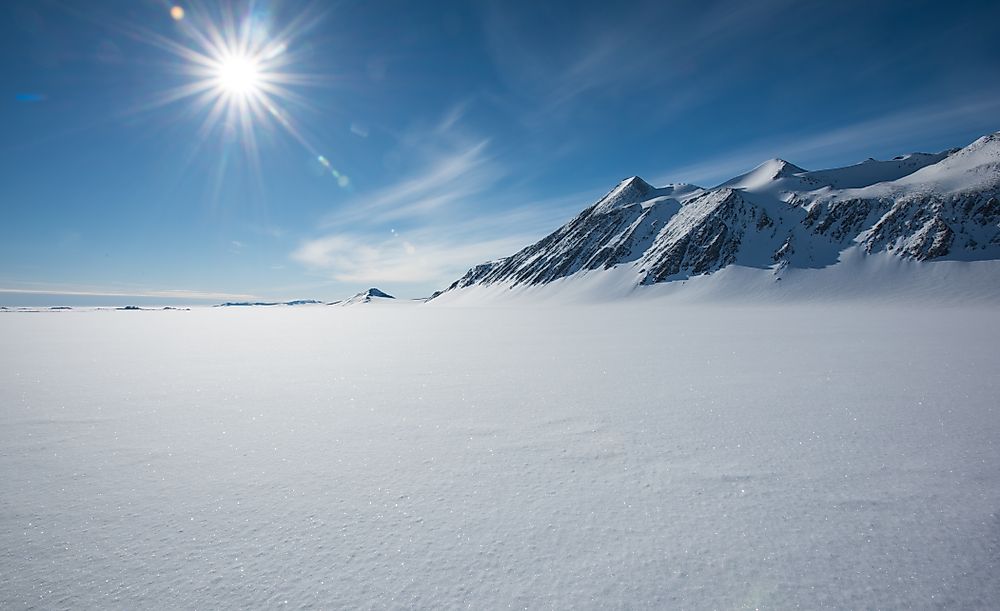
One deep lake defeats even the most determined fisherman. Antarctica's Lake Vostok ranks among the very deepest lakes on Earth, but it is buried under more than two miles of solid ice and has been sealed off from the outside world for millions of years. Scientists believe microbial life may survive in its lightless, pressurized water, but there are no fish to catch and no way to reach it with anything short of a deep-drilling rig. Consider it the exception that proves the rule: almost every deep lake on the planet will happily give up a fish, but this one keeps its secrets.