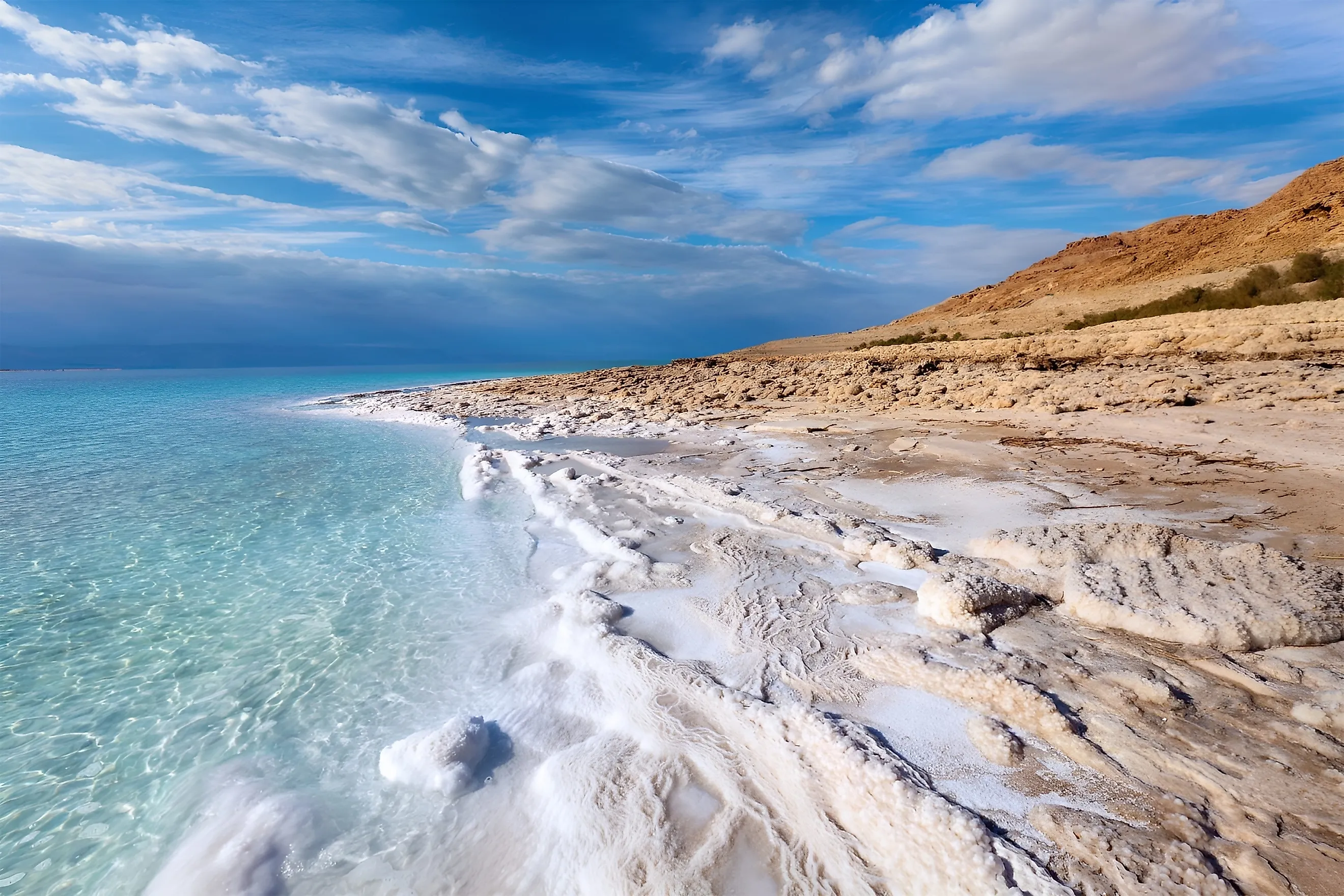
How The Dead Sea Compares To The Great Lakes
One of them is a lake that stubbornly insists on calling itself a sea. The others are lakes so enormous that everyone just calls them seas anyway. One holds you up like a cork whether you want it to or not; the others will happily pull you straight under. The Dead Sea and North America's Great Lakes are two of the most famous bodies of water on the planet, and they agree on almost nothing. So let's put the salty little overachiever from the Middle East up against the freshwater giants of the north and see how they really stack up.
Salt: They're Total Opposites

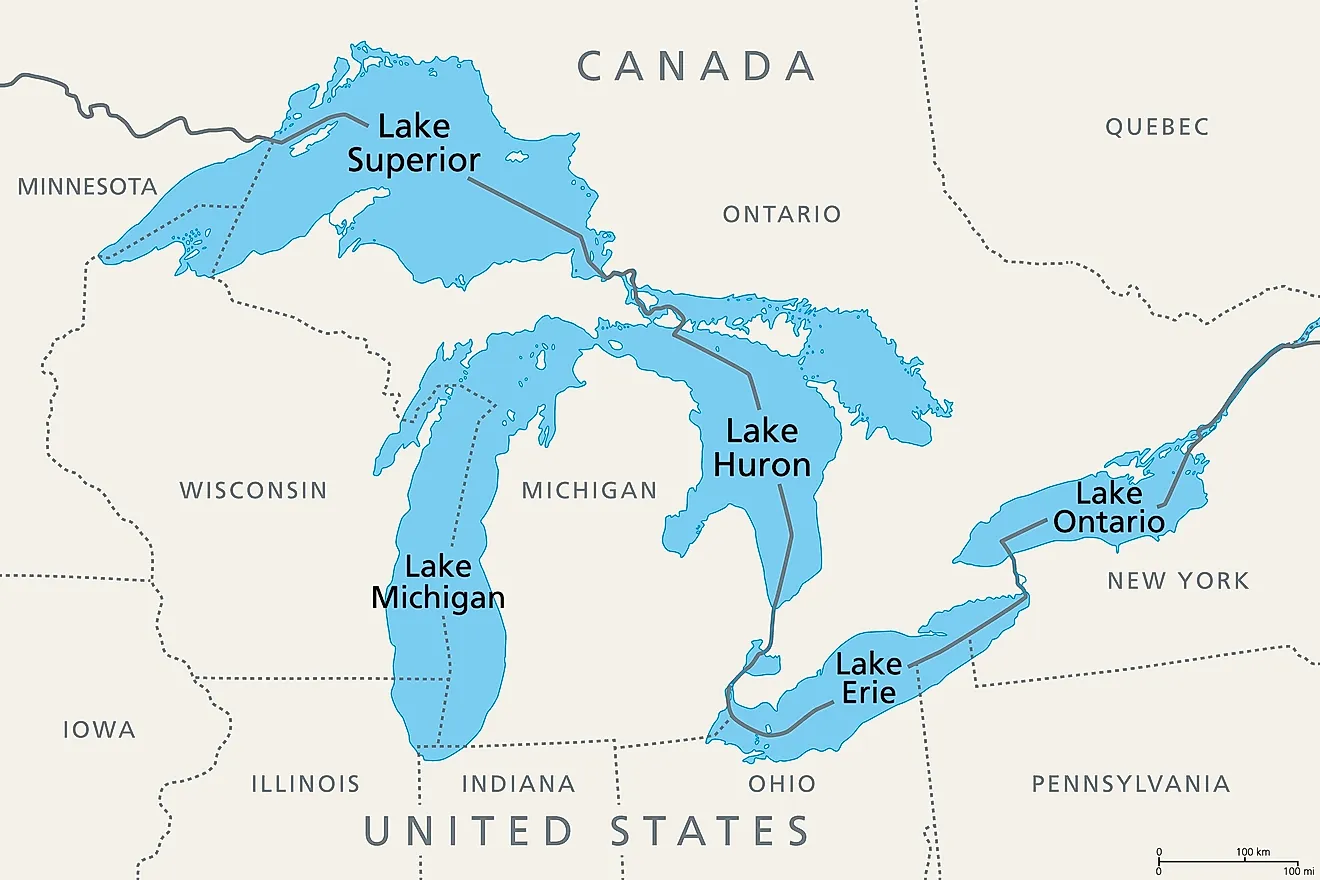
Start with the obvious one. The Dead Sea is roughly 34 percent salt, which is nearly ten times saltier than the ocean, and so dense that you don't so much swim in it as bob around on top like a human cork. Sinking is simply not on the menu. The Great Lakes are its exact opposite: together they hold about a fifth of all the fresh surface water on the entire planet, the single largest supply of fresh water on the continent. So one is a giant bowl of brine that nothing can drink, and the others are the drinking fountain for some 30 million people. On the salt scale, these two could not possibly have landed further apart.
Elevation: The Basement vs. the Porch
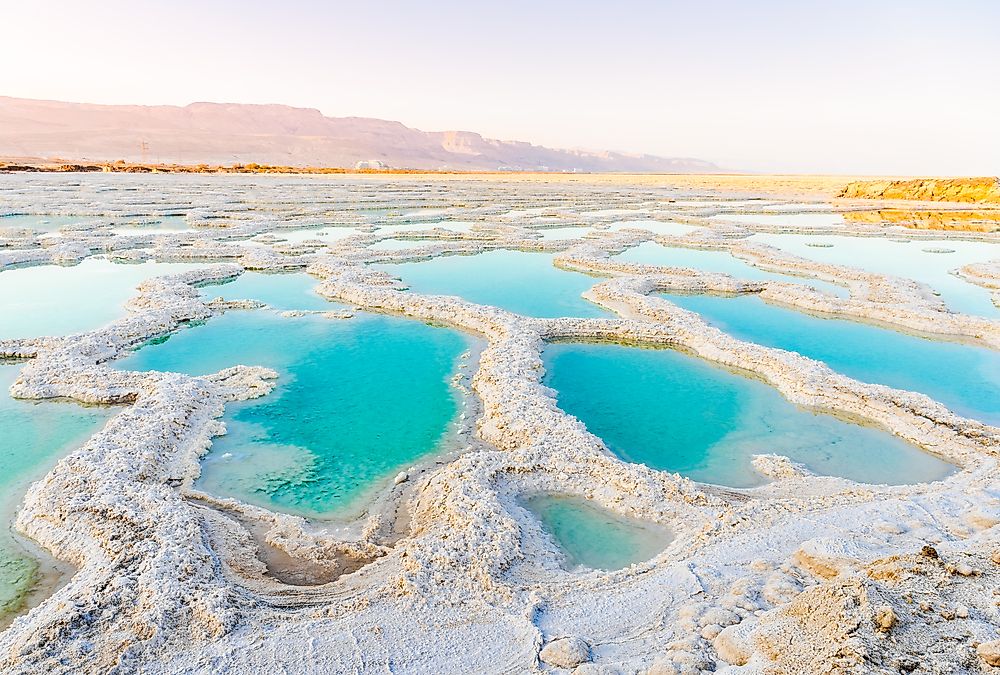
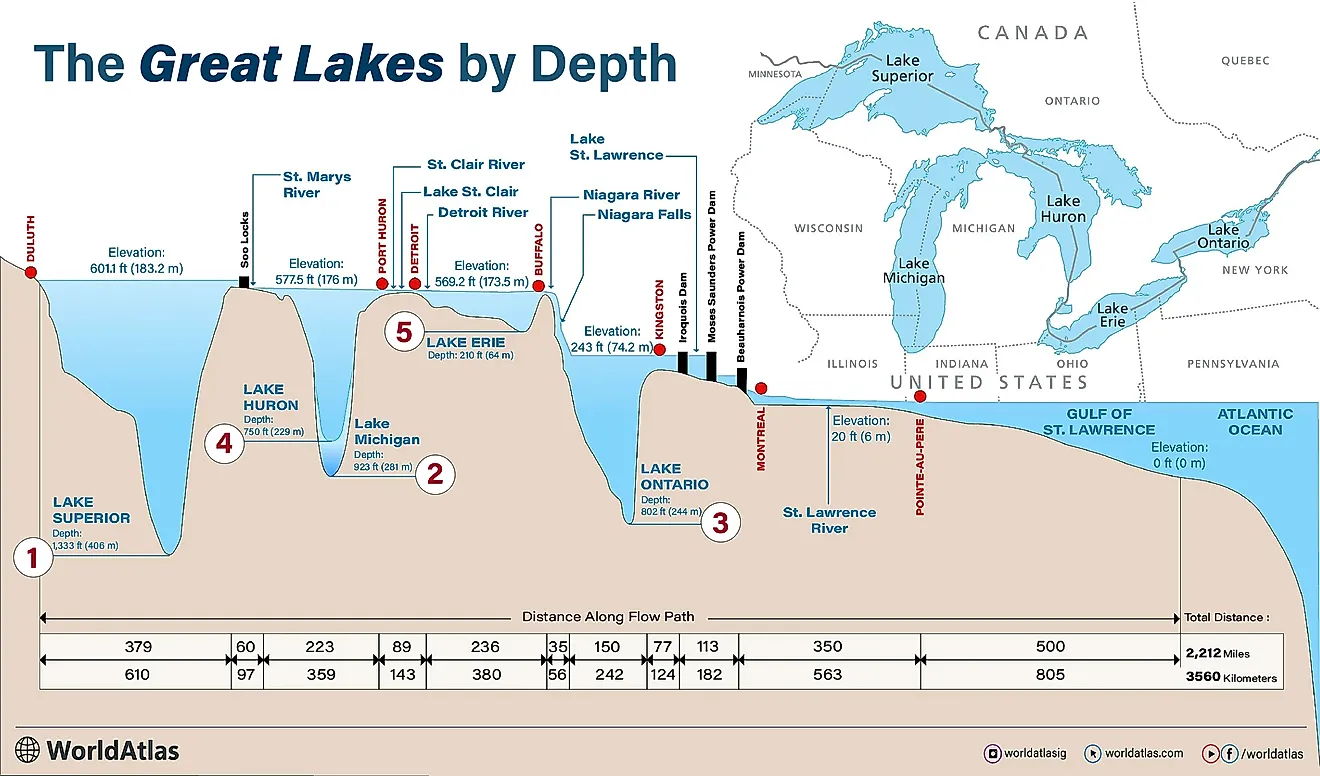
Here is where the Dead Sea pulls off its single most impressive trick. Its shoreline sits about 1,410 feet below sea level, which makes it the lowest patch of dry land anywhere on Earth. Stand on its shore and you are, at that moment, lower than any other human being standing on solid ground on the entire planet. The Great Lakes, by contrast, lounge comfortably above sea level, with Lake Superior perched around 600 feet up. That works out to a vertical gap of roughly 2,000 feet between the two. One is quite literally the planet's basement; the others are up on the porch, enjoying the view.
Size: It's Not Even a Contest

If salt is a draw, in the sense that each one wins its own private extreme, size is an absolute blowout. The Dead Sea covers around 230 square miles. The Great Lakes cover roughly 94,000. Lake Superior by itself is about 135 times the size of the Dead Sea, and all five Great Lakes together come out to something like 400 times bigger. To put that in perspective, you could drop the entire Dead Sea into Lake Huron and barely notice; it would sit there as a modest little bay, the kind of place with one marina and a bait shop. When it comes to sheer footprint, this is not a fair fight, and nobody told the Great Lakes to go easy.
Depth: A Little Plot Twist

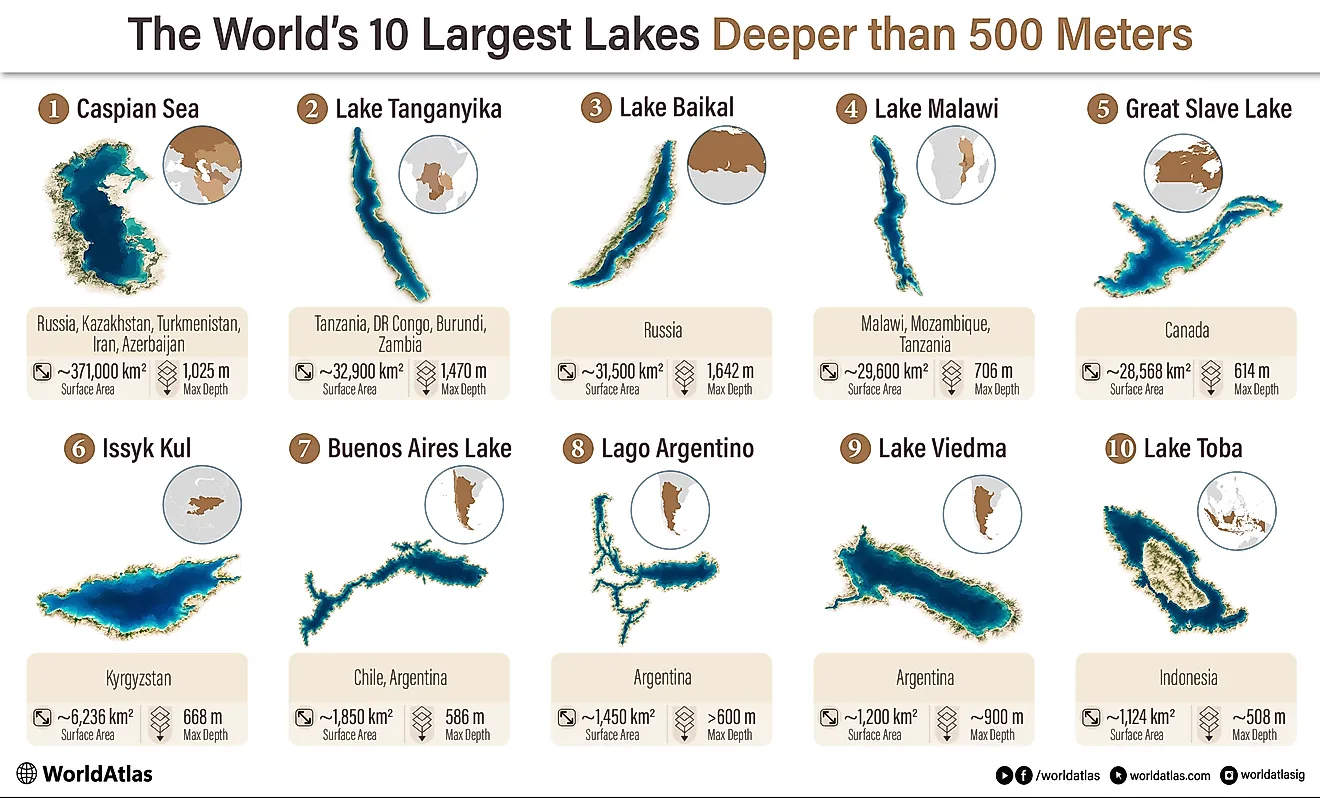
You might assume the deep, brooding Dead Sea would at least take the prize for depth. It does not. The Dead Sea bottoms out at around 980 feet, while Lake Superior plunges to roughly 1,330 feet, making the ordinary-looking freshwater lake meaningfully deeper. The Dead Sea does get the last laugh in one genuinely strange way, though. Because its surface already starts so far below sea level, its actual floor sits a dizzying 2,300 feet below sea level, lower than the bottom of nearly any lake on Earth. It isn't the deepest lake around. It's just the one with the lowest basement.
Life: The Name Says It All
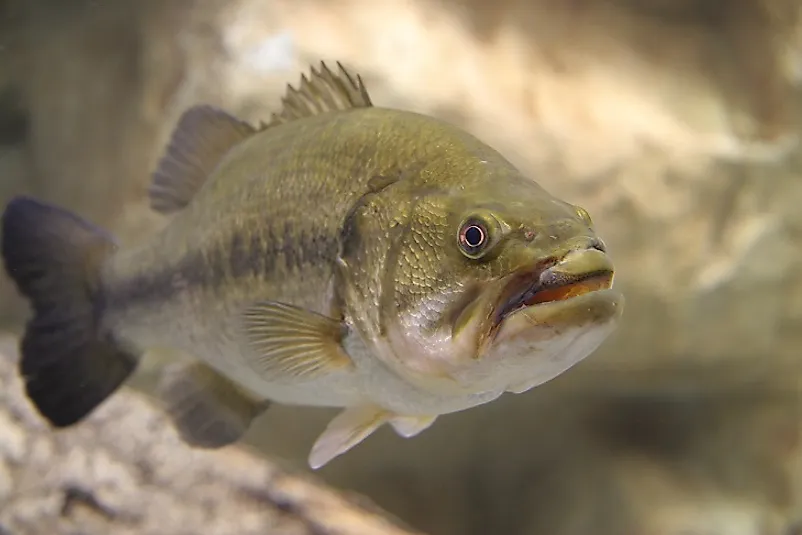
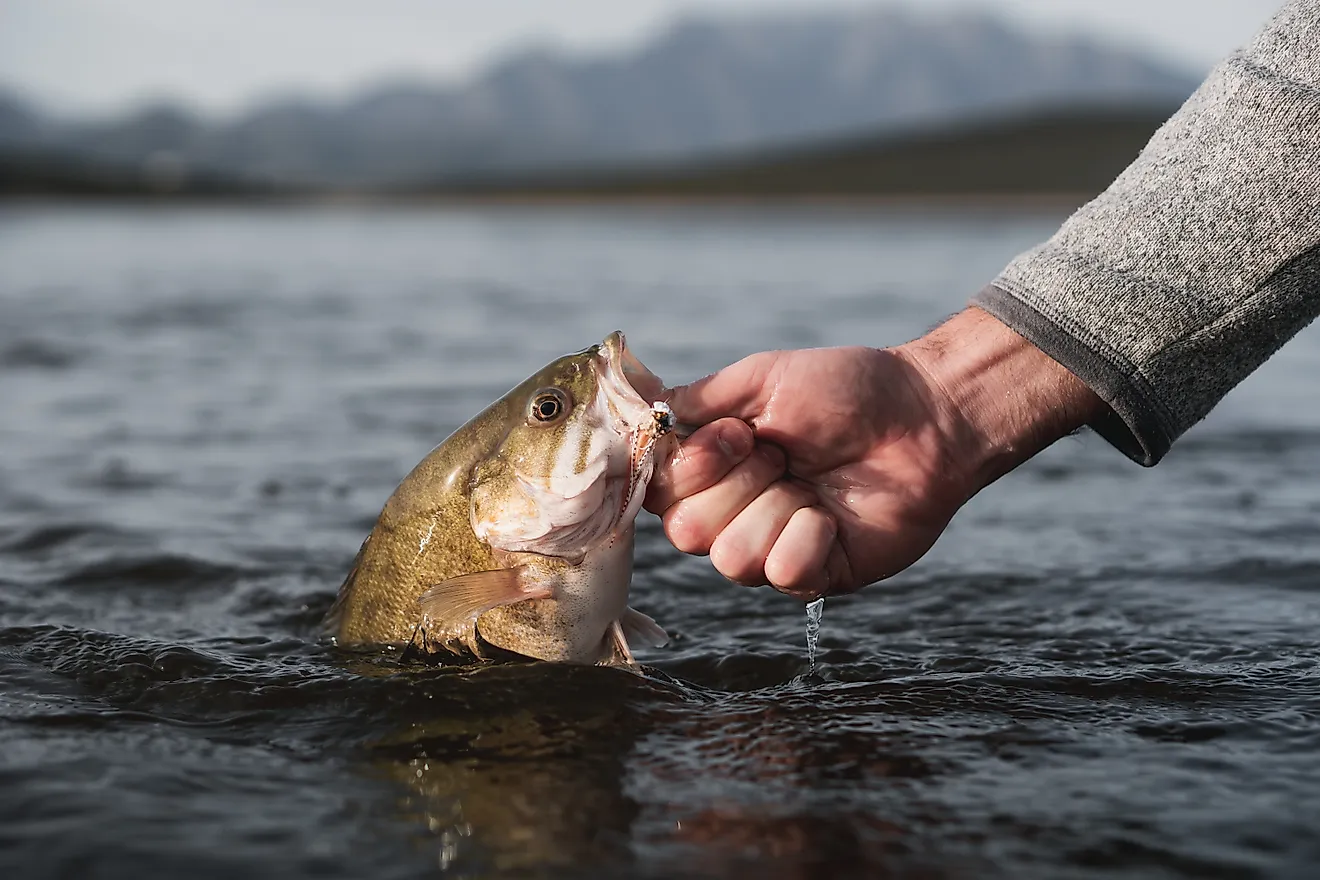
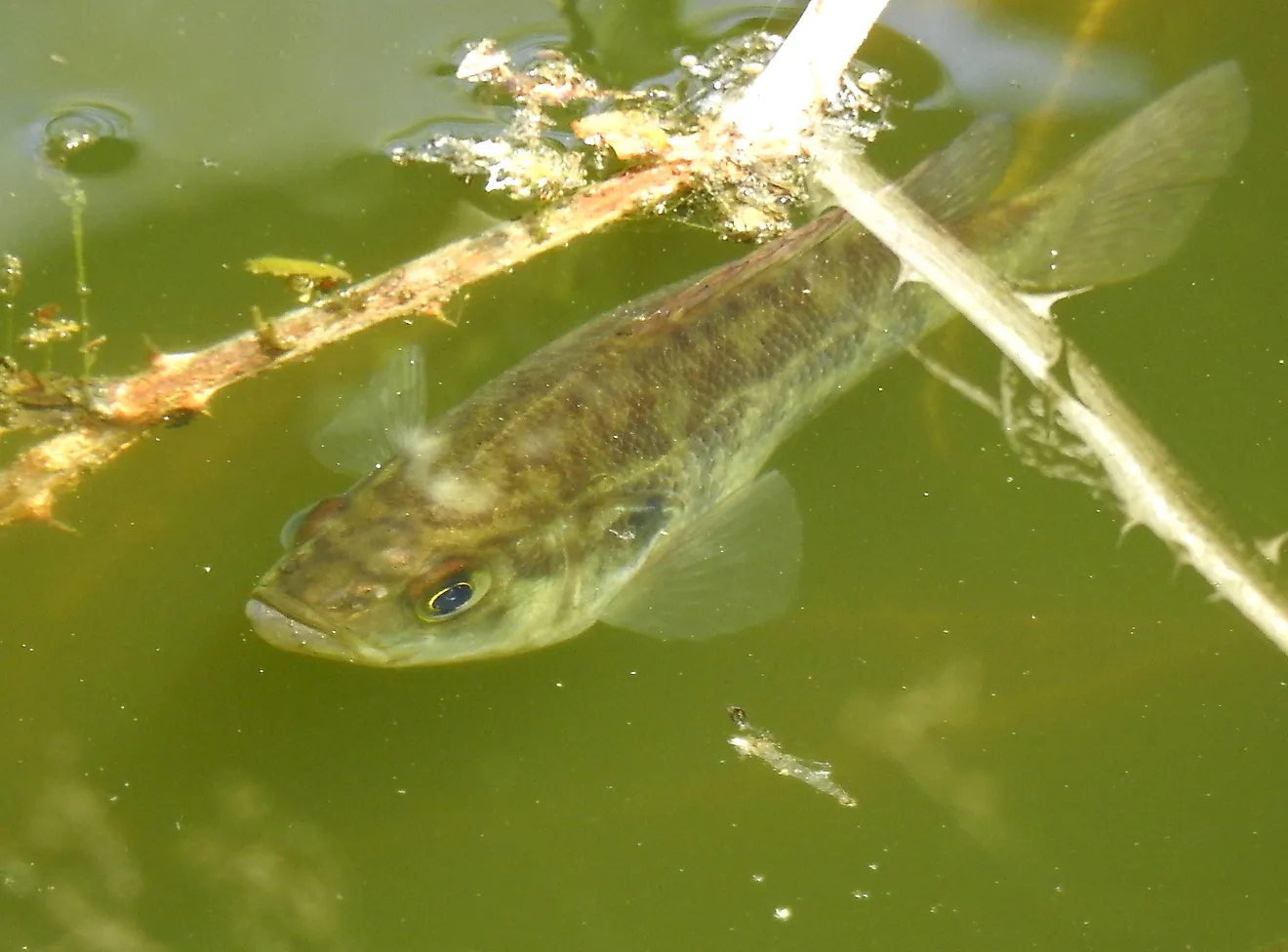
The Great Lakes are absolutely bursting with life: dozens of native fish species, from lake trout to bass to whitefish, plus the millions of people who fish, boat, and build their lives along the shores. The Dead Sea, living up to its rather blunt name, is almost completely sterile. Its water is so savagely salty that no fish, no plants, and no creatures of any real size can survive in it at all. The only things that manage to cling on are a few stubborn, salt-loving microbes, and even those are now struggling as the water grows saltier still. "Dead," it turns out, was not some marketing department's unfortunate word choice. It was just plain honesty.
One's Vanishing, One's Here to Stay
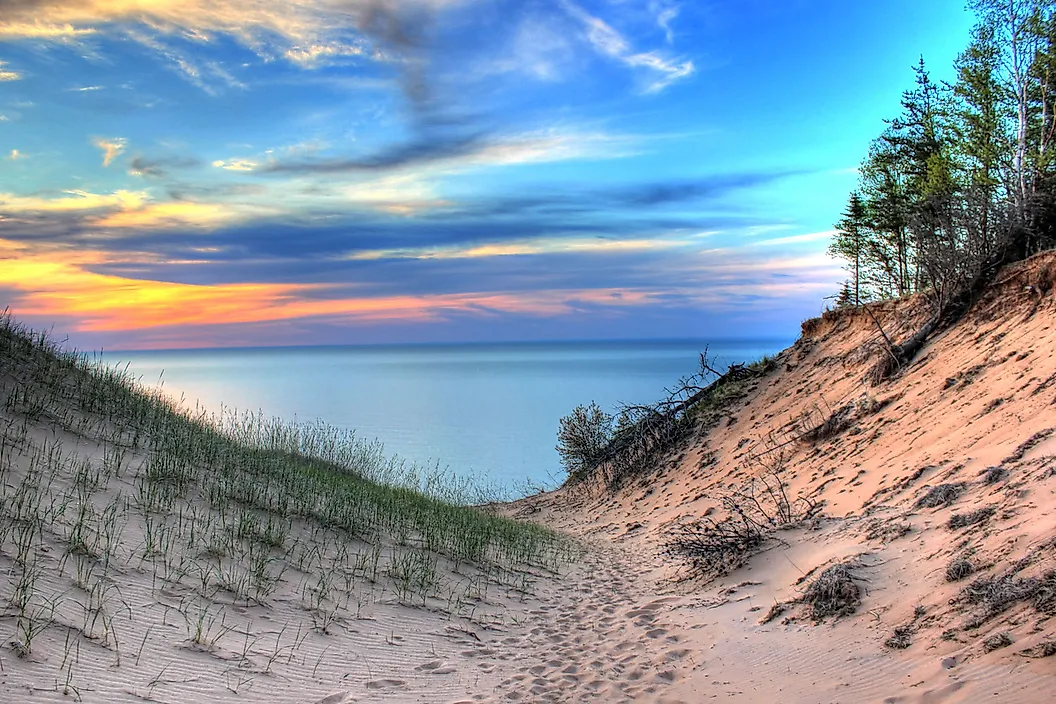
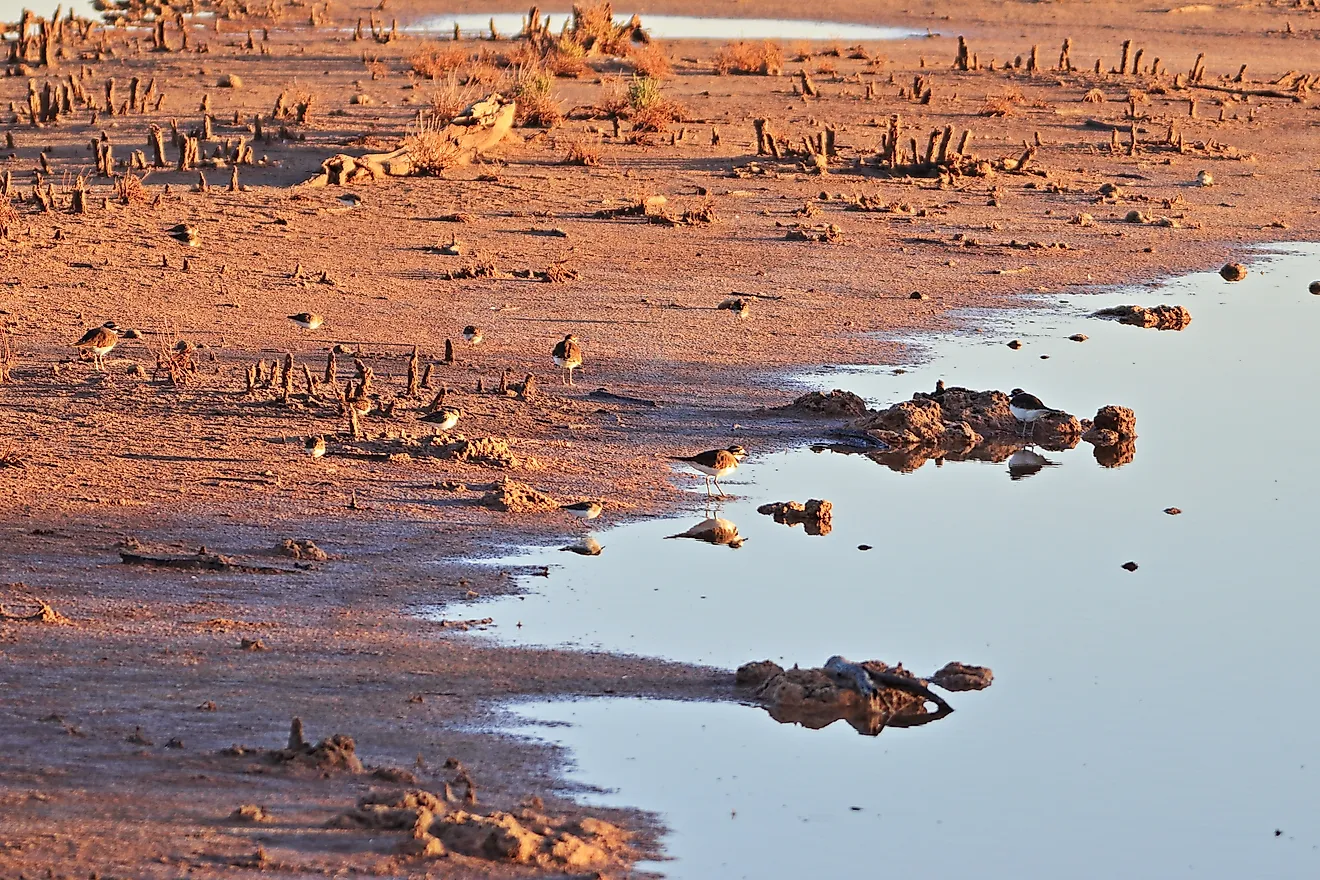
Finally, their futures could hardly look more different. The Dead Sea is disappearing at an alarming pace, dropping about a meter in level every single year and having already lost more than a third of its surface area since the 1960s, largely because the Jordan River that once fed it is now drained away upstream. Entire fields of sinkholes have begun pocking its retreating shoreline. The Great Lakes, meanwhile, rise and fall with the seasons but are going absolutely nowhere; they still cradle roughly a fifth of the world's fresh water and show no intention of packing up. So while both are genuinely world-class bodies of water, only one of them is really on the clock. In the end, the Dead Sea and the Great Lakes share a category and almost nothing else: one salty, sinking, and sterile at the bottom of the world, the others vast, fresh, and very much alive up north.