How Many Great Lakes Beaches Close From Pollution Each Year?
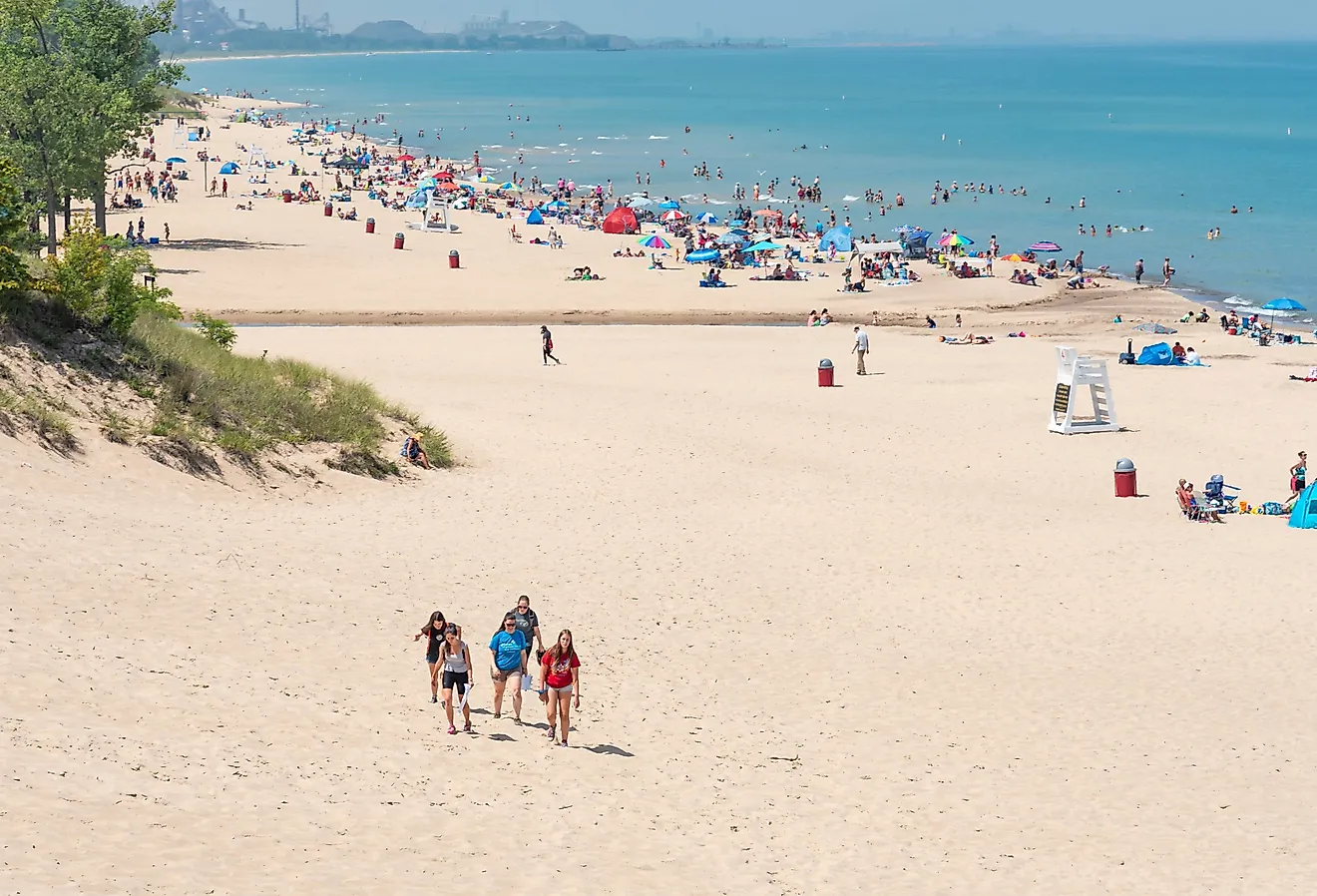
You have loaded the cooler, wrangled the kids, and driven out to the Great Lakes shore, only to find a sign taped to the lifeguard stand: "Beach Closed, High Bacteria." Annoying, right? It also raises a fair question. How often does that actually happen across the Great Lakes? You would think there would be a clean, tidy number for it. There sort of is, and it is bigger than most people expect. But the honest answer is also a little messier than a single figure, so let us walk through it together.
The Short Answer: Thousands of Beach-Days

Here is the number to hang your towel on. In the summer of 2024, at least 256 Great Lakes beaches across Michigan, Indiana, Ohio, Minnesota, and Wisconsin were either closed or put under a contamination advisory, adding up to a whopping 2,988 beach-days of warnings between May and September. That is according to the federal monitoring system, and it does not even include Illinois, which did not report its data that year. Zoom out further and the picture holds: one recent analysis found that a startling 71 percent of Great Lakes beaches had bacteria levels high enough to be risky on at least one day in 2024. So the short version is thousands of lost swimming days, spread across hundreds of beaches, every single year.
Wait, "Closed" Does Not Always Mean Closed

Now for the messy part. When you hear "256 beaches closed," most of those were not padlocked. The large majority are advisories, which is officials basically saying "swim here at your own risk today" rather than physically shutting the gates. And the counting itself is fuzzy for a simple reason: nobody tests every beach every day. Some are sampled daily, but many are checked only weekly or even monthly, which means a beach could have unsafe water for days without anyone officially recording it. In other words, the real number of contaminated beach-days is almost certainly higher than what gets reported. The 2,988 figure is the floor, not the ceiling.
So What Actually Triggers a Closing?

The trigger is almost always one thing: bacteria, specifically E. coli or enterococci. Now, most E. coli is harmless, but it lives in the guts of humans and animals, so finding a lot of it in the water is a red flag that fecal contamination is present, and where there is fecal contamination there can be nastier pathogens too. When a water sample blows past the EPA's safety threshold, the local health department posts the advisory. Swim in water that fails the test and you are rolling the dice on gastrointestinal illness, along with ear infections, eye infections, and skin rashes. It is not a hypothetical, either. Health officials estimate tens of millions of illnesses a year nationwide from swimming in contaminated water.
Blame the Rain (and the Seagulls)

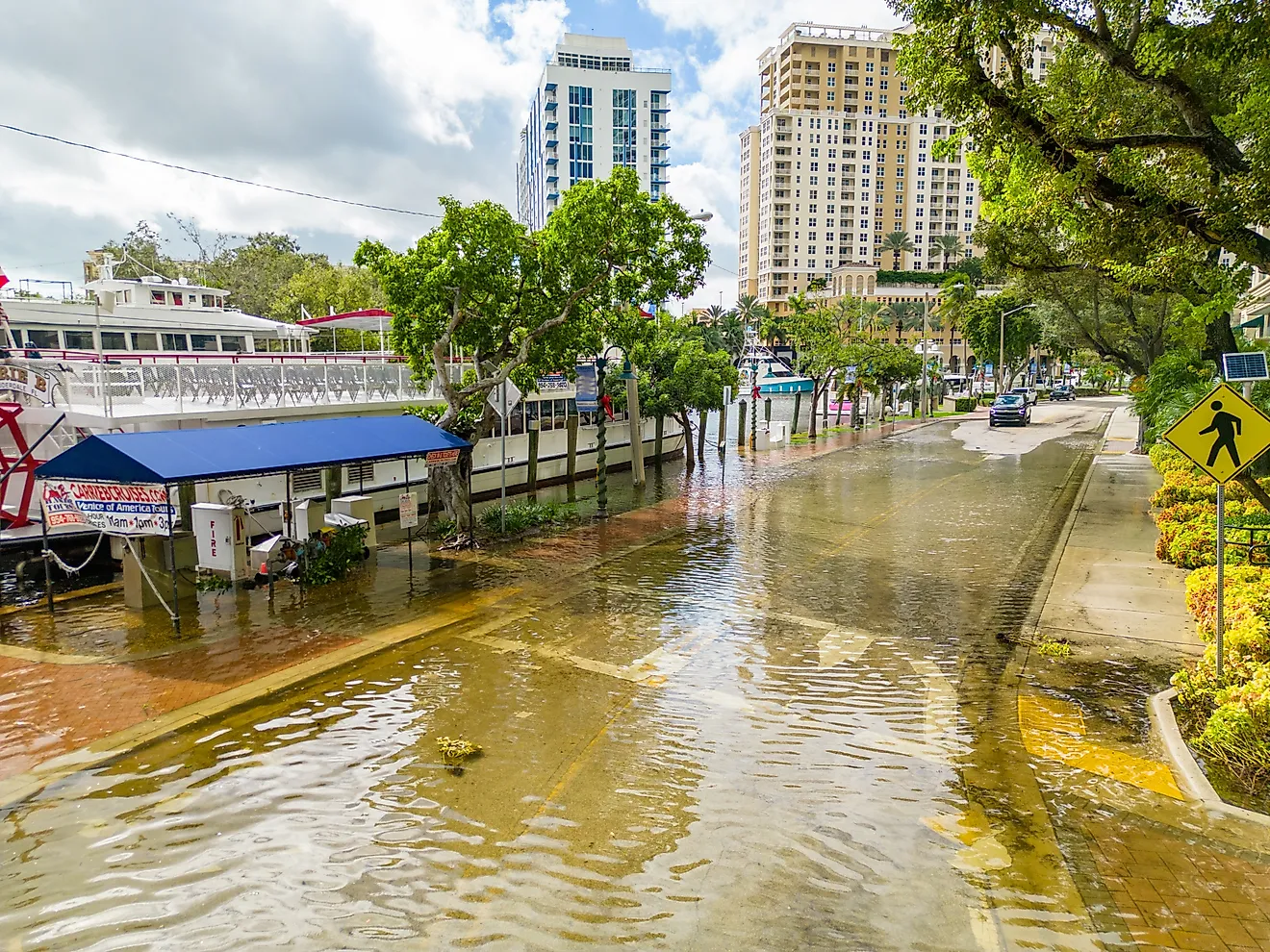
If you want someone to blame, start with the weather. The single biggest driver of Great Lakes beach closures is heavy rain. When a big storm hits an older city, it can overwhelm the sewer system and force a combined sewer overflow, which dumps a slurry of stormwater and raw sewage straight into the lake. Rain also washes fertilizer, manure, and pet waste off the land and into the water. That is why the golden rule among locals is to avoid swimming for a day or two after a heavy downpour. And then there are the birds. Flocks of gulls and geese loafing on the sand contribute a surprising amount of the bacteria, so much so that researchers now think waterfowl are a far bigger culprit than anyone used to assume.
Which Beaches Get Hit the Hardest?

Not all beaches are created equal. Warm, shallow water is friendlier to bacteria, which is part of why Lake Erie, the shallowest and warmest Great Lake, tends to rack up more advisories than its deeper, colder siblings. Urban beaches near big cities and storm drains also struggle, since that is where the sewer overflows and runoff concentrate. To put a face on it, one Lake Erie beach in Lorain County, Ohio, spent a staggering 73 days under closure or advisory in 2024 alone. Meanwhile, remote beaches with cold, deep, well-circulated water and no city upstream often go the whole summer without a single bad day. Location, location, location.
The Good News

Before you swear off Great Lakes swimming forever, take a breath, because there is a lot of good news here. For starters, the bacteria that cause these closures do not last long. Sunlight and wave action break them down quickly, so a beach flagged after a storm is often perfectly fine again a day or two later. On top of that, monitoring keeps getting better and easier to check, and states are pouring real money into upgrading the aging sewer systems that cause the overflows in the first place. A single advisory day during a three-month swimming season, as one water expert put it, really is not that bad. The overall water quality across the Great Lakes is generally good.
How to Not Ruin Your Beach Day

The best defense is about thirty seconds of homework. Before you head out, check your beach's current status, either on your state's beach monitoring website, the EPA's national database, or a free app like Swim Guide that pulls it all together. Beyond that, a few simple habits keep you safe: skip swimming for 24 to 48 hours after heavy rain, steer clear of storm drains and river mouths where pollution pours in, and avoid the stretches of sand where the gulls and geese like to congregate. And whatever you do, try not to swallow the lake water. Do that much, and the odds of a closure ruining your day drop dramatically. The Great Lakes are still one of the best places in the country to cool off, you just have to read the room, and occasionally the sign.