How Long Would It Take To Refill Lake Powell?
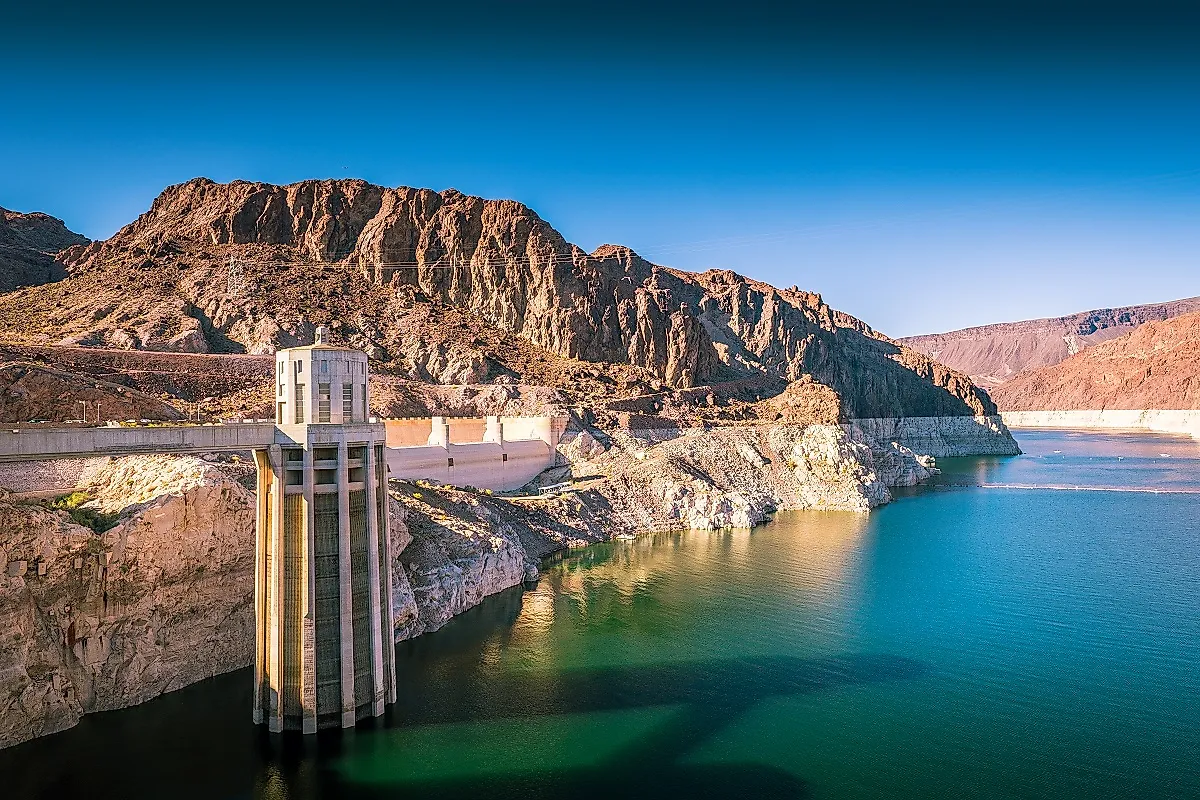
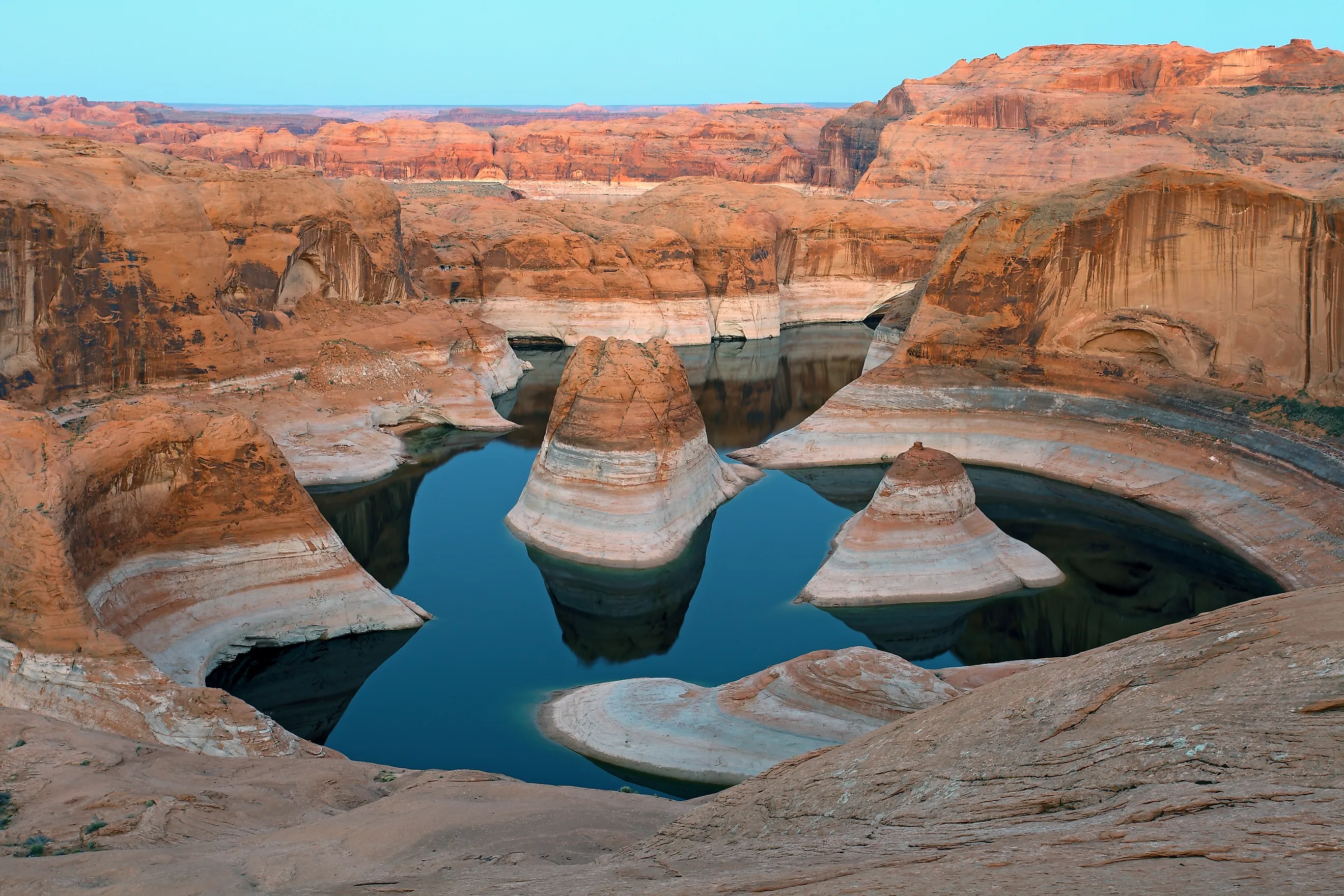
Lake Powell, the second-largest reservoir in the United States, has been shrinking for years. In August 2026, it reached a new record low of about 3,520 feet, roughly 22 percent of capacity and some 180 feet below its full level. That sinking waterline naturally prompts a hopeful question: could we refill it, and how long would that take? The answer is less about the calendar than about the river that feeds it. Unlike a bathtub, Lake Powell can fill only as fast as the hotter, drier Colorado River basin allows. The sobering reality is that refilling it to the brim may not happen for a very long time, if ever.
Why Lake Powell Is So Low

Lake Powell was formed in the 1960s following the construction of Glen Canyon Dam on the Colorado River at the Utah-Arizona border. Its water primarily comes from snowfall in Colorado, Utah, and Wyoming's Rockies. Since 2000, a historic megadrought affecting the entire Colorado River basin has caused the river to carry less water than the original agreements among seven states and Mexico. This has led to a gradual, persistent decline. When Lake Powell hit a record low in August 2026, experts observed that the combined storage of Powell and Lake Mead was at its lowest since 1957, even before Lake Powell was built. As one researcher described, this situation is truly unprecedented.
You Cannot Just Fill a Reservoir

When Lake Powell is at full capacity, it reaches an elevation of 3,700 feet and contains approximately 25 million acre-feet of water. To restore it, inflow from the mountains must surpass all outgoing water, including downstream releases to Lake Mead and significant evaporation losses from the extensive surface area of the reservoir. Currently, the lake is about 180 feet below full, and only around 29 feet above the threshold where Glen Canyon Dam can no longer generate hydropower. Replenishing the lake isn't a simple matter of adding a fixed volume of water once; it requires maintaining a substantial surplus, consistently delivering more water than is lost or released, year after year.
What One Big Winter Proved

There is a hopeful precedent, and also a cautionary one. The winter of 2022 to 2023 delivered one of the best snowpacks of the century, and when it melted, Lake Powell rose about 50 feet off its April 2023 low in a single runoff season. It was clear proof that the reservoir can climb quickly when the water actually arrives. But the gain did not hold. Over the following dry months, dam releases and evaporation steadily drew the level back down, and by 2026 the lake had fallen past that 2023 mark to a fresh record low. A single strong winter, it turns out, buys elevation for a while. It does not refill a reservoir this deep in the red.
So How Long? It Depends On the River

Ask the scientists who study the basin and the message is consistent: one good year will not do it. Refilling Lake Powell in any meaningful way would take several consecutive winters of well-above-average snowpack, all while downstream demand is reduced so that less water is drawn off the top. The last time the basin saw a sustained stretch like that was back in the 1980s. Making matters harder, the federal Bureau of Reclamation's most probable forecast has recently put inflows at around 75 percent of average, and warmer springs and drier soils now mean that even a normal amount of precipitation yields less runoff than it used to. In practical terms, a full refill would take many years of a generosity the modern river seldom shows.
Or Maybe Never

This is the part that is hard to say but important to face. A growing number of researchers believe Lake Powell may never return to full pool under current conditions. The science points to a warming climate that shrinks the protective snowpack and speeds up evaporation, so the Colorado carries roughly a fifth less water than it did in the 20th century. The most probable future, many now argue, is not a reservoir that refills but one that fluctuates and eventually stabilizes well below full. As one prominent water scientist bluntly put it, the basin has been spending down its savings for nearly three decades and is close to broke. Refilling assumes there is enough water to refill with, and increasingly there is not.
What It Would Actually Take

None of this means the situation is hopeless, but it does redefine the goal. A genuine recovery would require a rare alignment: several exceptional snow years in a row, paired with deep and lasting cuts in how much water the basin consumes. Federal officials are already pushing in that direction, with a plan that would require Arizona, California, and Nevada to cut their combined water use by around 20 percent by 2028, and new operating rules for the whole river are being negotiated to replace guidelines expiring in 2026. The honest bottom line is that refilling Lake Powell is not really a question of how many years we wait. It is a question of whether a hotter, over-tapped Colorado River can ever run big again, and whether we are willing to leave more of it in the reservoir. Until then, the timeline is a dial, and the dial is stuck low.