How Long It Takes To Scrap A Great Lakes Freighter
When the Calumet arrived at Port Colborne in November 2007, the breaker handling her expected a four- to six-month job yielding roughly 4,800 tons of steel and iron. That is the normal figure. The Mississagi was towed into a Sault Ste Marie yard in October 2021 and as of early 2025 her scrapping still had not been completed, which tells you that the four-to-six-month estimate assumes someone is actually working on it.
Four To Six Months Is The Benchmark

The clearest published figure comes from a breaker talking about a specific hull.
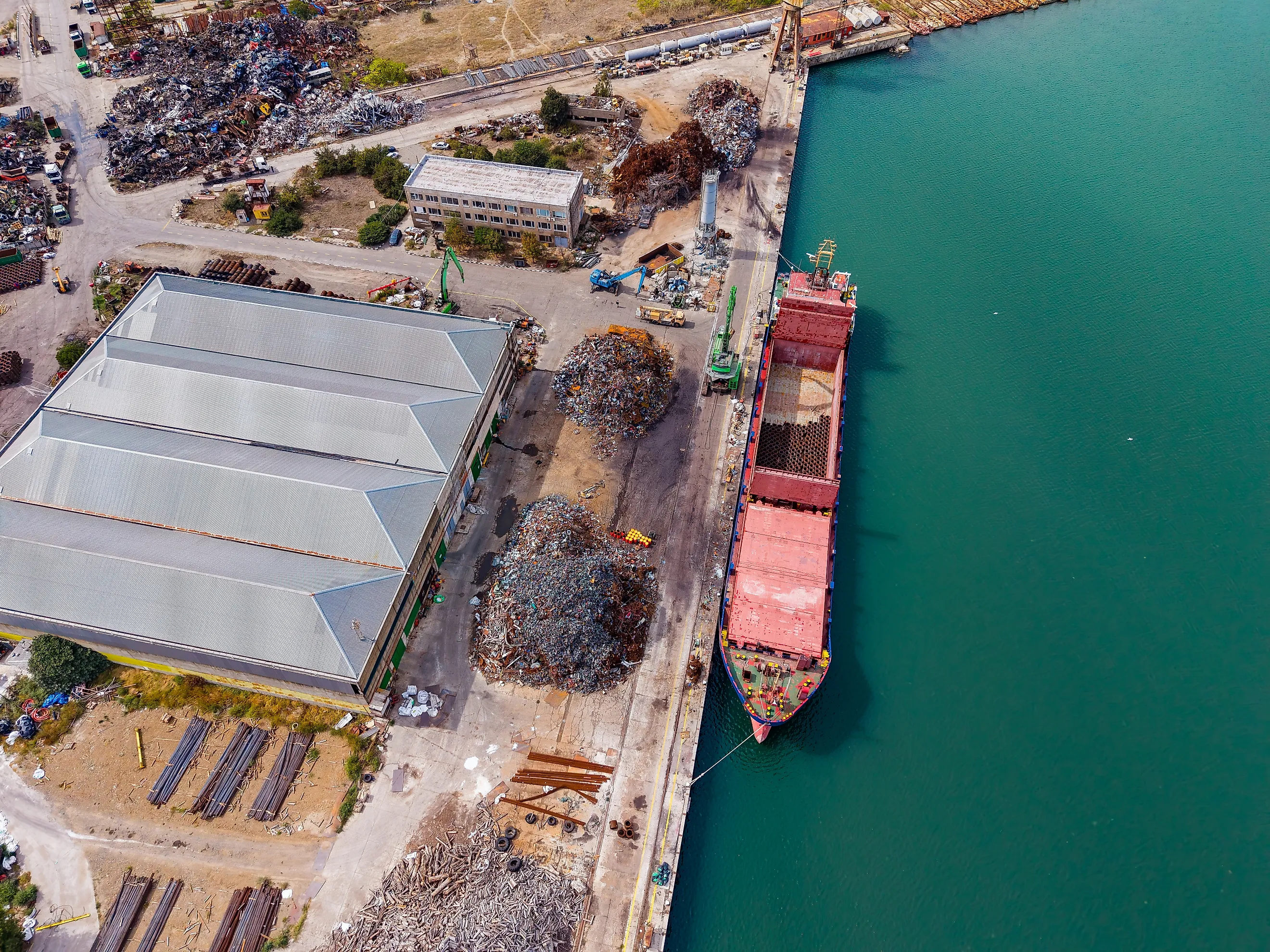
Second-generation ship breaker Wayne Elliott expected the Calumet to yield about 4,800 tons of steel and iron by the time the four- to six-month scrapping process was done.
That is for a mid-sized laker. A larger vessel takes proportionally longer, because dismantling scales with size and the work is done by hand with torches.
Cleaning Comes First

Before anything is cut, the ship has to be emptied of everything that is not steel.
Industry analysis found that cleaning vessels between 10,000 and 25,000 light displacement tons took four to seven weeks on its own. Fuel, oils, asbestos, wiring and tanks all come out before demolition begins.
So a six-month job may include six or seven weeks where no cutting happens at all.
Port Colborne Does Most Of It

One Ontario town has handled the end of the line for lakers for decades.
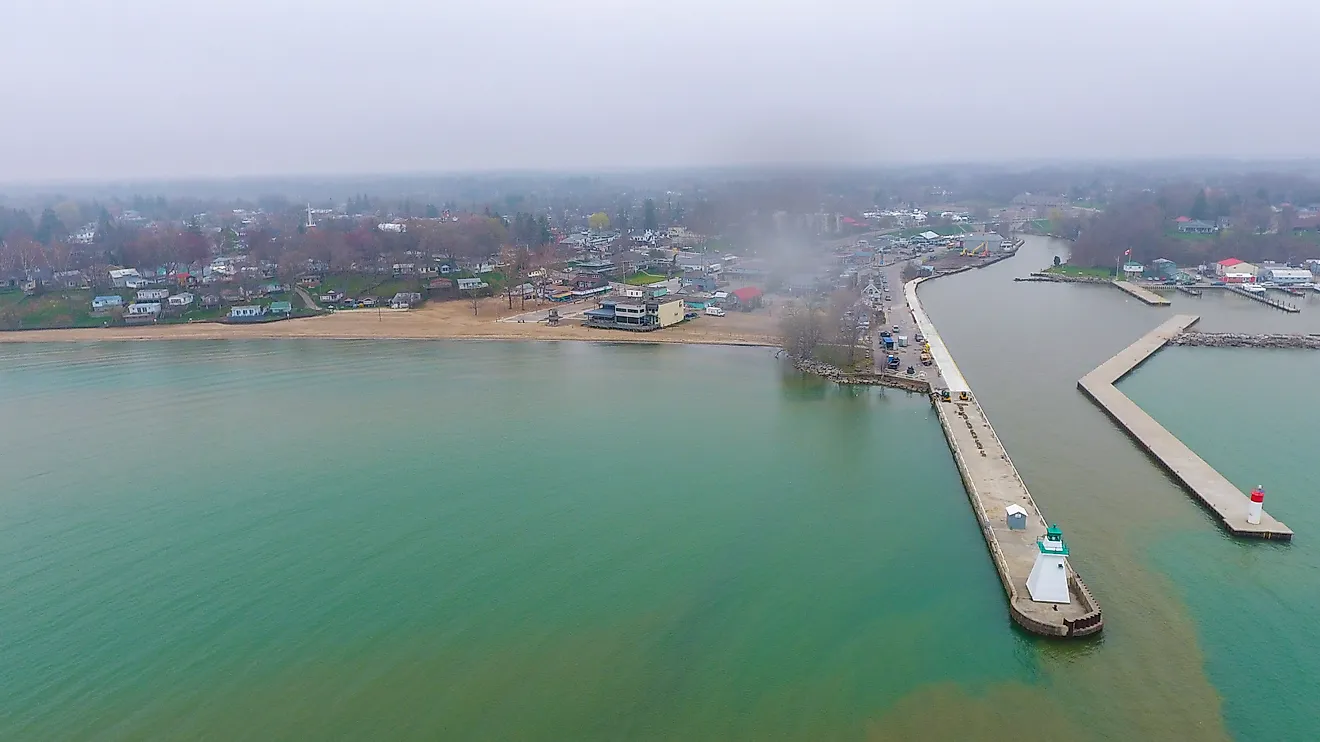
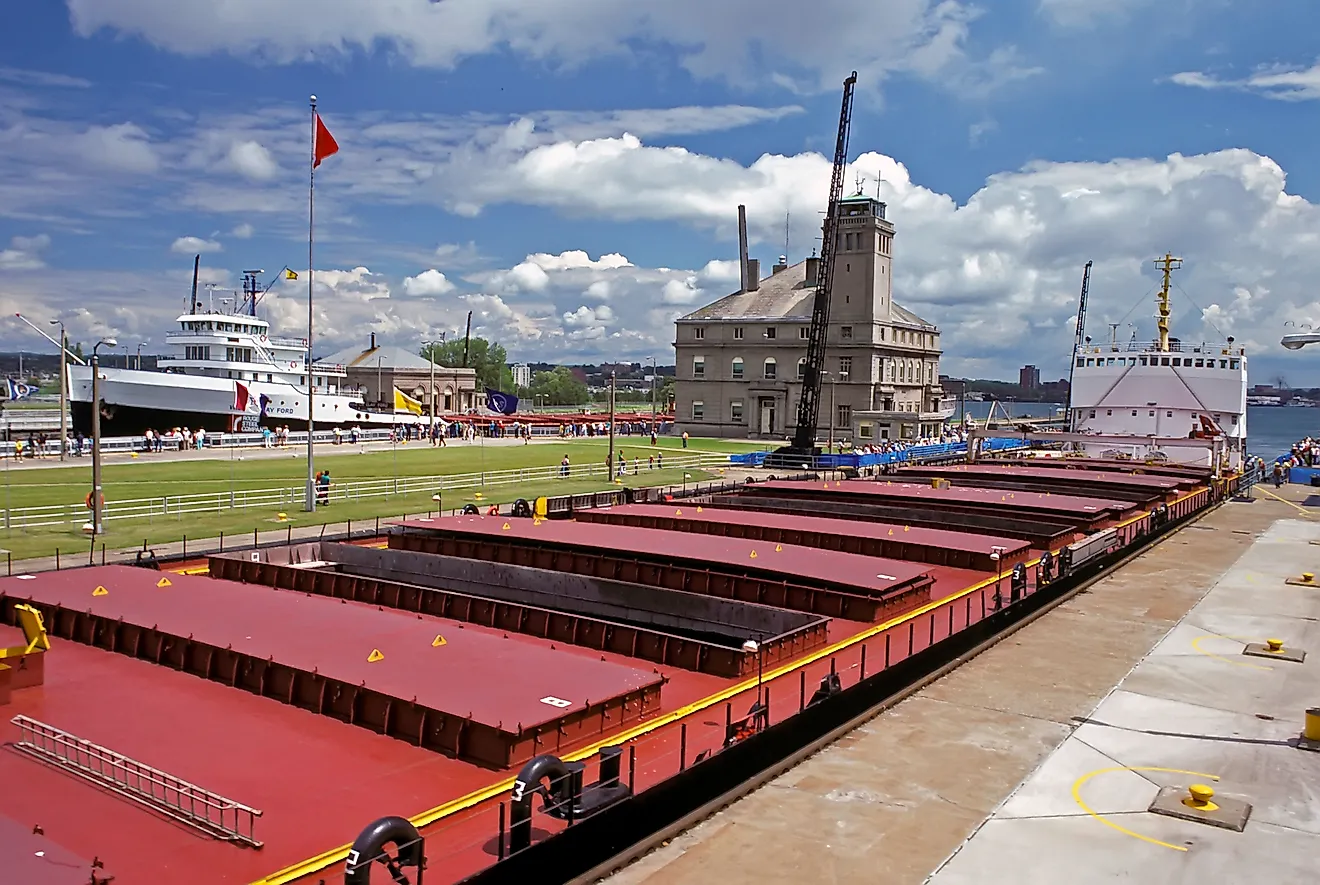
International Marine Salvage, now Marine Recycling Corporation, operates at Port Colborne at the Lake Erie end of the Welland Canal. The company had recycled over 150,000 tons of ship steel since 1985 by the time of one European survey.
Algoma Progress, Algoma Quebecois, Algogulf and Algorail all ended there. Any vessel reaching the yard has to fit through the Welland locks to get in.
The Steel Goes Back Into Steel

What comes out of a scrapped laker mostly returns to the same industry that built it.
Recovered steel is primarily re-melted by domestic producers, with substantial tonnage also shipped to mills in Asia for re-rolling into bars and structural shapes.
A ship that spent fifty years carrying iron ore to steel mills finishes by becoming the feedstock itself.
Labor Is The Whole Cost

Why a North American yard is slower and dearer than an Asian one comes down to one input.
Dismantling is time-consuming and labor-intensive, and labor is the most important cost driver. The man-hours needed rise with the size of the ship, so the cost advantage of low-wage countries increases with vessel size.
That is why ocean-going tonnage goes to South Asia and lakers stay in Ontario. A laker physically cannot leave.
Some Ships Sit For Years First

The clock usually starts well after a vessel stops earning.
Algogulf was laid up in 1999 and not sold for scrapping until 2002. The Mississagi went to Sarnia for indefinite layup before being towed to Purvis Marine at Sault Ste Marie in 2021.
Idle hulls sit at a wall for years waiting for scrap prices, yard capacity or a decision. The dismantling is often the shortest phase.
The Last Voyage Is Under Tow

Most lakers do not sail to the breaker under their own power.
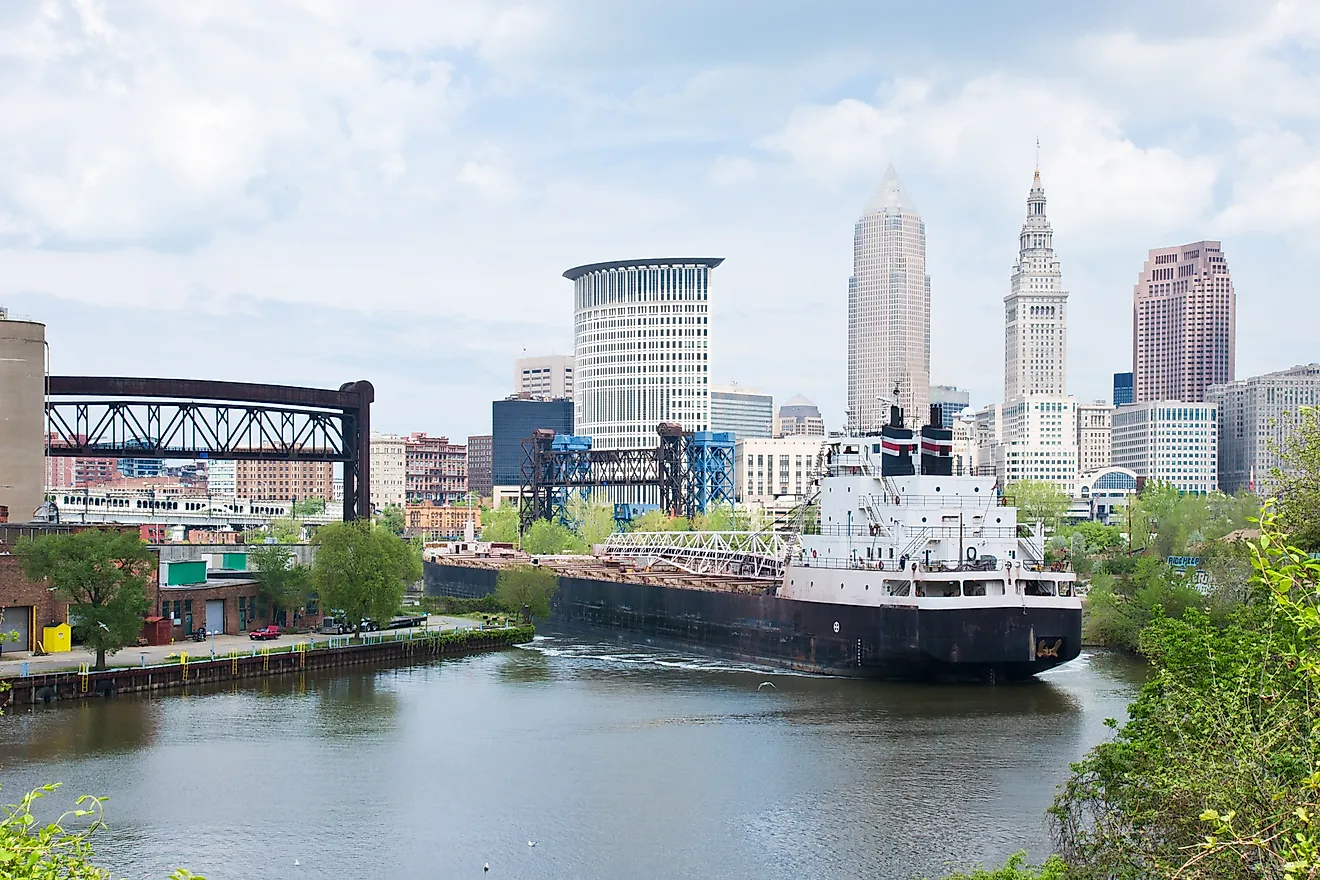
The Cuyahoga was towed the short distance across Lake Erie from Ashtabula to Port Colborne in 2025. The Calumet made her own way there in 2007 after hitting a concrete wall in Cleveland, with temporary repairs to her starboard hull.
The crew shut the Calumet down on arrival and left the vessel for the last time. Five days after the collision she was at the salvage yard.
Damage Usually Decides It

The trigger for scrapping is rarely age by itself.
The Cuyahoga was damaged in a conveyor fire in 2024, deemed unsuitable for repair and consigned to demolition after an 80-year career. She was the oldest Canadian-flagged laker in service and the last of her class.
Repair economics turn on a comparison with what a winter layup normally costs. Past a certain figure the steel is worth more than the ship.
Eighty Years Is Not Unusual

These ships last far longer than ocean tonnage, which is why scrapping events are rare enough to make news.
The Cuyahoga was built in 1943 as one of sixteen wartime sister ships and ran for eight decades. Fresh water does not corrode steel the way salt water does.
That longevity is also why the fleet is small. Replacing a hull is a once-in-a-generation decision rather than a cycle.
Conversion Is The Alternative

Not every retired laker ends in pieces, and the alternative has kept several hulls working.
The St Marys Challenger spent 107 years self-propelled before her engine was removed in 2014 and she was cut down into a barge, paired with a tug. Other vessels have been converted the same way.
A conversion costs over ten million dollars. It makes sense only when the hull itself is still sound.
The Short Answer
Four to six months to dismantle a mid-sized laker, recovering around 4,800 tons of steel, with four to seven of those weeks spent cleaning the vessel before any cutting starts. Nearly all of it happens at Port Colborne, Ontario, and the steel goes back to domestic mills.
That is the working estimate rather than a guarantee. Ships sit in layup for years before a yard takes them, and one laker towed in during 2021 was still not finished four years later.