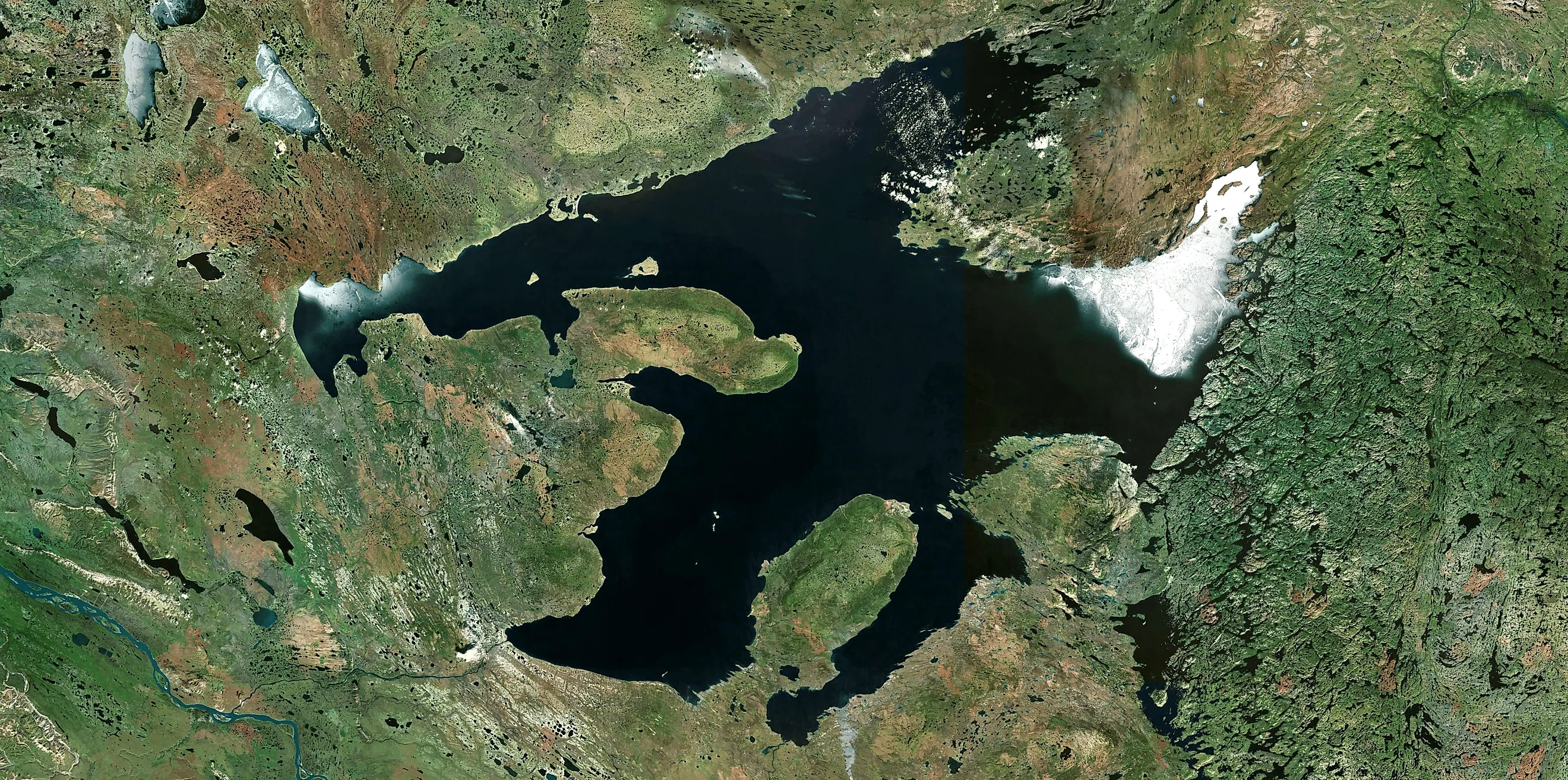
How Great Bear Lake Compares To The Great Lakes
Way up in the Canadian Arctic sits a lake that most people have never heard of, and it has some nerve. Great Bear Lake is bigger than two of the Great Lakes, deeper than every single one of them, and yet it has a population you could comfortably fit on a couple of school buses. It even has "Great" in the name, and still didn't make the club. Here is how this frozen giant stacks up against North America's famous five.
Size: Bigger Than Two Great Lakes

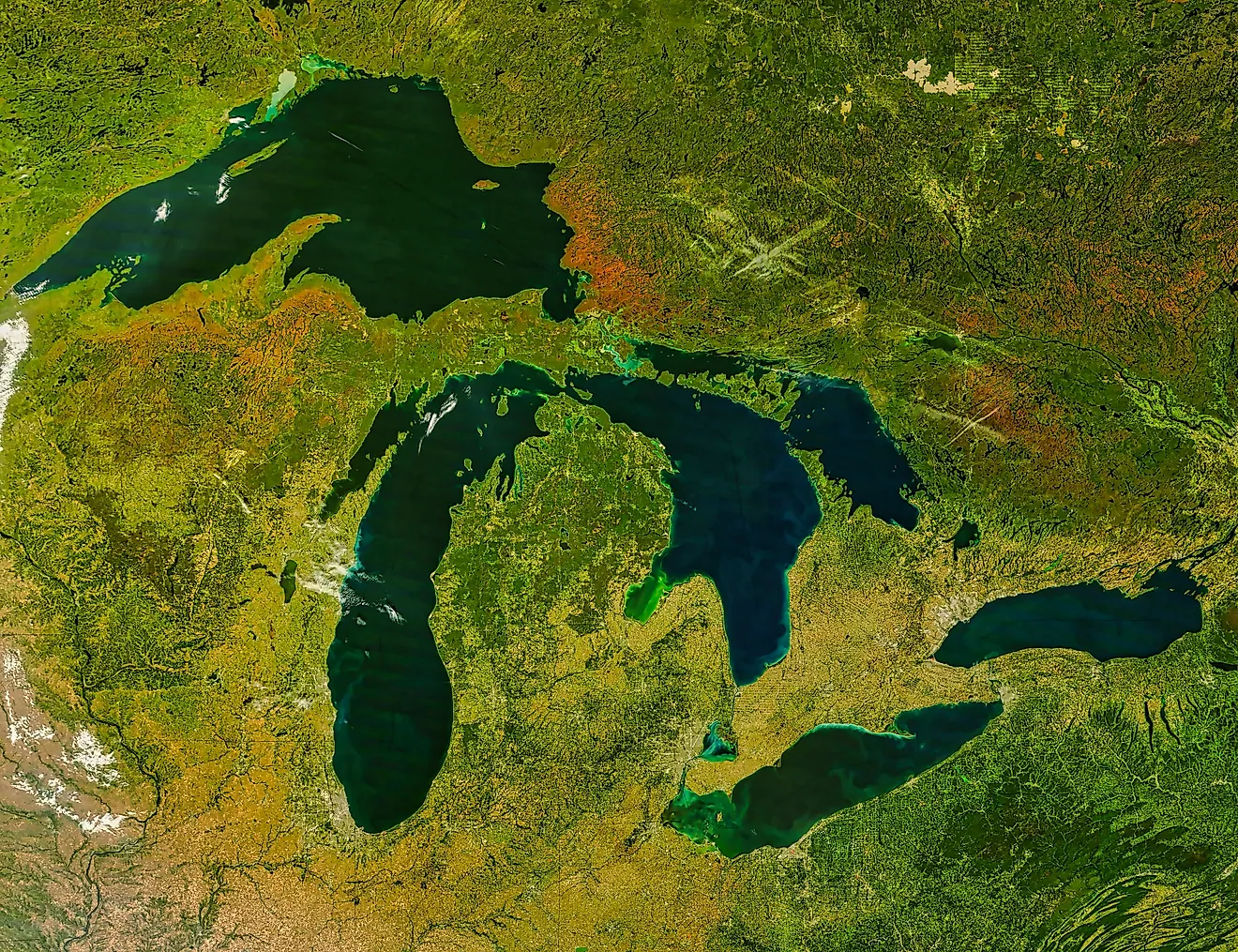
Let's start with sheer footprint. Great Bear Lake sprawls across about 12,028 square miles, which makes it the fourth-largest lake in all of North America and the eighth-largest on the planet. Drop it into the Great Lakes lineup and it would slot comfortably in the middle, larger than both Lake Erie and Lake Ontario, and beaten only by the big three: Superior, Huron, and Michigan. It is also, for the record, the largest lake located entirely within Canada, since Superior and Huron insist on sharing themselves with the United States.
Depth: It Out-Deeps Superior

Here is where Great Bear stops being polite about it. Its deepest point plunges to around 1,463 feet, which is deeper than Lake Superior, the deepest of the Great Lakes, which bottoms out at 1,332 feet. In other words, this lake nobody talks about is deeper than every last one of the Great Lakes, including the one whose entire brand is being enormous. Great Bear doesn't just crash the party; it quietly out-does the guest of honor.
Volume: More Than Erie and Ontario Combined

All that depth adds up. Great Bear Lake holds roughly 2,236 cubic kilometers of water, which is more than Lake Erie and Lake Ontario hold combined. It cannot touch Superior's monstrous volume, of course, since Superior contains more water than the other four Great Lakes put together. But for a lake sitting alone in the tundra, holding more water than two Great Lakes stacked on top of each other is a very respectable flex.
Population: Almost Nobody Lives There

Now for the punchline. The Great Lakes are ringed by some of North America's biggest cities, Chicago, Detroit, Toronto, Cleveland, Milwaukee, and support a combined population somewhere north of 30 million people. Great Bear Lake, by contrast, has exactly one community on its entire 1,600-plus miles of shoreline: the tiny Sahtú Dene village of Déline, home to only around 500 residents. That means a lake bigger than Lake Erie has fewer people living on it than a single small-town high school. If you want solitude, this is the lake.
Cold: The Great Lakes Are Amateurs

The Great Lakes get chilly and grow their share of winter ice, sure. But Great Bear Lake sits right astride the Arctic Circle, and it does not mess around. It stays locked under ice from late November all the way through July, roughly eight months a year, and its waters are so cold, clear, and nutrient-poor that they support very little of the algae and murk you'd find down south. When it comes to being genuinely, bone-achingly frozen, the Great Lakes are strictly amateur hour.
Wildness: One's a Highway, One's a Secret

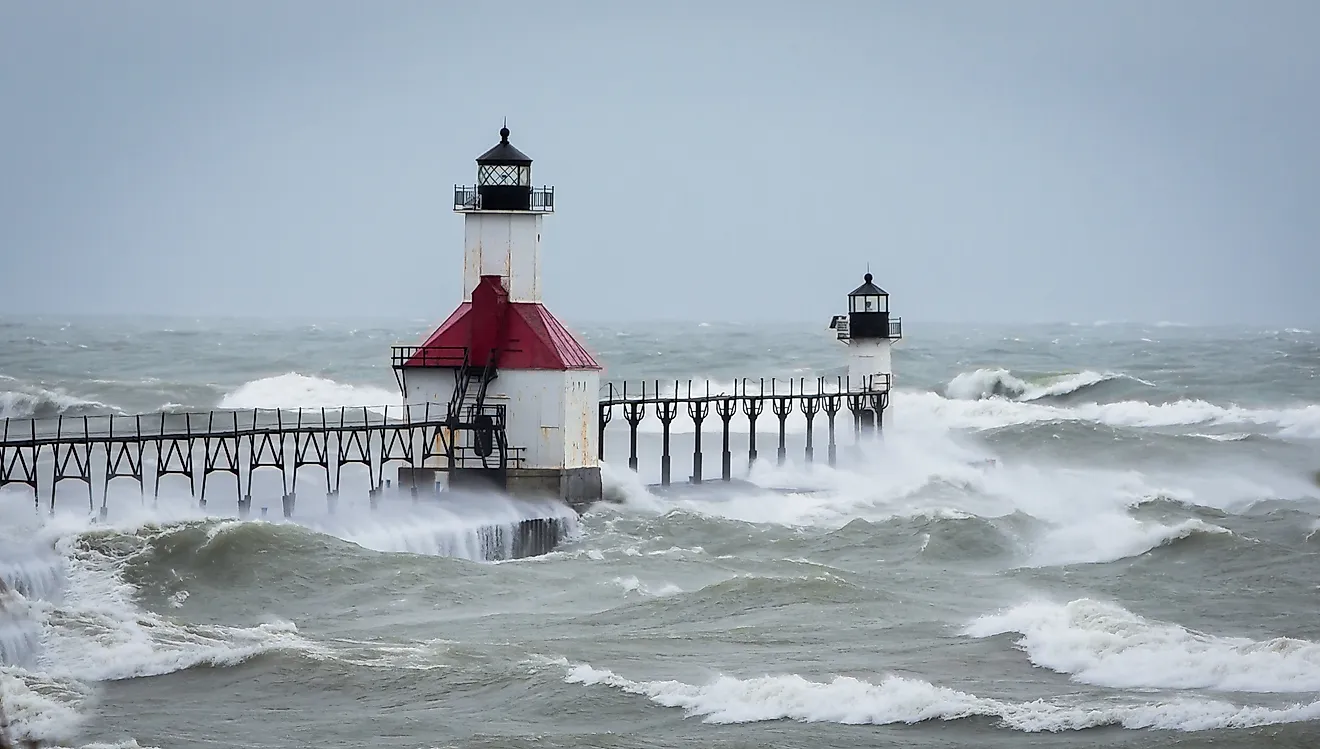
Ultimately, these are two completely different animals. The Great Lakes are among the busiest freshwater highways on Earth, crowded with thousand-foot freighters, port cities, and heavy industry. Great Bear Lake has no roads reaching it at all, and it is best known instead for its untouched wilderness and its world-record lake trout, which draw hardy anglers to the far north. It anchors the Sahtú Dene homeland and a vast UNESCO biosphere reserve. So no, Great Bear never became an official "Great Lake." But bigger than two of them, deeper than all of them, and wilder than the whole bunch, it clearly didn't need the title.