Why Some North American Forests Have No Large Predators Left
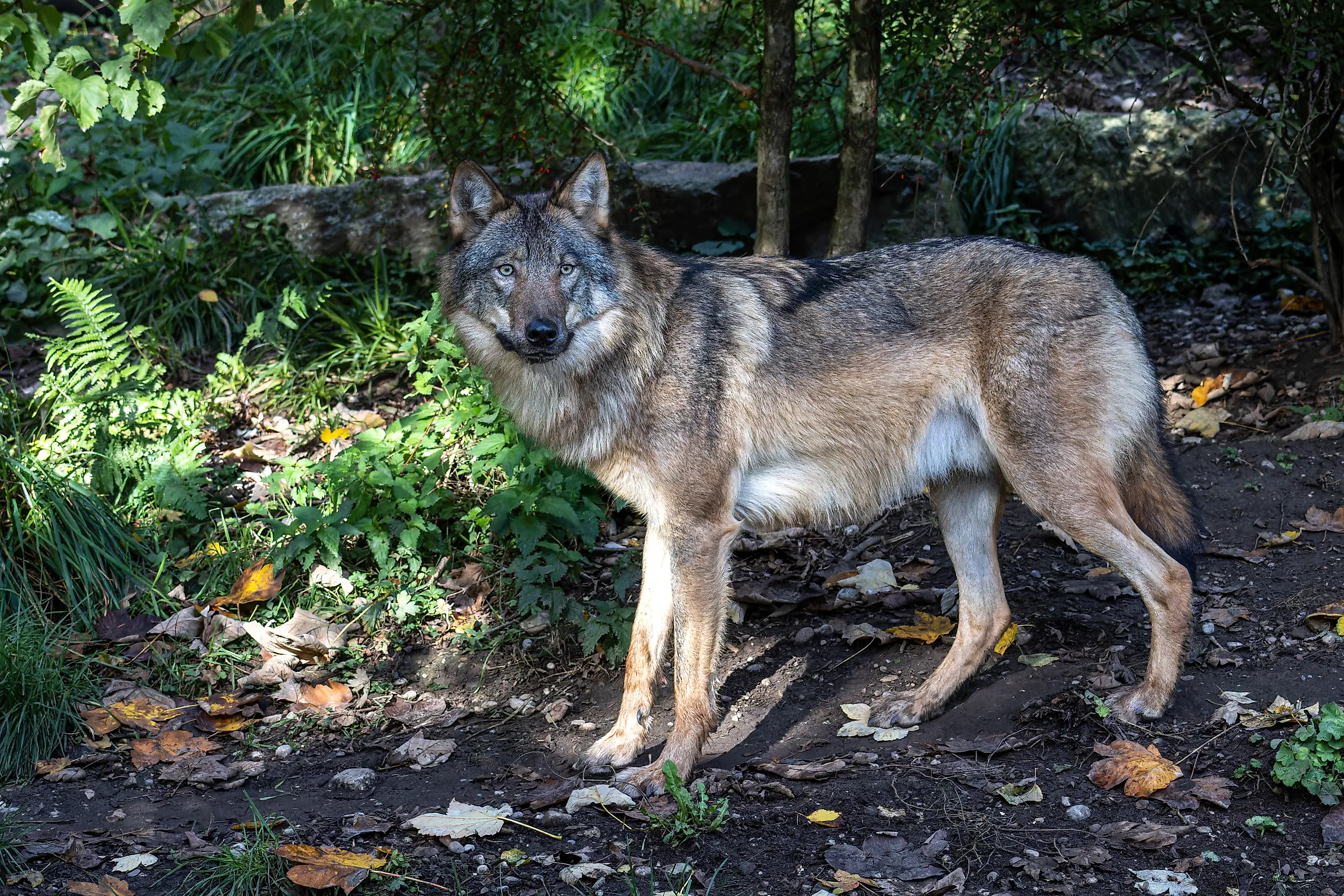
By 2018, two wolves were left on Isle Royale, and they were too closely related to raise a healthy pack. The island's forest looked no different. Spruce and fir still stood, and moose still browsed the understory, but the predator at the top of it was finished.
Isle Royale is one case among many. Across North America, wolves, cougars, and grizzlies have vanished from forests that still look whole, from the eastern mountains to remote northern islands. The reasons are not mysterious. People shot the predators, cleared their habitat, hunted their prey to scarcity, and carved their range apart with roads. A forest can keep every tree and still lose its top predator.
People Killed Large Predators

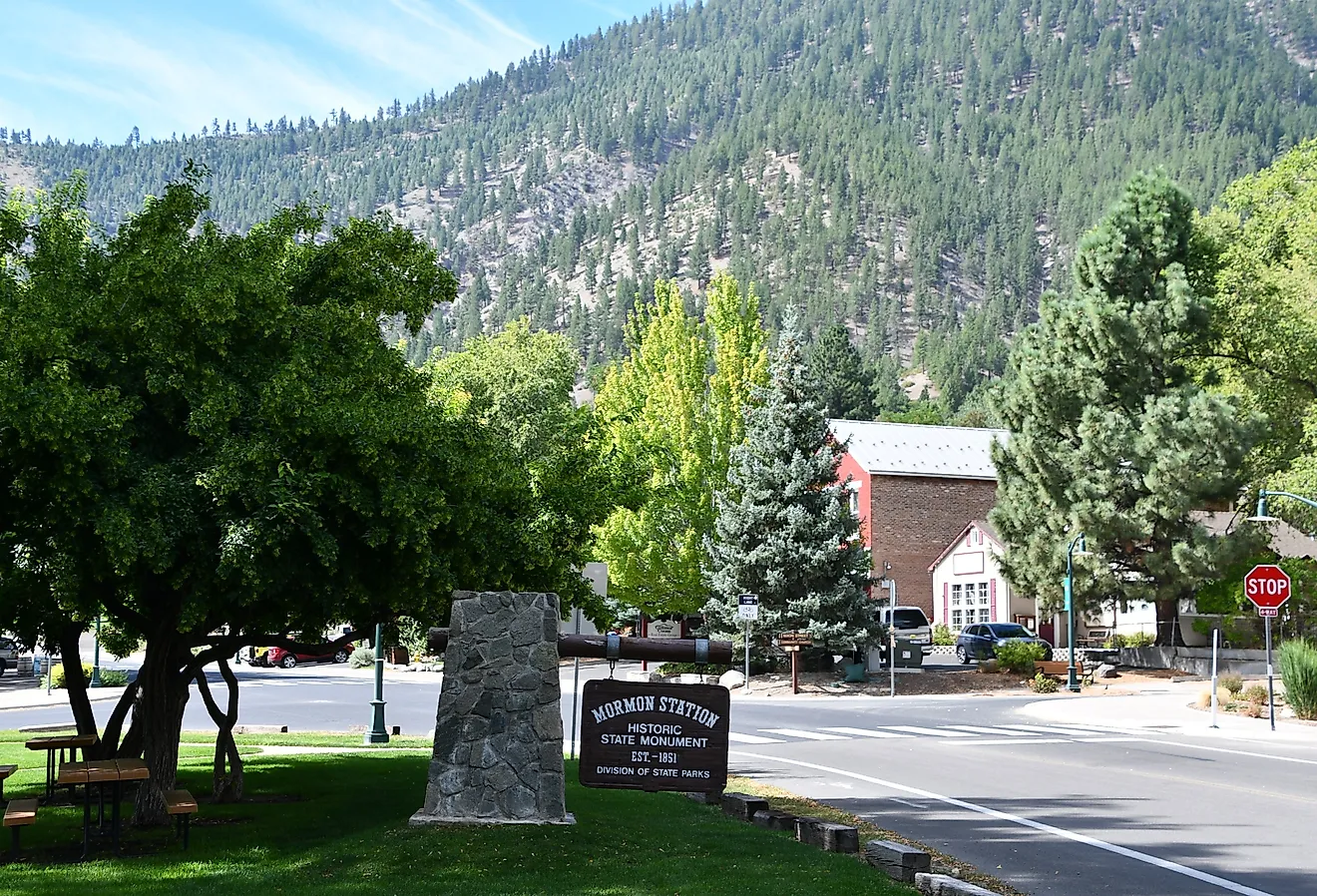
The most direct reason some forests lost large predators is that people killed them on purpose. In Yellowstone National Park, gray wolves were targeted during predator-control campaigns in the early 1900s. National Park Service records show that at least 136 wolves were killed inside the park between 1914 and 1926, and by the 1940s, wolf packs were nearly gone from the Yellowstone region.
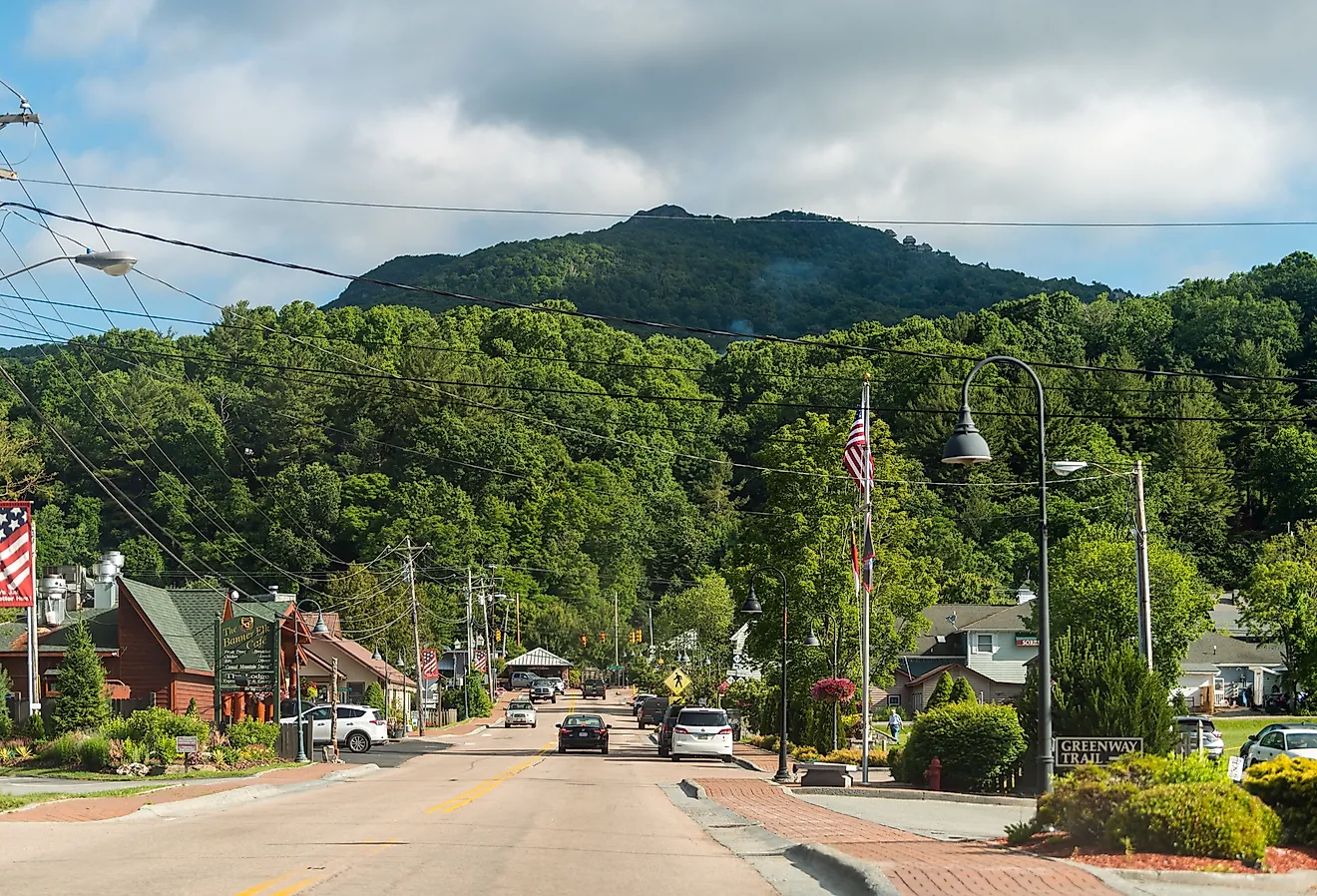
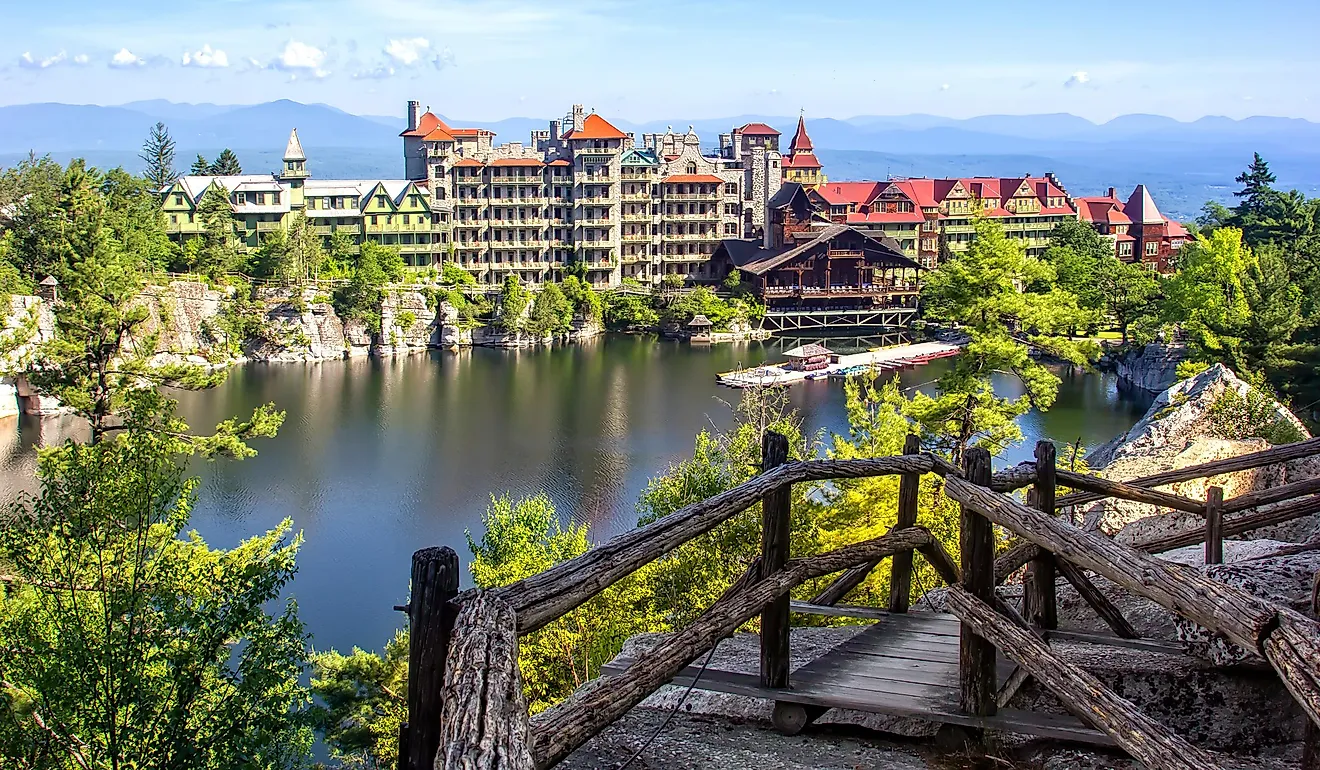
This was not unique to the West. In Shenandoah National Park and the wider Blue Ridge forests, eastern timber wolves and eastern cougars were extirpated or drastically reduced as hunting, settlement, and predator removal spread. In the Adirondack forests of New York, wolves and cougars also disappeared around the turn of the 20th century. These forests did not simply become unsuitable overnight. Their largest carnivores were treated as threats and removed.
Forest Clearing Removed Their Habitat

Large predators need more than prey. They need cover, denning space, hunting territory, and enough quiet country to avoid constant contact with people. In the forests that became Shenandoah National Park, early settlement, farming, timber cutting, and resource extraction reduced mature woodland across much of the Blue Ridge. National Park Service histories describe slopes where valuable timber was long gone and open fields remained before forest recovery began under park protection.
That history matters for predators such as eastern cougars, eastern timber wolves, and black bears. Bears survived and recovered in Shenandoah, but wolves and cougars did not. The Adirondack forests tell a similar story, with widespread deforestation and overhunting before protection improved. When forests are cut, opened, and settled, large carnivores lose the space and cover that allow them to hunt, hide, breed, and avoid conflict.
Prey Loss Made Predators Collapse

Large predators do not survive on scenery. They need enough deer, elk, moose, or other prey to hold territories and raise young. The eastern cougar's collapse shows that clearly. The U.S. Fish and Wildlife Service links its disappearance to direct killing, deforestation, and the overhunting of white-tailed deer, its principal prey. When eastern forests were cleared and deer numbers fell, cougars lost both shelter and food.
Great Smoky Mountains National Park adds a more recent clue. Red wolves were released there in the 1990s, but the U.S. Fish and Wildlife Service ended the project in 1998 after extremely low pup survival and the wolves' inability to establish home ranges inside the park. Agency records note that some wolves moved toward lower elevations with better prey opportunities. Even a spectacular forest can fail a large predator when food is patchy or in the wrong places.
Development Split Predator Populations

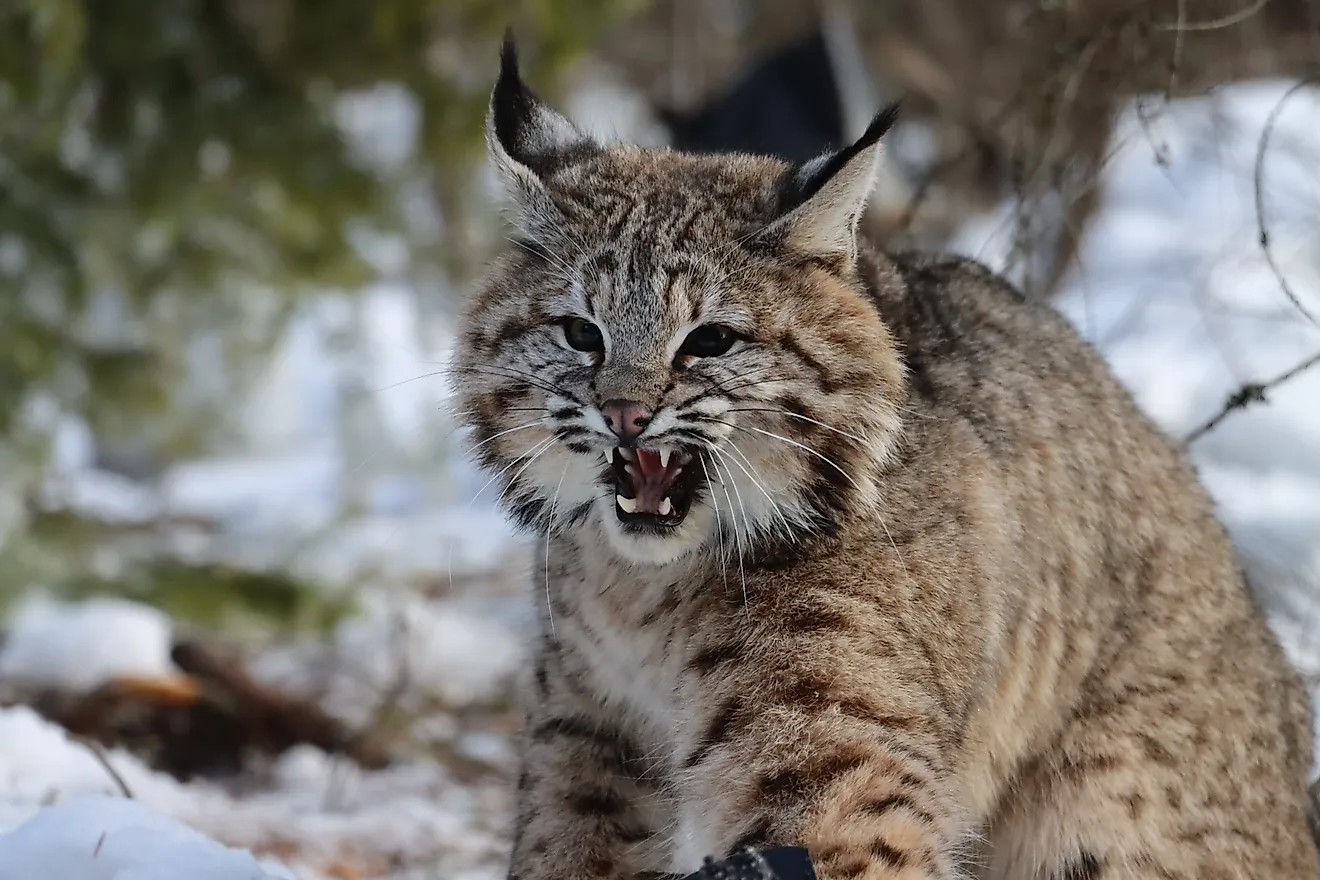
Some forests lost large predators, or nearly lost them, because roads and development cut animal populations into pieces. Cleveland National Forest and the Santa Ana Mountains in Southern California show the danger clearly. Mountain lions still use the rugged chaparral, oak woodland, and forested slopes there, but Interstate 15 and surrounding development have sharply restricted movement between the Santa Ana Mountains and the Palomar Mountains.
Studies of these pumas found a small, isolated, inbred population west of the highway. That kind of fragmentation can turn a living predator population into a fragile one. Each road death, conflict killing, or failed dispersal matters more when few animals remain and new mates cannot easily arrive. The forest may still look steep, green, and wild, but for a wide-ranging cat, the larger landscape has been chopped into risky fragments.
Island Isolation Made Predators Vulnerable
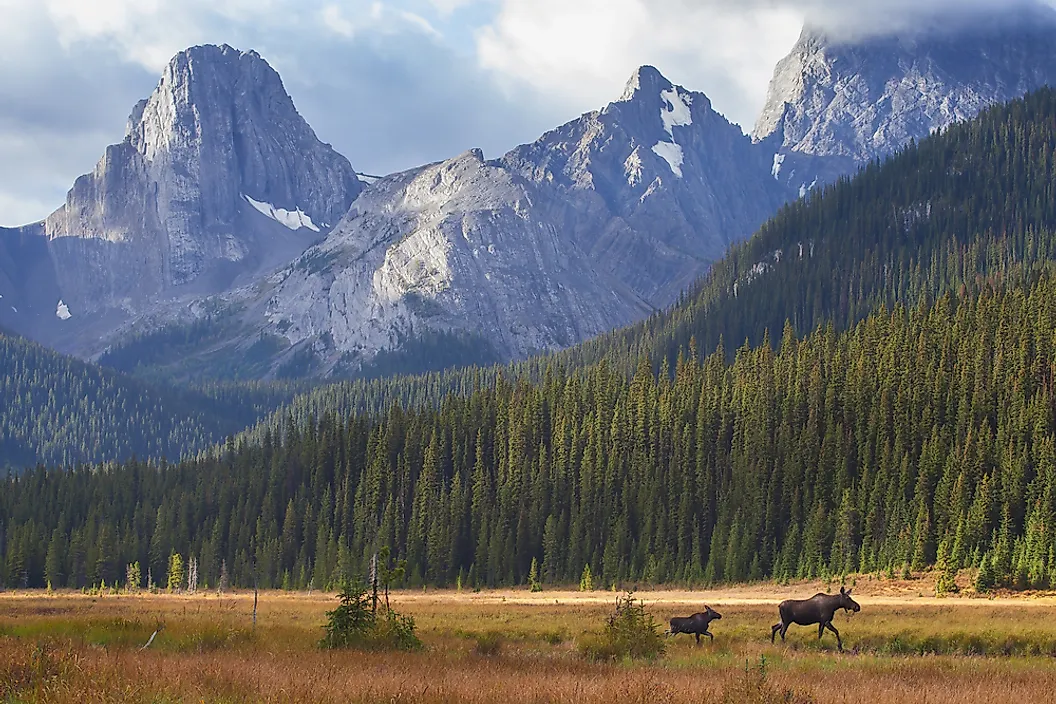
Isle Royale National Park in Lake Superior shows how isolation can push a forest predator population toward collapse. Gray wolves reached the island naturally across ice and became part of a famous wolf-moose forest system. Then their numbers fell, the population became highly inbred, and new wolves could not reliably arrive from the mainland. By 2018, the National Park Service reported that only two related wolves remained on the island.
The forest itself had not disappeared. Moose still browsed through spruce and balsam fir, and the island still looked rugged and wild. The problem was connection. A small island population can survive for years, then suddenly become too related, too few, and too cut off to function. On Isle Royale, water became the barrier that kept gray wolves from refreshing their gene pool.
Predator-Free Forests Changed Fast

Once large predators disappear, deer can become the animal that most strongly shapes the forest floor. The Allegheny hardwood forests of Pennsylvania are one of the best-studied mainland examples. A USDA Forest Service review links high deer numbers there to abundant young forest after logging, weak game management in earlier decades, and the absence of apex predators such as wolves and mountain lions.
Island forests show the pressure even more sharply. On Haida Gwaii in British Columbia, introduced Sitka black-tailed deer browsed temperate rain forest plants without the mainland pressure of gray wolves and cougars. On Anticosti Island in Québec, introduced white-tailed deer helped prevent balsam fir regeneration in a forest where strong predation was absent. These examples do not replace the causes of predator loss, but they show why the loss matters. Without big carnivores, the next forest can grow very differently.
Predator Loss Leaves A Long Shadow
North American forests lost major predators through direct killing, habitat clearing, prey collapse, development, and isolation. Yellowstone's gray wolves, Shenandoah's eastern wolves and cougars, the Adirondacks' missing large carnivores, Great Smoky Mountains red wolves, Cleveland National Forest pumas, and Isle Royale wolves all show a different part of the same story.
The hopeful piece is that these causes are understandable. Predator loss was not magic, and it was not usually caused by forests being dull or empty. It came from choices people made on the land and from the barriers those choices left behind. Even now, the absence of wolves, cougars, and other large predators can still be felt in deer trails, young trees, and the quiet places where a top carnivore once moved.