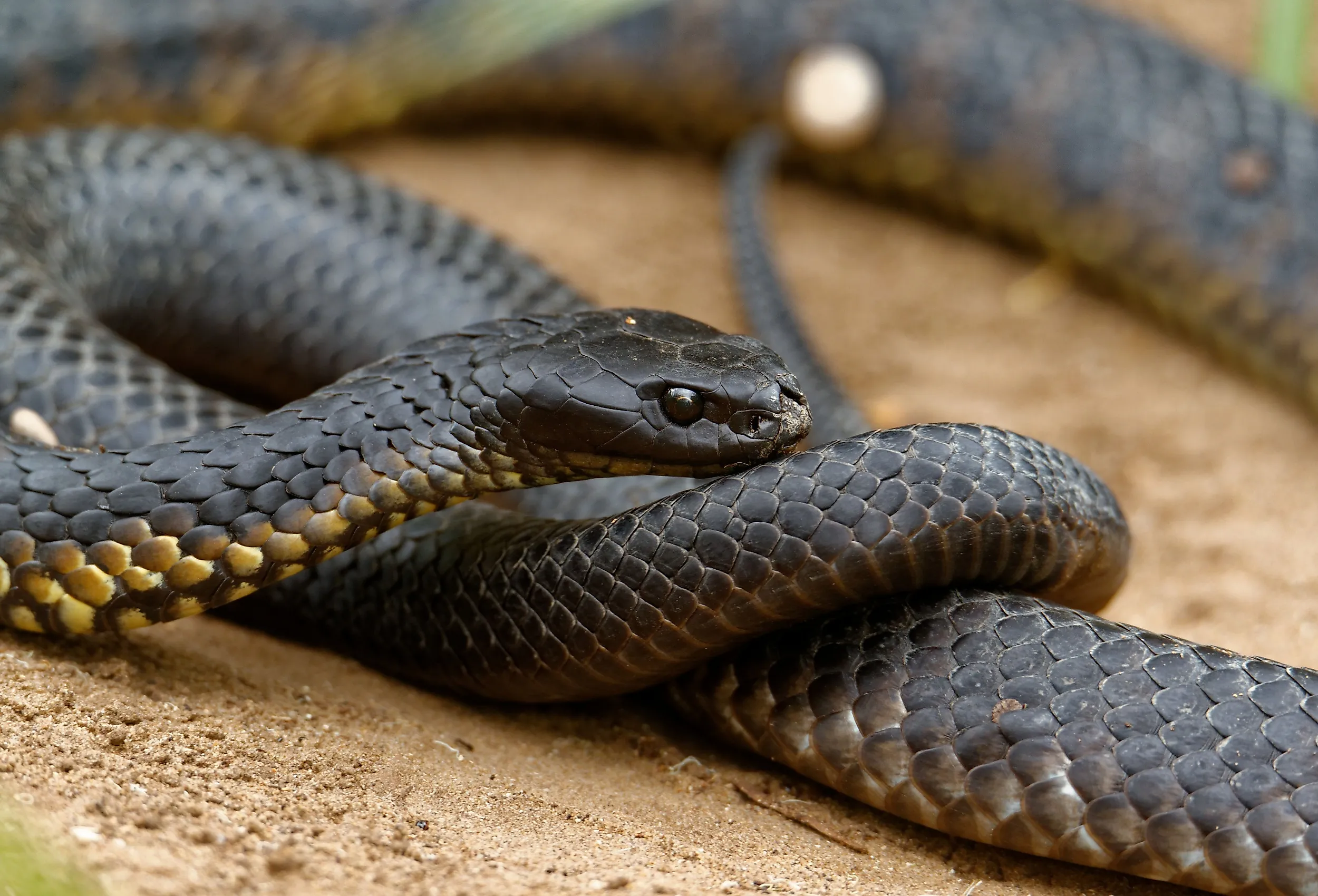
The Venomous Snakes Of Tasmania
Tasmania is an island of wild contrasts, where towering mountains meet secluded beaches and ancient forests stretch as far as the eye can see. While its landscapes captivate with their untouched beauty, the island is also home to three venomous snakes that can send a chill down the spine. The tiger snake, copperhead, and white-lipped snake are found in various habitats across Tasmania, from the coastal reaches of Wineglass Bay to the cooler forests near Mount Field. For those eager to explore the island’s natural wonders, understanding these snakes is key to appreciating the wild, untamed spirit of Tasmania.
Tiger Snake

The tiger snake (Notechis scutatus) is one of Tasmania’s most well-known and venomous reptiles. Recognized by its distinctive banded pattern, it is commonly found in coastal zones, wetlands, and near freshwater sources, often hiding under fallen logs or vegetation. Keep in mind that tiger snakes are skilled climbers and can be spotted up to ten meters high. Their venom is highly potent and can be deadly without quick treatment, though bites are uncommon due to their shy nature. Visitors exploring Tasmania, especially around the Freycinet Peninsula, may encounter these snakes in rugged landscapes that serve as their natural habitat. They are most active during the warmer months, especially late spring and summer, but despite their intimidating reputation, tiger snakes tend to avoid humans. Nevertheless, it’s wise to stay vigilant, watch your step, and stick to marked paths.
The Copperhead Snake

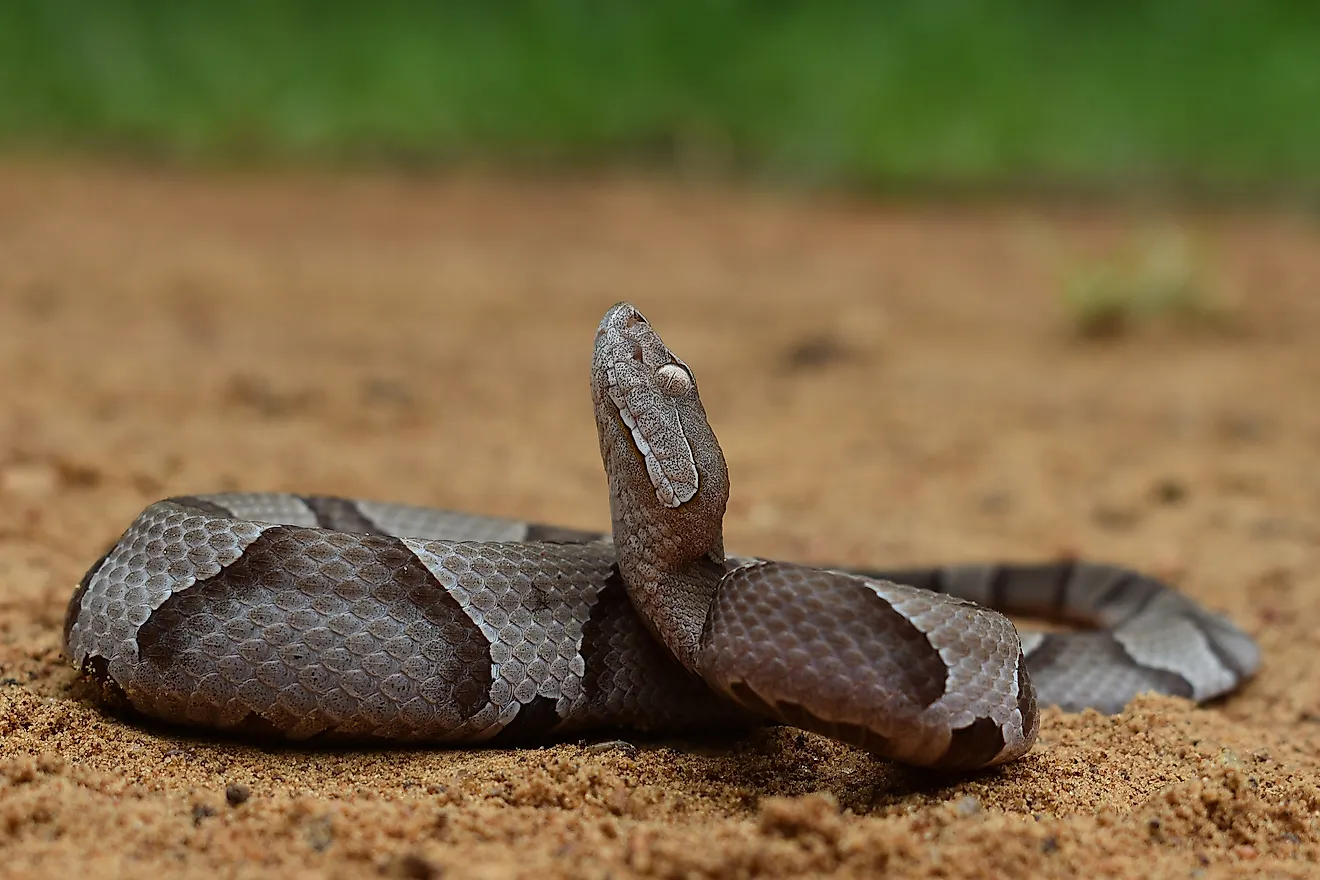
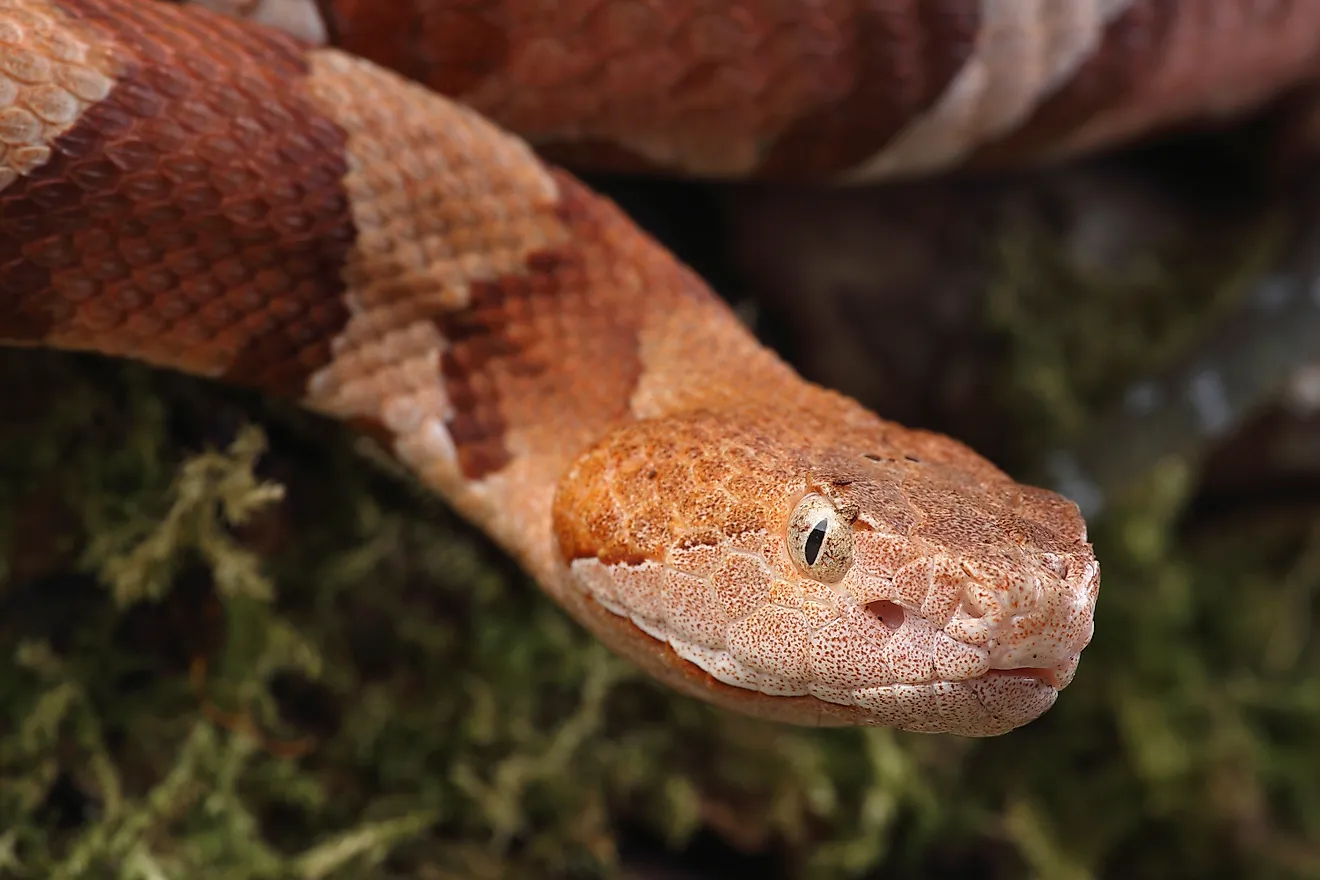
The Copperhead (Austrelaps superbus) is known for its copper-colored head. These snakes are relatively docile and less likely to engage with humans than the tiger snake. Copperheads are found primarily in Tasmania's cooler, more temperate regions, such as the areas around Mount Field National Park and the Styx Valley. Their dense forests, bushland, and the edges of agricultural land provide a cooler climate and opportunities for Copperheads to lounge in the undergrowth or on rocky outcrops, particularly when disturbed. Interestingly, Copperheads are among the rare snakes that are ovoviviparous, meaning their young develop in eggs like normal snakes, but the mothers never lay the eggs. Instead, the mothers carry the eggs inside their bellies, which then hatch inside the mother, after which the mother “gives birth” to the young and discards the egg.
This snake's venom is potent, though bites are extremely rare. Visitors trekking through Tasmania’s wilderness, especially along the forested paths in the Tasmanian Wilderness World Heritage Area, should always be cautious when stepping over rocks or brushing through thick undergrowth. The beauty of these areas lies in their seclusion, but it also means that wildlife—including the copperhead—thrives here undisturbed.
The White-Lipped Snake

The white-lipped snake (Drysdalia coronoides) is the smallest venomous snake in Tasmania, measuring a modest 0.5 meters, but it should not be underestimated. This shy, nocturnal species is often overlooked by visitors. It inhabits a range of habitats, from coastal heathlands to forests. It is most commonly encountered in Tasmania’s remote, quieter regions, such as the forests surrounding the Bay of Fires. The white-lipped snake, unsurprisingly, gets its name from the distinctive white stripe that runs along its lip.
This snake is often hidden under fallen leaves or logs, so visitors should be careful about where they place their hands and feet, especially when exploring the forest floor. While its venom isn't as potent as that of tiger or copperhead snakes, the white-lipped snake remains dangerous. Immediate medical attention is necessary if bitten.
Conclusion
Ultimately, Tasmania’s venomous snakes are only one part of the island’s vibrant and diverse ecosystem. Whether exploring the peaceful forests of Tarkine, trekking the rugged paths of Cradle Mountain, or relaxing along the coastlines of Bicheno, these snakes highlight the island’s pristine wilderness. Though encounters are infrequent, remaining vigilant and respecting their habitats help guarantee a safe and exciting experience in one of Australia’s most extraordinary regions.