Invasive Asian Lungworm Found In Pythons Threatens Florida's Native Snakes
For decades, Burmese python populations have exploded in the Everglades, steadily squeezing the life out of native wildlife. Now another, much smaller but equally insidious invader appears to have leveraged the infamous Floridian outbreak. Three-inch lungworms (that also originate in the Orient) live within the nearly 20-foot-long constrictors and have proven adept at infecting domestic snakes. In the last ten years, the Asian lungworm (aka snake lungworm) has been documented in 27 of the Sunshine State's counties and in 19 species of snakes. These blood-sucking parasites severely weaken smaller hosts, making them vulnerable to disease and predation. In addition to fighting an uphill battle against voracious invasive pythons, authorities must now contend with the even more prolific Asian lungworm and the harm it poses to Florida's ever-changing wilderness.
Pythons

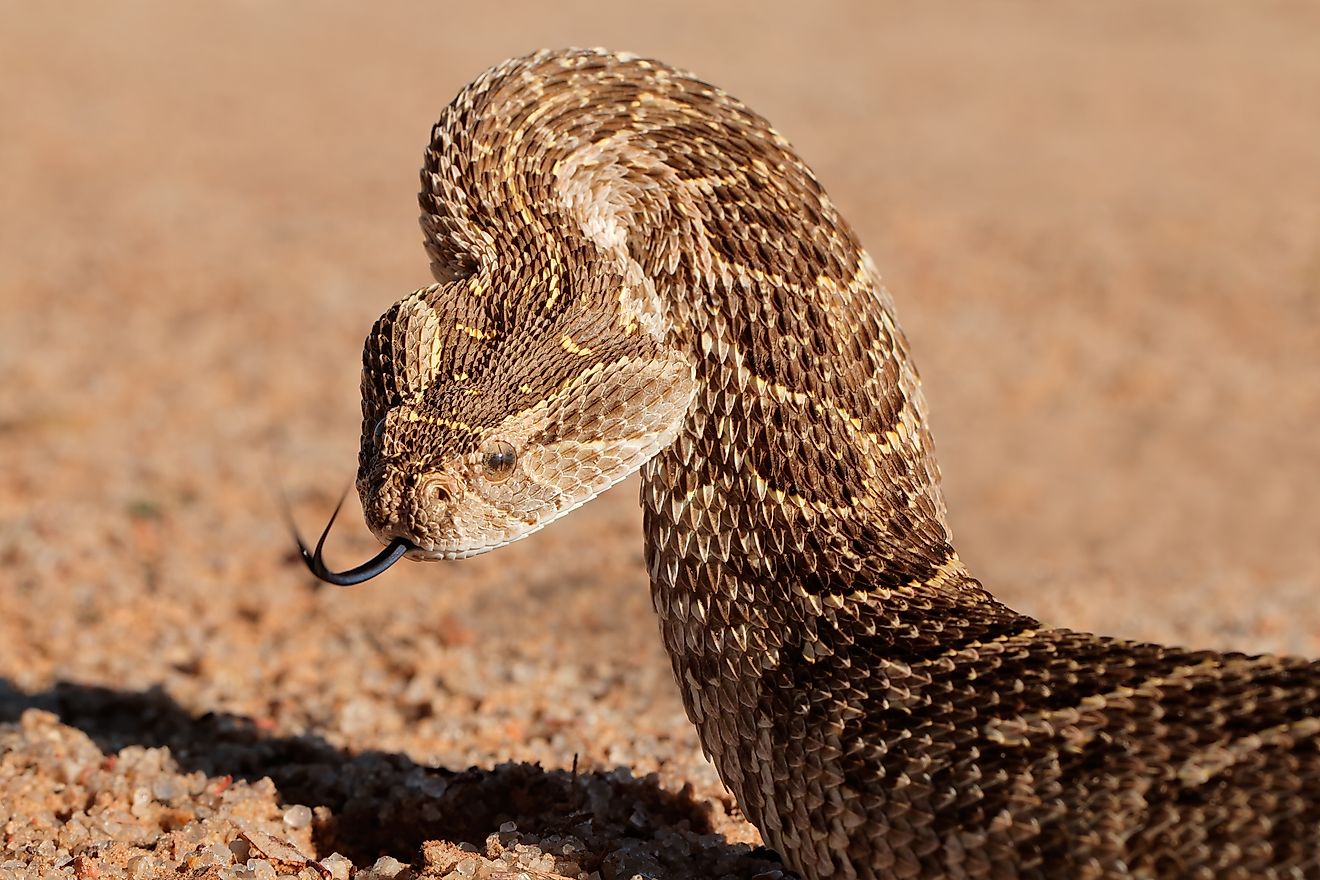
In order to understand Florida's Asian lungworm dilemma, we must first recap how Burmese pythons (Python molurus bivattatus) took over the Everglades. Owing to a combination of intentionally released exotic pets and escapees in the wake of heavy storms (i.e., from homes, pet stores, and breeding facilities), these Southeast Asian serpents have come to dominate the vast, vulnerable, and invaluable ecosystem. What began as a single snake caught in the wild in 1979 has since escalated into an untenable situation involving hundreds of thousands of large apex predators spread throughout southern Florida. Now that they have nearly extirpated several species of small mammals (even alligators and deer are on the menu) the invasive pythons have begun expanding their boundary - even popping up in and around major urban centers. One, therefore, cannot help but wonder: are Burmese pythons going to invade more states?

Despite efforts such as import restrictions, ownership crackdowns, amnesty programs for current pet owners, improved hunting protocols, tracking devices, and some creative theories to interrupt breeding patterns, the python issue continues to worsen. Given the vast area and its high density, along with the environment resembling their natural habitat but lacking predators and checks, Burmese pythons have firmly established themselves in the Everglades. Furthermore, as they encroached into the lush wetlands, they brought with them more than just a hunting instinct—they also carried another invasive species in their sizable bodies.
Parasites
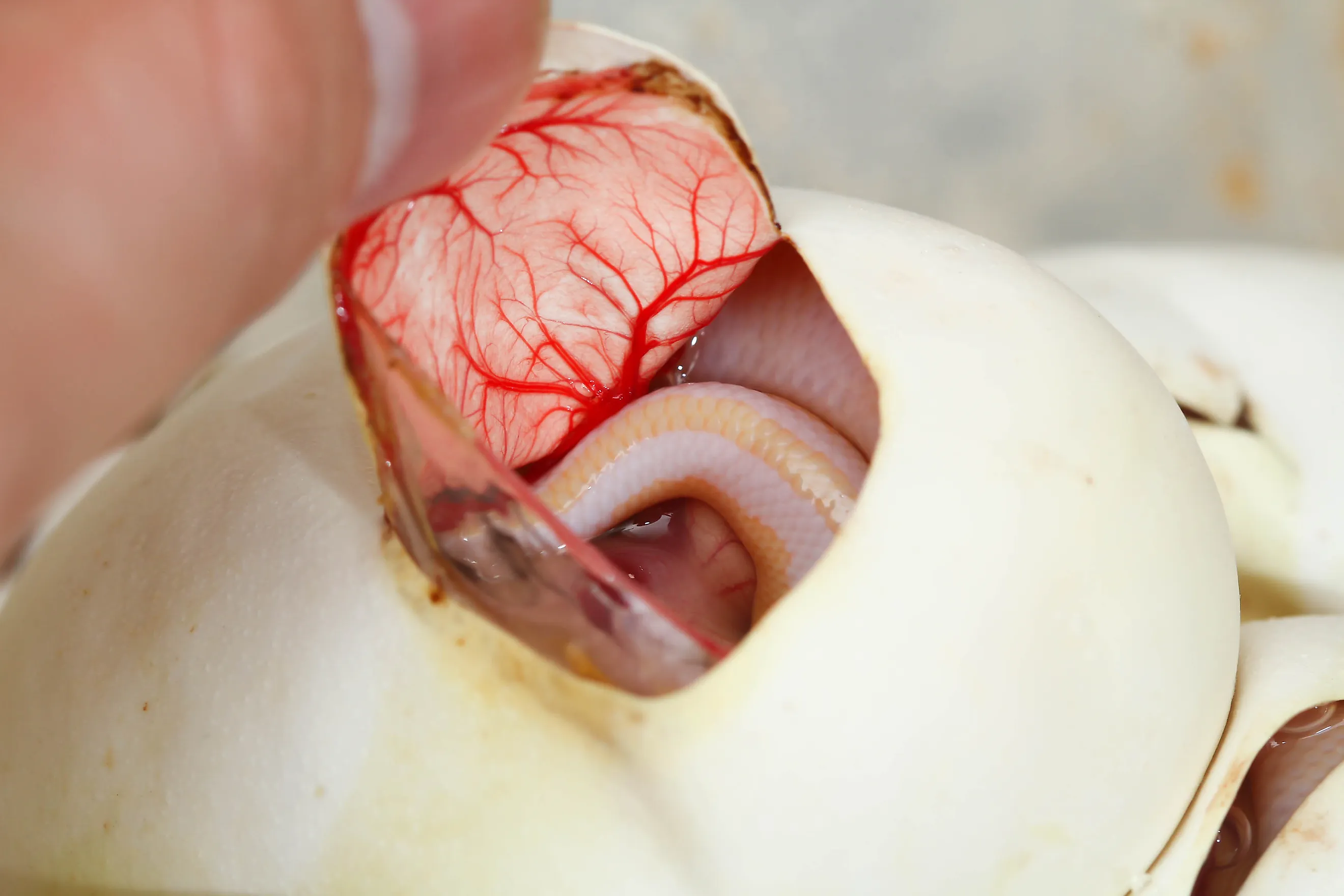
In stark contrast to their primary, bus-length hosts, Asian lungworms (Raillietiella orientalis), snake worms, or tongue worms, as they are referred to across various sources, measure between three to four inches in length. After being artificially into southern Florida (at least a decade ago), these respiratory parasites (i.e. pentastomes) spread in their inevitable fashion. Here's the basic cycle. First, the infected pythons excrete lungworm eggs which are soon thereafter consumed by cockroaches. Intermediary species, such as frogs, lizards, and small mammals then gobble up the cockroaches, which now harbor hatched larvae. Soon enough, native snakes (to date, at least 19 of Florida's 46 species) snatch up the infected intermediaries. This is what the lungworms have been waiting for (so to speak). The larvae work their way into the lungs of the unsuspecting serpents, where they feed on blood, mature, and propagate. One unlucky black racer, for instance, was found with 107 adult worms in its lungs.

Whereas Burmese pythons have evolved resistance to lungworms (owing to their shared native habitats), Florida's snakes suffer from sepsis, pneumonia, inflammation, lesions, and even starvation (due to lack of energy) at the hands (or rather, mouths) of these foreign invaders. When the host snake is on death's door, the lungworm exits through the mouth. The one current exception (though it is not clear why) is the Florida cottonmouth. This iconic, venomous, and semi-aquatic snake has not shown the same rates of decline as a result of the lungworm epidemic.

Data from the Snake Lungworm Alliance and Monitoring (SLAM) shows these parasites are spreading into central and northern Florida. Unlike Burmese pythons, which cannot withstand frost, lungworms are likely to invade other southeastern states. While humans are generally not at risk of infection under normal conditions, the ongoing disruption to the subtropical ecosystem raises increasing concerns.
Problems

Florida's challenges with invasive species are intensifying. In addition to the well-known Burmese pythons, Asian lungworms have entered the state, compounding the problem. While the large constrictors reproduce rapidly and threaten local wildlife, their habitat is somewhat limited by climate. In contrast, these parasites act more subtly but are equally destructive, weakening native snakes and spreading beyond the Everglades at a rapid pace. More research is essential to fully grasp the scope of the issue and develop effective solutions. However, this is a difficult task, given the limited knowledge of lungworms both locally and internationally, and the challenge of assessing snake health in wetlands.