The 10 US Cities With the Shortest Summers
Summer ends earlier than expected in plenty of US cities. Latitude, elevation, and proximity to cold water shorten the warm season in ways that surprise most travellers. Anchorage hits its peak in the low 60s and starts cooling before August is done. Breckenridge sits above 9,000 feet and watches snow linger into spring. Bar Harbor takes its July highs in the mid-70s before fog and Atlantic breeze return. The ten cities below share short summers for different geographic reasons.
The Geography Behind a Short Summer

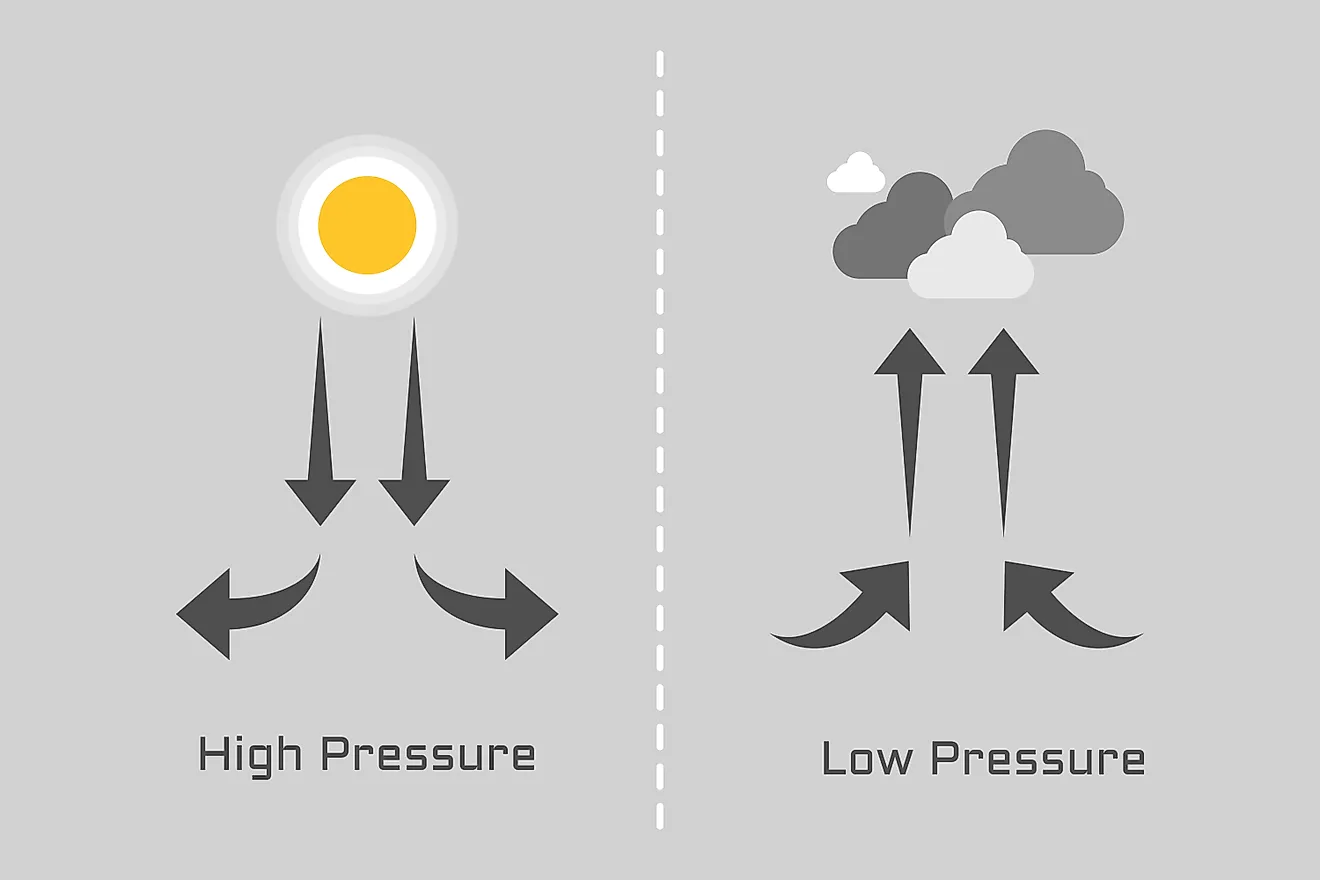
Four geographic factors do most of the work in shortening the warm season for any given US city. Latitude is the first: places farther from the Equator receive less direct sunlight and less solar energy per square metre, so summer's peak runs lower and shorter the further north a city sits. Proximity to cold water is the second: ocean and large-lake water masses warm slowly through spring and then cool the air over them for weeks longer than the surrounding interior, which means coastal and lakeshore cities run mild through summer and cool early in late August. Elevation is the third: the lapse rate drops air temperature roughly 3.5°F per 1,000 feet of altitude, and high-elevation cities also lose heat faster after sunset. Storm tracks and prevailing winds are the fourth: cities sitting under the path of cool northerly air masses (the lee of the Great Lakes, the Alaskan interior, the high Rockies) get repeated injections of cool air that prevent the kind of sustained warming the central US sees in July and August. Northern latitude, ocean influence, mountain elevation, and storm-track exposure produce the ten short-summer cities below.
Anchorage, Alaska

Per the Alaska Climate Research Center, Anchorage runs one of the shortest and mildest summers of any city in the United States. July average highs sit around 65°F and the warm season is functionally limited to mid-June through early August, with cooler conditions returning shortly after. The compensating feature is daylight: Anchorage gets close to 19.5 hours of light around the summer solstice, which extends the usable evening for outdoor activity. Flattop Mountain and the trails of Chugach State Park are within 30 minutes of downtown.
Fairbanks, Alaska

Fairbanks is well inland and runs warmer than Anchorage during the brief summer peak, with July temperatures occasionally reaching the 70s and 80s. The interior location works both ways, though: warm spells are limited to a window of roughly mid-June through early August, with cooler weather returning by late August. Fairbanks is the closest population centre to Denali National Park, a few hours' drive south, which makes it the practical base for park access during the short hiking and wildlife-viewing window.
Utqiaġvik, Alaska

Utqiaġvik, on Alaska's Arctic Ocean coast about 320 miles north of the Arctic Circle, runs the shortest summer of any populated place in the United States. Temperatures rise above freezing for only about 138 days a year on average, with July's high typically reaching the mid-40s. The all-time temperature record is 79°F set on July 13, 1993, and warm conditions in any conventional sense remain rare. The compensating feature, again, is daylight: the sun does not set in Utqiaġvik from May 10 to August 2 in any given year, producing about 83 consecutive days of continuous daylight during the Midnight Sun period.
Duluth, Minnesota

Duluth sits at the western tip of Lake Superior, the largest and coldest of the Great Lakes. The lake's deep cold water acts as a buffer that delays spring warming and pulls cool air over the city well into late summer. Consistently warm weather is usually limited to July and parts of August, with temperatures ranging from the mid-60s to low 70s; offshore breezes can drop the lakeshore 15-20°F below inland readings even in July. Duluth's Canal Park waterfront and the Superior Hiking Trail are the local anchors for the short outdoor season.
Marquette, Michigan

Marquette sits on Lake Superior's southern shore, in Michigan's Upper Peninsula, and shares Duluth's lake-driven climate. Cool lake breezes moderate temperatures throughout the summer, while warmer weather arrives late and fades early. Peak summer highs typically reach the 60s to mid-70s, with occasional spells in the upper 70s. Presque Isle Park, the wooded peninsula about ten minutes from downtown Marquette, has shoreline trails and protected swimming coves on the lake.
Bar Harbor, Maine

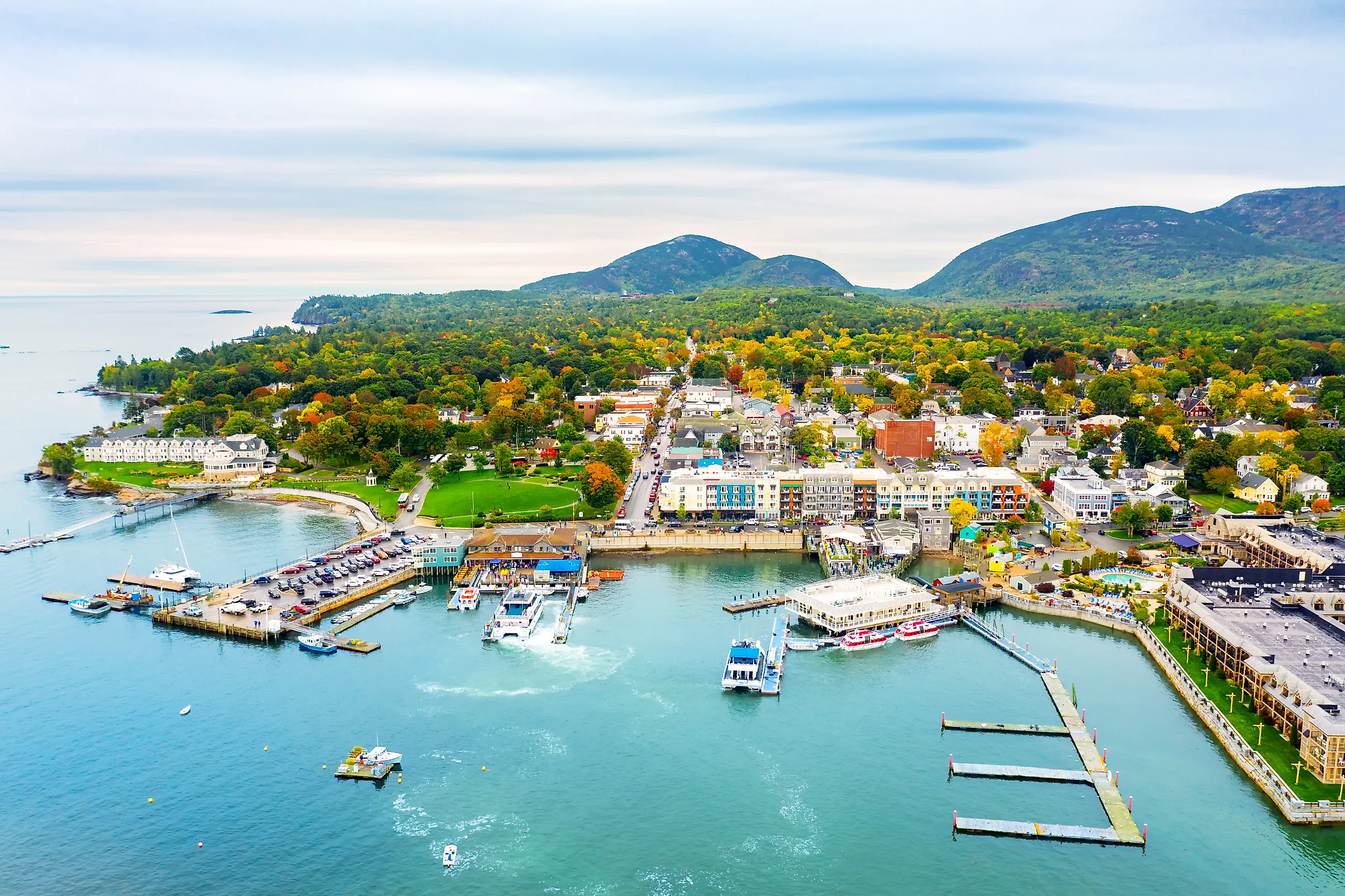
Bar Harbor sits on the northern Atlantic coast of Maine at the edge of Mount Desert Island. The cold Labrador Current keeps coastal water temperatures in the 50s through most of the summer, which in turn keeps onshore air cool, and frequent advection fog rolls in when warm moist southern air passes over the cold water. July highs usually reach the mid-70s, with the warmest stretch confined to a few weeks between late June and August. The short summer coincides with peak season for Acadia National Park, which records over 40 mammal and over 300 bird species across its trails and coastal road network.
Jackson, Wyoming

Jackson sits in a Wyoming valley at about 6,200 feet, ringed by the Teton and Gros Ventre ranges, and its short summer is driven by elevation more than latitude. Warm weather is generally limited to June through August, but overnight lows commonly drop into the 30s and 40s even at peak season, and the first measurable snow can arrive as early as September. Jackson serves as the southern gateway to Grand Teton National Park, where the high-elevation hiking and rafting season closes by late September in most years.
Breckenridge, Colorado

Breckenridge sits at 9,600 feet in the Colorado Rockies, one of the highest year-round populated towns in North America. Snow regularly lingers on the surrounding peaks into June and can return by mid-September. The warmest stretch typically runs late June through August, with daily highs ranging from the mid-60s to low 70s and overnight lows in the 30s and 40s even at peak. The Breckenridge Ski Resort runs as the largest summer alpine attraction in town, with chairlift-accessed hiking and bike trails operating through the brief warm-weather window.
Flagstaff, Arizona

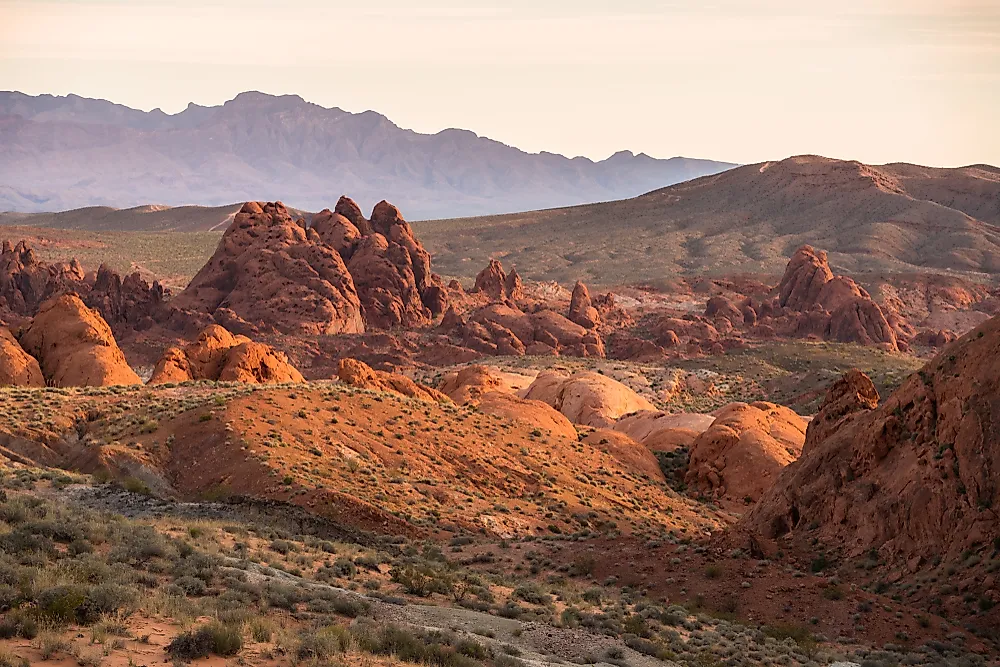
Flagstaff sits at 7,000 feet on the southern flank of the San Francisco Peaks, the highest mountains in Arizona. Elevation drops summer highs roughly 25°F below those in Phoenix, 145 miles south, and ponderosa pine forest covers the immediate surroundings. Summer highs typically range from the mid-70s to low 80s; overnight temperatures drop to the 40s and low 50s on most clear nights. The San Francisco Peaks above the city anchor the local hiking and outdoor circuit through the warm season.
Montpelier, Vermont

Montpelier is the smallest US state capital by population and one of the coldest, sitting in a valley among the northern Green Mountains. The warmest stretch runs June through August, with average highs in the mid-70s and overnight lows in the 50s. Continental air masses and the surrounding higher terrain combine to shorten the season at both ends, with frost possible in May and again by mid-September. The Green Mountain trail network surrounds the town for the short outdoor window.
What These Ten Cities Have in Common
Three of the ten (Anchorage, Fairbanks, Utqiaġvik) sit on or near the Arctic and run short because of latitude. Three (Duluth, Marquette, Bar Harbor) run short because deep cold water masses (Lake Superior, the Labrador-cooled Atlantic) buffer the local climate well into August. Four (Jackson, Breckenridge, Flagstaff, Montpelier) run short because elevation drops the seasonal mean and shortens the warm window at both ends. The forms of compensation differ too: the Alaskan cities trade short summer for the Midnight Sun, the lakeshore cities trade for cool air during heat waves, and the mountain towns trade for clear skies and ski seasons. Whichever of the three drivers dominates locally, the practical effect is the same: a usable warm-weather window of roughly six to ten weeks rather than the three to four months most of the lower 48 enjoys.