The Most Charming River Towns In Louisiana
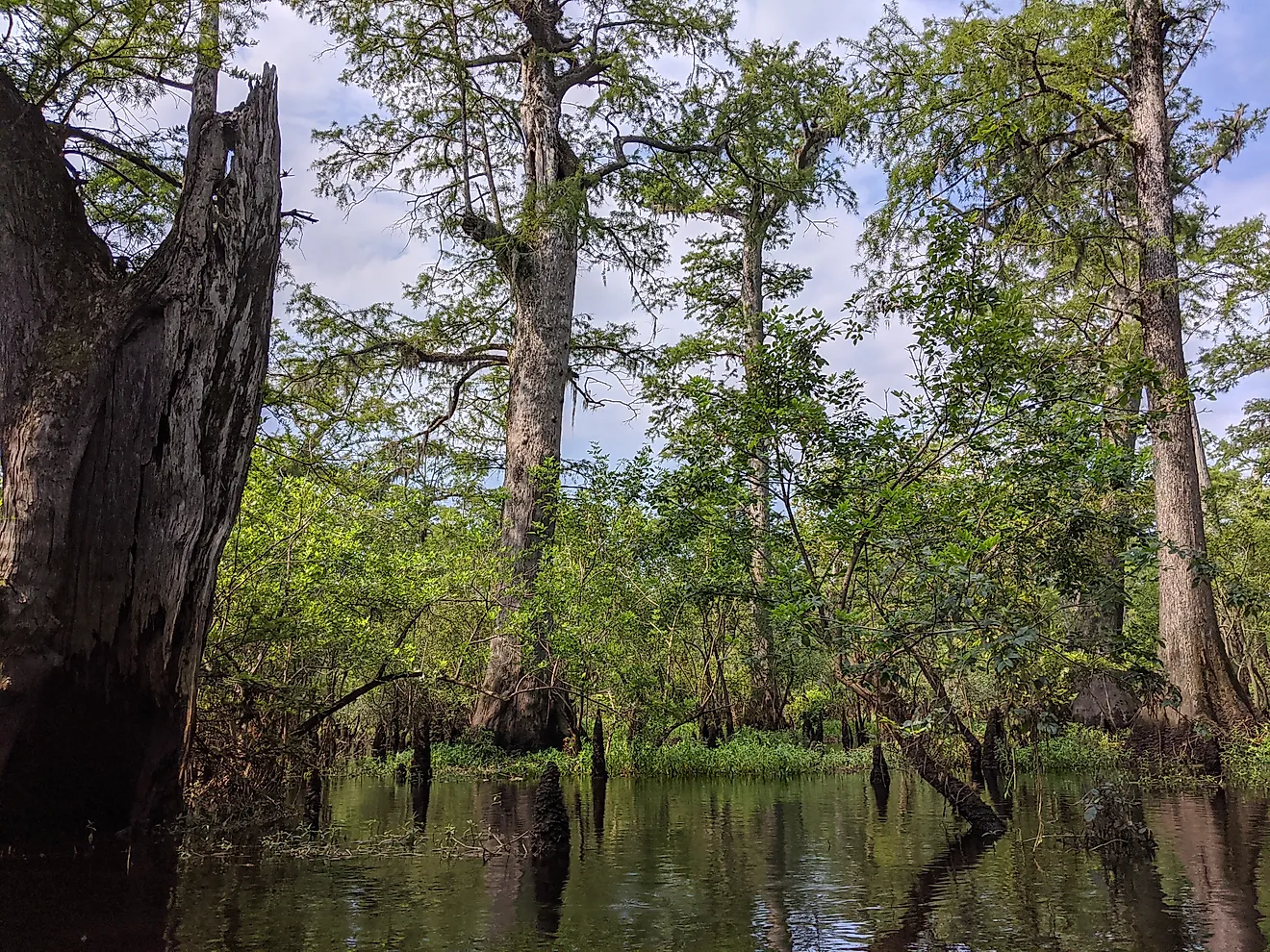
Bayous, lakes, and rivers have shaped Louisiana for centuries, supporting livelihoods through trapping, fishing, and boating. In the towns built along these waterways, Native American, French, Spanish, African, Creole, and Cajun cultures converge. French-Creole history comes alive along the banks of Cane River Lake in Natchitoches, Louisiana's oldest permanent settlement. Downriver in Madisonville, the Tchefuncte River carries a maritime heritage that the town still celebrates every year. Each of these seven river towns grew up around the water, and the current still runs strong.
Natchitoches

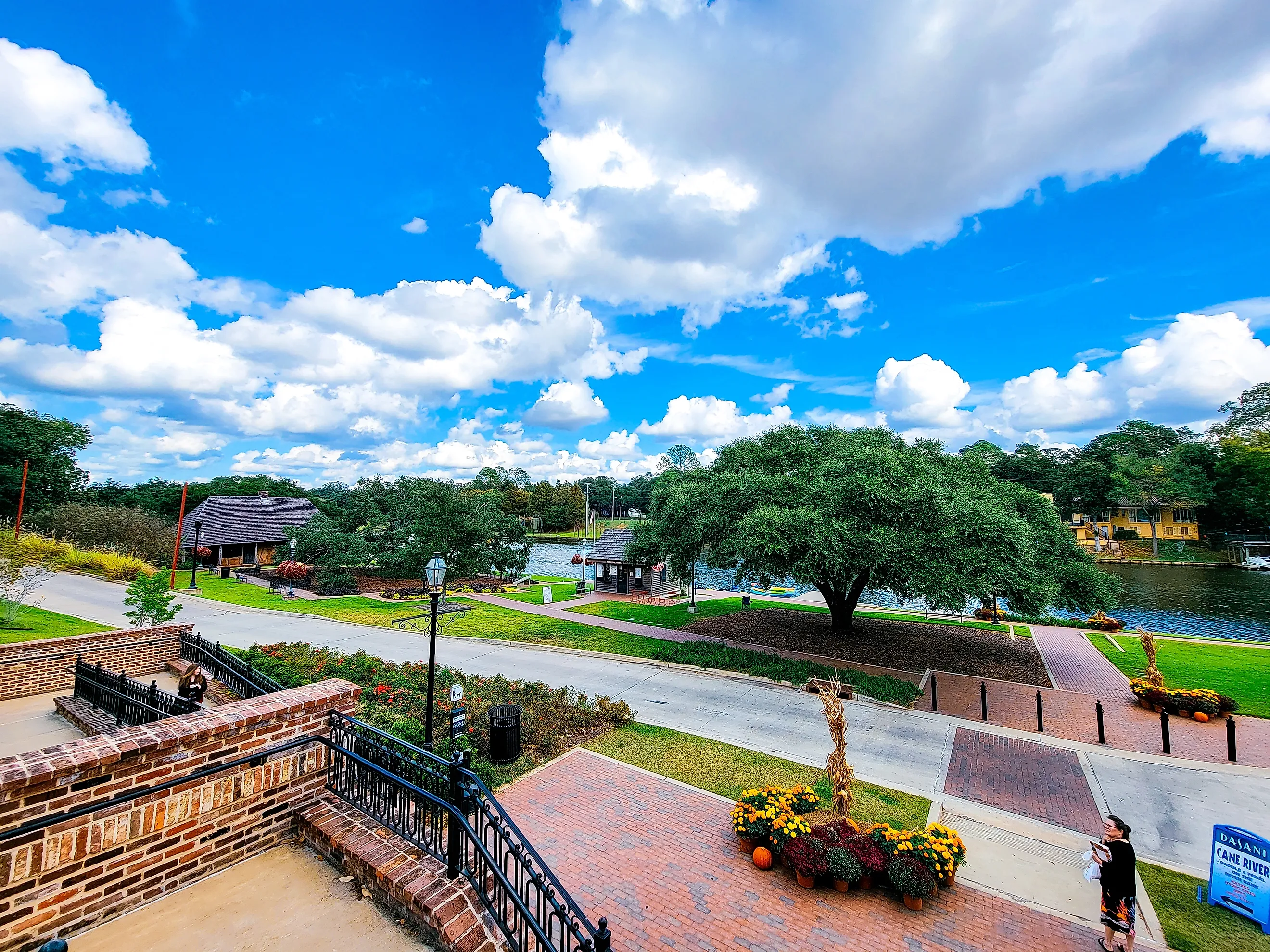
Most of the daily happenings in Natchitoches take place on Front Street, which runs along the banks of Cane River Lake. Kaffie-Frederick General Mercantile is the oldest general store in Louisiana. It carries a wide selection of hardware, housewares, cookware, and vintage toys that can be rung up on a 1910 cash register still in operation. The Louisiana Sports Hall of Fame and Northwest Louisiana History Museum showcases two floors of exhibits covering some of the state's greatest athletes and the history of the Cane River region.
Lasyone's Meat Pie Restaurant has been a staple in Natchitoches since 1967, serving authentic Creole cuisine, including the signature meat pies that made it a go-to spot in town for Southern cooking. Fort St. Jean Baptiste State Historic Site is a reconstruction of an 18th-century French fort built to keep Spanish forces from advancing into French Louisiana. Overlooking the Cane River, it gives visitors insight into the customs and cultures of Natchitoches' early inhabitants.
St. Francisville

St. Francisville sits on a finger ridge bluff overlooking the Mississippi River and is known for its preserved antebellum plantations and complex history. Rosedown Plantation State Historic Site takes visitors on guided tours inside the 1835 mansion and through 28-acre gardens that narrate plantation life, cotton production, and the people who lived and worked on the estate. Tunica Hills Wildlife Management Area comprises 5,000 acres of ravine, sandstone cliffs, and hardwood forest to hike through.
The Magnolia Cafe is open for breakfast, lunch, and dinner, serving classic Louisiana fare like po-boys, and is one of the few places in town to catch live music. The West Feliciana Historical Society Museum is housed inside a former hardware store. It contains an exterior courtyard, a gallery of local history exhibits, and a gift shop.
Breaux Bridge

Bayou Teche flows straight through Breaux Bridge, the self-acclaimed "Crawfish Capital of the World," and Cajun culture runs just as thick. The Breaux Bridge Crawfish Festival takes place over three days during the first full week of May, bringing together Cajun music and crawfish cooked every way imaginable, including crawdogs and crawfish pie. Parc Des Ponts de Pont Breaux is home to the first bridge in Breaux Bridge, built in 1855. Today, it doubles as a cultural stage and fishing pier on the bayou.
Lake Martin is a swamp lake on the edge of town with many outdoor recreational opportunities. A walking trail circles the water, and several boat tours head out in search of the alligators that live in the lake. La Poussiere comes alive with Cajun music and dancers every weekend, and has been doing so since it opened in 1955.
Morgan City

Morgan City is the epitome of two of Louisiana's largest industries: seafood and oil. Flanked by the Atchafalaya River and Bayou Shaffer, the town hosts the Louisiana Shrimp and Petroleum Festival, which honors the workers of both sectors with live music, arts and crafts, vendors, a children's village, and, of course, bacon-wrapped shrimp. The festival is held at Lake End Park and Campground, which is equipped with over 200 campsites, beach access, picnic areas, a one-mile walking trail, and access to Lake Palourde for swimming and boating.
Meanwhile, the Mr. Charlie Oil Rig Museum showcases exhibits that honor the first transportable offshore drilling rig, which helped launch the modern oil industry. For a true taste of Morgan City, Atchafalaya Cafe specializes in Cajun cuisine like fried alligator bites and corn and crab bisque, paired with live music.
Houma

Houma sits in the middle of Bayou Country, laced by the Intracoastal Waterway, Bayou Black, and Bayou Terrebonne. The Bayou Terrebonne Waterlife Museum overlooks the bayou, with exhibits showing how south Louisiana's wetlands shaped its settlers. Visitors can view Cajun shrimp boats, steel trawlers, and oil-service craft. Melvin's Restaurant sits on the east side of the Intracoastal Waterway, serving classic Southern dishes with waterfront views.
The Terrebonne Fine Arts Guild displays local and regional art in a variety of media, including oil, acrylic, watercolor, sculpture, photography, and jewelry. Southdown Plantation and Museum sits along the banks of Little Black Bayou. The distinctive pink and green manor is decorated with 19th-century furnishings, along with photographs and artifacts tied to sugar cane history and a collection of Native American artifacts.
Covington

The Bogue Falaya River winds gently past Covington and is a focal point for recreation in town. The river is best taken in at Bogue Falaya Wayside Park, where visitors can walk the banks, picnic, kayak, or swing from a rope into the water. Columbia Street Landing sits where the Bogue Falaya meets the southern end of Columbia Street. What was once a harbor for schooners and steamboats now holds a garden with a gazebo, picnic areas, and river access.
Rutland Street Gallery displays antiques, sculptures, jewelry, pottery, paintings, and photography. The Chimes is a casual eatery serving po-boys, seafood gumbo, and crawfish dishes on a spacious outdoor patio overlooking the Bogue Falaya as kayakers and paddleboarders drift past.
Madisonville

Further down from Covington, the Tchefuncte River flows past Madisonville into Lake Pontchartrain. The Lake Pontchartrain Basin Maritime Museum traces the history of the Northshore from the Native Americans who first lived here to the present day. The museum grounds include the Tchefuncte River Lighthouse Station and an 1880s-era lighthouse keeper's cottage. The Madisonville Wooden Boat Festival takes place near the museum each fall, celebrating the town's maritime heritage with two days of boating, food, and live music.
Fairview-Riverside State Park has plenty of outdoor recreation, including hiking trails overlooking the river, fishing and crabbing from the shoreline, and viewing wildlife like alligators and migratory birds from a boardwalk. Tchefuncte's Restaurant draws its name from the same river it overlooks, and it uses the river for seasonal ingredients when it can to create classic Southern cuisine.
Life on the Water in Louisiana
What ties these seven towns together is not a shared vibe so much as a shared dependence on moving water. The bayous and rivers brought the boats, the trade, and the settlers whose descendants still cook, build, and celebrate along the same banks. Louisiana's oldest general store, its reconstructed French fort, its wooden-boat festival, and its crawfish capital all sit within reach of a current, and that is no accident. To understand these towns is to understand that life here has always moved with the flow of the water.