The Cheapest Beautiful Towns To Live In New Hampshire
Living costs in New Hampshire stay lower than towns in the White Mountains and along the Lake Winnipesaukee shoreline would suggest. To further sweeten the pot, the state collects neither an income tax nor a sales tax. Typical home values statewide sit near $520,000, while Keene averages about $360,000 and Concord about $450,000, both with a full downtown calendar attached. Laconia occupies the neck of land between Lake Winnisquam and Lake Winnipesaukee at around $445,000. Littleton, where the Chutters candy counter holds a Guinness record, prices well under the state figure, too. These seven towns illustrate how far a housing budget stretches across New Hampshire's mountain and lake country.
Littleton

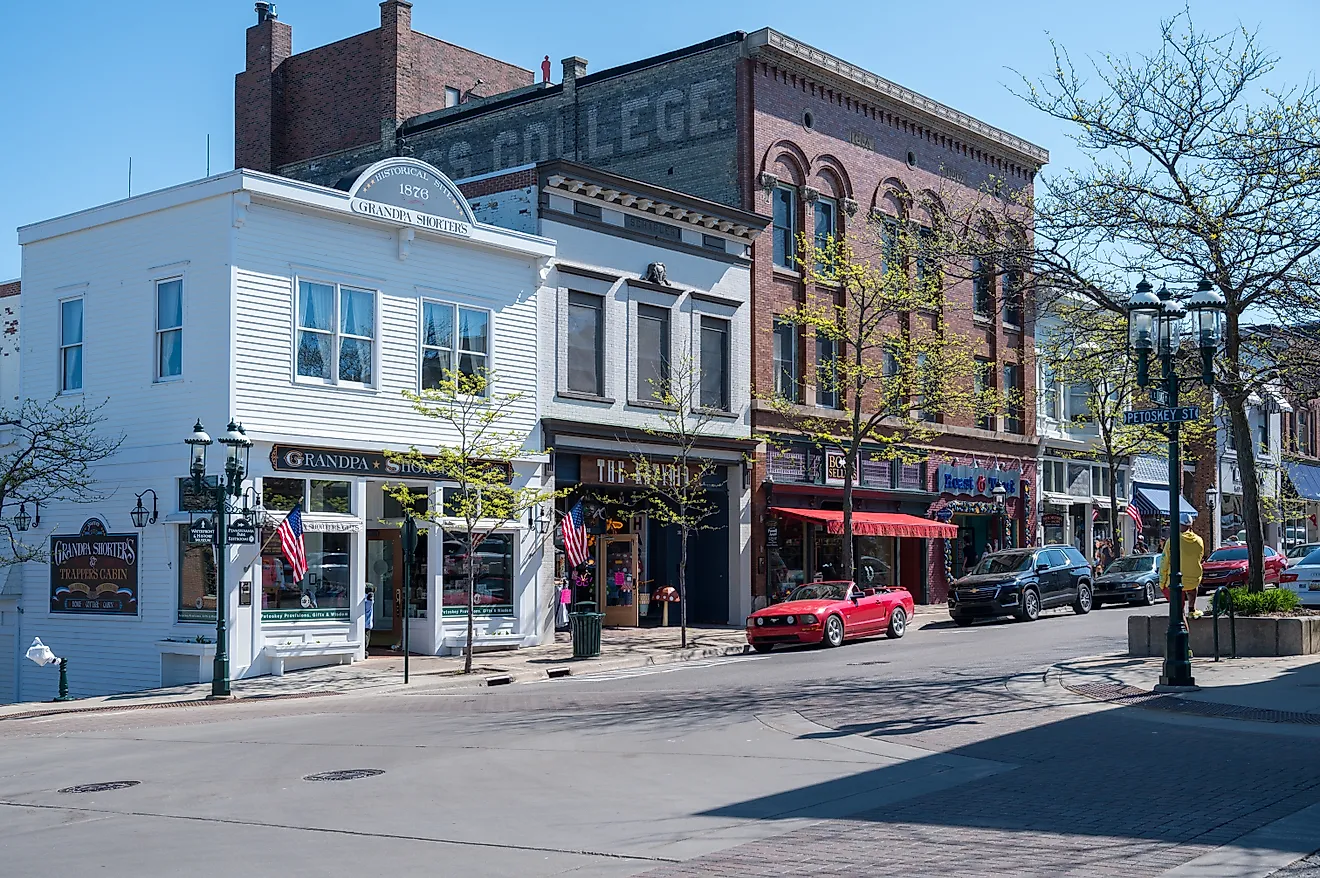
The candy counter at Chutters measures 111 feet 11 inches, holds the Guinness record for the longest continuous candy counter, and has a ticker running along the front marking off every inch. It has been on Main Street since the late 1800s. That is the tone of Littleton: a working commercial street rather than a restored one. Schilling Beer Co. occupies a grist mill built around 1797, one of the oldest commercial buildings north of Concord, and turns out wood-fired pizza beside the water. The town sits where the Ammonoosuc River meets the Connecticut River, with the White Mountains filling the eastern horizon. The Littleton Riverwalk runs close to a mile along the Ammonoosuc and crosses a covered pedestrian bridge, which is why Littleton's downtown is made for strolling. Home values here land far under the statewide typical value of roughly $520,000, and that gap is the reason most people arrive.
Conway

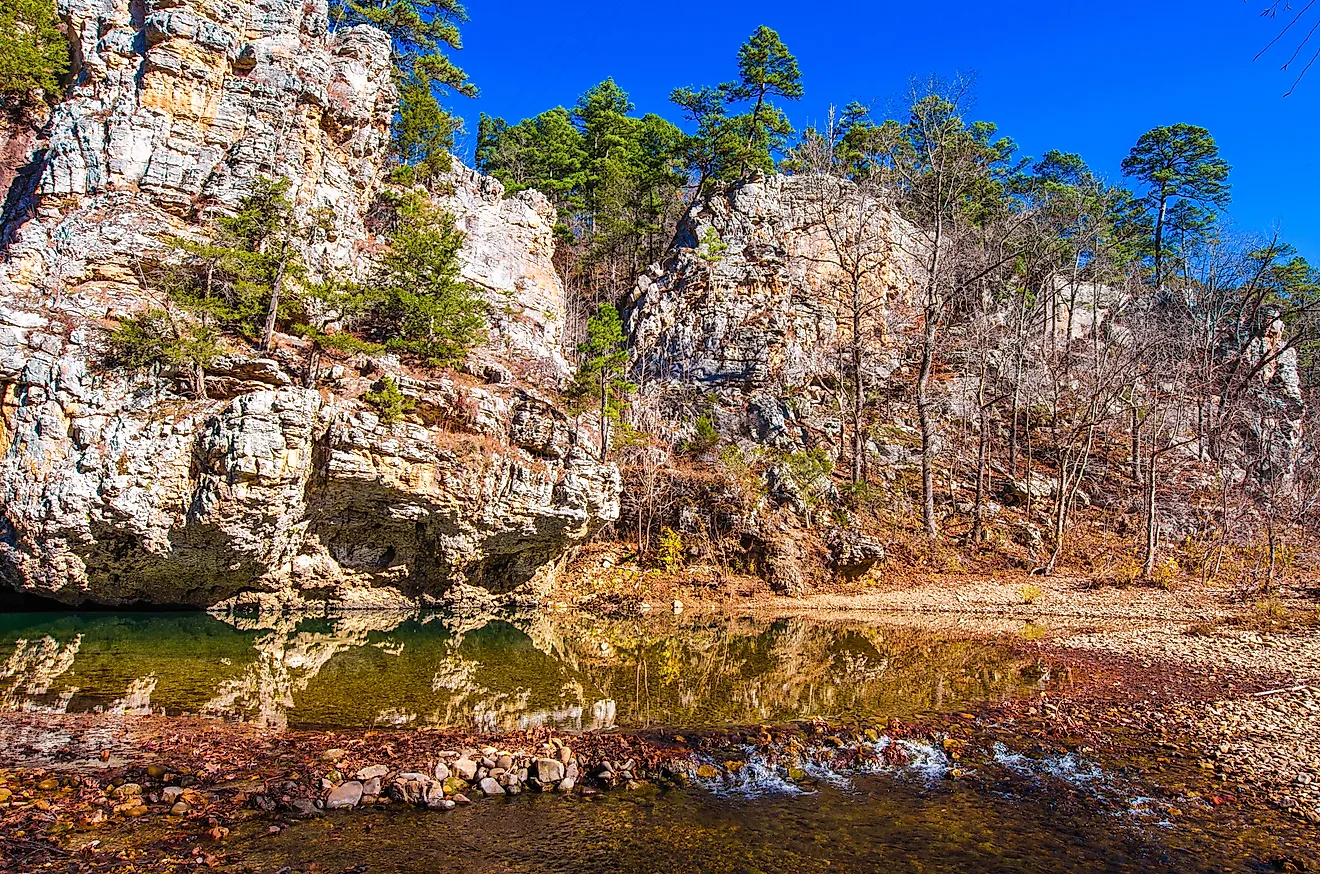
Cathedral Ledge rises about 700 feet over the Mount Washington Valley, and climbers spend whole days on its face. A mile-long auto road also goes to the top, so the same view is available to anyone with a car and a parking spot. The ledge and neighboring White Horse Ledge sit within Echo Lake State Park, along with the 16-acre kettle-hole lake that gives the park its name, bought for the public in 1943 to keep it out of development. Conway is really several villages under one town government, North Conway and Center Conway among them, spread across the southeastern edge of the White Mountain National Forest. The Conway Scenic Railroad runs seasonal trips out of the North Conway depot, including the long haul through Crawford Notch, and the village around it is New Hampshire's quirkiest little town by some reckonings. Everyday needs are covered too: Saco River Medical Group runs a seven-day walk-in clinic on Greenwood Avenue, on a site that has housed a medical practice for more than a century. Housing costs run below the state figure, which is unusual for a town this close to the notches.
Concord

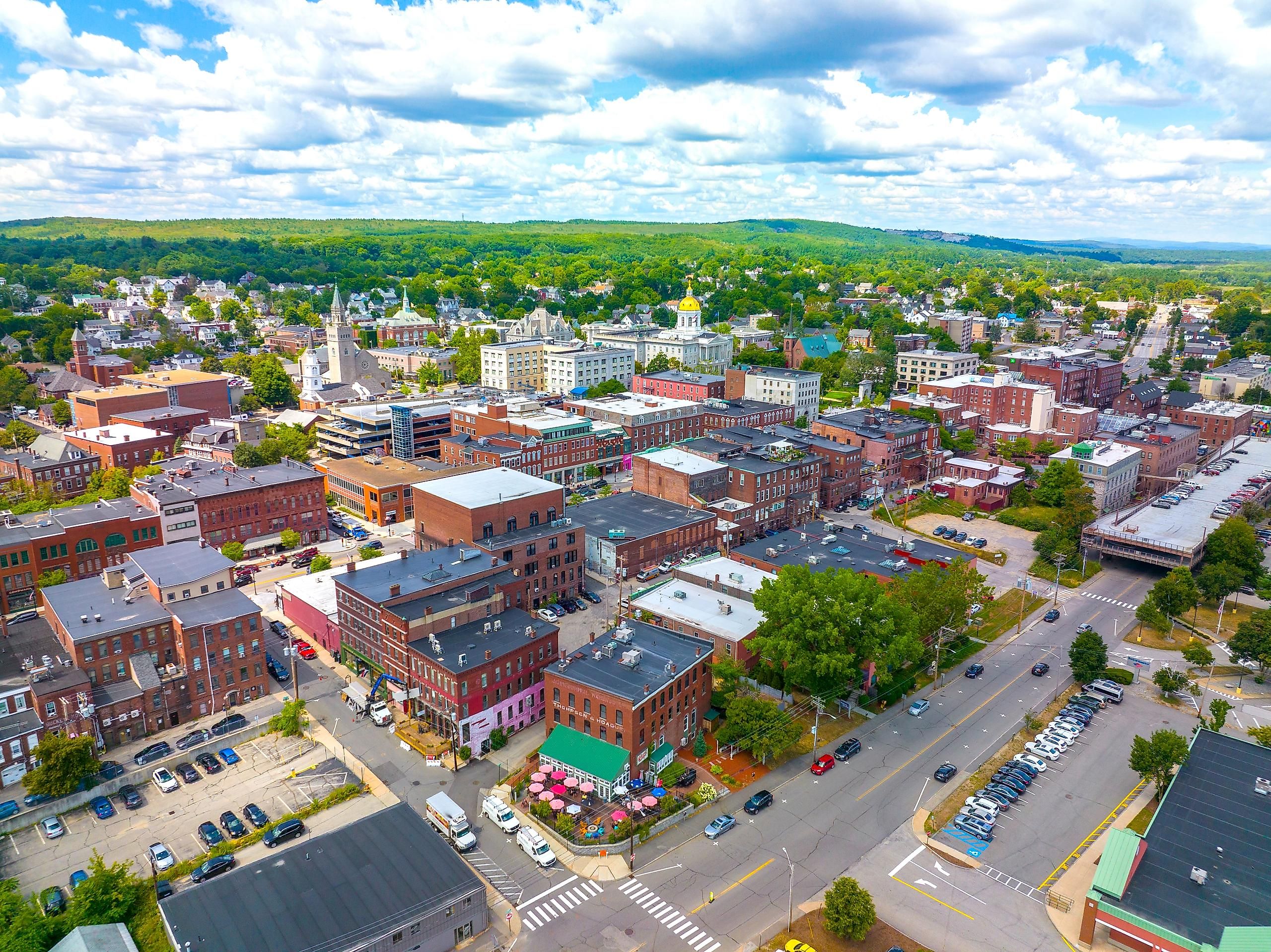
Four hundred representatives meet in the New Hampshire State House, roughly one for every 3,500 residents of the state, and they do it in the original chambers of a granite building finished in 1819. The gold dome on North Main Street is the landmark, but the legislature underneath it is the odder fact. Concord wraps that civic core in nineteenth-century brick, with the Merrimack River running through the middle of the city. Typical home values sit around $450,000, well under the statewide number, and rents generally stay below $2,000. White Park gives the downtown neighborhoods mature shade, ball fields, and a pond that freezes hard enough for skating most winters. The Capitol Center for the Arts books touring concerts and Broadway productions a few blocks away. For a half day outdoors, the Tower Trail climbs about two miles and 500 feet to the Oak Hill fire tower, where the summit is wooded, the view exists only from 65 feet up the steel frame, and the tower itself is technically over the line in Loudon.
Keene

Typical home values in Keene run about $360,000, roughly $160,000 under the state figure, which makes it one of the more reachable small cities in New England for a first house. Rents track lower than the state average as well. The city sits in the Ashuelot River valley rather than on the Connecticut, though the Ashuelot eventually gets there. Central Square anchors the downtown with an 1871 soldiers' monument, a bandstand, and a Main Street wide enough that the whole arrangement fits in the middle of it. The Colonial Theatre, open since 1924 and restored a few years ago, handles the winter calendar. West of downtown, the Horatio Colony Nature Preserve protects 645 acres with five miles of marked trails, and its network now links to Pisgah State Park by way of a 9.4-mile route called the Keene Connector. Wheelock Park covers the everyday version with ball fields, playgrounds, a pool, and bike trails.
Peterborough

Miller State Park is the oldest state park in New Hampshire, established in 1891, and a paved road runs to the summit. The oldest one is also the easiest one. The park centers on 2,290-foot Pack Monadnock, high point of the Wapack Range, with views west across the Monadnock highlands and, on clear days, the Boston skyline to the south. Walkers can take the 1.4-mile Marion Davis Trail up through hardwood and brook crossings instead, or pick up the two-mile stretch of the 21-mile Wapack Trail, which continues over 2,045-foot Temple Mountain and south into Massachusetts. The larger landmark in the region, 3,165-foot Mount Monadnock, sits a short drive west.
Downtown Peterborough is compact and built along the Nubanusit, where the Waterhouse serves American plates on a deck over the water and runs a bakery next door. Toadstool Bookshop stocks new and used books, records, and films on Depot Square. The MacDowell artist residency has operated on the edge of town since 1907, which explains why a place this size supports the bookstore in the first place. Home values here sit below the state average, though by a narrower margin than the other towns on this list.
Laconia

The CAKE Theatre occupies an 1836 Greek Revival building that spent most of its life as the Meredith Bridge Congregational Church and now hosts a Las Vegas-style percussion show several nights a week. Laconia absorbs that sort of thing without much comment. The city occupies the neck of land between Lake Winnisquam and Lake Winnipesaukee, the largest lake in the state, and Weirs Beach handles the summer: boardwalk, sand, shallow water, and a June motorcycle rally that dates back to 1916 and takes over the whole waterfront for a week. North Water Marine sits at the bridge in Weirs, running sales, service, and rentals on a property that was Thurston's Marina for nearly 50 years. On the Winnisquam side, Ahern State Park keeps 128 acres and 3,500 feet of undeveloped shoreline, land that belonged to the former Laconia State School before the state set it aside in the 1990s. Typical home values run near $445,000, comfortably under the statewide number for lakefront-adjacent living.
Derry

Derry answers to Spacetown, a nickname earned by a single native son, astronaut Alan Shepard. With 34,317 residents at the last census it is the largest town in New Hampshire, and the fourth-largest municipality of any kind. Robert Frost farmed 30 acres here between 1900 and 1911, kept chickens without much success, taught at Pinkerton Academy, and drafted most of what became his first two books. The half-mile trail behind the farmhouse passes the stone wall that turns up in "Mending Wall." Beaver Lake holds the town beach and boat launch, and Hoodkroft Country Club keeps a nine-hole course on the east side.
Tupelo Music Hall books about 200 nights a year in a converted health club on A Street, seating close to 700 people since it moved over from a Londonderry farmhouse in 2017. Parkland Medical Center covers emergency and surgical care in town, and Manchester is 12 miles northwest, which puts the Currier Museum of Art and its 15,000-piece collection within a normal errand. The Currier also owns the Zimmerman House, the only Frank Lloyd Wright design in New England open for public tours. Housing is the catch: Derry runs close to the statewide typical value rather than well beneath it, so the savings here are really about the commute into Manchester rather than the price tag.
Where New Hampshire Costs Less
Affordable housing in New Hampshire tends to cluster where the White Mountain National Forest and the Monadnock highlands take over from the commuter belt. Conway spreads several villages under one town government along the southeastern edge of that forest, with Cathedral Ledge standing about 700 feet above the Mount Washington Valley. Peterborough clears the state average by a narrower margin, with 2,290-foot Pack Monadnock and the 1891 Miller State Park a few minutes from Depot Square. The discount is a matter of distance in every case, measured from the Manchester commuter corridor where prices climb back toward the state average.