How Many Cities Sit On The Mississippi River
The number is 124. That is the count of main stem cities and towns on the Mississippi according to the Mississippi River Cities and Towns Initiative, the mayoral coalition that exists specifically to speak for them, and it is the closest thing to an official figure anybody keeps. Of those, 105 currently belong to the coalition. What surprises people is not the total but the size distribution: for the largest river in North America, running 2,340 miles through ten states, not one city on its banks has a million residents. The biggest is Memphis, and the reasons for that are worth more than the number itself.
Here is how the 124 break down along the river, from a stream you can step across to the largest port complex in the hemisphere.
The Headwaters, Minnesota

The river leaves Lake Itasca in Minnesota narrow enough to wade, and the first towns on it are small.
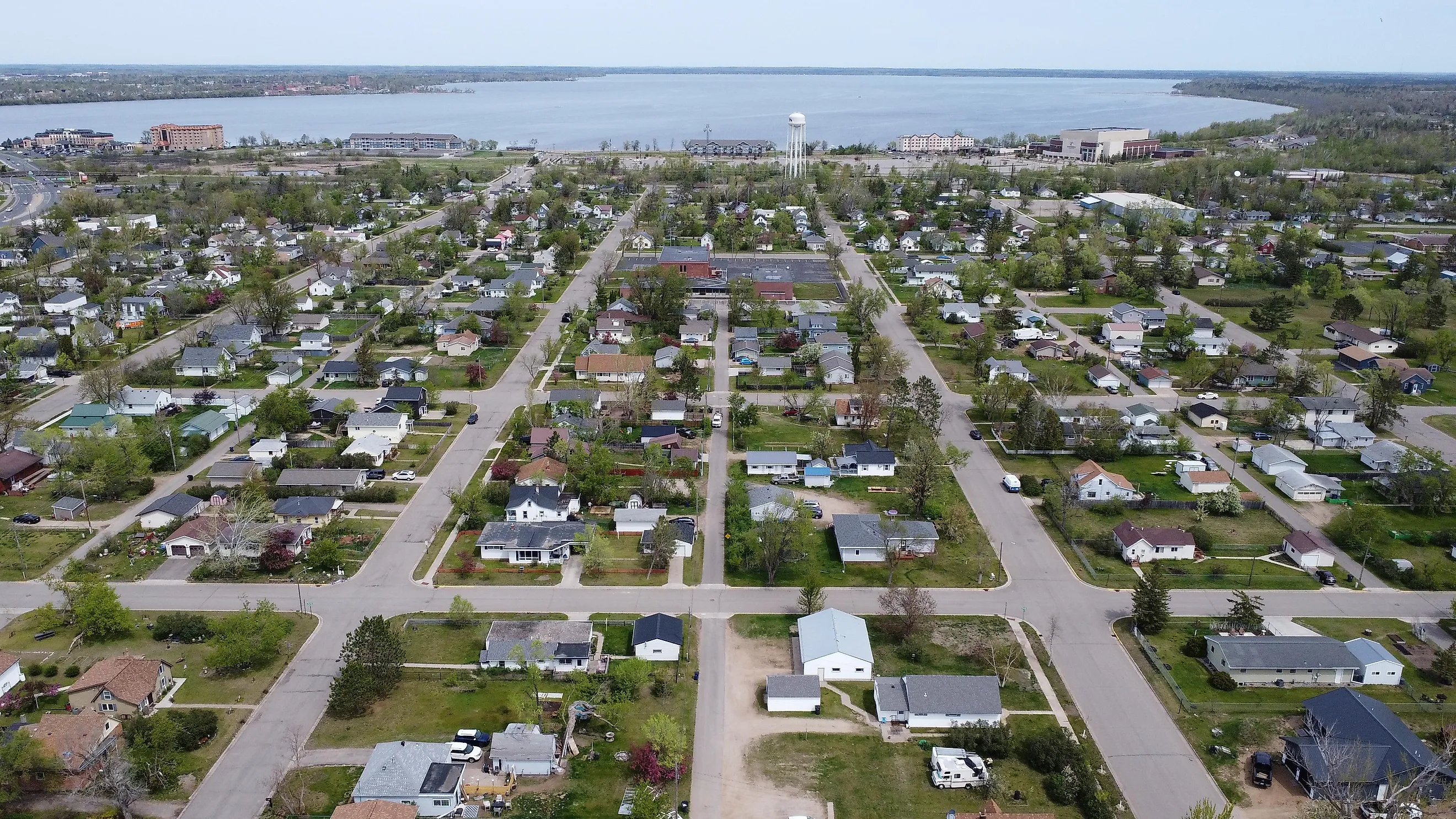
Bemidji is the first city the Mississippi actually flows through, and the river runs north out of its headwaters before turning east and then south, so Bemidji sits on a stretch heading the wrong way. Grand Rapids, Brainerd and St. Cloud follow as the river gathers volume through central Minnesota.
St. Cloud matters more than its size suggests. Its mayor helped found the mayoral coalition, and it has co-chaired the organization that produced the 124 figure.
Minneapolis And St. Paul
The first genuinely large urban area on the river, and the only place where two major cities face each other across it.
Minneapolis grew on waterpower at St. Anthony Falls, the only major waterfall on the Mississippi, which drove the flour mills that made the city. St. Paul grew a few miles downstream as the head of navigation, the furthest point steamboats could reach. One city was built on stopping the river and the other on riding it.
Together the Twin Cities metro holds roughly 3.7 million people, which makes it the largest population center on the river by a wide margin even though neither city is individually the biggest.
The Upper Mississippi

Between St. Paul and St. Louis the river is a working navigation channel maintained by locks and dams, and the towns on it are the classic river cities.
La Crosse in Wisconsin, Dubuque in Iowa, Burlington, Keokuk, Quincy in Illinois and Hannibal in Missouri all trace their existence to river commerce. Dubuque is the oldest city in Iowa and has co-chaired the mayors' coalition alongside Memphis.
Hannibal is the one everybody knows without knowing why they know it. Mark Twain grew up there, and the town he wrote as St. Petersburg in Tom Sawyer is Hannibal with the name changed.
The Quad Cities

The most unusual arrangement anywhere on the river: four cities in two states facing each other across the water, functioning as one metropolitan area.
Davenport and Bettendorf sit on the Iowa side, Rock Island and Moline on the Illinois side. There were originally three, then four, and locals will tell you it is now really five with East Moline included, which is why the name stopped being arithmetic some time ago.
This is also the one stretch where the Mississippi runs east to west rather than north to south, so Davenport sits on the north bank of a river that is supposed to be flowing past its west side.
St. Louis And The Middle River
Below the Missouri confluence the river changes character entirely, losing the locks and dams and becoming a free-flowing channel maintained by dredging.
St. Louis sits just below where the Missouri comes in, which made it the gateway for westward expansion and the single most important inland port in the nineteenth century. East St. Louis faces it from Illinois. Cape Girardeau is the last significant Missouri river city before the state ends.
St. Louis has about 280,000 residents inside the city limits now, down from a peak above 850,000 in 1950, which is the sharpest population decline of any major American city and a large part of why no Mississippi city is huge today.
Memphis Is The Largest
At roughly 620,000 people, Memphis in Tennessee is the biggest city on the Mississippi, which catches people out because New Orleans is more famous and St. Louis feels more central.
It sits on the Chickasaw Bluffs, high ground above the floodplain, which is exactly why it is there. Most of the lower river's banks are too low to build a major city on, and Memphis occupies one of the few reliable exceptions.
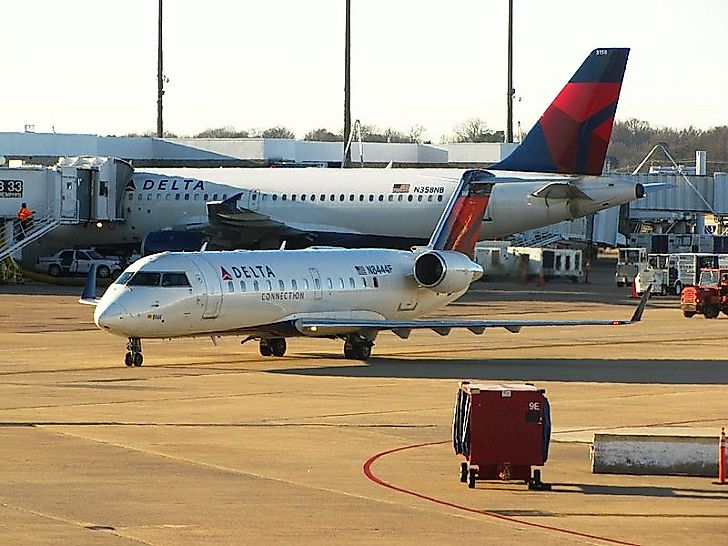
Its mayor has repeatedly chaired the river mayors' coalition, and the city's argument is straightforward: an international port, a multi-billion-dollar outdoor recreation economy and the busiest cargo airport in the country all depend on the corridor staying navigable.
The Lower Mississippi

South of Memphis the cities thin out and the ones that remain are mostly historic river ports rather than growing centers.
Helena in Arkansas, Greenville, Vicksburg and Natchez in Mississippi, and a scatter of smaller towns including Hickman in Kentucky, New Madrid and Osceola. Several of those mayors sit in the coalition, which is part of the point of it: a town of a few thousand gets the same seat as Memphis.
Vicksburg and Natchez are both perched on bluffs, and both were fought over in the Civil War for the same reason Memphis exists. High ground on the lower Mississippi is rare and strategically decisive.
Baton Rouge And New Orleans

The last two, and the reason the whole system exists commercially.
Baton Rouge is the furthest upstream point oceangoing ships can reach, which makes it the effective boundary between deep-draft shipping and barge traffic. New Orleans in Louisiana sits near the mouth and anchors a port complex that handles a large share of American grain exports.
New Orleans has around 360,000 residents, considerably fewer than Memphis and well below its own historic peak. Its importance was never population.
What The 124 Have In Common

The numbers behind the coalition explain why 105 mayors across ten states bother coordinating at all.
The river supplies drinking water to more than 20 million people across some 50 cities. Its resources support around 1.5 million jobs and generate close to $500 billion in annual revenue. Ninety-two percent of American agricultural exports originate in the Mississippi basin. Sixty percent of all North American birds use the basin as a migratory flyway, and the river system supports over 780 species of fish and wildlife.
The shared problems are equally specific: nitrate pollution, saltwater intrusion at the mouth, flooding, and the low-water events that halted barge traffic in recent drought years.
Why None Of Them Is Huge

Three reasons, and together they explain the whole size distribution.
Flooding is first. The lower Mississippi's floodplain is enormous and the river has moved across it repeatedly, so the only safe places to build big are the bluffs, and there are not many. Memphis, Vicksburg and Natchez all sit on them.
Then the railroads. River cities boomed on steamboat commerce and then watched rail take the freight in the later nineteenth century. Cities whose whole advantage was being on the water lost that advantage to track that could go anywhere.
And then the twentieth century took the industry. St. Louis losing two thirds of its population since 1950 is the extreme case, but the pattern repeats down the corridor.
Which leaves the actual answer to the question in a slightly odd shape. There are 124 cities and towns on the Mississippi, they collectively underpin a $500 billion economy and water 20 million people, and not one of them is a big city.