Florida's 12 Most Laid-Back Towns
Florida may be known for its hurried beach communities, theme parks, and energetic cities, but there is another side to the Sunshine State where life moves at a slower pace. Scattered throughout the state are small towns with quiet waterfronts, natural springs, and historical communities shaded by old oak trees which help create an atmosphere that feels a world away from the hustle and bustle. These 12 towns show that sometimes the best of Florida is found far from the noise and crowds.
Cedar Key

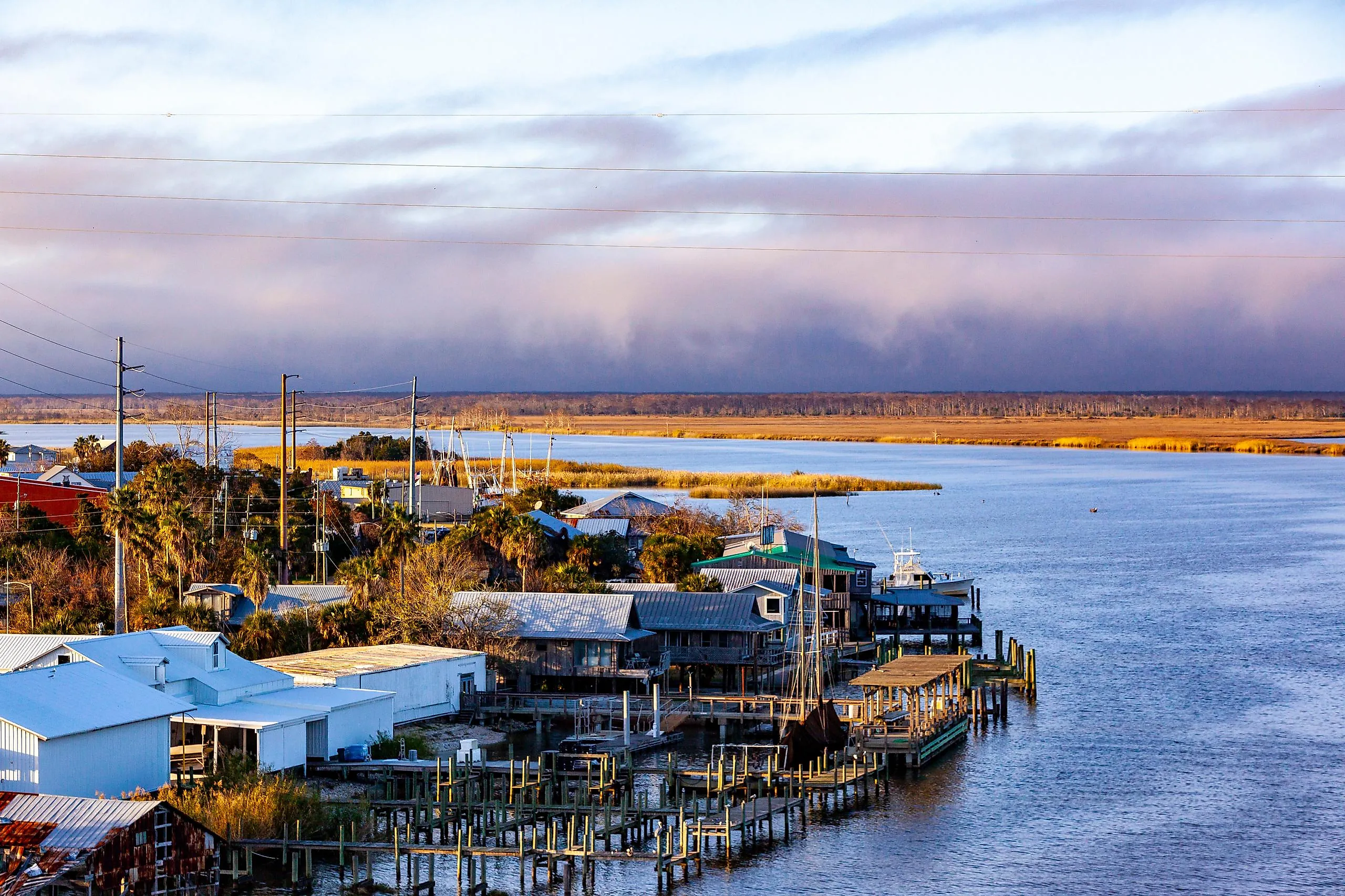
Cedar Key, on Florida's Nature Coast, is a small Gulf community where commercial fishing, aquaculture, and waterfront living remain central to everyday life. Set among a cluster of islands and surrounded by salt marshes, the town has retained much of its old-fashioned fishing-village character.
Its compact downtown is lined with weathered buildings, independent shops, seafood restaurants, and galleries. The waterfront is the heart of the community, where fishing boats and working docks are a reminder that Cedar Key is more than a picturesque coastal setting.

The Cedar Key Historical Society Museum documents the town's maritime past, including its once-important pencil manufacturing industry. Nearby Cedar Key Museum State Park preserves the historic home of local businessman Saint Clair Whitman and displays artifacts from the area's history.
Nature is another defining feature. Cedar Key National Wildlife Refuge protects several small islands that are habitat for nesting birds, while the surrounding waters are popular for kayaking, fishing, and boating.
Apalachicola

Apalachicola is a historic Panhandle port town where the pace of life remains closely connected to the water. Situated along the Apalachicola River and bay, it developed around the timber, fishing, and oyster industries. Its downtown retains a collection of 19th-century commercial buildings, historic homes, and independent businesses that give the community a distinctive character.
The Apalachicola Center for History, Culture and Art is housed in one of the two remaining 1836 cotton exchange warehouses. It has programs, exhibits, and presentations to teach that the arts continue to define civilization.

The Orman House Historic State Park preserves an 1838 Greek Revival home that reflects the town's prosperous early years. The nearby Raney House Museum provides another look at life during the community's 19th-century heyday.
Outdoor spaces are equally important. Apalachicola National Estuarine Research Reserve protects an extensive coastal ecosystem. Fishing and boating remain central to the heart of Apalachicola, and just a short drive away, St. George Island State Park has miles of undeveloped beaches and coastal landscapes.
Micanopy

Micanopy, south of Gainesville, is one of Florida's smallest historic communities. With fewer than 1,000 residents, it has a rural atmosphere shaped by towering live oaks, Spanish moss, and a main street that looks much like it did generations ago.
Cholokka Boulevard is the town's central gathering place, lined with antique shops, historic storefronts, galleries, and locally owned businesses. Antique City Mall and the area's smaller vintage shops reflect Micanopy's reputation as an antiques destination. The Micanopy Historical Society Museum, housed in the historic Thrasher Warehouse, preserves photographs, documents, and artifacts illustrating the community's past.

Just outside town, Paynes Prairie Preserve State Park offers a dramatically different landscape, with wetlands, open grasslands, bison, wild horses, and numerous bird species. The preserve's 50-foot observation tower is a great place for wildlife viewing. The park is part of the Great Florida Birding and Wildlife Trail.
Nearby Tuscawilla Lake and the surrounding countryside add to the area's rural character. It is renowned for its lush park scenery, and during the holiday season it turns into a winter wonderland.
Mount Dora

Mount Dora combines historic downtown, a lakefront setting, and an active arts community without losing its small-town identity. Located northwest of Orlando, the city is known for its preserved buildings, tree-lined residential streets, and locally owned shops.
Donnelly Street and the surrounding historic district form the center of community life with independent restaurants, antique stores, boutiques, and galleries occupying many of the older buildings. The Mount Dora History Museum, housed in the town's first fire station and city jail, documents the community's development and early industries.

Its Florida Stories tours walk the listener through the past and present. Along Lake Dora, Grantham Point Park is home to the town's small lighthouse and where you will find spectacular views across the water. Mount Dora also has a strong arts presence with the Modernism Museum showcasing 20th-century design and decorative arts.
Renninger's Antique Center and Flea Market is another local institution drawing collectors and shoppers throughout the year. Seasonal festivals, including the Mount Dora Arts Festival and annual holiday celebration, bring additional activity to downtown.
Lake Placid

The Highlands County, inland community of Lake Placid is known for its 27 freshwater lakes, colorful murals, and local traditions. The town calls itself the Caladium Capital of the World, reflecting the importance of the colorful foliage plant to the local agricultural economy. Its downtown is particularly recognizable for more than 40 large murals depicting everything from local history and wildlife to community personalities.
A self-guided mural walk connects many of the outdoor public art pieces that give the downtown a character unlike that of other small Florida towns. Lake Placid also has a long-standing clown tradition, with colorful clown sculptures and displays appearing throughout the community. The Toby's Clown Foundation and School preserves some of that unusual local heritage.

Outdoor recreation centers on the area's numerous freshwater lakes. Lake June-in-Winter Scrub State Park is home to some of the state's most imperiled plant and animal species. The 845-acre park provides protection for native scrub habitat and offers hiking trails, wildlife viewing, and access to Lake June.
The public parks in Lake Placid provide additional opportunities for fishing, boating, and enjoying the water. Each summer, the Caladium Festival celebrates the area's agricultural specialty with plant displays, arts and crafts, and local activities.
Crystal River

Crystal River is a small Nature Coast community where freshwater springs, wildlife, and the surrounding waterways shape the local lifestyle. Located along Kings Bay on Florida's Gulf Coast, the town is especially associated with the manatees that gather in its relatively warm waters during cooler months.
Three Sisters Springs, part of the Crystal River National Wildlife Refuge, is one of the area's most recognizable natural features. Its clear water, underwater vegetation, and surrounding boardwalks provide opportunities to observe the spring environment and its wildlife.

The Crystal River Preserve State Park protects coastal marshes, pine forests, and tidal creeks, with trails and opportunities for kayaking and wildlife observation. Downtown Crystal River has an independent, small-community feel, with locally owned restaurants, shops, and waterfront gathering places. Kings Bay also supports fishing, boating, and paddling, making water access an important part of everyday life.
Unlike Florida's heavily built-up beach destinations, Crystal River remains closely connected to its natural surroundings, with conservation and outdoor recreation playing a central role in its identity.
Dunnellon

Dunnellon is a small Marion County town where two rivers and a historic downtown help define the community. Its location near the meeting point of the Rainbow and Withlacoochee rivers makes water recreation a natural part of local life.
Rainbow Springs State Park is the area's best-known natural feature, protecting one of Florida's largest freshwater springs. The park's landscaped gardens, waterfalls, swimming area, and clear spring water reflect a history that includes an earlier period as a privately operated attraction. The river is popular for paddling and swimming, and the surrounding landscape supports wildlife and native vegetation.

Paddlers can head out on either the Withlacoochee River or the Rainbow River right from downtown, where canoe, kayak, and stand-up paddle rentals are available. Dunnellon's historic downtown, particularly the area around Pennsylvania Avenue, retains older commercial buildings and locally owned businesses. Nearby Rainbow River Aquatic Preserve protects stretches of the river and natural habitat, but also allows boating, fishing, snorkeling, tubing, and other outdoor recreational activities.
Dunnellon has a quieter, more rural character than many Central Florida communities, with its rivers, historic buildings, and surrounding countryside contributing to a slower pace of life.
Green Cove Springs

Green Cove Springs is on the western bank of the St. Johns River south of Jacksonville. Its identity is closely tied to the natural spring that gave the community its name and once attracted people seeking the restorative properties mineral-rich waters were believed to have.
Spring Park remains the center of local outdoor life, with a spring-fed swimming pool, splash pad, playground, shaded picnic area, and waterfront walking spaces. The park also provides access to the St. Johns River where boaters can use the public docks. Downtown Green Cove Springs has retained a collection of historic buildings and locally owned businesses, with older storefronts giving the main commercial area a traditional small-town feel.

The Clay County Historical and Railroad Museum documents the region's development and transportation history. Nearby Camp Blanding Museum and Memorial Park provide insight into the area's military history, including its role during World War II.
Although it is within commuting distance of Jacksonville, Green Cove Springs has maintained a more relaxed residential atmosphere, with its riverfront setting and historic center providing a strong sense of place.
High Springs

High Springs, northwest of Gainesville, is a small North Florida community with a historic downtown and an abundance of nearby natural attractions. The town developed as a railroad and agricultural center, and its older commercial district still reflects that heritage.
Main Street is lined with historic buildings, antique shops, independent businesses, and restaurants, giving the community a traditional downtown atmosphere. Visit Gainsville also boasts the High Springs Third Saturday Art Walk, which features 15-20 local artists and craftsmen.
The High Springs Museum preserves photographs and artifacts documenting the area's past, including its railroad connections and early settlement. Outdoor recreation is a major part of the surrounding landscape. O'Leno State Park, just outside town, protects a section of the Santa Fe River and features a suspension bridge, hiking trails, and picnic areas. Nearby, Ginnie Springs is another well-known attraction, with clear water good for snorkeling, diving, and paddling.
DeFuniak Springs

DeFuniak Springs is a historic Panhandle community whose character is closely connected to its unusual natural settings and educational heritage.
At its center is Lake DeFuniak, one of only two nearly perfectly circular spring-fed lakes in the world. A walking path follows the shoreline, passing historic homes, mature trees, and landscaped properties. The lake is also home to the Chautauqua Hall of Brotherhood, a reminder of the community's important role in the late-19th-century Chautauqua movement, which promoted culture and public discussion.
The Walton County Heritage Museum, housed in the former Louisville and Nashville Railroad Depot, documents the area's history through photographs, artifacts, and exhibits. The historic district includes several notable buildings, among them the Walton-DeFuniak Library, one of Florida's oldest continuously operating libraries according to Florida visiting.
Nearby Circle Drive contains a collection of architectural styles that reflect the town's development during the Chautauqua era. The community also maintains parks and green spaces that provide places for walking and outdoor recreation.
Fernandina Beach

Fernandina Beach occupies the northern end of Amelia Island near the Georgia state line, and combines a historic seaport atmosphere with a relaxed coastal lifestyle.
The downtown centers on Centre Street, where Victorian-era buildings house independent shops, restaurants, galleries, and local businesses. The Historic District reflects the town's complicated past, which includes Spanish, British, French, and American influences. At different times through its history, this island flew the flag of eight different countries.
The Amelia Island Museum of History, housed in the former Nassau County jail, explores that history through exhibits about the area's Native American communities, maritime industries, and early settlers. Fort Clinch State Park preserves a 19th-century coastal fort surrounded by maritime forests, beaches, and fishing areas. Its trails and shoreline provide opportunities for outdoor recreation and wildlife observation.
Fernandina Beach waterfront remains closely tied to the community's maritime identity that helped shape the local economy. Main Beach Park and the surrounding Atlantic shoreline provide additional public spaces, while nearby Egans Creek Greenway protects wetlands and natural habitat.
Anna Maria

Anna Maria occupies the north end of Anna Maria Island on Florida's Gulf Coast. With fewer than 1,000 permanent residents, the city has retained a low-rise, residential character that contrasts with many of the state's more heavily developed beach communities. Its streets are lined with coastal cottages, modest homes, and small independent businesses rather than large hotel and condominium complexes.
Pine Avenue serves as the community's main commercial district, with locally owned shops, restaurants, and galleries occupying a compact stretch of road. The Anna Maria City Pier is another defining feature, extending into Tampa Bay. The pier has long been associated with fishing and community gatherings. Bean Point, at the island's northern tip, is known for its natural shoreline, sandbars and views where the Gulf of Mexico meets Tampa Bay.
The Anna Maria Island Historical Society Museum preserves local photographs, documents, and artifacts, including the Belle Haven cottage. Bayfront Park provides additional waterfront green space, with picnic areas and views across the bay.
A Little More Time to Enjoy the Moment
Florida's laid-back towns each have their own personality, but they share an appreciation for the things that make small-town living special. Together, these communities capture a quieter side of Florida, where natural beauty, local character, and a strong sense of place take center stage. Whether surrounded by coastal scenery, historic streets, or peaceful waterways, they remind us that there is plenty to enjoy when there is no need to rush.