Why Snakes Hide In Leaf Piles In October
Rake up a nice big pile of October leaves and, without meaning to, you may have just built a five-star snake hotel, complete with heating, built-in camouflage, and room service. As autumn sets in, snakes are powerfully drawn to leaf piles, and there are some genuinely good reasons why. Here is what is really going on underneath all those leaves.
They're Cold, and Leaves Are Warm

Snakes are cold-blooded, which means they cannot generate their own body heat and have to borrow it from their surroundings. Once October nights start turning chilly and temperatures dip below about 65°F, snakes slow right down and go searching for warmth. A pile of leaves is perfect for the job. The layers trap little pockets of warm air, block the wind, and insulate the ground beneath, and as the leaves at the very bottom begin to rot, microbes break them down and actually generate real heat. To a cold snake, a leaf pile is basically a heated blanket.
The Perfect Camouflage

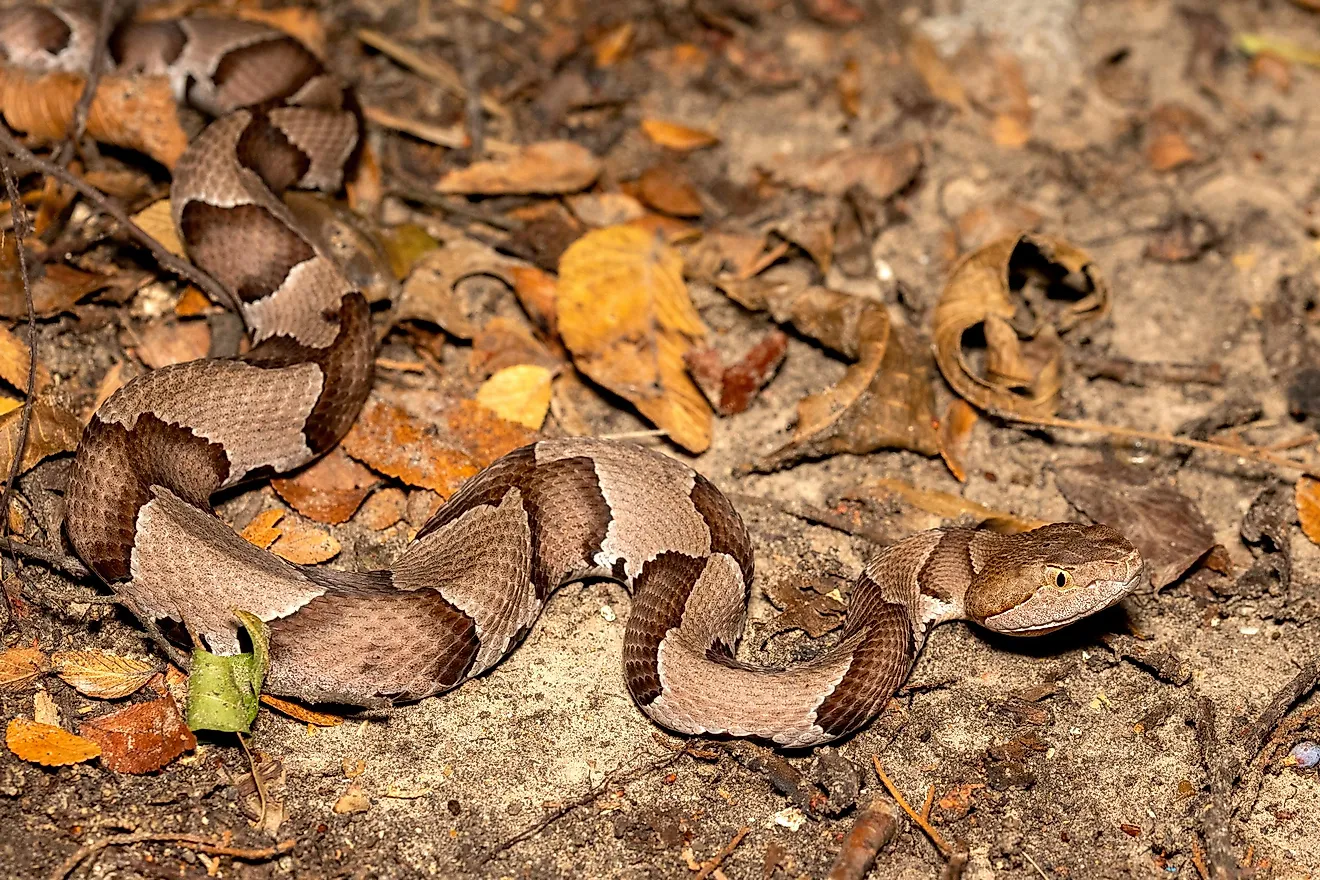
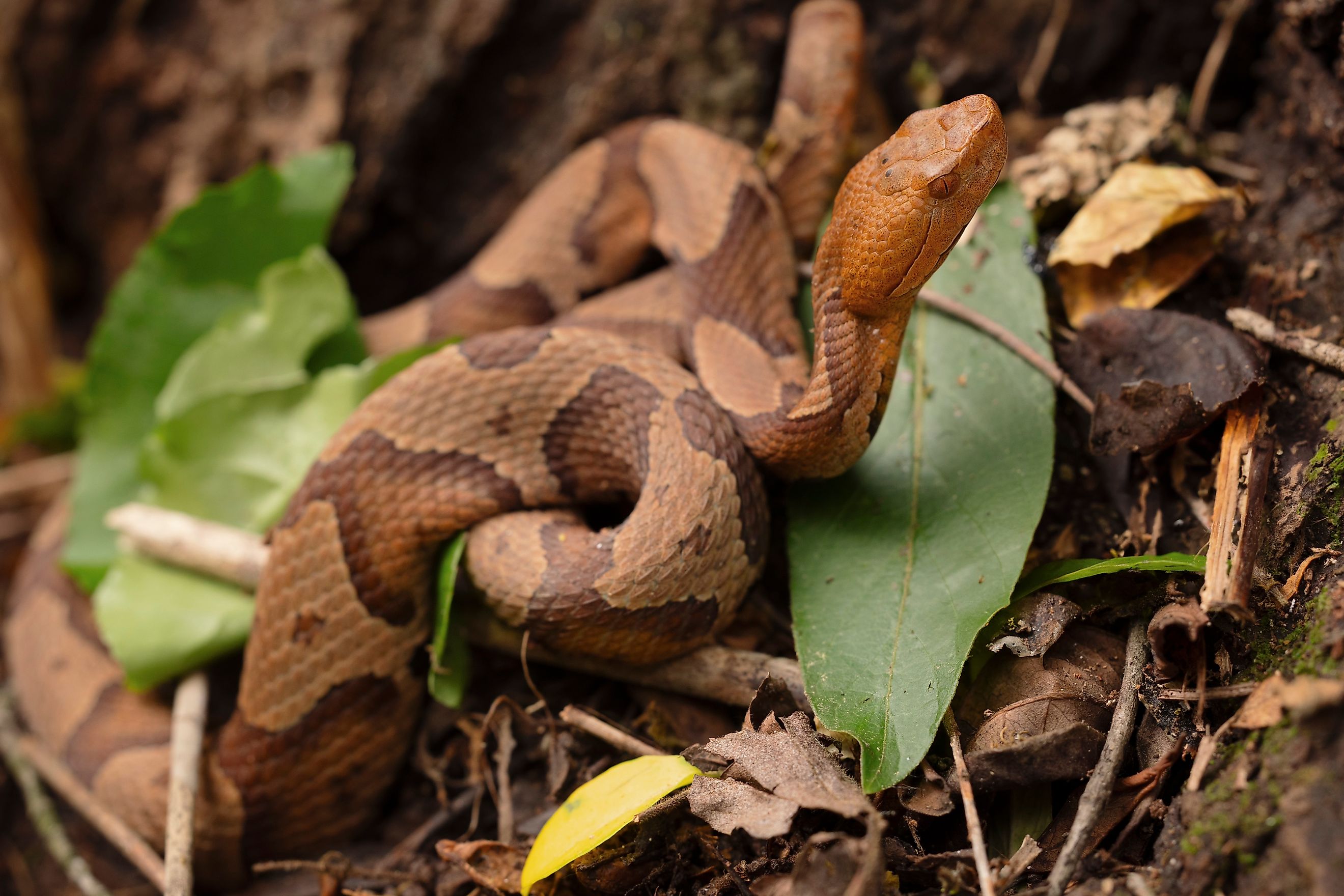
Leaves do not just keep snakes warm; they also keep them hidden. A jumble of brown, tan, and russet leaves is ideal cover for a snake trying to avoid hawks and foxes, and even better for one lying in wait to ambush a passing meal. No snake does this better than the copperhead, whose tan, hourglass-banded body is essentially dead-leaf camouflage come to life. A copperhead sitting still in leaf litter is very nearly invisible, which is precisely how it likes things.
That's Where Dinner Is

A leaf pile is not only shelter; it is also a buffet. All that damp, decaying plant matter attracts slugs, earthworms, beetles, and crickets, and, most importantly, it draws rodents. Mice and other small mammals love to burrow into leaf piles to nest and ride out the coming winter, which is music to a snake's ears. For a hungry snake, a good leaf pile offers shelter and dinner in the exact same spot. Where the mice gather, the snakes will happily follow.
A Stopover Before Winter
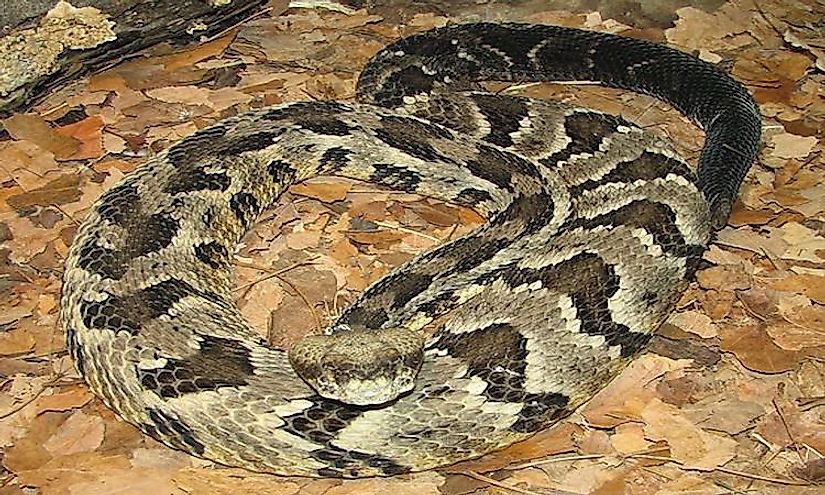
Timing matters, too. October is when snakes across much of the country are on the move, heading for the sheltered dens, known as hibernacula, where they will spend the winter in a hibernation-like state called brumation. A leaf pile makes a handy rest stop along the way, or a cozy layer of extra insulation piled on top of a den. And because many snakes, including copperheads and timber rattlesnakes, give birth in late summer, fall is also when plenty of young snakes are out exploring for the very first time, which puts even more of them in and around the leaves.
Watch Out When You Rake
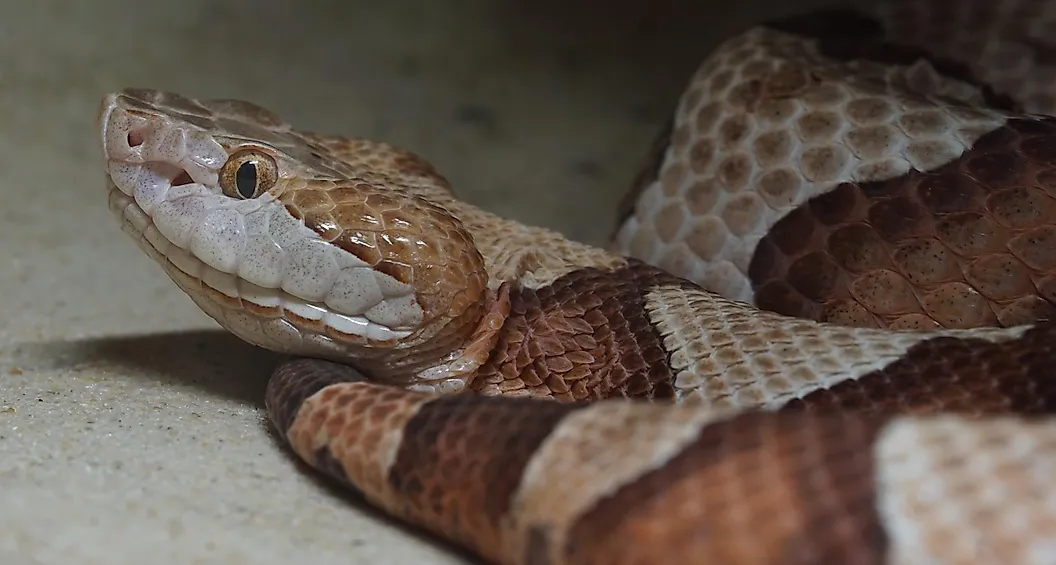
All of which means your freshly raked leaf pile is prime snake real estate. The good news is that the overwhelming majority of snakes you might disturb are completely harmless garden helpers that happily eat pests. The one to respect is the copperhead, which melts into leaf litter so well that people often never see it coming. So play it safe: never plunge a bare hand into a pile of leaves, wear gloves and closed-toe shoes while you work, and rake slowly, which gives any hidden snake a fair chance to quietly slip away. If you can, bag the leaves soon after raking rather than letting tempting piles sit around for days. Do that, and you can enjoy the crisp October air without any slithering surprises.