9 Storybook Towns In North Dakota
North Dakota is home to Native American heritage, Scandinavian immigrants, and past presidents who set down roots in this land, leaving behind storybook towns that still speak to travelers today. Minot, for example, celebrates Scandinavian heritage with a faithful recreation of a medieval Norwegian church, while Rugby stands out as both the center of North America and an idyllic viewing spot for the Northern Lights. Medora, meanwhile, is the gateway to the petrified woodlands of the Badlands that Theodore Roosevelt explored as a young man.
Read on to learn more about the stories, people, and land that created these storybook towns in North Dakota.
Medora

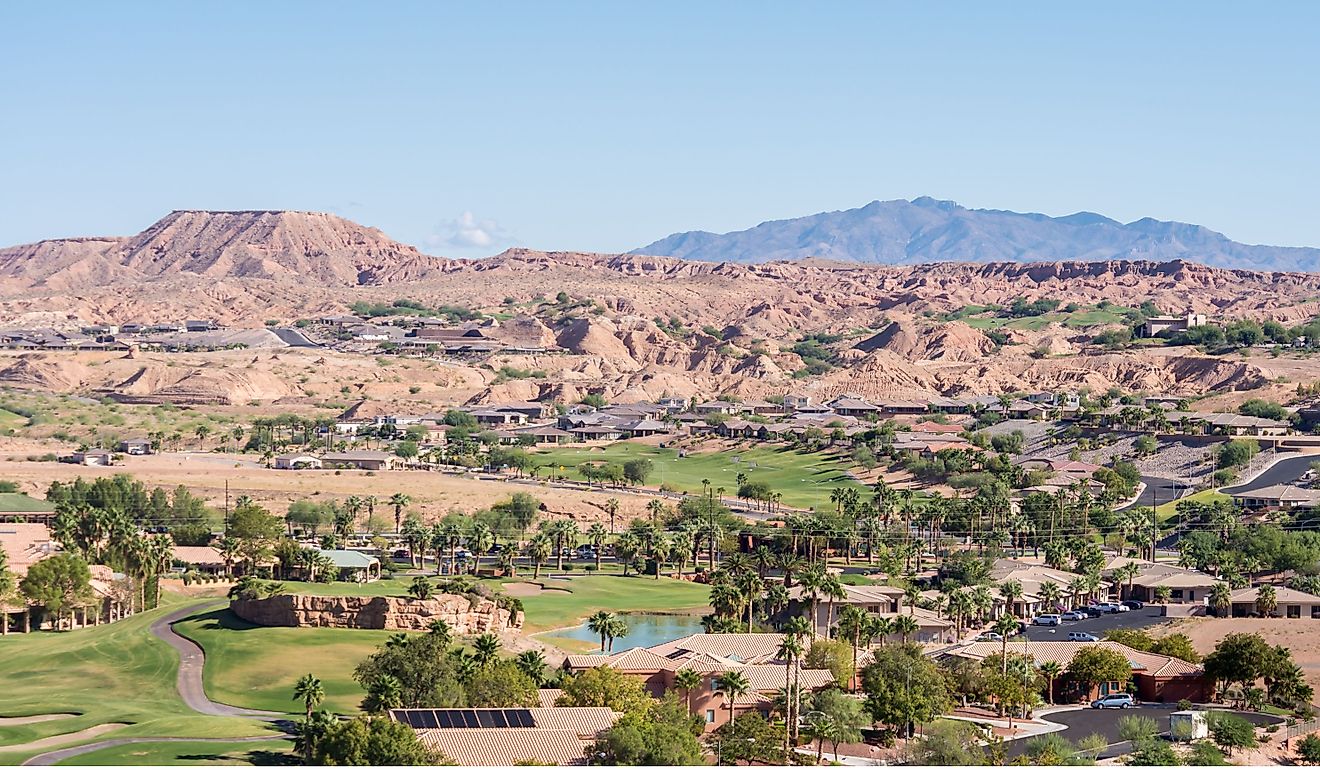
Out of all the Presidents of the US, there were few with as big a personality as Teddy Roosevelt. He once famously quipped that if it were not for his time in North Dakota, he would not have become president. Medora specifically marks the spot where he lived and explored the badlands as a young man. In this storybook town, you too can walk in his footsteps, whether that's visiting his Maltese Cross Cabin or going backpacking through the Theodore Roosevelt National Park. This majestic badlands frontier will take you through unique natural phenomena such as a petrified forest or the red scoria tops of the many buttes and knobs.

If you visit Medora during the summer to early fall months, you can get a seat to the Medora Musical, an outdoor musical with horses, fireworks, and a lot of Western spirit.
Minot

This beautiful town will make you feel like you have flown into Scandinavia, as Minot celebrates all the Scandinavian countries through its charming Scandinavian Heritage Park. This park has a replica of the Gol Stave Church from Norway, which was built there in the 1200s with many Norse elements like hand-carved dragons. The park also contains a 27-foot-tall Swedish Dala Horse and statues of notable Scandinavian figures such as Leif Erikson, who explored North America in the 11th century. The magic doesn't end there, as Minot enchants visitors with the Magic City Discovery Center, a science center and play facility for children, and the Dakota Territory Air Museum, featuring more than 50 vintage aircraft.
Valley City

Valley City is in many ways the king of bridge building with its multitude of historic bridges scattered throughout its borders, which has earned it the name City of Bridges. By taking its Scenic Bridge Tour, you can see the 162-foot-high by 3,860-foot-long Hi-Line Railroad Bridge, the highest and longest single-track railroad bridge in the US. There are also several cute foot bridges, like the 1901 VCSU Footbridge, a 150-foot-long suspension bridge. There are several other storybook locations in Valley City, from the 5,174-acre Lake Ashtabula to the intriguing Medicine Wheel Park, named after a large circle with 28 spokes emerging from its center representing the lunar cycle. This park is an entry point to the 4,600-mile North Country National Scenic Trail running to New York.
Mandan

Mandan prides itself on keeping the Spirit of the West alive with rodeos, historic forts, and the railroad. Located right across the Missouri River from Bismarck, Mandan was the home of Lieutenant George Custer and his wife during the final years of his life. You can visit his family home at the Custer House or the reconstructed Fort Abraham Lincoln State Park. Custer and his 500 men were stationed here in the 1870s, and you can tour the reconstructed barracks, theater, or see the On-a-Slant Mandan Indian Village, with multiple earth lodges that these people called home. In July, Mandan really lives up to its Old Western spirit with the Mandan Rodeo Days held at the Dacotah Centennial Park, a 3-day event with bull rides, bronc rides, and other western competitions. None of the westward expansion of the US would have been possible without the railroad. Mandan's North Dakota State Railroad Museum tells the story of the railroad through preserved cabooses, artifacts, and scenic rides.
Beulah

Beulah sits in a region called the North Dakota powerbelt, as it provides significant quantities of coal to power the state's industry. Even to this day, Beulah has the largest lignite coal mine in the entire country at the Freedom Mine. Visitors can learn many stories about the history of this industry by taking an Energy, Mine, or Dam tour to places like the mine or Garrison Dam. The Mercer County Museum offers an extensive collection focused on preserving the history of the region's settlers, featuring approximately 15,000 square feet of exhibit space. Close by to Beulah is the Knife River Indian Villages National Historic Site, a park with three old Plains Native American villages and artifacts.
Walhalla

Walhalla sits at multiple borders, with Minnesota to its east and Canada to its north. Established in 1845, it's the second-oldest town in North Dakota, initially established as a fur trading post. One of its earliest settlers was a man named Antoine Blanc Gingras, a fur trader who was of mixed Native American and European heritage. You can visit his 1840s-era trading post at the Gingras Trading Post State Historic Site. Walhalla is also a wilderness community, which you can get lost in at the Pembina Gorge State Recreation Area, which winds through cliffs, wetlands, prairies, and forests. If you come during the winter, you can go skiing or snowboarding at the Frost Fire Park within the gorge. Walhalla is a very cordial and welcoming community, and you can experience that hospitality at the Waters Family Restaurant and Bakery before you head out into the wilderness.
Devils Lake

While it has a threatening name, Devils Lake is actually a beautiful place. The lake it is named after is similar to the Great Salt Lake, as it's endorheic, meaning its water doesn't flow out to other sources. As a result, the lake has a higher salt content, but it still has a large population of fish, ranging from white bass to perch, that you can go fishing for at the Grahams Island State Park. In order to get the most out of your fishing expedition in Devils Lake, stop by Woodland Resort for bait, tackle, and guidance on catching perch. If you are more into viewing wildlife, then you can explore the White Horse Hill National Game Preserve, which has bison, elk, prairie dogs, and more than 214 bird species within a pristine prairie environment. Lastly, you can stop in downtown Devils Lake for all sorts of snacks and goodies, like a donut from Devils Lake Donuts.
New Salem

As soon as you arrive in New Salem, you will be greeted by quite an unusual sight. Sitting on top of a hill is a 38-foot-tall by 50-foot-long statue of a Holstein Cow affectionately referred to as Salem Sue. You will definitely want to pull off the road to take a picture next to this fiberglass cow. After you do that, there are a few other fun activities you can do near or around Sue's hill. For example, the Custer Trail Museum preserves a good deal of artifacts and history regarding Lieutenant George Custer, who met his fate at the Battle of the Little Bighorn in 1876. You can also try your hand at the 9-hole golf course right on the hill where Salem Sue resides with Red Trail Links. Don't forget to grab a coffee from Udderly Caffeinated so you have enough energy to explore this quirky rural town.
Rugby

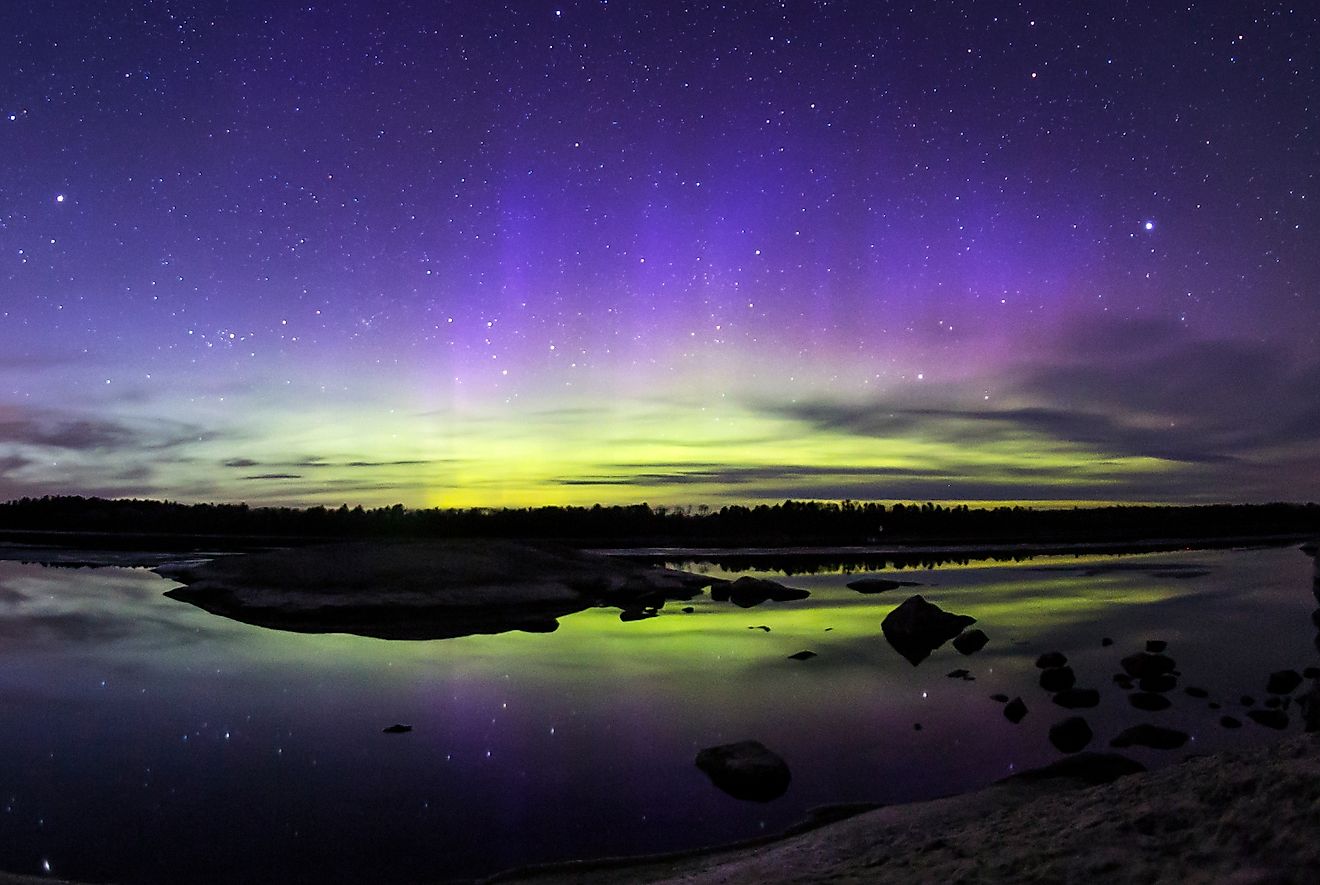
Some of the best stories begin in locations of great importance. Although Rugby is small with around 2,500 people, it sits in a very important place in North America: the exact geographic center of the continent. This spot is marked by a 21-foot pyramid monument called the Geographic Center of North America. Rugby is also noteworthy for its views of the Aurora Borealis, more commonly known as the Northern Lights. The Northern Lights Tower provides a scenic place to view the lights and learn about them. Lastly, you can step back into the past through Rugby's multiple museums, such as the 29 historic buildings of the Prairie Village and Museum or the Victorian Dress Museum, housed within an old Episcopal church.
Western Stories on the Badlands
In these storybook towns, you will hear many western stories, from the journeys of Theodore Roosevelt in Medora to fur traders of Walhalla or the many immigrants who traveled to Beulah to earn a living mining coal. The people who lived there preserved their stories in many quirky ways, like the Salem Sue cow of New Salem or the Scandinavian heritage buildings of Minot. You can pick and choose which stories you want to hear and experience by choosing one or more of these storybook towns to visit.