8 Off-The-Grid Maine Towns To Visit In 2026
The off-the-grid parts of Maine are not empty. They are the places where the day is shaped by a ferry schedule, a tide chart, a trailhead sign-in, or the simple fact that dinner requires ten miles of planning. Each of the eight towns below has fewer than 20,000 people and enough working landscape to make the extra drive feel like part of the trip. The roads get quieter. The water gets closer. That is the pitch.
Lubec

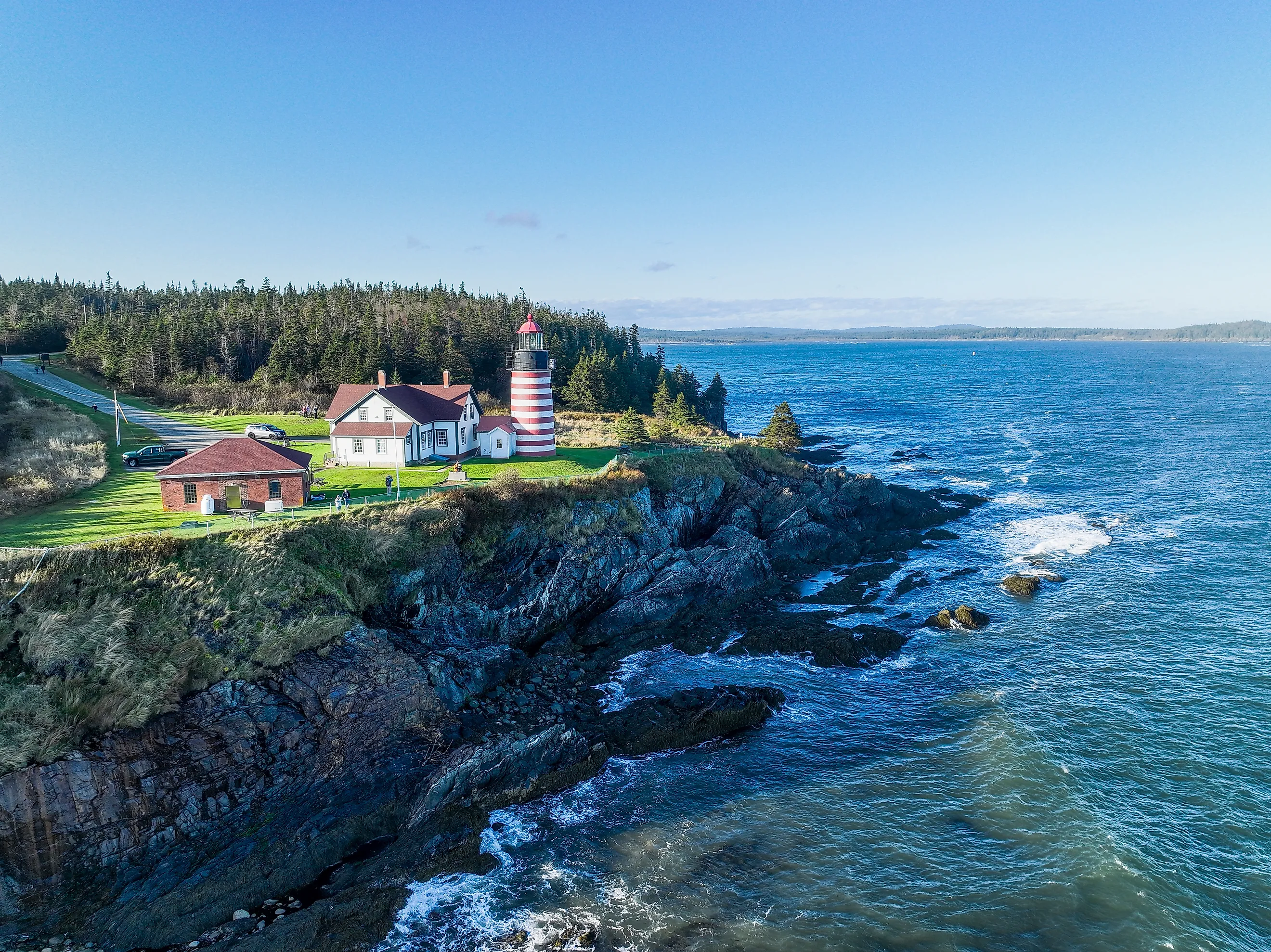
Lubec is the easternmost town in the contiguous United States. The candy-striped tower at West Quoddy Head Light is what most people know first, and it still marks the sunrise-earliest point in the country. Quoddy Head State Park spreads coastal woods, bogs, and open cliff-side views over the Bay of Fundy, where the tides run some of the largest on Earth.
In town, the McCurdy Smokehouse Museum keeps the sardine and herring history close to the waterfront where over 30 smokehouses once operated. Lubec Channel Light sits offshore where the narrows meet the Canadian border. Bold Coast Charter Company runs boat trips toward seals and seabirds. And if passports cooperate, Roosevelt Campobello International Park waits across the Franklin Delano Roosevelt Bridge in New Brunswick, which puts a second country inside a Lubec afternoon.
Monhegan

There is no bridge to Monhegan. The ferry ride is the commitment, and once the boat lands, the roads are mostly footpaths. About 60 people live on the island year-round. Artists, birders, and walkers have been coming here for over a century, which is what the Monhegan Museum of Art and History gathers up next to Monhegan Island Light on the high point above the village.
Trails run out from there through Cathedral Woods toward Burnt Head and down to Lobster Cove, where surf, rocks, and an old shipwreck give the far side of the island its rougher edge. Back near the harbor, Monhegan Brewing Company and the Island Inn bring the day back to human scale. The island is only 1.75 miles long and less than a mile wide. It is small but concentrated.
Rangeley

The Rangeley Lakes region holds 112 lakes and ponds, and Rangeley sits at the center of them. Rangeley Lake State Park handles the swimming, camping, paddling, fishing, and wooded campsites without pushing the shore line into resort mode. The town has restaurants and services, but the best of it sits outside the storefronts.
Height of Land is one of those views. Mooselookmeguntic Lake spreads below the road with ridges layered behind it, and there is nowhere to stop on the drive that does not deliver. The Outdoor Heritage Museum in Oquossoc handles the region's fishing, guiding, sporting-camp history. Saddleback Mountain runs skiing in winter and hiking in warmer months. The Rangeley Lakes National Scenic Byway strings it together without turning the trip into a package.
Greenville

Moosehead Lake is Maine's largest lake, and Greenville sits on its southern shore. That is a whole landscape of islands, coves, seaplanes, docks, and weather that can change the look of the water in minutes. The historic steamboat Katahdin still runs cruises out of Katahdin Cruises and Moosehead Marine Museum, which is the fastest way to grasp the scale.
Lily Bay State Park handles the quieter camping and paddling side up the east shore. Big Moose Mountain Trail runs the vertical option. Northwoods Outfitters books moose tours, paddling trips, and guided backcountry days. Greenville feels off-grid because the best of it happens on the water or in the woods, where the weather still runs the day.
Millinocket

Millinocket is the gateway to Mount Katahdin. The old paper-mill town has traded that identity for something closer to what surrounds it, and the surrounding is Baxter State Park, over 220 miles of trails, roadside campgrounds, and backcountry sites shaped around a single mile-high peak.
Katahdin Woods and Waters National Monument sits east of town and adds another layer of river, forest, dark sky, and scenic driving. The Golden Road runs deeper into logging-country Maine. New England Outdoor Center handles rafting, paddling, moose tours, and lodging with a view toward Katahdin off Millinocket Lake. This part of Maine has more room, more silence, and a little more bite.
Monson

The Appalachian Trail runs directly through Monson before it hits the Hundred-Mile Wilderness. Hikers, hostel porches, and resupply stops are part of the local rhythm here, which is what gives the town its off-grid feel without making it feel empty.
Lake Hebron sits right next to town for the easiest water view. Monson Arts has helped turn the village into a creative stop as much as a trail town, with studios, residencies, workshops, and galleries built into the downtown blocks. Borestone Mountain Audubon Sanctuary offers a steady climb to open views over ponds and forest. Little Wilson Falls gives hikers another reason to linger. Monson does not oversell itself, and the trail traffic, slate history, art spaces, and lake do the work.
Stonington

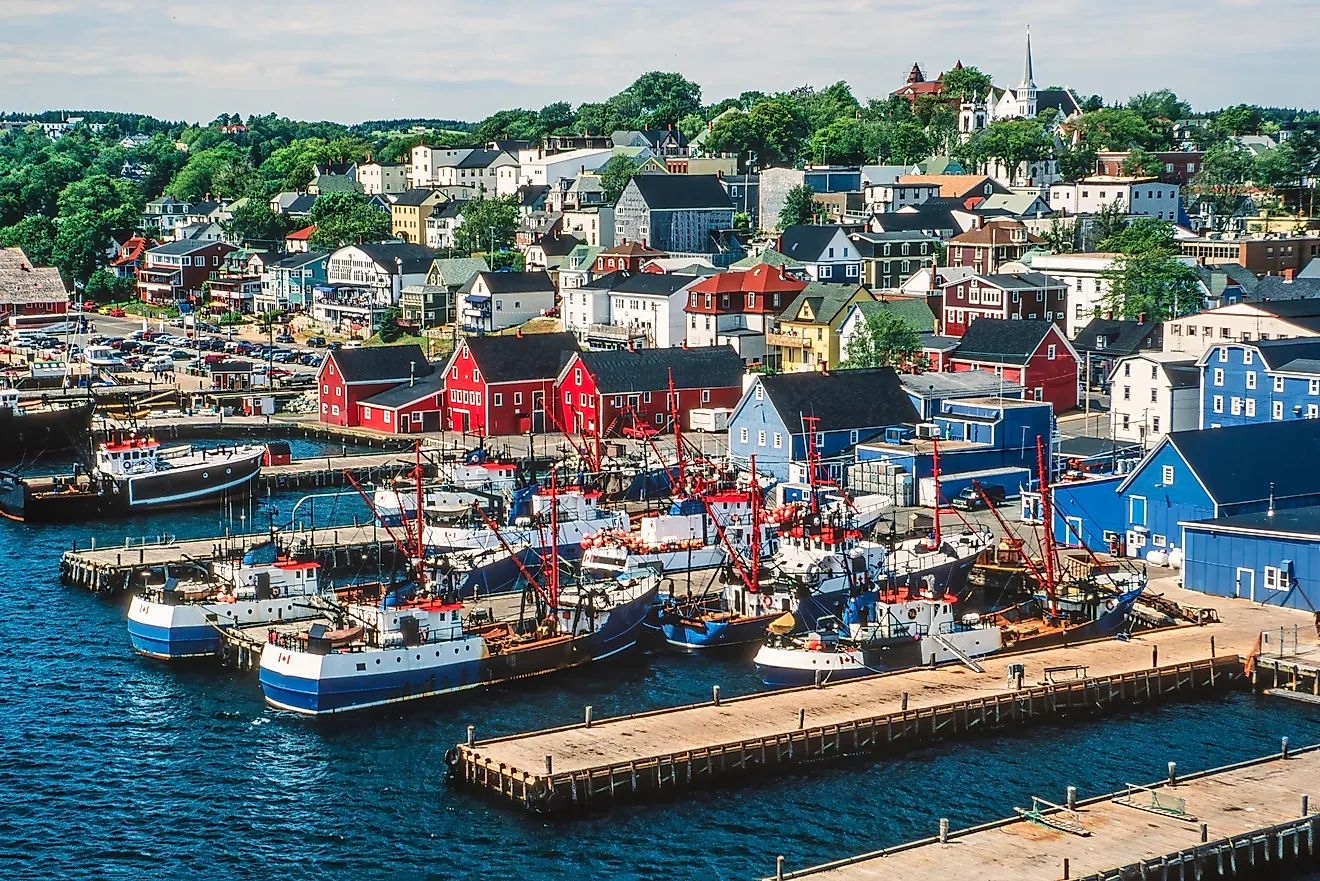
Stonington runs one of Maine's most active lobster harbors, and the working boats set the pace before restaurants, galleries, or anything else. The town sits at the end of Deer Isle, and the harbor is the anchor point for the visit.
Opera House Arts brings film, theater, and concerts into a former opera house above the water. Isle au Haut Boat Services runs out of the harbor to Isle au Haut, which includes seasonal access to the Acadia National Park side at Duck Harbor. Back on Deer Isle, Settlement Quarry Preserve gives visitors granite ledges, woods, and quarry history with views over the surrounding islands. Stonington Lobster Boat Tours makes the harbor's working life a direct experience rather than a scene watched from shore.
Vinalhaven

Vinalhaven is a real island town, not a resort dressed as one. The ferry sets the pace, and once it leaves the mainland behind, the schedule shapes the rest of the visit. The island has working docks, quarries, trails, and a year-round community, and the ferry timetable makes rushing feel silly.
Lane's Island Preserve runs trails through coastal grass, spruce, and rocky shoreline with views back toward the water and the surrounding islands. Vinalhaven Land Trust protects several preserves around the island, including Basin Preserve, where forest and tidal water meet in a quieter pocket. In the village, Vinalhaven Historical Society covers the granite, fishing, and community history. Lawson's Quarry and other old quarry sites show how deep that stone story runs. Vinalhaven still asks visitors to match its pace, which is the point.
Final Thoughts
The best off-the-grid Maine towns are not remote in the same way. Lubec and Stonington work the coast. Monhegan and Vinalhaven make the ferry ride part of the trip. Rangeley and Greenville pull inland toward lakes and mountains. Millinocket and Monson point toward Katahdin, the Hundred-Mile Wilderness, and the North Woods. What they share is a refusal to make the visit too convenient, which is why the trips stick. The slower road, the ferry ride, the trail map, the tide chart, and the limited schedule all become part of the day. That is why Maine feels bigger in towns like these.