10 Off-The-Beaten-Path Towns In Maine
Maine’s best off-the-beaten-path towns often sit by its harbors, historic landmarks, and trailhead views. In Castine, that means Fort George (1779) and the Wilson Museum on Perkins Street. In Blue Hill, it’s the Jonathan Fisher House museum, and a hike up Blue Hill Mountain for a summit panorama over Blue Hill Bay. Every town ahead is worth a visit, so add these lesser-known towns below to your travel itinerary for 2026!
Castine

Originally settled in 1613, it is one of the oldest towns in New England, having been under the control of the French, Dutch, and British before finally becoming part of the United States. The town's long and tumultuous history is vividly preserved in its architecture and numerous historical markers. Notable is the Fort George, built by the British in 1779 and now a state historic site, which offers insights into Castine's strategic military importance.
Those interested in maritime history can visit the Wilson Museum on Perkins Street, where local artifacts and exhibits showcase the area's seafaring heritage. Dining options include the Pentagöet Inn & Restaurant, known for its period charm and local seafood. For leisure, the Dyce Head Lighthouse offers scenic views of the Penobscot Bay, and nearby Witherle Woods is a popular spot for hiking and observing local wildlife.
Blue Hill

Blue Hill is positioned along Blue Hill Bay, and is distinguished by its integration of community and culture since its establishment in 1762. The town's engagement with the arts is highlighted by Kneisel Hall, a notable center for chamber music that hosts musicians from around the globe for both performances and educational programs. Blue Hill's historic character is also preserved in its architecture, with numerous buildings listed on the National Register of Historic Places, including the Jonathan Fisher House, the home of the first settled minister of Blue Hill, which now serves as a museum showcasing early American life.
For dining, Arborvine, set in an 18th-century home, offers fine dining with a focus on local, seasonal ingredients. The Blue Hill Wine Shop is known for its selection of fine wines and artisan cheeses. Outdoors, the Blue Hill Mountain offers trails for all levels of hikers and provides panoramic views of the surrounding landscape at its summit. The Blue Hill Public Library, an essential community hub, features a comprehensive collection and hosts numerous cultural events.
Lovell

Lovell lies in the western part of the state near the New Hampshire border, is defined by its tranquil rural setting and deep historical roots dating back to its incorporation in 1800. The town is notably home to the Lovell Brick Church for the Performing Arts, an 1822 structure that hosts an array of cultural events, emphasizing the community’s dedication to preserving its heritage and supporting the arts. The history of Lovell is intricately tied to its landscapes, with old mills and classic New England architecture marking its past importance in local industry and trade.
For those visiting Lovell, the Kezar Lake offers pristine waters ideal for fishing, boating, and swimming, renowned for its clarity and surrounded by scenic views. Ebenezer’s Pub, recognized internationally for its extensive selection of craft beers, provides a unique local dining experience. The Charlotte Hobbs Memorial Library serves as a cultural cornerstone, offering a range of community-driven programs and an extensive collection of local history. Additionally, the Severance Lodge Club on Kezar Lake presents exclusive lodging with historic charm and lakeside access.
Stonington

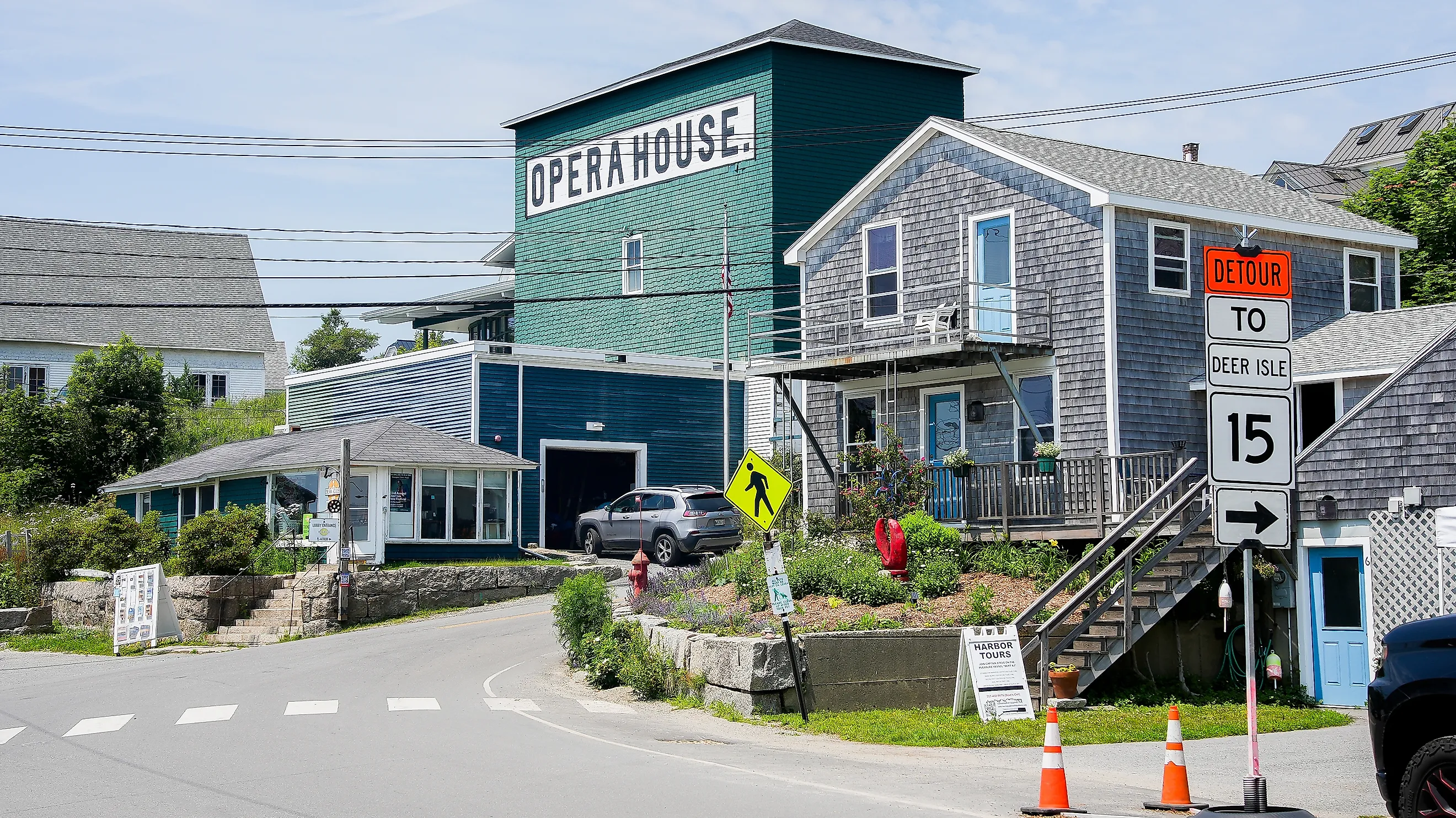
Stonington, on the southern tip of Deer Isle, overlooks the Penobscot Bay and is recognized for its robust lobster fishing industry, contributing significantly to Maine’s lobster catch. The town’s history, deeply entwined with maritime pursuits, began in earnest in 1762 when it was first settled. Over the years, Stonington has maintained its fishing village charm while also embracing the arts, evidenced by the presence of the Stonington Opera House, an iconic venue that has provided entertainment since the early 1900s.
The Stonington Farmers Market, held weekly, offers a variety of local produce and crafts, showcasing the town's rich agricultural and artisanal practices. For dining, the nearby Aragosta at Goose Cove stands out, offering locally sourced, fine dining experiences right by the water’s edge. The Isle au Haut Boat Services provide scenic boat tours, allowing visitors to explore the surrounding islands and coastal landscapes. For those interested in local culture, the Deer Isle Artists Association in Stonington features works from the island's vibrant artist community.
Monson

Monson is a charming small town in Piscataquis County, founded in 1822. Located near the southern entrance to the breathtaking 100-Mile Wilderness, which is one of the most remote parts of the Appalachian Trail, Monson has a rich history connected to the slate industry, with charming remnants still visible today. In recent years, the town has experienced a lovely revival as an artists’ haven, thanks to the Libra Foundation, which has invested in properties to welcome and support creative souls. This effort has helped turn Monson into a lively hub for arts and culture.
Visitors can enjoy the vibrant local arts scene at the Monson Arts Gallery, where exciting exhibitions and hands-on workshops with resident artists are held regularly. For a delightful meal, the lakeside Lakeshore House offers delicious food and cozy accommodations overlooking the stunning Lake Hebron, making for a truly scenic dining experience. Plus, the Monson Historical Society warmly shares the town's fascinating story, showcasing how it transformed from a slate-producing community into a vibrant cultural and artistic haven.
Isle au Haut

Isle au Haut is a charming, secluded island community reachable only by boat, sitting about six miles south of the mainland. Part of Knox County, this lovely island was first mapped by Samuel de Champlain in 1604, and its name means "High Island" in French. Most of Isle au Haut is nestled within Acadia National Park, creating a special blend of untouched nature and cozy community living. The island has kept a small, steady population, with much of its land set aside for conservation, offering visitors a peaceful getaway far from busy tourist spots.
When visiting Isle au Haut, you can enjoy the breathtaking wilderness of Acadia National Park, which covers about half of the island. The park features wonderful hiking trails, including the popular Duck Harbor Mountain trail that offers spectacular views of the Atlantic Ocean. For a cozy place to stay, the Keeper’s House Inn provides a unique experience at the historic Isle au Haut Lighthouse, perfectly combining history with stunning coastal scenery.
Lubec

Lubec is the easternmost town in the United States, situated on a peninsula overlooking the Bay of Fundy, famous for its dramatic tides. Founded in 1811, Lubec quickly became known for its smoked-herring industry, once home to over 30 smokehouses. Today, traces of its maritime and fishing history are still visible. Its unique location, bordered by Canada's Campobello Island to the northeast and connected via the Franklin Delano Roosevelt Bridge, adds an international aspect to its small-town charm.
The West Quoddy Head Light, in Quoddy Head State Park, is recognizable for its red-and-white stripes and includes a visitor center with exhibits on local history and the lighthouse's past operations. For dining, Water Street Tavern & Inn offers local seafood with waterfront views. The Lubec Brewing Company serves craft beers made with locally sourced ingredients in a cozy setting that showcases small-town hospitality. Additionally, the Roosevelt Campobello International Park, just across the bridge, allows visitors to explore President Roosevelt’s summer home, further enriching Lubec’s cultural landscape.
Rangeley

Founded in the mid-19th century, Rangeley first prospered as a logging community before its clear lakes and scenic vistas attracted sportsmen, turning it into a popular spot for fishing and outdoor activities. Named after early settler Squire James Rangeley, who helped develop the town's industry and infrastructure, its history is closely tied to its natural surroundings. Rangeley Lake has been a destination for anglers seeking native brook trout since the 1800s. The Rangeley Lakes Trails Center provides year-round outdoor enjoyment, from winter cross-country skiing and snowshoeing to summer mountain biking. Dining options include Parkside & Main Restaurant, known for local cuisine and views of Rangeley Lake. The Rangeley Outdoor Sporting Heritage Museum highlights the region’s hunting and fishing traditions, and the Bald Mountain Trail offers hikers stunning views of lakes and forests, showcasing why Rangeley is a unique, peaceful retreat from city life.
Winter Harbor

Winter Harbor, situated on the Schoodic Peninsula in Hancock County, has a strong maritime heritage, as reflected in its name that implies a safe harbor for ships during tough winter months. Established in 1895, this seaside town historically thrived on fishing and lobstering, industries that remain vital to its economy and culture today. What sets Winter Harbor apart is its proximity to the quieter part of Acadia National Park at Schoodic Point, which offers breathtaking ocean views and rugged landscapes, setting it apart from the more popular sections of the park.
Visitors can explore local maritime history at the Winter Harbor Lobster Co-op, where lobster boats dock and unload, providing an authentic glimpse into the town's ongoing lobstering traditions. Dining options include the Fisherman's Inn Restaurant, known for its fresh seafood and scenic harbor views. For cultural activities, the annual Schoodic Arts for All festival features performances, workshops, and exhibits supporting local arts and crafts. Additionally, the Winter Harbor 5&10 offers a nostalgic shopping experience with practical items and souvenirs, embodying the charm of traditional general stores.
Hartland

Hartland, located in Somerset County, was incorporated in 1820. It played a key role in the leather and tanning industry, benefiting from the plentiful waters of the Sebasticook River. The town features the Hartland Tannery, once among the largest in New England, now a historical site that reflects its industrial heritage. Hartland is known for its strong community spirit and peaceful, rural scenery.
The Irving Tanning Community Park, built on the old tannery site, offers outdoor activities like walking trails and picnic spots with river views. Berry’s General Store is a beloved local spot where residents and visitors can enjoy a classic Maine diner experience. For fishing and boating enthusiasts, nearby Great Moose Lake provides ample facilities. Each summer, Hartland hosts the St. Albans Summerfest, just a short drive away, showcasing local crafts, food, and music.
This article highlights the distinctive charm of Maine's lesser-known towns, inviting readers to explore the serene, enriching locales beyond the usual tourist trails. From the historic maritime significance of Castine to the cultural vitality of Monson, these towns exemplify the profound connection between Maine's heritage and its landscape, offering a deeper, more authentic experience of the state's enduring spirit and communal warmth.