8 Of The Most Captivating Small Towns In Spain
These small towns have something Spain's headline cities and coastal resorts are missing. Here, old-fashioned bakeries and general stores line narrow streets laid out long before the car, and the town itself is the main attraction. Climb Albarracín's medieval walls above the bend of the Guadalaviar River. Cross the Puente Nuevo, where Ronda's gorge splits the town in two. Wander the white-walled lanes that kept Salvador Dalí in Cadaqués for forty years, or watch the boats dock below the houses hanging off the mountainside at Cudillero. Spain has a lot to offer those who step off the beaten path.
Albarracín

Albarracín sits at the spot where the Guadalaviar River bends, and it looks like a place straight out of a medieval fairy tale. Those who visit during the summer will experience the river's full flow and stunning green forests. In the fall, there are fewer crowds to contend with and the greenery turns gold. Most visitors head to the town's medieval walls and the castle of Albarracín first. The walls were built around 965 and were expanded during the 13th and 14th centuries.
Visitors can also climb the Torre del Andador tower to look out over the town. The castle ruins stand close to the walls and were built atop an ancient Islamic fortress. Those who want to explore the historic center of Albarracín can take to the cobbled streets where they will find the Plaza Mayor and one of the city walls' original gates, the Portal de Molina. There are also trails to hike along the river and within the Rodeno Pine Forest Natural Area, which offers plenty of space for climbing and mountain biking.
Ronda

Ronda is the biggest town on this list and is located on a cliff in Andalusia between Málaga and Seville. The gorge below the town effectively splits it in two, creating a stunning vista. In the 'old town', visitors can see historic squares, including the Plaza Duquesa de Parcent, and streets that date back to the time of the Moors. The 18th-century Puente Nuevo bridge, which spans the gorge, is a major attraction, and visitors are allowed to walk down a steep path to the lower viewpoint. The old town also features the ruins of the ancient Arab Baths, where the arches and chambers are still somewhat intact.
The new part of town is home to several outdoor murals and the magnificent Plaza de Toros. The plaza is one of the oldest bullrings in the country and includes a museum filled with bullfighting memorabilia. Visitors who plan on staying for the weekend or longer can book accommodation at La Escondida. This is a great base for exploring the local area and the surrounding town, including the Parque Nacional Sierra De Las Nieves. The park offers several hiking trails, including the return trail that takes hikers to Torrecilla, the highest peak in western Andalusia. Spring or late fall is the best time to take in the wonder that is Ronda, as the weather is still mild and the crowds still thin.
Cadaqués

Cadaqués is one of those postcard-perfect towns that visitors expect to see in brochures of Spain. Terracotta roofs and white-walled houses line the pebbly beaches. And, while tourists love it, it is never overcrowded, giving everyone a chance to relax and truly take in the atmosphere. Those who love historical facts may be amazed to learn that Cadaqués was Salvador Dalí's home for 40 years. There is a museum here dedicated to Dalí's life, which is a fun stop before heading to the Església de Santa Maria to see the golden sculptures.
Visitors interested in hiking to a gorgeous viewpoint can take the Far de Cala Nans trail, which leads to the Cala Nans Lighthouse. Along the way, there are cliff and ocean views as far as the eye can see. The trail is a roundtrip distance of around 7 km from downtown Cadaqués, making it ideal for a day trip. Those visiting during the summer can spend their days on one of the many beaches, including Platja Gran y Esportal and Es Pianc. The Platja del Ros is a sandy beach with a mountain view. Visitors can also explore the nearby Cap de Creus Natural Park, which inspired many of Dalí's works. The park is fantastic for hiking and watching the sunset.
Alquézar

In the foothills of the Pyrenees in the province of Huesca, Alquézar sits atop a limestone ridge overlooking the canyon of the River Vero. The town was once a Moorish fortress built in the 9th century, and today visitors can enjoy the medieval atmosphere here, as well as all the outdoor adventures they can think of. Alquézar's streets are laid out in a medieval crescent below the castle-convent, Colegiata de Santa María la Mayor. On the other side of town, the River Vero's gorges offer nature walks, canyoning, and opportunities to watch local wildlife. The Pasarelas del Vero Trail is a lovely walk along wooden catwalks bolted into the canyon walls.
After exploring the trail, visitors can admire the cloister and medieval frescoes at the hilltop church, Colegiata de Santa María. The cloisters provide access to the Museum of Sacred Art, where visitors can see works dating back to the 12th century. Those visiting in the summer can end their days with a trip to a nearby winery in the surrounding Somontano wine region before heading back to their accommodation. Some of the best stay options include Casa Jabonero and Hotel Villa de Alquézar, both with stunning views.
Cudillero

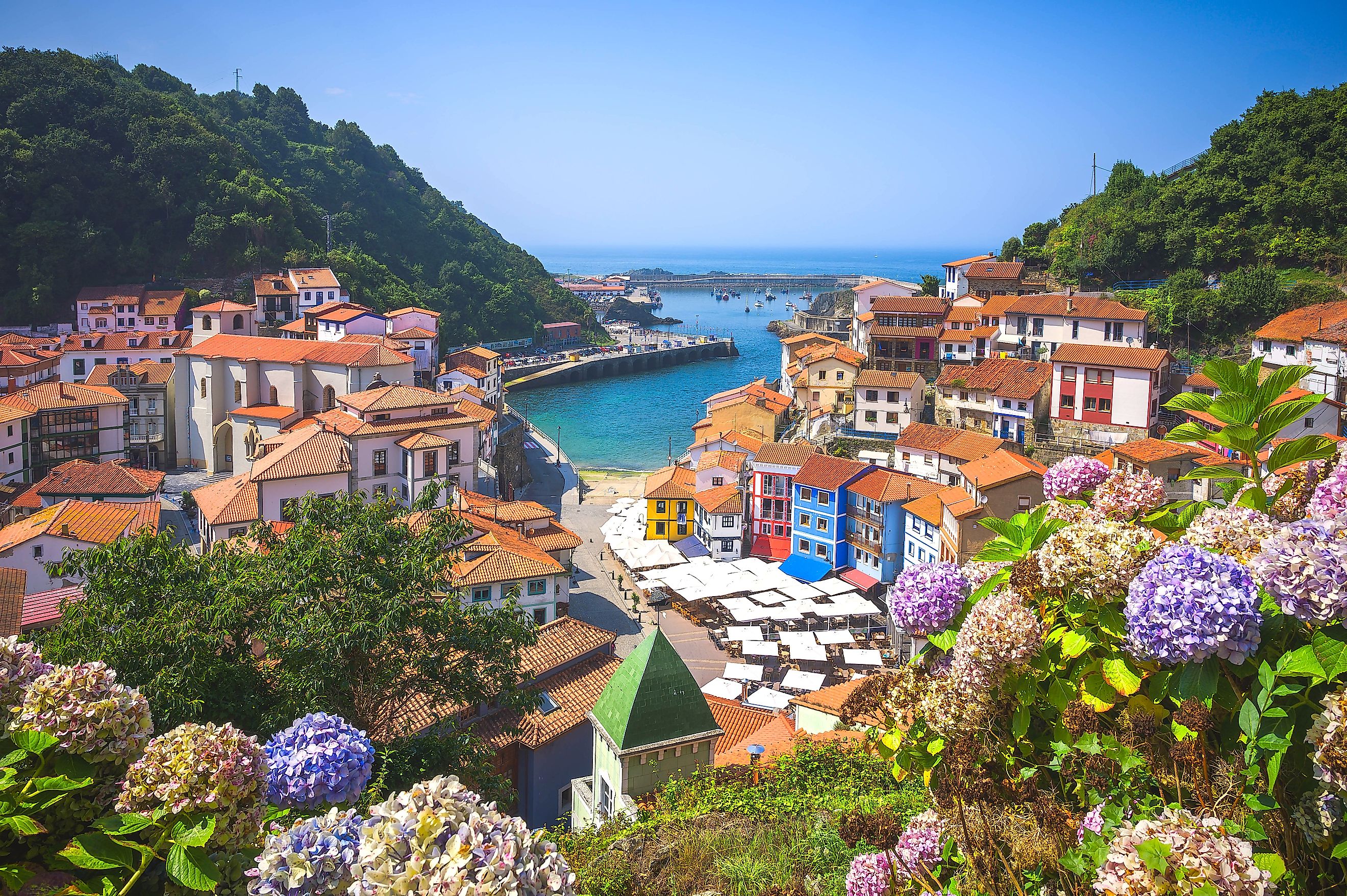
Beach lovers keep flocking to Cudillero in recent times, after being a relatively well-kept secret for many years. This gorgeous town sits on the Asturian coast, where temperatures are great even in summer, and the attractions are truly something to write home about. The villas that overlook the slice of ocean are a sight on their own, 'hanging' from the mountainside among the green trees. Between the orange roofs and white walls, yellows, reds, and blues brighten the seaside even more. Once a tiny fishing village, Cudillero now offers unmissable miradors (viewpoints) throughout its surrounding hills. From one of the most popular ones, Mirador de la Garita, visitors can look out over the water and the houses.
The harbor, which is built around Plaza de la Marina, is where visitors can get to know the locals and watch the boats dock. There is also an abundance of great coffee and sidra here. Visitors who want to explore can take the narrow streets and walking trails marked around the town. And, while there is no local beach, the Playa de Aguilar beach is about a five-minute drive from downtown, where golden sand and deep blue waters are always inviting. Those who want to see the Cudillero Lighthouse can make their way to the cliff where it stands to see the Atlantic from a different vantage point.
Frigiliana

Captivating is the best word to describe the historic town of Frigiliana in Málaga. Around every corner, visitors will find something that captivates their imagination and attention. This includes whitewashed villas, cobblestones, bright flowers, blue doors, and never-ending views of the blue ocean expanse. The main square in Frigiliana is Plaza de las Tres Culturas, frequented by locals and tourists alike. There are usually no cars here, so it is very safe to walk the narrow streets.
Those heading uphill will find Reales Positos with its six arches. This 18th-century granary was once used to store surplus harvest. Not far from here is the crossroads where people love taking pictures of the stone coat of arms above the fountain. Further on, the Mirador de Frigiliana offers extensive views of the village and the ocean. Walking back to the village, visitors will find more flower pots on the stairs between the houses as well as plants spilling over from balconies. During the spring and summer, more flowers bloom at the Santa Fiora botanical garden. And those who want to take in a bit more of the history can visit the ruins of Castillo de Lízar on the Cerro de la Sabina hill.
Morella

Morella is another hilltop town that sits just under 1,000 meters above sea level. Built in a circular fashion around a rocky crag, Morella encompasses an old town, a castle, and lots of history. The town is small, which means walking in any direction will see visitors reach the outer walls within 15 minutes. However, considering the steep terrain, it is best to take it slowly. Visitors can explore the gateways with their arches as they walk the medieval streets. There is also the Basílica de Santa María la Mayor's incredible spiral staircase to see.
Those who feel like going on a more challenging walk can hike up to the Castillo de Morella, which sits at the highest point of the crag. From here, it is possible to see the Els Ports massif and the sierras of Aragon on a clear day. As for the above-mentioned walls, they enclose the town, were built between the 13th and 14th centuries and feature six gateways. Visitors can take the hiking trail that runs along the wall and outside the center of town. It is recommended to visit Morella in spring or summer to enjoy the bright and sunny weather.
Potes

The bakeries mentioned at the start of this article are abundant in the small town of Potes in Cantabria. The Pastelería Cafetería Wences 1929 bakes fresh pastries and brews great coffee every day. There are more pastries and snacks to choose from at the Panadería Gallofa & Co, which also offers delectable sandwiches. After filling up on these goodies, visitors can stroll through Old Town, where flowers bloom on balconies, and each sight is better than the last.
The Torre del Infantado is a cultural center with a monument that people can enter and climb to the roof to enjoy the views. A short drive away lies the Monastery of Santo Toribio de Liébana, one of the most revered religious sites in the country. It is believed that the Lignum Crucis is held here after arriving from Jerusalem in the 5th century. Visitors can also explore the nearby Picos de Europa National Park, where hikers can hike the Naranjo de Bulnes trail or walk the Ruta del Cares to experience views of the gorge. Most people visit during the end of summer, when there are fewer crowds and good weather.
Small-Town Spain, Beyond the Big Cities
If you want a version of Spain that moves at its own pace, look to the small towns rather than the big cities. From the gorge that splits Ronda in two to the fishing harbor at Cudillero, these towns run from Andalusian hill country to the Asturian coast, each keeping its medieval streets and viewpoints in daily use. Whether you are drawn to castle walls, cliff-top miradors, or a quiet coffee before a long walk, Spain's small towns are the best way to meet the country's older self.