8 Best Downtowns In The Maritimes
The Maritimes cover Nova Scotia, New Brunswick, and Prince Edward Island, and include some of Canada's oldest planned downtowns. Lunenburg's grid was laid out in 1753. The ship Hector brought one of the first major groups of Scottish settlers to Pictou in 1773. Much of the original architecture still anchors today's main streets. The eight downtowns below each take a different angle on that heritage, from Lunenburg's UNESCO-listed old town to St. Andrews, where the tide drops far enough to walk to an island.
Lunenburg, Nova Scotia
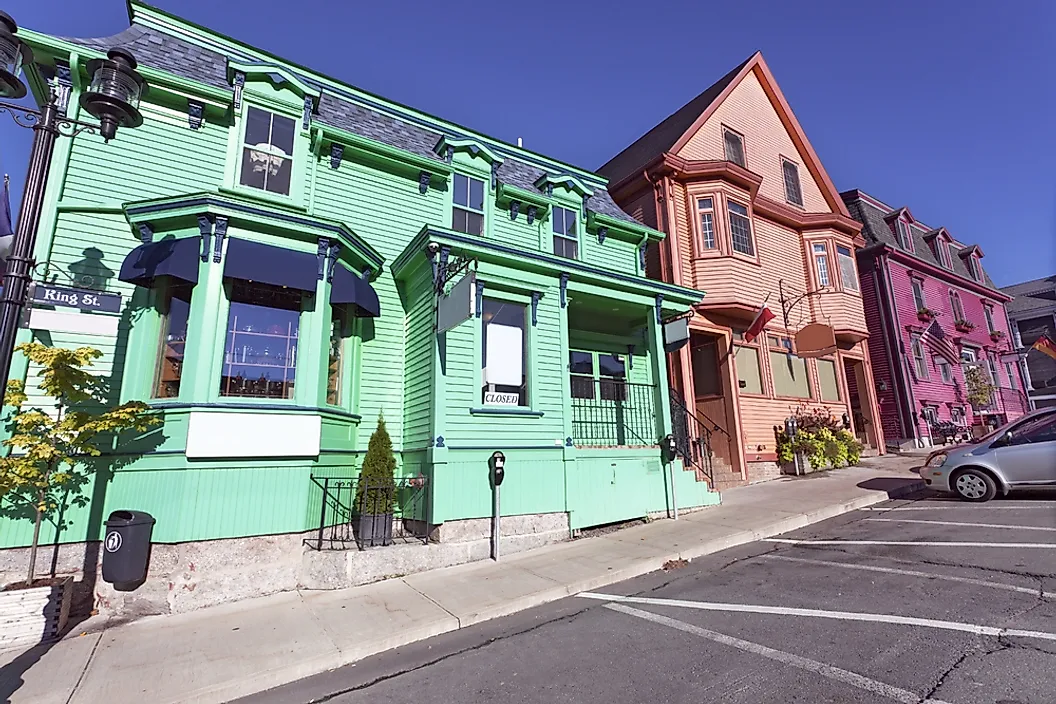
Lunenburg is among North America's best-preserved planned British colonial settlements. Founded in 1753, its rectangular grid layout earned it UNESCO World Heritage status in 1995. The Fisheries Museum of the Atlantic, downtown, covers the town's maritime heritage. The brightly painted wooden structures in Old Town Lunenburg reflect its shipbuilding tradition. The waterfront and nearby harbour lookoffs provide views of the working port.

Lunenburg's commercial streets include boutiques, art galleries, and cafés. Dots & Loops on Lincoln Street sells locally made art, jewelry, and gifts. Salt Shaker Deli & Inn, with waterfront views, serves seafood. Bluenose II, Nova Scotia's sailing ambassador schooner, is based in Lunenburg and runs public harbour cruises on scheduled dates each season.
Shediac, New Brunswick

Shediac promotes itself as the Lobster Capital of the World. A giant lobster sculpture stands at the entrance to town. The Pascal Poirier House, the former home of one of Acadian Canada's first senators, documents 19th-century Acadian life.
Main Street includes seafood restaurants, artisan shops, and bakeries, with Adorable Chocolat among the local confectioners. Shediac Bay Marina, a short walk from Main Street, provides access to the waterfront and to the Northumberland Strait beaches, which are among the warmest saltwater beaches in Canada.
Annapolis Royal, Nova Scotia

Fort Anne National Historic Site in Annapolis Royal overlooks the Annapolis Basin with centuries-old fortifications. The adjacent Annapolis Royal Historic Gardens include a rose collection, themed gardens, and a reconstructed Acadian house representing life in 1671.
Downtown St. George Street includes King's Theatre, a community performing-arts venue, and Far-Fetched Antiques, which specializes in maritime pieces. The Sinclair Inn Museum, among the oldest surviving wooden buildings in Canada, preserves layered 18th-century construction. The Candlelight Graveyard Tour guides visitors through the Garrison Graveyard at Fort Anne after dark.
Wolfville, Nova Scotia

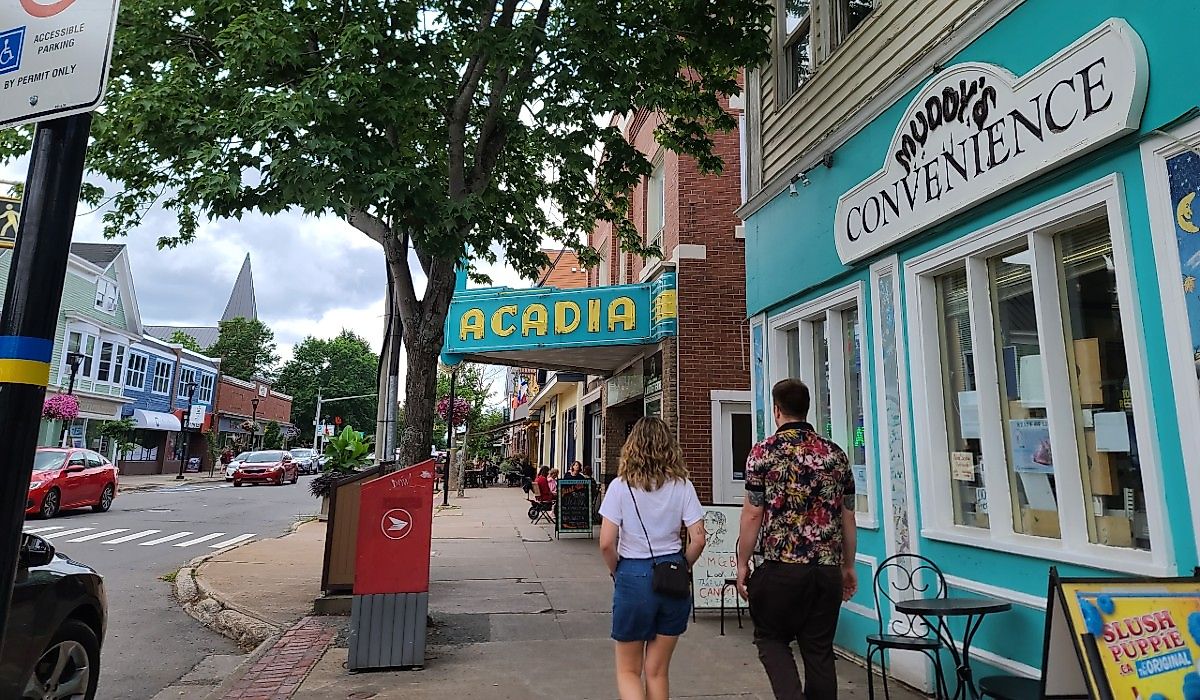
Wolfville dates back to the 18th century and is home to Acadia University, founded in 1838. The Harriet Irving Botanical Gardens, on the university grounds, include themed gardens and woodland trails. The Randall House Museum, in an early 19th-century home, displays artifacts from Wolfville's past. Wolfville Waterfront Park provides views of the Minas Basin.

Paddy's Brewpub & Rosie's Restaurant serves Maritime comfort food and local craft beer. Wolfville is also the primary entry point to the Annapolis Valley wine region, with vineyard tours and tastings within a short drive.
Summerside, Prince Edward Island

Summerside sits on Bedeque Bay on the southwestern side of Prince Edward Island. The Baywalk Boardwalk and Cycling Trail runs along the bay to Spinnaker's Landing, a cluster of fishing-style shops and restaurants. The Harbourfront Theatre hosts live music, comedy, and theatrical performances.

The Eptek Art & Culture Centre covers local history and Island craftsmanship, and the Wyatt Historic House Museum displays artifacts from a notable local family. The former CP Railway Station, at 192 Water Street, still anchors downtown.
Amherst, Nova Scotia

Amherst's downtown core is built from locally quarried Amherst red sandstone, with ornate Victorian-era civic buildings. The Cumberland County Museum, in a 19th-century historic home, covers the town's industrial and cultural history. Victoria Square is a landscaped central park that hosts seasonal markets and community events.
Amherst Artisan Gallery, in the restored train-station complex, displays work by local painters, sculptors, and craftspeople. Dickey Park includes walking trails, a pond, and open green space. The Amherst Railway Station, built in 1908 from the town's signature sandstone, reflects Amherst's historic role as a regional transportation hub.
St. Andrews, New Brunswick

St. Andrews by-the-Sea is on Passamaquoddy Bay off the Bay of Fundy, near the U.S. border. The Charlotte County Archives occupies the 1830s-built Old Gaol and holds documents covering the town's past. The Sheriff Andrews House, a Georgian-style residence, is preserved as a period museum.

Downtown Water Street includes Serendipin' Art, a gallery focused on maritime-inspired work. Kingsbrae Garden, a 27-acre botanical garden on the edge of town, includes themed gardens and resident alpacas. At low tide, visitors can cross the ocean floor to Minister's Island, the estate of 19th-century railway executive William Van Horne.
Pictou, Nova Scotia

Pictou's waterfront commemorates the town's Scottish founding. The Hector Heritage Quay marks the landing of the ship Hector, which brought among the first major groups of Scottish settlers to Nova Scotia in 1773, and includes a full-scale replica of the vessel. The Northumberland Fisheries Museum covers the region's commercial fishing history and includes a live lobster hatchery.
Downtown Water Street includes TABITHA + CO. for handcrafted leather goods alongside other independent boutiques. The Grohmann Knives Factory Outlet is attached to the longtime Pictou knife factory. Brown's Point, marked as the original Hector landing site, has open harbour views.
Downtown Across the Maritimes
The eight Maritime downtowns above share a set of features: working harbours, wooden-frame storefronts, and defensive or industrial-era landmarks that still stand. Together, they cover the range from Lunenburg's UNESCO old town and Pictou's Scottish founding site to the tidal crossing at St. Andrews and the German-rooted Victorian civic core at Amherst.