This Is The Friendliest Small Town in Portugal
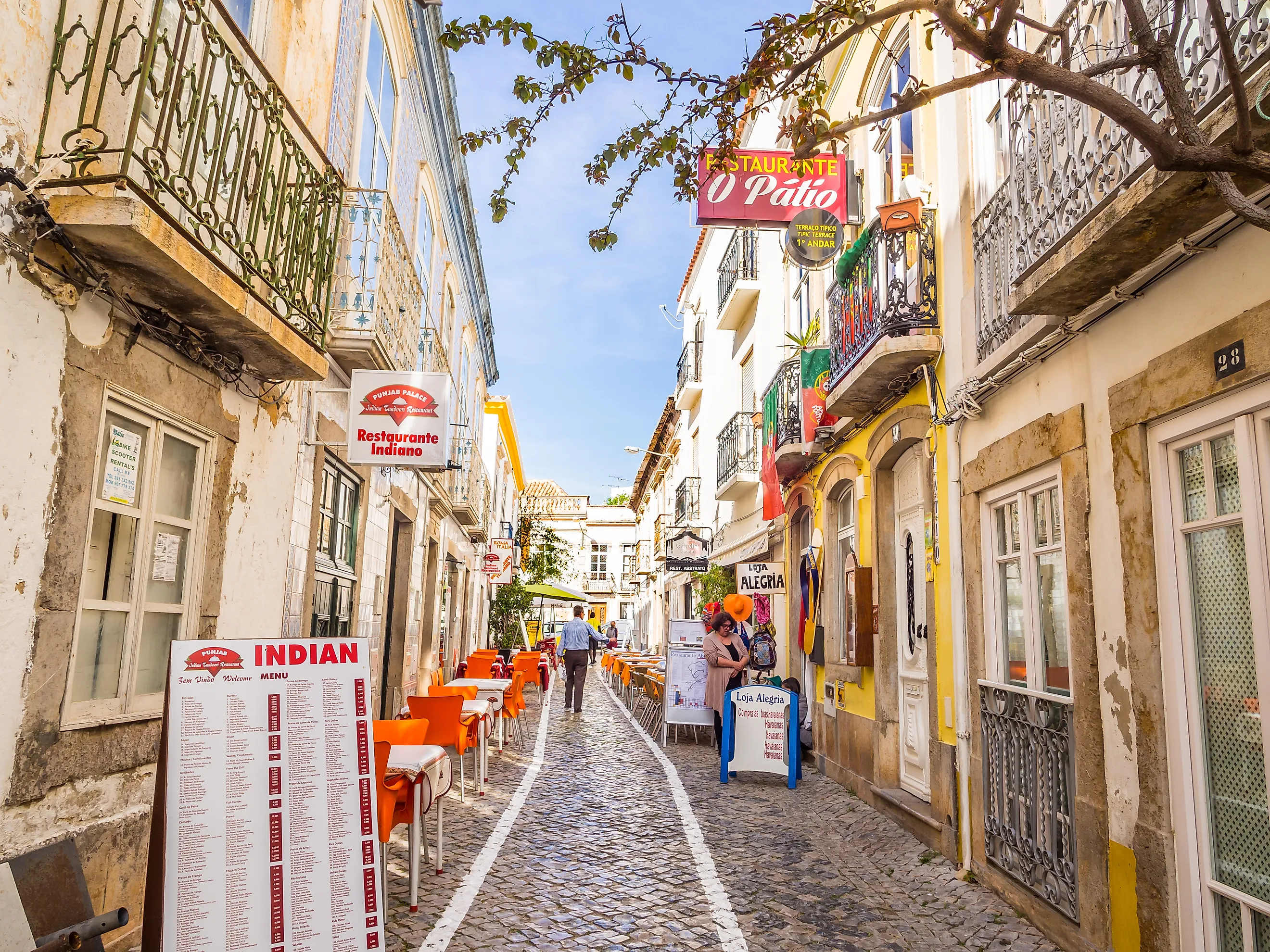
The Portuguese have a well-earned reputation for warmth and generosity toward visitors, and nowhere is that more evident than in the small town of Tavira. Located in the Algarve region in the south of Portugal where the Gilao River meets the sea, Tavira is a poster child for Cittaslow, a worldwide network of communities committed to quality of life, local traditions, and an unhurried way of living. With more churches per capita than any other town in the country and a social calendar packed with community events and celebrations, being warm and welcoming comes naturally to the people of Tavira.
A Crossroads of Cultures

Tavira’s history is long and storied. Inhabited since at least the late Bronze Age, by around 800 BCE, Phoenician traders had established a settlement and harbor here. Years of Roman and Moorish rule followed before the Algarve became a part of Portugal in the mid-13th century. Tangible traces of these early empires are still visible, with the Castelo de Tavira being one of the most significant. Featuring outer walls and towers that date from the Moorish period, this stunning fortress dominates the highest point of the old town. From its battlements, the entire town unfolds below. Here, terracotta rooftops step down to the Gilão River, punctuated by church towers, as the view extends south toward the barrier islands of Ria Formosa Natural Park.

After the castle fell to the Portuguese in 1242, the town’s mosque was destroyed and a church, the Igreja de Santa Maria do Castelo, was eventually built on its ruins, with embellishments added after a devastating earthquake in 1755. The nearby Igreja da Misericórdia boasts an interior covered in magnificent 18th-century azulejo tiles depicting scenes from the life of Christ.
Where the Town Gathers

The Ponte Romana is one of the town’s other old and notable attractions. Built in 1667 on the foundations of a medieval bridge, it’s part of a pedestrian-only zone that includes both riverbanks. There are also stone alcoves that are perfect for sitting and watching the world and the river go by. From the bridge, it’s just a short walk to Praça da República, Tavira’s main square. This is where you'll find the town hall, and the square serves as a commercial and cultural hub, regularly hosting community events and markets.

The nearby Islamic Museum Centre (Museu Islâmico) is also well worth a visit, where visitors can explore artifacts from Tavira’s Moorish past, including ceramics, coins, and everyday objects, alongside exhibits that trace the town’s Islamic heritage. A short walk uphill from here leads to the Camera Obscura: Tavira EYE. Housed in a converted early 20th-century water tower, this attraction uses a simple lens and mirror system to project a live 360-degree panorama of Tavira onto a viewing table, accompanied by guided commentary on the town’s landmarks.
Popular Festivals and Events

The best way to experience Tavira’s friendly nature is to participate in one of the town’s many festivals. Perhaps the biggest is the Santos Populares (Popular Saints) festival. Held over several days in late June, it honors Saint Anthony, Saint John, and Saint Peter in a celebration that fills the Old Town with classic dishes, including grilled sardines, along with traditional Portuguese music and street dancing. Best of all, the fun continues well into the night. The main event is the festival’s Marchas Populares parade. The culmination of months of preparations, groups from different neighbourhoods parade through streets festooned with streamers in colorful garments decorated with intricate paper adornments.

For a more intimate cultural experience, Fado com História offers daily live performances of traditional fado music in a small venue near the Igreja da Misericórdia, usually accompanied by local wine and traditional Portuguese snacks. In spring, the Mostra da Primavera brings accordion shows, folk dance performances from local ranchos, and puppet theater to the leafy Jardim do Coreto park.
Food, Glorious (and Friendly!) Food

Food is central to community life in Tavira, and the annual Festival de Gastronomia do Mar de Tavira (the Tavira Seafood Festival) makes that abundantly clear. Held in May, this month-long event sees restaurants from across town put on dishes focusing on traditional Algarve seafood cooking. For fresh bounty beyond the festival, Santa Luzia is a neighboring fishing village that’s earned a reputation as the octopus capital of the Algarve, making it a particular highlight. Just a short walk along the river from Tavira, its waterfront is one of the most pleasant in the region, and the seafood is, of course, incredible.

Tavira’s international community, which accounts for almost a quarter of the local population, includes residents from across Europe as well as Canada and the United States, and the fact that there are so many says a lot about Tavira’s reputation as a friendly place to live. Visit the municipal Mercado da Ribeira (Ribeira Market), a daily meeting point where people shop for fresh seafood, regional cheeses, and seasonal produce, to get a true sense of what it means to be a local.
The Friendliest Town in Portugal

Portugal is famous for many things: a centuries-old maritime heritage, its tile-covered architecture, and a Mediterranean food culture so deeply rooted in tradition and community that UNESCO has declared it an “Intangible Cultural Heritage.” But ask anyone who has spent time in this corner of the Iberian Peninsula what left the deepest impression, and the answer is more than likely going to be the friendly people.
Tavira’s commitment to the kind of unhurried, community-centered way of life that’s central to the ever-growing “slow city” movement is a sure sign of the town’s welcoming nature. Add to this the fact that so many ex-pats now call the community home, and there’s no need to wonder why Tavira is considered the friendliest small town in Portugal.