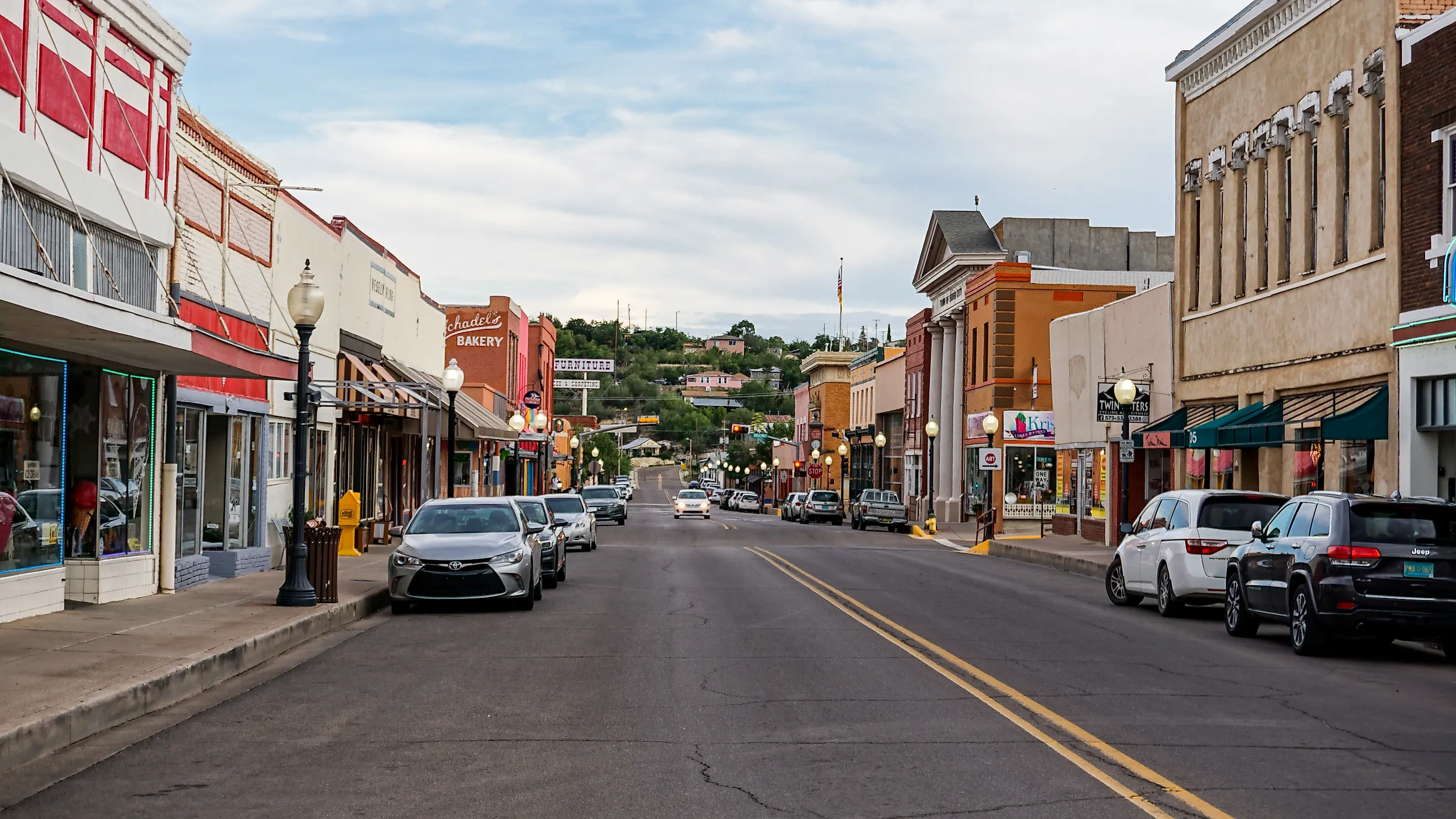
5 Classic Americana Downtowns In New Mexico
The Plaza Hotel has anchored the same square in Las Vegas since 1882, back when the town was one of the rowdiest stops in the Wild West. That kind of intact Americana is the thread running through these five New Mexico downtowns. Raton keeps two working historic theaters from its railroad heyday, Silver City pairs an 1870 silver strike with a Billy the Kid arrest record, Cloudcroft built a boardwalk village 9,000 feet up in the Sacramento Mountains, and Lordsburg guards a genuine ghost town on the old Butterfield stage route. Railroad money built the blocks, mining and cattle filled them, and preservation kept them standing. Every one rewards a slow walk down the main drag.
Raton

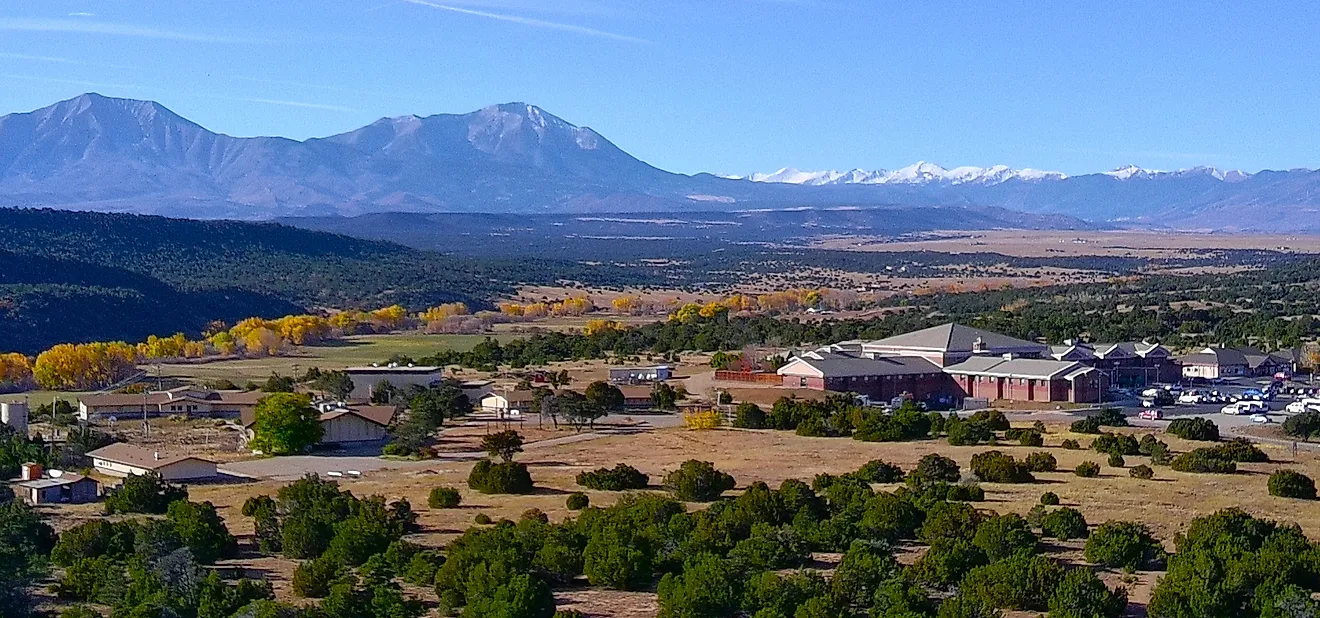
Raton sits about six miles from the Colorado border on Interstate 25 and holds around 6,000 residents. The town pairs fresh air and outdoor recreation with an active cultural arts scene that runs through its historic downtown. Colfax Ale Cellar brews craft beer in the original Dwyer building from 1908, with about 7,000 square feet of cellar space. Nothing says Americana quite like a serious shooting range, and the NRA Whittington Center fits the bill as a premier shooting, hunting, and outdoor recreation facility founded in 1973. The site holds a shotgun center, firearms museum, pro shop, firearms training, and an adventure camp. K-Bob's serves up a chicken-fried steak that locals swear by, plus a Texas-sized steak for bigger appetites.

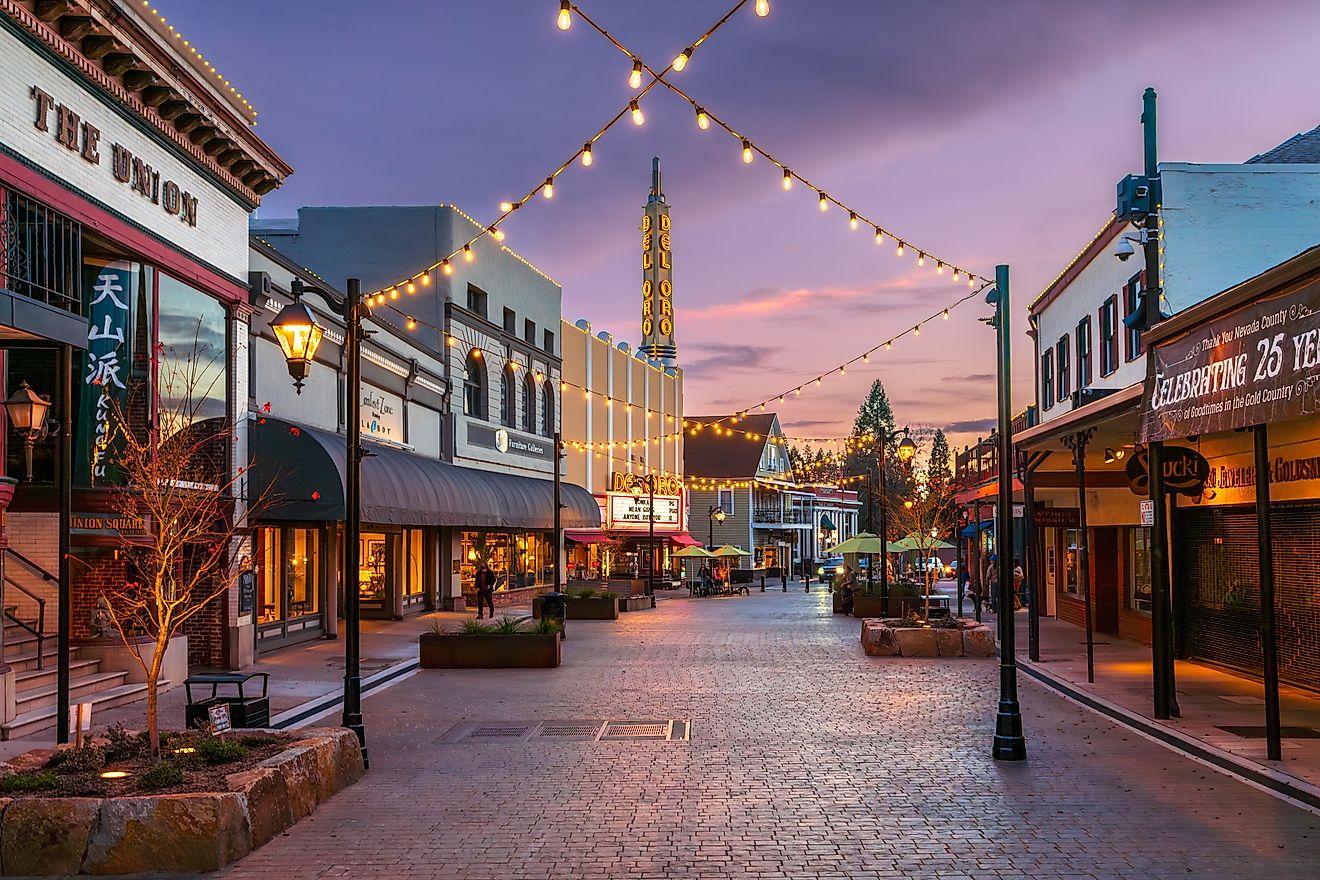
The crown jewel of Americana in Raton's town center is the Raton Arts and Cultural District. The El Raton Theater opened in 1930 as an atmospheric theater modeled on a medieval Spanish castle, with the classic Western musical "Song of the West" as its first feature. The older Shuler Theater opened in 1915 with "The Red Rose" by the Victorian Music Company as its premiere production. The Gate City Music Festival on Labor Day weekend celebrates the region's cowboy culture with musicians, street performers, cowboy poets, and local Hispanic culture all sharing the same stage.
Las Vegas

Las Vegas was one of the largest cities along the Santa Fe Trail and a major stop on the journey to the Wild West. The region holds layers of multicultural history, with cowboys and indigenous peoples both leaving their mark, and archaeological records show Paleo-Indian occupation as early as 8,000 BC. Spanish settlements began to expand in the 1790s, and the town grew into a railroad hub by the late 1800s. The Plaza Hotel, built in 1882, served wealthy businessmen as one of the most luxurious hotels in the region and stands today as an excellent example of Renaissance Revival architecture. Montezuma Castle, a 90,000-square-foot, 400-room Queen Anne-style hotel built in 1886, was known as the Las Vegas Hot Springs and welcomed guests including Theodore Roosevelt, Jesse James, Ulysses S. Grant, William Tecumseh Sherman, and John C. Fremont. Doctors at the time prescribed Western air as a tuberculosis cure, which brought many visitors. The building now houses United World College.

The City of Las Vegas Museum and the Rough Rider Memorial Collection holds artifacts dating back to the 1300s, with most of the collection covering the mid-19th to mid-20th centuries. The displays reflect the backgrounds and lifestyles of settlers who passed through the town during the Wild West. The Historia del Norte mural is another distinctive landmark, an 11-panel chronological tribute to historical events painted by 300 culturally diverse students under the guidance of Rock Ulibarri, a historian, teacher, and community leader.
Lordsburg

Lordsburg traces back to 1880, when the Southern Pacific Railroad came through the area. The original visitors were a mix of railroad workers, miners, cowboys, ranchers, and merchants. The town remained important not only for the railroad but also for the Butterfield Stage Route, which passed through Mexican Springs, now the ghost town of Shakespeare. The nearby springs of the ghost town made it a perfect stop along the route. A new railroad bypassed Shakespeare during the Civil War era, which started the ghost town's decline. The site was purchased for a ranch in 1935 and became a National Historic Site by 1970.

The ghost town is outside the downtown core but still worth a visit, with structures largely untouched for decades. Goldhill Outpost back in town sells gifts and other western-themed items. Veterans Park just five minutes south of downtown features an M42 anti-aircraft gun. The Lordsburg-Hidalgo County Museum holds mining artifacts, a railroad history display, an antique tool collection, arrowheads, ranching heritage, and various military history items for a fuller picture of the area's past.
Cloudcroft

A survey crew was sent into the Sacramento Mountains in 1898 to determine whether a line could be extended up to the summit for forest harvesting. The crew reported that it was not only possible but also attractive to visitors because of the mountain landscape. The name Cloudcroft came from the town's high-altitude perch up in the clouds. The compact downtown features early-20th-century wooden and brick commercial buildings along Burro Avenue.
The Burro Street Exchange in the heart of the village mixes retail shops, restaurants, and offices in an Old West setting. The boardwalk holds shops featuring western gear, Native American and Western jewelry, and home decor. The historic Western Bar and Cafe is a local favorite, with pie options including berry, apple, cherry, or seasonal specials. The menu is hearty and unfussy with burgers, chicken-fried steak, and green-chile everything, but the real legend remains the pie.

Nothing reads classic Americana quite like a slice of apple pie, except maybe a list of celebrities who passed through. Judy Garland and Clark Gable both stayed at The Lodge at Cloudcroft, which traces back to 1899. The hotel sits at 9,000 feet above sea level, and its fireplaces, chandeliers, and mountain views represent old-school Americana architecture. Local legend holds that the hotel is haunted by Rebecca, a red-haired chambermaid murdered by a jealous lumberjack suitor after he found her with another man, adding folklore to the building's history.
Silver City

Silver City earned its name when silver was discovered in the region in 1870, turning the area into a mining town almost overnight. The site had been home to Native American, Hispanic, and Anglo settlers for hundreds of years before the silver strike, creating a multicultural community that holds today. The boomtown years connect to the first arrest and brief incarceration of William Bonney, known as Billy the Kid. Bonney eventually moved on, but his family lived in the area for many years, and his mother is buried in the town's Memory Lane Cemetery.

The Silco Theater was renovated in 1926 and reflects the Art Deco style popular at the time. The site started as the Airdome in the mid-1900s and became the Princess in 1914, featuring films like "The Man from the West," made in Silver City by Romaine Fielding, a local talent. The Princess was torn down in 1923 and replaced by the Liberty Theater. The Silco Theater operated until the early 1960s, sat as a venue in 2006, then went through restoration to its original 1926 specifications and reopened in 2016. The Silver City Museum covers the town's mining roots through exhibits like Silver City 101 and the Mining District, which traces Grant County's mining heritage back to 1880.
Holding Onto the Spirit of the Old West
New Mexico's history runs through the Wild West, with Spanish and Anglo-American settlers mixing with indigenous peoples to form the multicultural Americana that holds today. Silver City marks the frontier silver strike alongside the much older indigenous presence, and the Billy the Kid connection adds outlaw history to the mix. Cloudcroft brings in the early-1900s celebrity tourism layer with Judy Garland and Clark Gable both passing through. Each of the five pulls a different strand of classic Americana into one place.