10 Most Welcoming Towns In Virginia's Countryside
Virginia's countryside towns earned their welcome through places that bring people together. Abingdon has a theater with roots in Depression-era barter. Floyd gathers musicians and dancers every Friday night. Chincoteague turns its annual pony swim into a community event. Each of the towns below gives visitors a concrete way into local life. A bike ride or a historic meal or an evening performance connects each visit to the town's character.
Abingdon

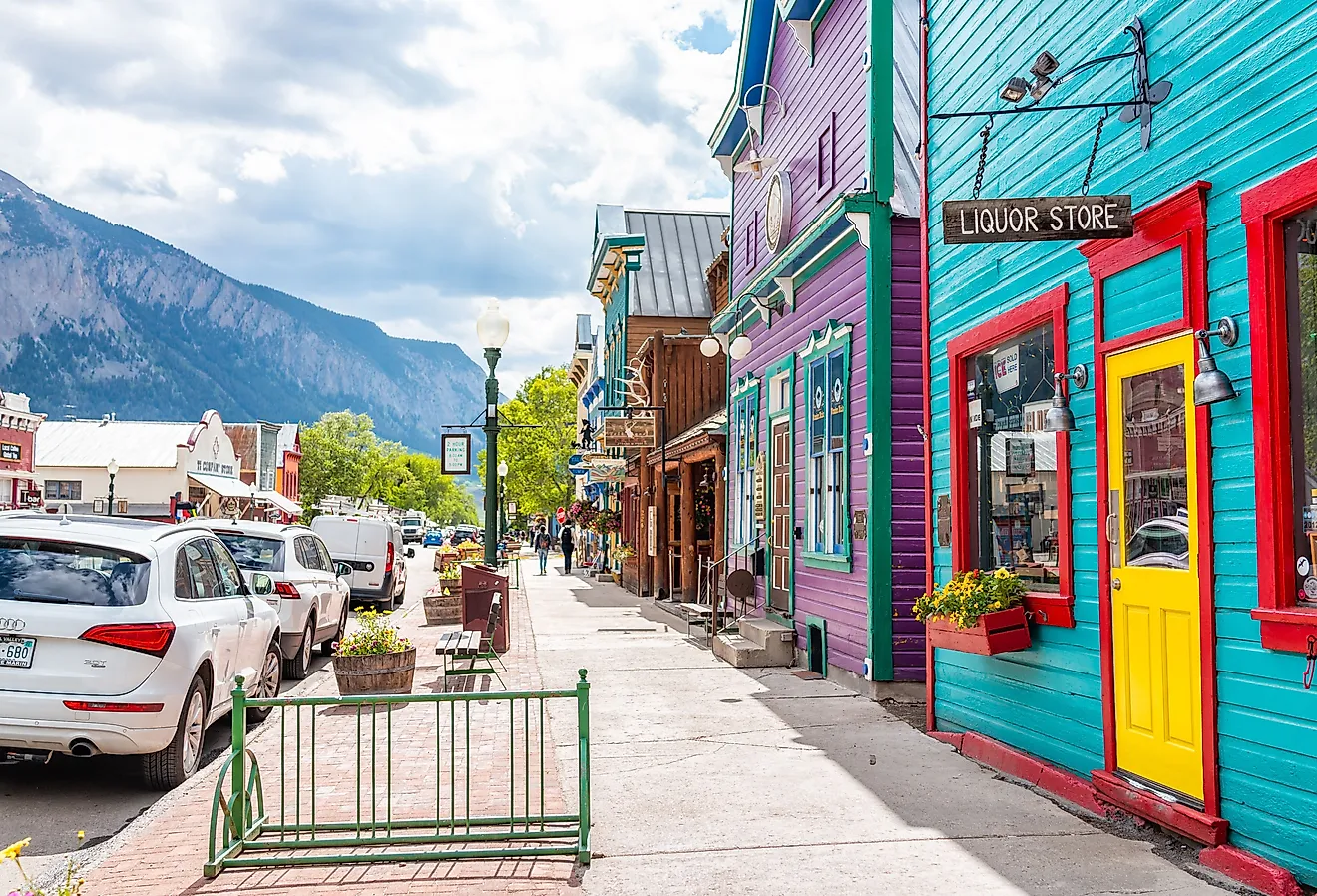
Abingdon's Main Street leads past brick storefronts, galleries, and restaurants to Barter Theatre, one of the town's defining institutions.
Robert Porterfield founded the theater during the Great Depression, accepting food from patrons who could not afford tickets. Its schedule now includes plays, musicals, and youth productions, giving visitors a reason to plan dinner around a performance.
The Virginia Creeper Trail begins near downtown and follows a former railroad line toward Whitetop Station. Many riders use a local shuttle service to reach the higher trailhead, then coast back through wooded sections, across trestles, and beside Laurel Creek. The Tavern, which dates to 1779, makes a fitting post-ride stop for Virginia ham, fried chicken, and crab cakes.
Lexington

The smell of buttered popcorn drifts across the lot at Hull's Drive-In as families pull in for a double feature. Open since 1950, the theater still serves burgers, fries, milkshakes, and popcorn from its snack bar. Summer evenings here offer a more memorable finish than another standard dinner reservation.
Downtown Lexington has enough history to fill the rest of the day. The Virginia Military Institute Museum holds uniforms, maps, and artifacts connected to the school, while the George C. Marshall Museum examines the general's work during World War II and the postwar Marshall Plan. About 15 miles south, Natural Bridge State Park centers on a 215-foot limestone arch above Cedar Creek. The Cedar Creek Trail continues through the gorge toward Lace Falls.
Orange

Orange's railroad past remains visible at the 1909 Orange Train Station, which stands close to Main Street and its cluster of local shops. The town works well as a base for a slower Piedmont itinerary, especially for visitors interested in historic estates and regional food.
James Madison's Montpelier sits less than 10 miles away. The 2,650-acre property includes the restored mansion, formal gardens, walking trails, and exhibits that document the lives of the enslaved people who lived and worked there. Back in town, The Light Well serves wood-fired pizza in a restored building, while The Arts Center in Orange displays work by painters, photographers, and other regional artists.
Staunton

At Blackfriars Playhouse, actors perform under house lights that stay on throughout the show. Audience members sit close to the stage, and the American Shakespeare Center uses limited scenery and direct interaction to keep Shakespeare's plays moving at a brisk pace. A performance here gives Staunton's downtown area in the Shenandoah Valley a clear evening anchor.
Beverley Street fills the hours before curtain time. Bookstores, antique shops, galleries, and restaurants occupy restored commercial buildings, while The Depot Grille serves steaks, seafood, and sandwiches inside a former freight depot near the Amtrak station. The following morning, the Frontier Culture Museum shifts the focus outdoors with recreated farms and homes representing Virginia, Ireland, Germany, and West Africa.
Chincoteague

Chincoteague's annual Pony Swim gives the town a tradition few other coastal communities can match. Each July, the Chincoteague Volunteer Fire Company guides the pony herd across Assateague Channel during low tide. The event draws visitors, but it also supports the fire company through the pony auction that follows.
Chincoteague National Wildlife Refuge provides access to Assateague Island's beaches, marshes, and Wildlife Loop. Ponies sometimes graze close to the road, while egrets, herons, and shorebirds fill the surrounding wetlands. The Museum of Chincoteague Island tells the story of Misty, the pony made famous by Marguerite Henry's book Misty of Chincoteague. Island Creamery on Maddox Boulevard serves flavors such as Wallops Rocket Fuel after a day at the refuge.
Damascus

Damascus has fewer than 1,000 residents, yet five long-distance routes meet in town. The Appalachian Trail, Virginia Creeper Trail, Iron Mountain Trail, Mid-Atlantic Backcountry Discovery Route, and TransAmerica Bicycle Trail bring hikers and cyclists through the same compact downtown.
The Virginia Creeper Trail gives visitors a straightforward way to experience the surrounding mountains. Bike shops arrange shuttles to Whitetop Station, where riders can follow the mostly downhill route back toward Damascus along Laurel Creek and over old railroad trestles. In May, Appalachian Trail Days fills town with a hiker parade, outdoor vendors, live music, and trail demonstrations.
Smithfield

Virginia ham has shaped Smithfield's identity for generations. At the Smithfield Inn, which has served guests since 1752, diners can order ham biscuits, peanut soup, and traditional Virginia ham plates in a building that has welcomed travelers since the Colonial era.
Main Street runs past Colonial, Federal, and Victorian-era buildings that now house shops, restaurants, and museums. Windsor Castle Park spreads across more than 200 acres along the Pagan River, with trails through woods and open fields, a fishing pier, and kayak rentals near the waterfront. The Isle of Wight County Museum keeps one of the town's most unusual artifacts, a cured ham preserved since 1902.
Floyd

Floyd's Friday Night Jamboree brings musicians, dancers, and visitors into the Floyd Country Store for an evening of old-time music and bluegrass. The event has become a regular gathering point for the town, with live bands playing while dancers take over the floor.
During the day, Floyd's galleries and studios show why the town has long attracted artists and craftspeople. Red Rooster Coffee Roaster serves espresso drinks, sandwiches, and pastries near the center of town. Buffalo Mountain Natural Area Preserve sits about 15 miles away and has a steep trail to a rocky summit with broad views across the Blue Ridge Mountains.
Onancock

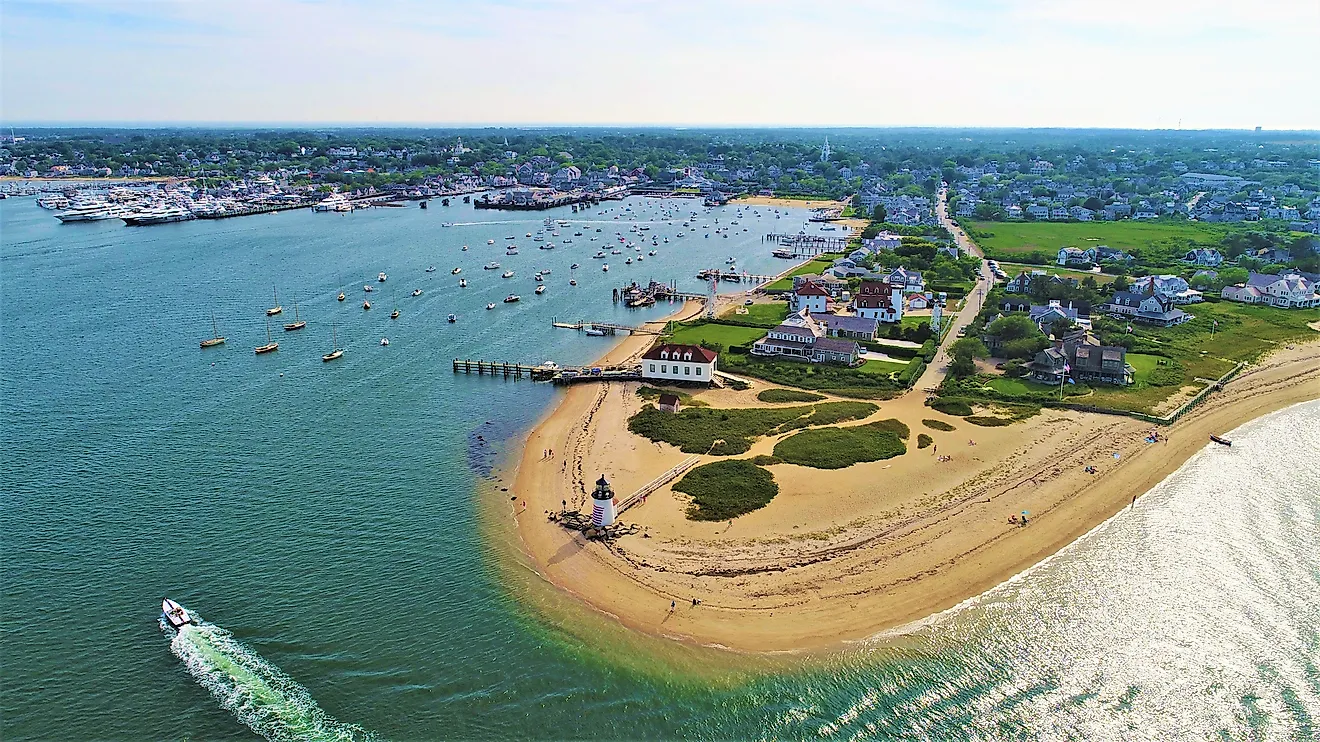
Fishing boats and sailboats move through Onancock Creek beside the town's public wharf. Kayak rentals make it possible to follow the creek through marsh-lined water, where herons and egrets often appear along the shoreline.
The Roseland Theatre has screened films and hosted live performances since 1947. Mallards at the Wharf serves seafood beside the water, and Corner Bakery draws regulars for pastries and seasonal gingerbread cookies. Ker Place, a Federal-style home built in 1799, houses the Eastern Shore of Virginia Historical Society, with exhibits covering the region's maritime, agricultural, and Indigenous history.
Luray

Notes from the Great Stalacpipe Organ echo through Luray Caverns during guided tours. The instrument connects to cave formations that produce musical tones, adding an unexpected soundtrack to rooms filled with stalactites, pools, and stone columns.
The Luray Valley Museum stands on the cavern grounds, where a one-room schoolhouse, blacksmith shop, and 19th-century cabins show aspects of earlier rural life. The Hawksbill Greenway follows Hawksbill Creek through town for an easy walk or bike ride. The Valley Cork serves Virginia wines and small plates downtown before the drive toward Thornton Gap and Shenandoah National Park.
Traditions Worth Building A Trip Around
Virginia's countryside towns give visitors a reason to plan around local traditions instead of rushing through a checklist. A show at Blackfriars Playhouse, a Pony Swim morning, a plate of Smithfield ham, or a ride down the Virginia Creeper Trail can shape an entire weekend.