10 Of The Oldest Incorporated Towns On The Pacific Coast
Delegates gathered in a stone hall in Monterey in 1849 to write California's first constitution. Along the rest of the Pacific Coast, towns grew around harbors, sawmills, missions, and fishing docks. A handful became official towns early, writing charters and electing councils while their streets were still dirt. Some were founded as religious retreats, and others as ports for lumber, oysters, or fish. Many still have the waterfronts and buildings that shaped those first years. Here are 10 of the oldest incorporated towns on the Pacific Coast, listed in the order they incorporated.
Monterey, California (1850)

Monterey State Historic Park preserves adobes from the Mexican era, including the Custom House, the oldest government building in California. Monterey served as the capital of Spanish and Mexican Alta California, and it incorporated in 1850, the year California became a state. Colton Hall, where the 1849 constitutional convention met, still stands on Pacific Street. Cannery Row, once lined with sardine canneries made famous by John Steinbeck, now holds shops and the Monterey Bay Aquarium. Fisherman's Wharf still sells fresh catch on the waterfront.
Santa Cruz, California (1866)

Hawaiian princes rode the waves at the mouth of the San Lorenzo River in Santa Cruz in 1885, the first recorded surfing on the US mainland. The town had incorporated in 1866, and its roots reach back to Mission Santa Cruz, founded in 1791. The Santa Cruz Beach Boardwalk, opened in 1907, is the oldest surviving amusement park in California, and its Giant Dipper roller coaster has run since 1924. The Santa Cruz Surfing Museum fills a small lighthouse on the cliffs above the surf, and a long wooden wharf stretches into Monterey Bay.
Coos Bay, Oregon (1874)

Coos Bay incorporated in 1874 under its original name, Marshfield, as a shipping and timber port. It took its current name in 1944, and its waterfront on one of the largest harbors on the Oregon Coast still serves log ships and fishing boats. On the waterfront boardwalk, the Coos History Museum tells the story of the area's Native people, shipbuilding, and logging. A short drive west, Shore Acres State Park preserves the formal gardens of a lumber baron's estate on cliffs above the ocean. The Oregon Dunes stretch north along the coast.
Newport, Oregon (1882)

Sea lions bark from the docks along Newport's bayfront, where the fishing fleet ties up beside seafood shops and processors. Founder Sam Case named the town after Newport, Rhode Island. Oyster beds and shipping trade carried it to incorporation on October 23, 1882. The 1871 Yaquina Bay Lighthouse still stands above the harbor. A few miles north, Yaquina Head Lighthouse is the tallest in Oregon. The Oregon Coast Aquarium and Oregon State University's Hatfield Marine Science Center sit across the bay.
La Conner, Washington (1883)

Each April, the fields around La Conner bloom for the Skagit Valley Tulip Festival. The tiny Washington town is the oldest in Skagit County, and it incorporated in 1883. Its name honors Louisa A. Conner, wife of trader John Conner, by combining her initials with the family name. Historic wooden buildings line the Swinomish Channel, which the bright orange Rainbow Bridge spans. The Museum of Northwest Art showcases artists from the region, and the Skagit County Historical Museum, on a hill above town, covers the area's farming and fishing history.
Pacific Grove, California (1889)

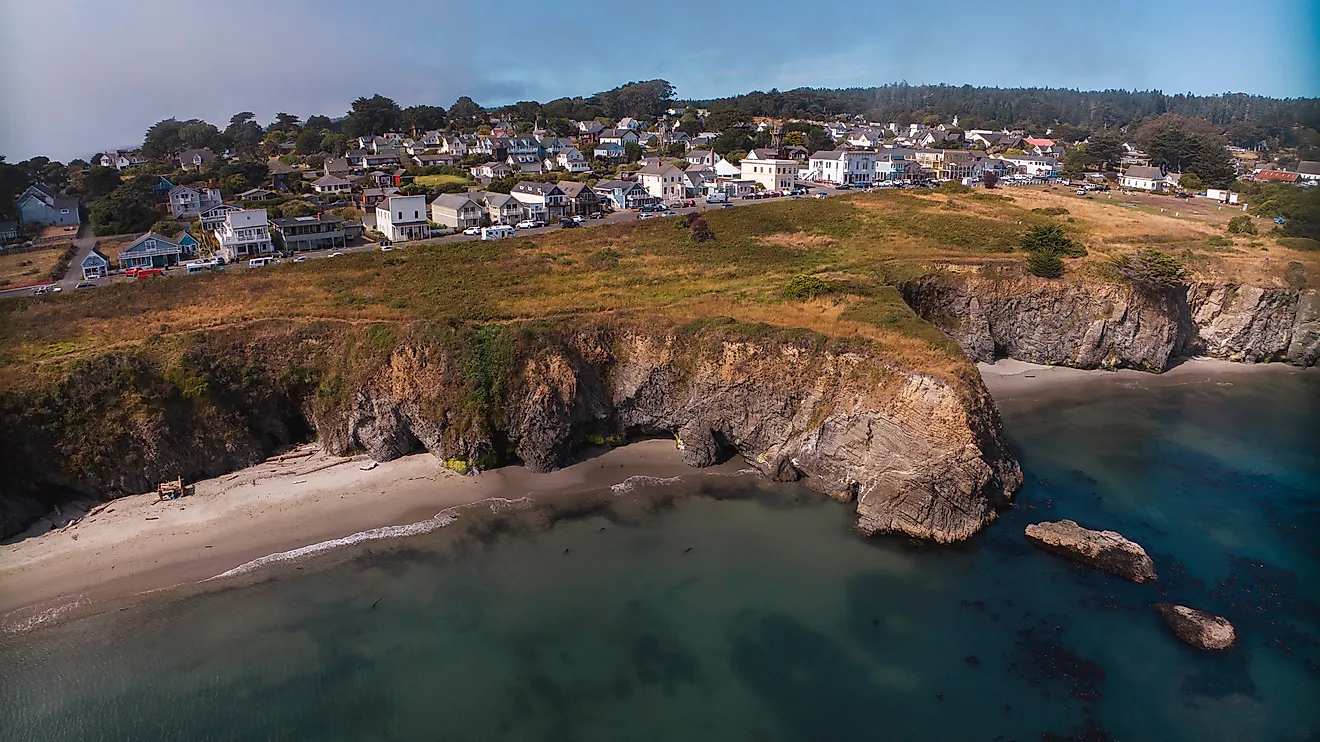
Pacific Grove began in 1875 as a Methodist summer retreat, where visitors camped in tents that later became small cottages. It incorporated in 1889, and many of its Victorian homes from that era still line the streets near the water. Point Pinos Lighthouse, first lit in 1855, is the oldest continuously operating lighthouse on the West Coast. Each fall and winter, monarch butterflies cluster in the trees of the Monarch Grove Sanctuary, and a paved recreation trail follows the rocky shoreline along Lovers Point.
Fort Bragg, California (1889)

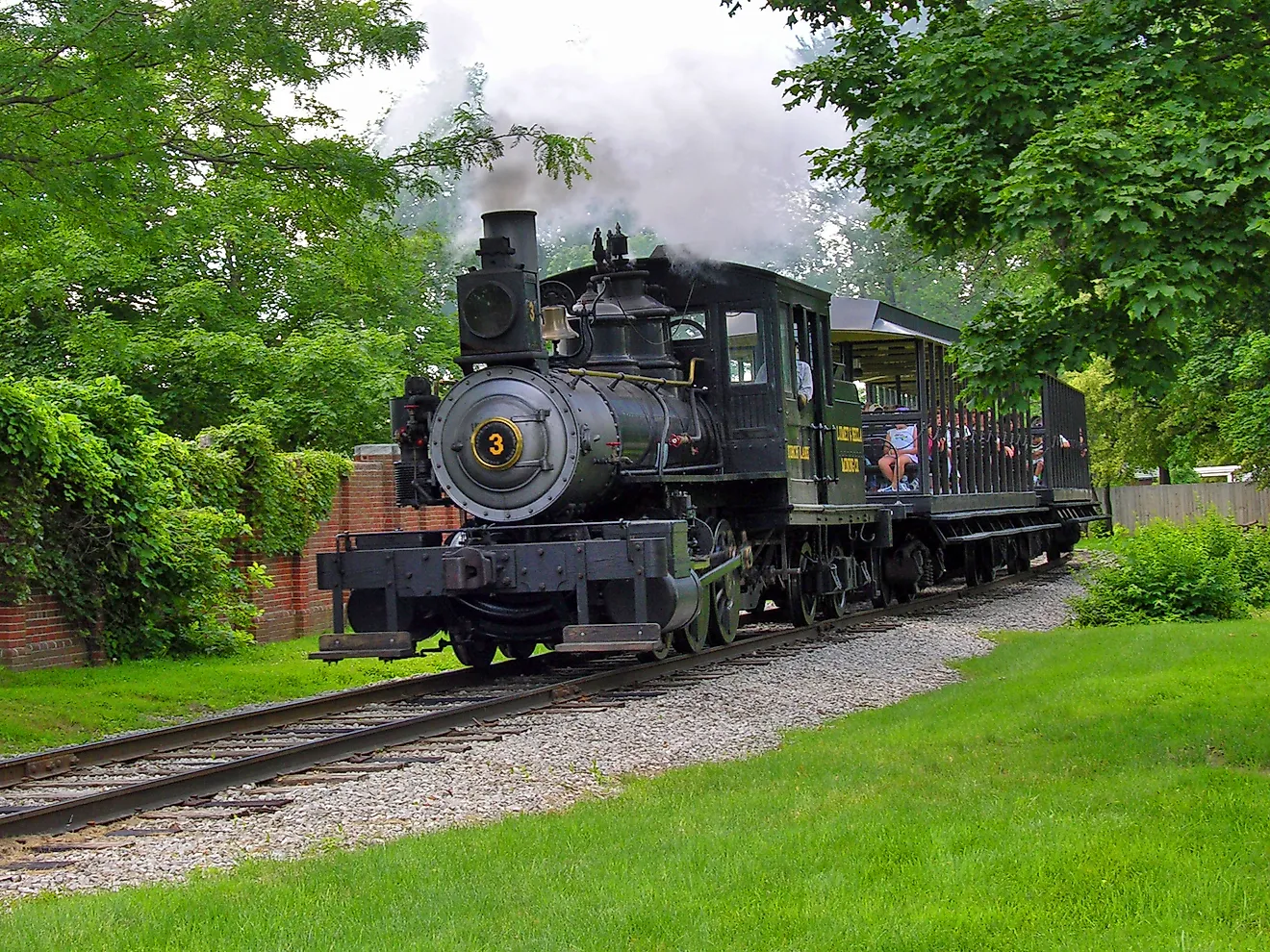
Fort Bragg began as an Army post in 1857, and a redwood lumber town grew up on the site after the soldiers left. It incorporated on August 5, 1889, with lumberman C.R. Johnson as its first mayor. The Skunk Train still runs on the old logging railroad into the redwoods. Glass Beach, where decades of discarded bottles have been worn smooth by the surf, lies at the edge of town, and Noyo Harbor shelters the fishing fleet to the south. Main Street is lined with historic storefronts.
Port Angeles, Washington (1890)

The road to Hurricane Ridge climbs from the edge of Port Angeles into the alpine meadows of Olympic National Park. The town incorporated in 1890 on a harbor sheltered by Ediz Hook, a long natural sand spit, and grew as a lumber and shipping port on the Strait of Juan de Fuca. The Olympic Mountains rise sharply behind town. A ferry crosses the strait to Victoria, British Columbia, and the Feiro Marine Life Center and a waterfront trail line the harbor.
Anacortes, Washington (1891)

Ferries to the San Juan Islands leave from Anacortes, which incorporated in 1891 during a land boom fueled by hopes that a transcontinental railroad would end here. The railroad never arrived as planned, but the town grew into a fishing and ferry port on Fidalgo Island. Downtown's Commercial Avenue is lined with historic brick buildings and painted cutout murals of early residents. The W.T. Preston, a sternwheeler that once cleared logjams from rivers, is now a museum on the waterfront.
Bandon, Oregon (1891)

A fire in 1936 burned most of Bandon, and much of today's Old Town was rebuilt in the years that followed. The town at the mouth of the Coquille River had incorporated in 1891 as a busy port for lumber and farm goods. The Coquille River Lighthouse stands across the river at Bullards Beach State Park. Face Rock, a sea stack said to resemble a face looking skyward, rises off the town's beach, and each September the Cranberry Festival celebrates the bogs that surround the town.
Towns Built By The Water
Most of these towns owe their start to a single cargo. Coos Bay, Fort Bragg, Port Angeles, Anacortes, and Bandon shipped lumber. Newport built its early trade on oysters. Pacific Grove began as a place to rest rather than work, a Methodist retreat that grew into a town. La Conner grew around a trading post. Monterey and Santa Cruz are the outliers, both rooted in Spanish California long before they became American towns.