The Oldest Bowling Alleys In America
Bowling has long been one of America's most popular recreational activities. The Bowling Proprietors' Association of America estimates that 67 million people bowl at least once a year, while a separate industry estimate puts the number closer to 53 million. Even the lower figure makes bowling more popular than several better-publicized sports, including golf, tennis, and pickleball. The sport's history is also written into the country's surviving alleys: some are architectural curiosities, others are family-run institutions, and a few preserve bowling traditions that have all but disappeared.
O.C. Ewart Bowling Alley, Thomasville, Georgia
Built in 1896 by local banker Oliver C. Ewart for his 12-year-old son, the O.C. Ewart Bowling Alley is recognized as the oldest surviving freestanding single-lane bowling alley in the United States. The small wooden structure was designed for private use and is a rare reminder of bowling's early days, when the sport was often enjoyed in compact, privately owned facilities rather than large commercial centers.
The Thomasville History Center has preserved the building since 1962. Visitors can still experience the unusual alley, where smaller duckpins are used, and pins are reset by hand. Its modest scale and surviving equipment offer a glimpse of a very different era of American bowling.
Roseland Cottage, Woodstock, Connecticut

Roseland Cottage, a Gothic Revival summer home built in 1846, contains what is widely recognized as the oldest surviving indoor bowling alley in the United States. The four-lane alley was added in the 19th century, when bowling was a popular pastime among affluent families. President Ulysses S. Grant visited the cottage on July 4, 1870, and famously tried his hand at bowling there.
The cottage became a gathering place for prominent visitors and political figures, and its bowling alley remains one of the property's most unusual historic features. Today, the house and grounds are preserved as a museum, offering visitors a look at the recreational life of a well-to-do American family in the 1800s.
Holler House, Milwaukee, Wisconsin

Opened in 1908, Holler House is a Milwaukee institution known for its two basement bowling lanes, which still rely on human pinsetters. Bowlers roll their balls down the narrow lanes while attendants manually clear fallen pins and reset the racks. The setup is a rare survival from the days before automatic pinsetting machines transformed the sport.
The bar and bowling alley have long been associated with the city's Polish-American community. The venue's intimate atmosphere, old-fashioned equipment, and hands-on approach make it a living piece of bowling history. Its lanes are also among the oldest continuously operating sanctioned lanes in the country.
Shelburne Falls Bowling Alley, Shelburne Falls, Massachusetts
Shelburne Falls Bowling Alley opened in the first week of January 1906 and has operated continuously since then. It is a candlepin bowling alley, a New England variation in which players use smaller balls without finger holes and slender pins that are not cleared between rolls. The game is more difficult to master than it may first appear, and its distinctive equipment has helped preserve a regional bowling tradition.
The alley retains much of its old-fashioned character, including pencil-and-paper scoring, traditional seating, and a welcoming atmosphere that feels far removed from a modern bowling center. Its proprietors describe it as the second-oldest bowling alley in North America, and its uninterrupted history makes it a particularly special destination for anyone interested in the sport.
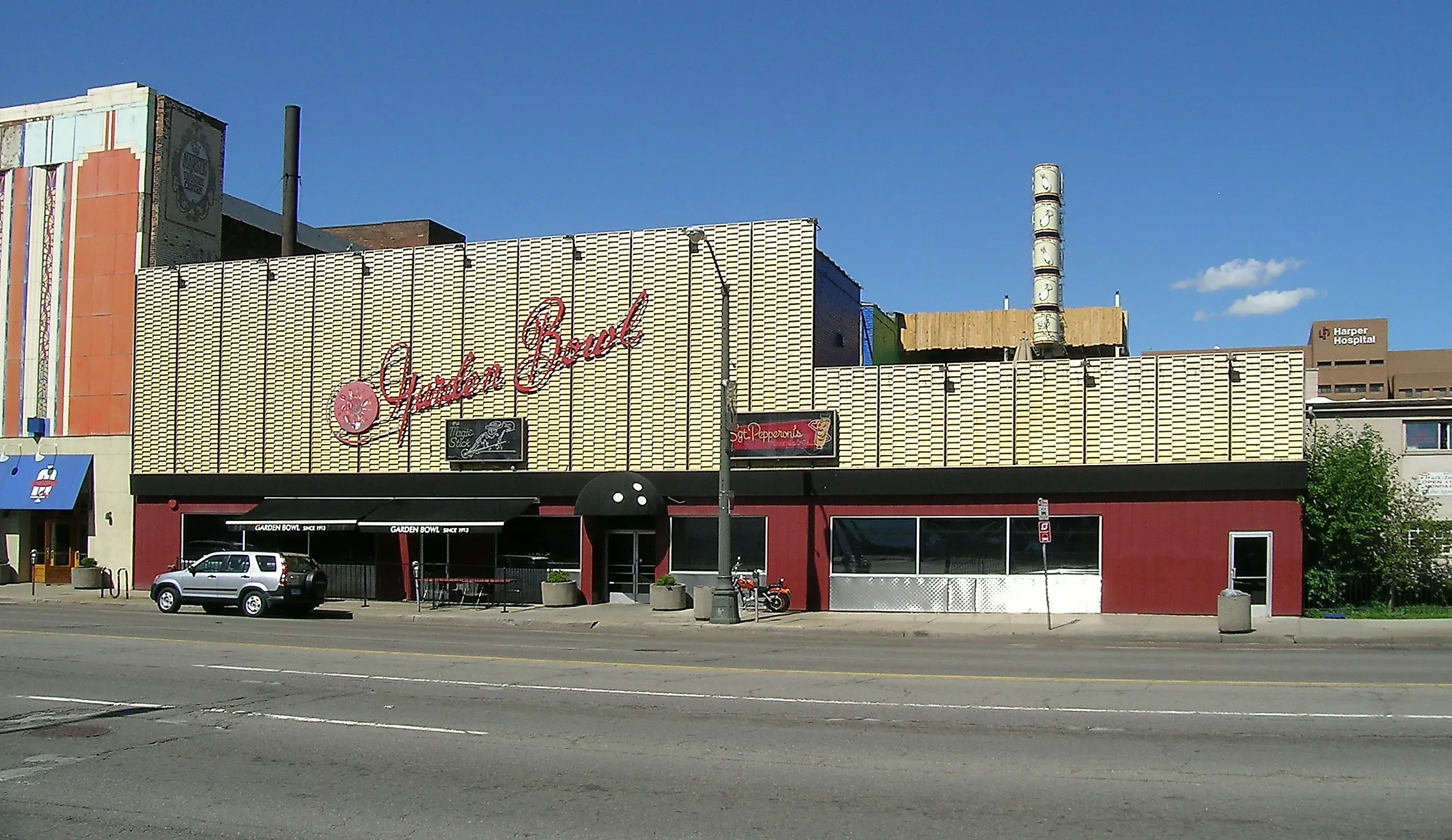
Garden Bowl, Detroit, Michigan

Opened in 1913, Garden Bowl is recognized as Detroit's oldest continuously operating bowling alley. It began with 10 lanes and grew alongside the city's thriving entertainment scene. Over the decades, it expanded and changed with the times, eventually reaching 28 lanes before later renovations reduced the number to 16.
Today, Garden Bowl is part of the Majestic complex, which combines bowling with live music, food, and nightlife. Its blend of historic character and contemporary entertainment has helped it remain a Detroit mainstay, connecting generations of bowlers with the city's long relationship with the sport.
Falcon Bowl, Milwaukee, Wisconsin

Falcon Bowl's six basement lanes date to 1915, making them among the few surviving examples of Milwaukee's old tavern bowling alleys. The building has served a succession of purposes over the years, including as a dance hall, roller rink, speakeasy, movie theater, and Polish fraternal headquarters. Its bowling lanes were installed during that eventful history and remain a defining feature of the venue.
The alley's vintage Brunswick pinsetters date to 1952, and its basement setting preserves the close, convivial atmosphere of an earlier generation of neighborhood bowling. After a change in ownership and renovations, Falcon Bowl continues to host bowling alongside live music, weddings, and other events.
Mahall's, Lakewood, Ohio
Mahall's opened in 1924 in Lakewood, a suburb of Cleveland, and has evolved from a neighborhood dance hall into a multi-purpose entertainment venue. Bowling was added in the 1930s, and the business remained family-run for decades. Its history reflects the changing role of bowling alleys, which have often served as much more than places to play a game.
Mahall's now combines its remaining bowling lanes with live music, food, and nightlife. Some of its original lanes have been converted into a separate entertainment space, while the venue continues to draw visitors with its mix of vintage character and contemporary programming. More than a century after it opened, Mahall's remains a distinctive example of how a historic neighborhood gathering place can adapt and endure.
America's Bowling History, Preserved
Bowling history survives beyond old photographs. A single-lane family building in Georgia still uses hand-reset duckpins, and a candlepin center in Massachusetts has operated since 1906. In Milwaukee, Detroit, and Lakewood, historic lanes now share space with live music and nightlife. Together, these alleys preserve the equipment, traditions, and community ties that made bowling a fixture of American life, and they offer a glimpse of the places where generations gathered to play.