The Pink Rattlesnake Found Only In The Grand Canyon
The Grand Canyon is full of superlatives, but one of its strangest residents is easy to miss: a rattlesnake that is, of all colors, pink. Officially the Grand Canyon rattlesnake, this rosy pit viper lives nowhere else in the entire world, hidden among the canyon's red rocks. Its unusual color is not a gimmick but a brilliant piece of camouflage honed to one specific landscape. Most visitors will never spot one, which is more or less the whole point. Here is the story of the pink rattlesnake found only in the Grand Canyon.
A Rattlesnake That's Actually Pink

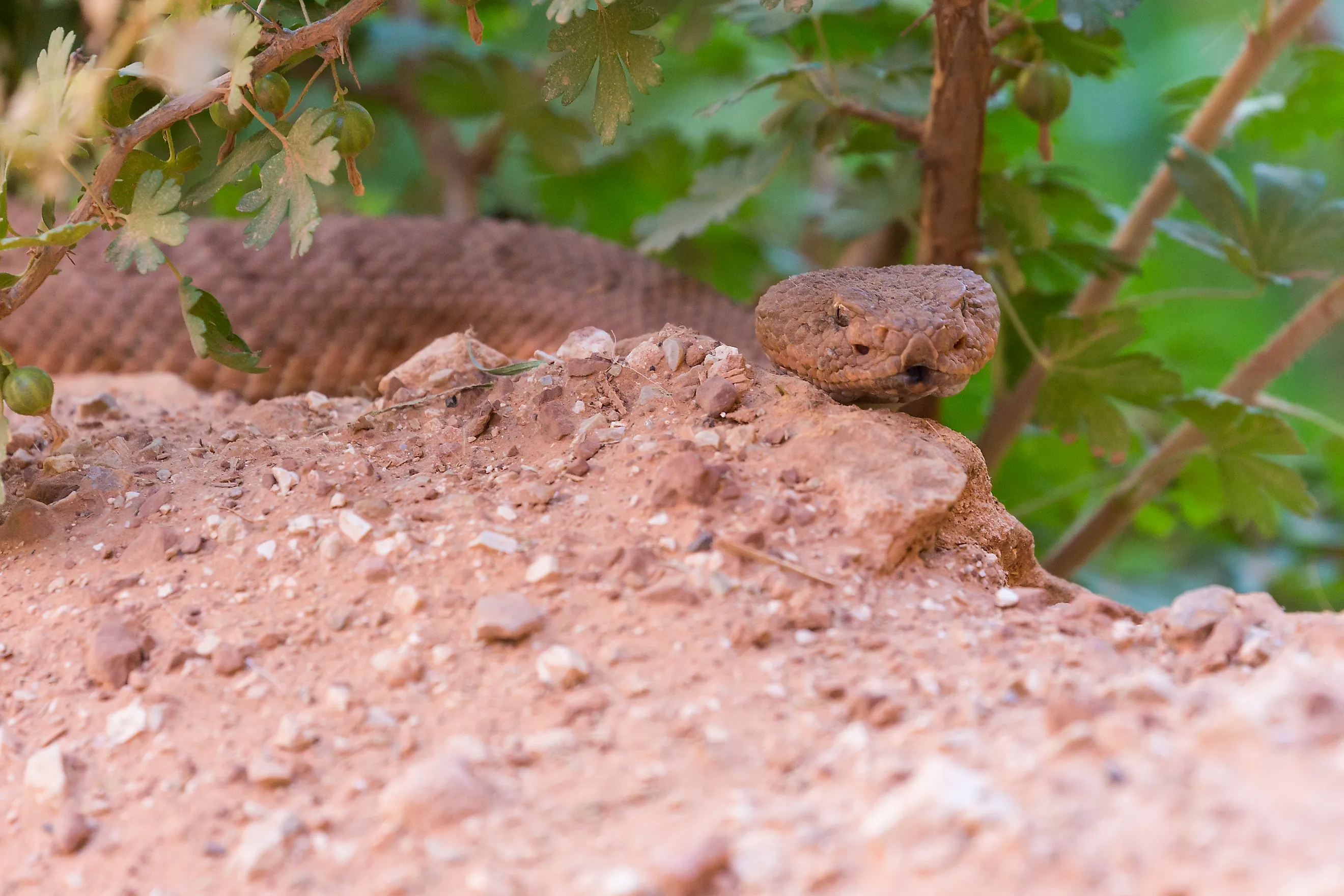
Known to scientists as Crotalus oreganus abyssus, this snake really does come in shades of pink. Its color ranges from salmon and vermilion to a rosy, reddish tan, which is why locals and river guides affectionately call it the "pink rattlesnake." It is a subspecies of the widespread Western rattlesnake, but no other member of that family wears quite this hue. The pink is not merely a pretty quirk, though; it is a genuine survival tool.
Found Nowhere Else on Earth

What makes this snake truly special is that it is endemic to the Grand Canyon, meaning it lives there and nowhere else on the planet. Its range covers the upper Grand Canyon, Marble and Glen canyons, and the Arizona Strip, mostly below the rim along the Colorado River corridor from Lees Ferry to National Canyon. The Grand Canyon is home to six species of rattlesnake, but this is the only one you cannot find anywhere else in the world. For a single canyon to have evolved its very own rattlesnake is a small natural wonder in its own right.
Camouflaged for the Canyon

That pink coloring is the whole reason the snake is so hard to see. The canyon's rocks and sandy soil glow in shades of red, salmon, and rose, and the rattlesnake's skin matches them almost perfectly, letting it vanish against the stone. It is a textbook example of local adaptation: over countless generations, the snakes that blended best with the canyon's distinctive rock survived to pass on their coloring. The result is a predator that is essentially invisible in its one and only home.
A Life Below the Rim

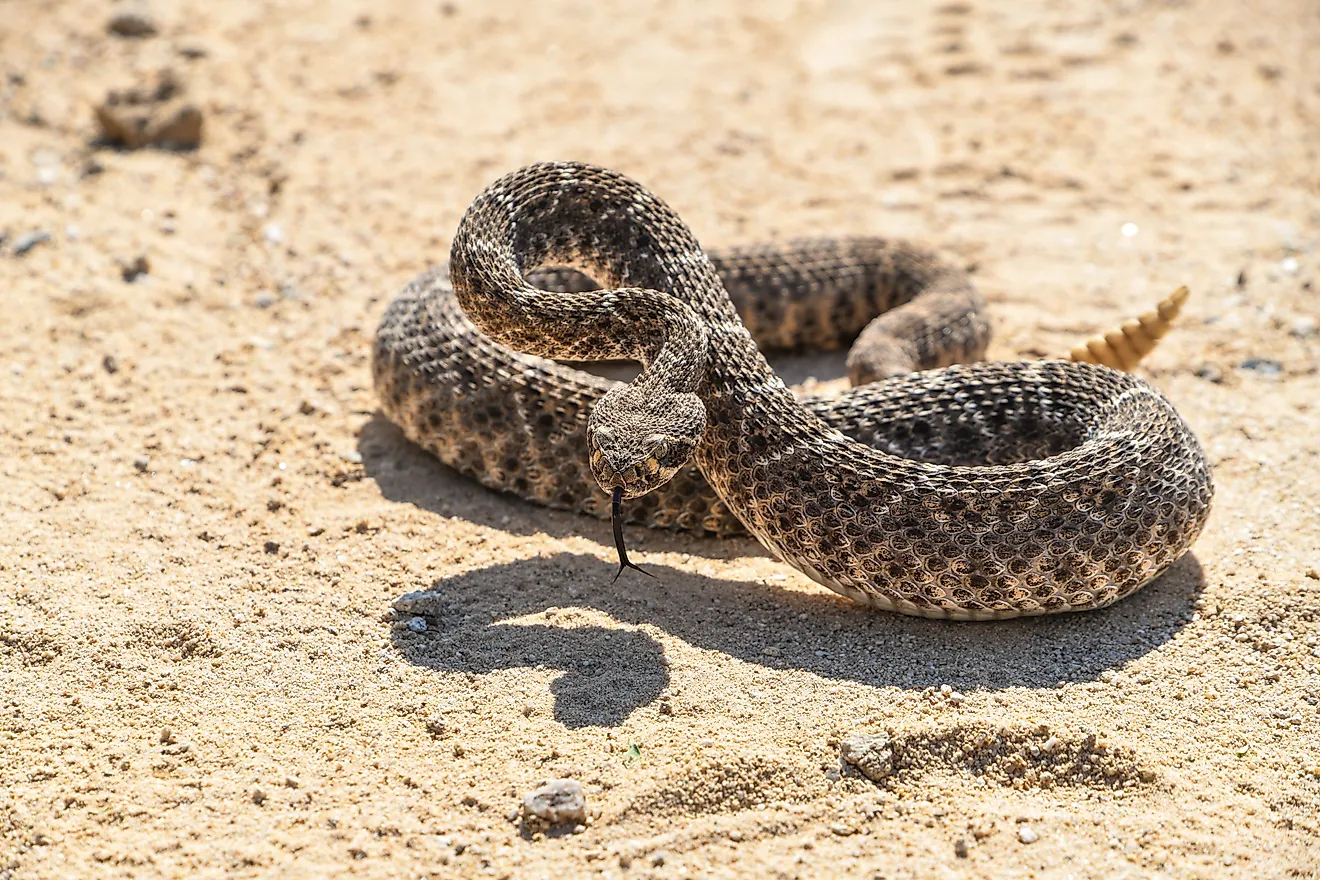
The pink rattlesnake lives mostly below the canyon rim, favoring the cooler, greener riparian zones along the Colorado River and its side canyons. Like all rattlesnakes, it is an ambush predator, lying still and waiting for rodents and lizards to wander close before striking. It is a genuinely venomous pit viper, armed with a potent hemotoxic and neurotoxic bite and a rattle whose tiny muscles can fire up to fifty times a second. The hikers and river-runners most likely to meet one are down in the inner canyon, where a little caution on the trail goes a long way.
A Snake Worth Protecting

Beyond its good looks, the Grand Canyon rattlesnake is scientifically valuable. Researchers have isolated novel compounds from its venom, including specific enzymes and peptides that feed into the kind of work that can eventually lead to new medicines. Its exact classification is still debated, with some scientists arguing it deserves to be ranked as its own full species rather than a subspecies. Either way, an animal that exists in just one canyon on Earth is irreplaceable, which is one more reason to admire this rosy snake strictly from a respectful distance. The pink rattlesnake is a quiet reminder that the Grand Canyon's wonders are not only the ones carved in stone.