10 Cutest Small Towns In South Carolina For 2026
South Carolina's towns are built for a 2026 getaway. Beaufort has porch swings on the waterfront and oak-canopied streets that lead you toward the river without trying. Bluffton has an 1850s church built right on the May River, with galleries and oyster docks a short walk apart. Newberry has koi ponds and arched bridges in a Japanese garden a few blocks from an 1881 opera house. With historic streets, waterfront views and easygoing Southern charm, find South Carolina's cutest towns to add to your 2026 travel plans.
Beaufort

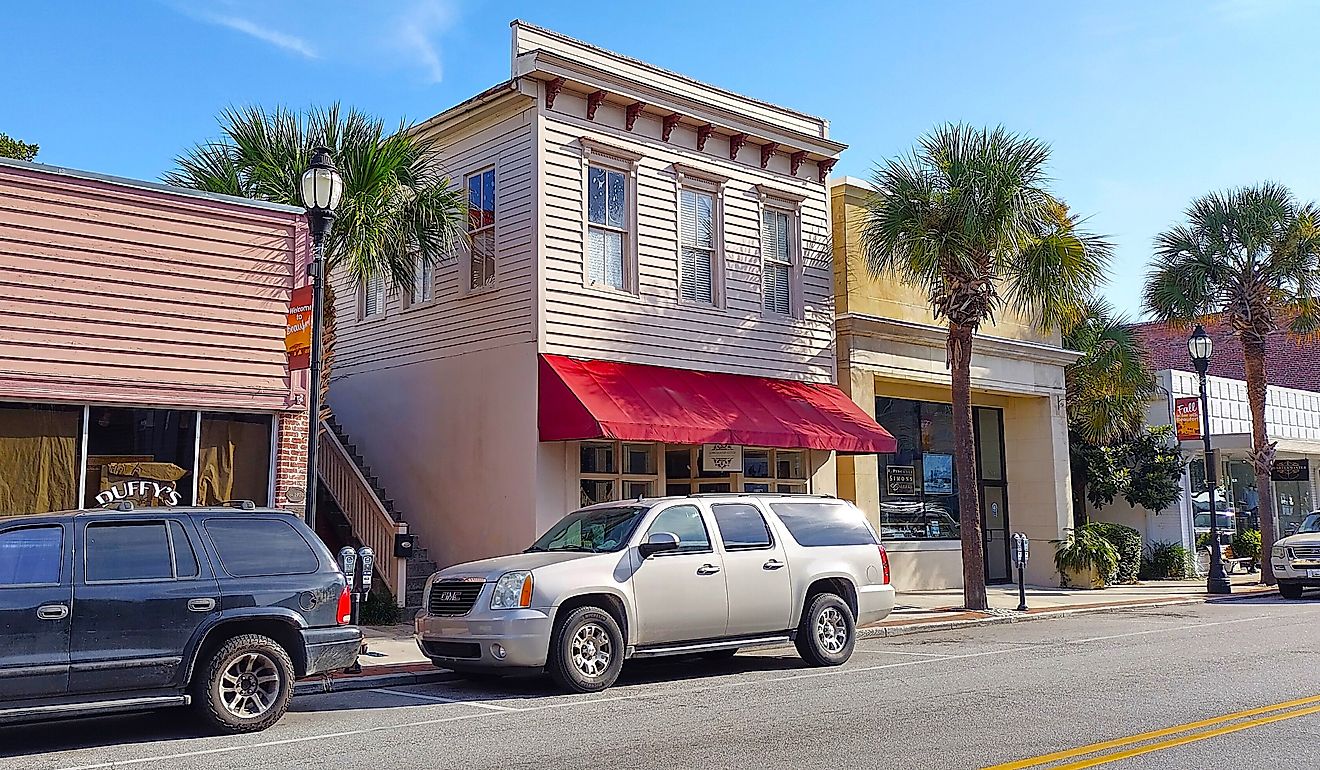
Along the Beaufort River, the historic district makes for an unhurried day, with oak-canopied streets that lead you naturally toward the water. Henry C. Chambers Waterfront Park is a good place to begin, with bench swings, marina views, and a shoreline path, before wandering back into town along Bay Street, where shops and historic homes fill in the gaps. The John Mark Verdier House offers a look at early-19th-century life, and the Arsenal (Beaufort History Museum) picks up local history from a different angle. If you want beach and nature in the same outing, Hunting Island is worth the drive out: maritime forest trails, Atlantic shoreline, and a lighthouse you can climb.
Bluffton

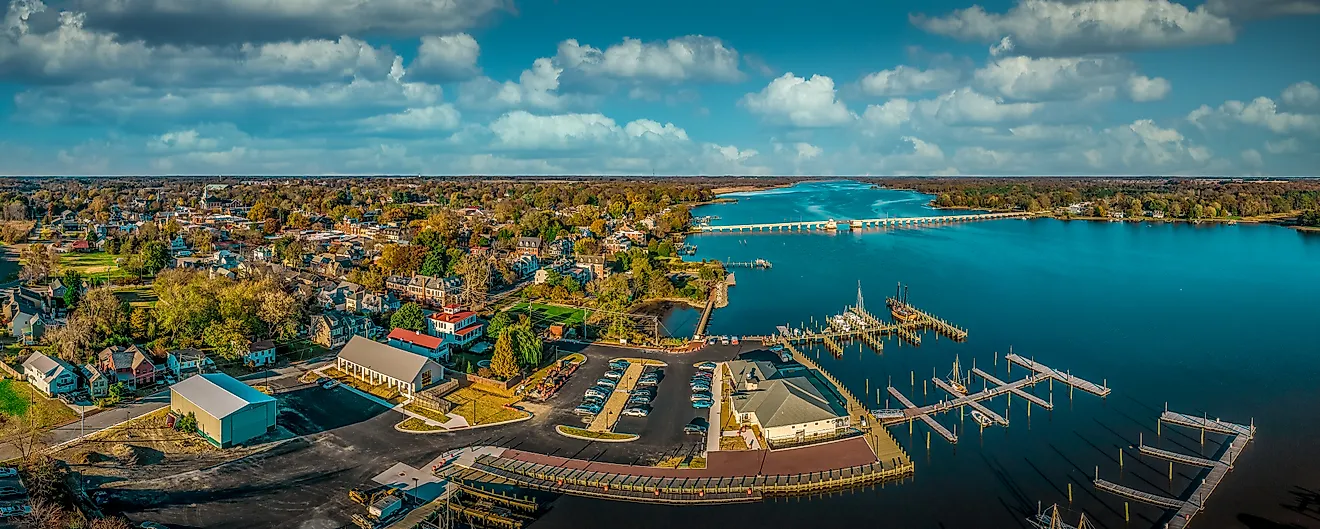
Bluffton's Old Town gets most of its character from the May River, preserved side streets, and a working-waterfront history that still feels close by. The Church of the Cross, built beside the waterway in the 1850s, is one of the town's most recognizable landmarks and a natural point of orientation. From there, it is easy to drift between galleries, boutiques, and riverfront pauses at Wright Family Park or Oyster Factory Park. The Heyward House Museum and Welcome Center fills in some historical texture inside a 1840s cottage with a garden. If you want to connect the visit back to what the town was built around, stop at Bluffton Oyster Company, which has been tied to the local oyster trade longer than most places in the area.
Georgetown

Georgetown sits where the Sampit River opens toward Winyah Bay, and the Harborwalk makes the most of that, with views of shrimp boats and marsh grass that set a relaxed waterfront rhythm from the start. The Rice Museum in the Old Market Building and Clock Tower is the clearest place to understand how Carolina Gold rice shaped everything here: the region's wealth, its labor, and its landscape. For a different kind of historic stop, the Kaminski House museum moves you through an 18th-century riverfront residence filled with antiques on a guided tour.
Aiken

Aiken's older core reflects the city's long association with horses and resort-era travel, though its best stops cover more ground than that history alone. For a quiet start, Hopelands Gardens draws you in with camellias, fountains, and brick paths shaded by trees on a former winter estate. Hitchcock Woods shifts the mood entirely, with more than 2,000 acres of sandy trails for walkers, riders, and runners, and enough space to lose an afternoon. The equestrian side of Aiken comes back into focus at the Thoroughbred Racing Hall of Fame, housed in a former carriage building. When it's time to settle in for a meal, The Willcox on Colleton Avenue delivers a classic Aiken setting: a white-pillared porch.
Camden

Less than 40 minutes northeast of Columbia, Camden pulls together Revolutionary War history, horse-country traditions, and a walkable downtown. Historic Camden Revolutionary War Site is the main heritage stop, with restored and reconstructed buildings, trails, and living-history programs that interpret the colonial settlement and British occupation. Just outside of town, Camden Battlefield and Longleaf Pine Preserve mark the site of the 1780 Battle of Camden. For a quieter break, Goodale State Park has a cypress-lined mill pond with paddling routes and walking paths. Springdale Racecourse brings the horse culture back into view as home of the Carolina Cup steeplechase, and the Broad Street Historic District takes care of the rest, with easy downtown stops like Books on Broad and Coffee, and Sam Kendall's.
Newberry

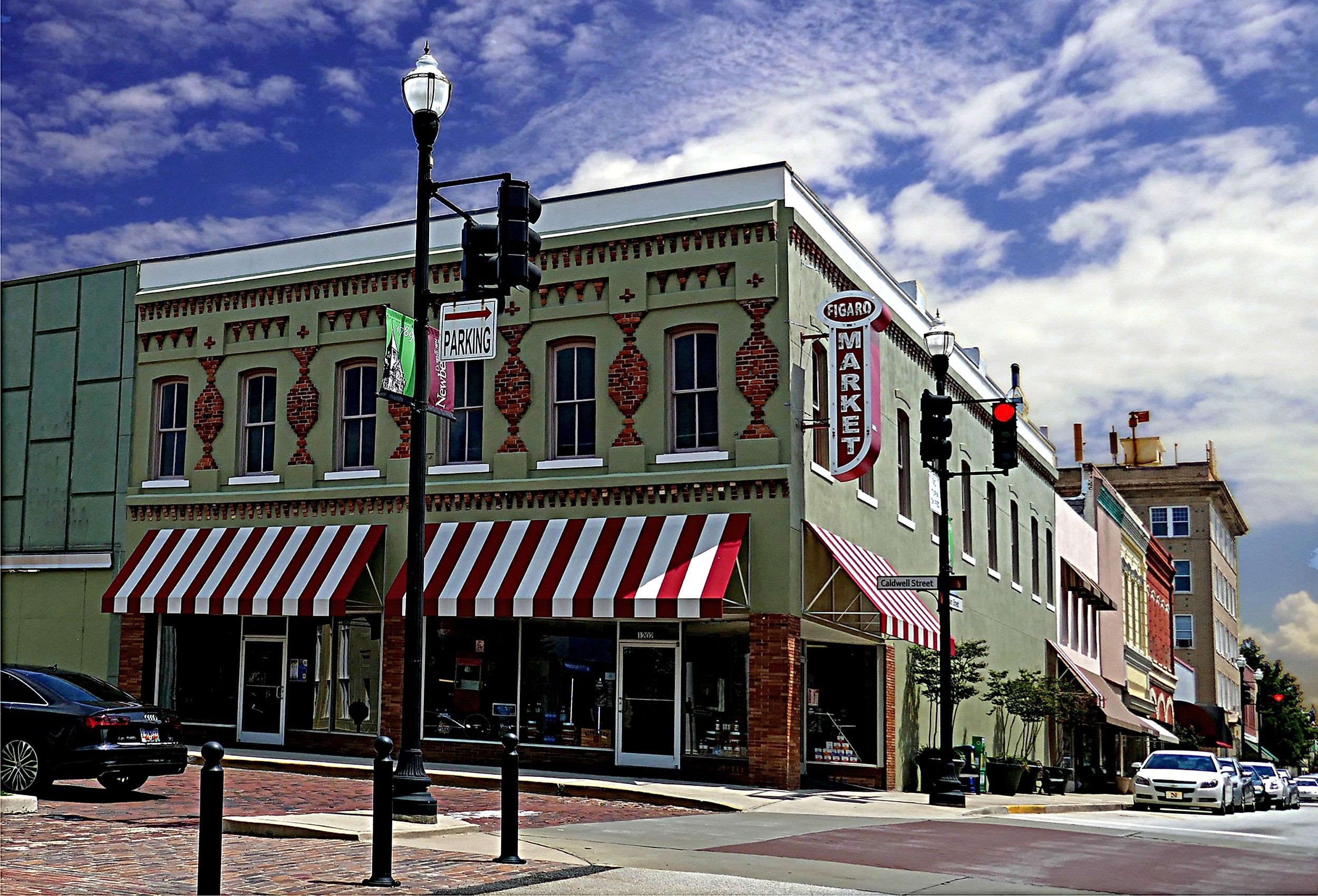
The restored 1881 Newberry Opera House sits at the center of town and serves as the compact downtown's strongest landmark. It still draws concerts, comedy, theater, and touring acts regularly. A short walk away, Wells Japanese Garden offers a smaller, quieter space with arched bridges, koi ponds, stone lanterns, and plantings that shift with the seasons. If the day calls for time outside, Lynch's Woods Park has wooded trails for walking, riding, and mountain biking. Just beyond town, Enoree River Vineyards and Winery extends things into a rural setting with tastings and outdoor seating when you are ready to unwind.
Abbeville

Court Square is the natural center of Abbeville, and it is easy to spend time there on foot, with brick storefronts, the county courthouse, and several of the town's main stops all within reach of each other. The Abbeville Opera House, built in 1908, is still an active venue for live performances, which gives it a presence that goes beyond being just a historic building. Nearby, the Burt-Stark Mansion preserves the parlor where Jefferson Davis met with his cabinet in 1865, a detail that ties the house directly to the final days of the Confederacy. For something more local and low-key, The Rough House has been a lunch counter known for hot dogs long enough that it's become part of the town's identity. If you want lake views and open air after downtown, Calhoun Falls State Park, west of Abbeville, offers Lake Russell shoreline, trails, and campsites.
Pendleton

The Village Green at the center of Historic Pendleton Square serves as the town's traditional Upcountry gathering place and an easy starting point that doesn't feel forced. From there, the history deepens at the Ashtabula Historic Plantation and Venue, an early-1800s residence with tours of period rooms and grounds that take their time. The Bart Garrison Agricultural Museum of South Carolina widens the focus to rural life through antique tractors, farm tools, and farming exhibits, a different thread of the same region. Lake Hartwell is close enough that a boating or fishing detour is worth considering if you want time on the water. Back downtown, Pendleton Brewing Company offers a relaxed finish with local beer and indoor-outdoor seating when the day starts to wind down.
Travelers Rest

The Prisma Health Swamp Rabbit Trail runs directly through Travelers Rest and connects it to Greenville, so cyclists, runners, and walkers end up on Main Street without much planning. Set at the foot of the Blue Ridge Mountains about ten miles north of Greenville, Travelers Rest also works as an easy small-town gateway between the city and the Upstate's mountain roads. Food and coffee fit naturally into a trail stop at Tandem Creperie and Coffeehouse, known for crepes, coffee, and baked goods worth sitting down for. Trailblazer Park rounds out the town's calendar with concerts, markets, festivals, and food-truck events that keep things lively past the trail itself.
McClellanville

North of Charleston, McClellanville holds onto the feel of a small fishing village in a way that most coastal communities nearby have long since let go. The Village Museum on Pinckney Street is a good first stop, with stories about local families, hurricanes, shrimping, and oystering that give the place some context before you wander further. TW Graham & Co. serves seafood in the village core, and it reinforces what the surrounding waterways have always meant to the community. For a bigger nature outing, drive south toward Awendaw, where the Bulls Island ferry leaves from Garris Landing for Cape Romain National Wildlife Refuge and Bulls Island, with beaches, maritime forest, and birding as the draw. Hampton Plantation State Historic Site adds another nearby stop: an 18th-century rice-plantation dwelling shaded by live oaks that is worth the short trip out.
Where South Carolina Keeps Things Easy
Oyster docks, opera houses, trail towns, and tidal marshes all show how South Carolina's smaller cities and villages keep proving that the most worthwhile stops aren't always the loudest ones on the map. They are the places that give you something specific to come back for, whether that is a waterfront swing, a climbing lighthouse, a cold, sweet tea float, or just a quiet garden on the right kind of afternoon.