10 Best Places To Live In Ireland In 2026
Ireland pulls in workers with real jobs in tech, pharma, and healthcare, and it backs those paychecks with public universities and expanding rail lines. The catch is that the paycheck and the lifestyle rarely live in the same city. Dublin owns the international job market and charges rent to match. Cork and Galway hand you most of the career upside at a gentler weekly grind. Head into the smaller towns and the math flips again toward cheaper housing and a short commute. These 10 places show what your day actually looks like once you sign the lease.
Dublin

Grand Canal Dock is where most of Dublin's paychecks get earned. Glass office towers for the big tech and finance firms sit right next to apartments and cafés that fill up before nine, so a lot of residents work, live, and eat within a few walkable blocks. Trinity College Dublin, one of Europe's oldest universities, sits a short walk west and keeps the surrounding streets full of students and bookshops.
Which neighborhood you pick matters more here than how far you can travel, because work and home tend to stack in the same districts. The Docklands run dense and residential, with riverside offices and evening spots like The Marker Bar & Brasserie. Grafton Street and Temple Bar cover the shopping and nightlife, while the restored Georgian arcade at Powerscourt Townhouse Centre hides quieter independent cafés just off the main drag. When the city gets to be too much, Phoenix Park is one of Europe's largest walled urban parks, with cycling paths and open fields. Dublin rewards anyone chasing the best careers and the shortest commute to them, provided the rent doesn't scare you off.
Cork

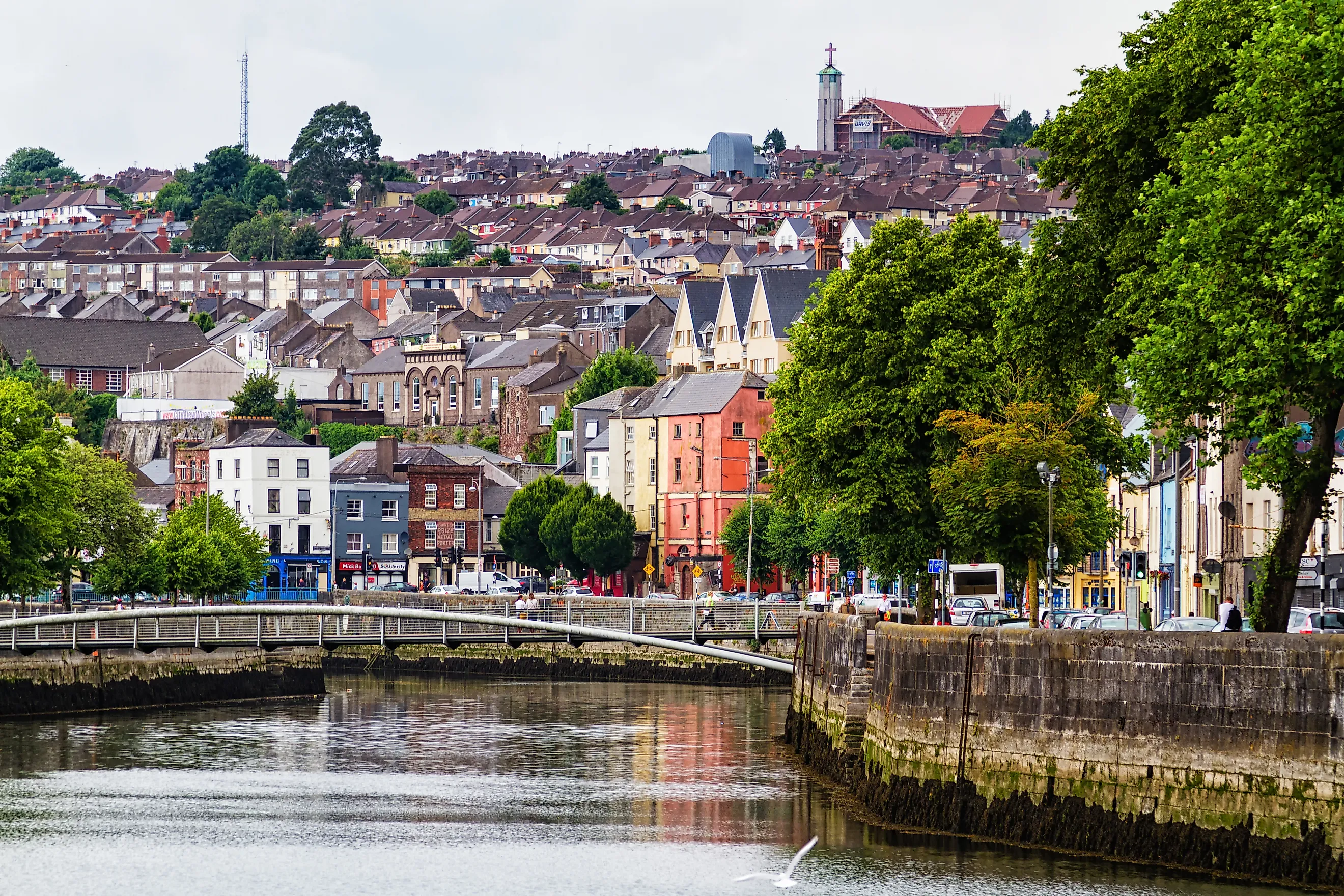
Cork keeps its best-paying work at arm's length from where people actually live. The pharmaceutical and manufacturing plants that anchor the regional economy sit out at Little Island and Ringaskiddy, a short drive from a center that stays busy without ever feeling packed. The River Lee splits the core into two channels, which is why so much of the city feels like a set of connected islands.
Downtown life runs on the English Market, a covered Victorian food hall where locals still buy their groceries rather than snap photos. Evenings pull toward St. Patrick's Street and the smaller neighborhood pubs, where the crowd is regulars instead of tourists. Cork is the pick for anyone who wants a genuine city without the density or the noise, with riverside walks and café mornings built into a normal week.
Galway

The University of Galway sets the tempo for the whole city, even for residents who never set foot on campus. Its students and staff drive rent and café traffic in areas like Newcastle and Woodquay, keeping a steady churn of people moving between lectures, the hospitals, and the center. The Latin Quarter holds the social energy, its narrow streets filling up as the evening builds.
What sets Galway apart is the coast at its doorstep. The Salthill Promenade is an ordinary after-work walk for most residents, and the Blackrock Diving Tower at the far end draws local swimmers into the Atlantic year-round, coldest months included. This is a city for people who like the line between work and free time to blur, where a swim can happen on a Tuesday.
Limerick

Limerick runs on two centers that keep their distance from each other. The University of Limerick out in Castletroy generates its own world of students, research, and campus housing. O'Connell Street and the old city core hold the shops and offices. The River Shannon cuts between them, so crossing a bridge is just part of getting anywhere.
South of the river is where families settle. Dooradoyle is an established suburb with hospitals, retail parks, and steady housing stock. Raheen puts residential streets within reach of the big healthcare and industrial employers. Castletroy tilts toward student life on the university's schedule. Tying it together is King John's Castle, a medieval fortress on the Shannon that marks the seam between old Limerick and the newer edges. The city fits people who want the parts of their life to stay separate but close.
Waterford

Sitting outside Ireland's main commuter corridors, Waterford runs a self-contained economy built on healthcare, education, and light industry. University Hospital Waterford and the South East Technological University campus supply most of the jobs and much of the rental demand. The center is small enough that daily errands rarely require more than a short walk.
The Viking Triangle is the heart of it, where Reginald's Tower and the Medieval Museum stand along everyday commuting routes instead of behind a ticket booth. Past the center, Ferrybank and Ballybricken settle into quiet, low-rise residential streets. The River Suir runs close by and the coast is never far, so downtime folds into nearby space without a long drive. Waterford works for anyone who wants a simple, close-knit layout where distance never dictates the day.
Kilkenny

Kilkenny is compact enough that nearly everything funnels through one tight center, with the grounds of Kilkenny Castle sitting at the middle of it. The surrounding streets, cafés, and independent shops form a loop where errands and chance meetups overlap because nothing is more than a few minutes apart. The city never fractures into the separate districts that define bigger places.
Residential streets like John Street Upper and Granges Road sit minutes from the core, so home, shops, and a night out barely register as different trips. Evenings stay local, at centuries-old pubs like Kyteler's Inn or longtime restaurants like Zuni that host low-key dinners in the middle of town. Kilkenny suits anyone who wants their whole routine within easy reach and almost no time lost getting between the pieces of it.
Sligo

The Garavogue River threads through the middle of Sligo and guides how people get between neighborhoods and shops. Most of the action stays within walking distance of the core around O'Connell Street, where cafés and small retailers keep steady foot traffic from the residential streets nearby. The main employers spread out rather than cluster, with Sligo University Hospital and Atlantic Technological University Sligo supplying the stable jobs that keep the town busy all year.
Town life stays central, but the coast folds into the ordinary week. Strandhill sits just outside the main area, close enough that a stop at the seaside Shells Café after a beach walk or surf feels routine. Back in town, spots like Sweet Beat Café serve as daytime meeting points, while Cartron and Abbey Quarter offer residential living minutes from the center. Sligo is for people who want the ocean nearby, their errands closer, and an unhurried pace across the whole thing.
Dundalk

Dundalk sits almost exactly between Dublin and Belfast, and that location shapes how residents think about work and where to settle. Local jobs come from a spread of steady sources like Dundalk Institute of Technology and the Dundalk Retail Park rather than one dominant employer, and strong rail and motorway links let plenty of residents commute to either city. In town, life gathers on Clanbrassil Street, a straightforward main stretch of cafés, shops, and services people pass through every day.
Dundalk Shopping Centre handles the bulk of the retail and errands, and the Dundalk Library keeps the street busy through the week. Beyond it, quieter residential areas like Muirhevnamór take over, and the coastal village of Blackrock adds an easy weekend escape. Dundalk fits people who want a calmer pace and cheaper housing while keeping both capitals within commuting reach.
Athlone

Sitting dead center between Dublin and Galway, Athlone earns its keep on education, healthcare, and public-sector jobs instead of a single industry. The Technological University of the Shannon brings a student population that keeps rentals full around Arcadia and Dublin Road. Employers like the Molloy Group and Ericsson's Athlone site add a layer of corporate and manufacturing work that punches above the town's size.
The River Shannon runs through the middle, with bridges and riverside paths linking the two halves. Most of the town's business happens around the Golden Island Shopping Centre and Church Street, where cafés like Beans & Leaves share the block with banks, pharmacies, and the post office, keeping errands within a short walk. Coosan, just outside the core, stays quiet and settled, while rail links to both Dublin and Galway make Athlone remarkably well-connected for its size. It fits people who want a small, walkable town in the middle of everything.
Wexford

Wexford is built around its harbor, especially Crescent Quay, where the waterfront is part of the everyday walk through town rather than a detour. The Port of Wexford keeps a working backdrop, while Wexford General Hospital and a mix of retail and service jobs hold the pace steady all year. North Main Street carries most of the movement, lined with shops and cafés people pass on the way to everything else.
The Sky and The Ground, a pub known for its live music, slots into that same daily path. Residential areas like Barntown and Mayglass sit just outside the center and stay quiet even when town picks up. The National Opera House gives Wexford a genuine cultural draw without walling it off from ordinary life. This is coastal living where home, work, and downtown sit close enough that short hops between them never need planning.
Finding the Right Fit in Ireland
The real decision in Ireland is not the map. It is how a place organizes your job, your rent, and your commute, and those three pull in different directions depending on where you land. Dublin and Cork concentrate the work and the rent in a dense core. Sligo and Kilkenny hand you short distances and familiar streets instead. Dundalk and Athlone split the difference, keeping housing cheap while parking you within rail reach of a bigger paycheck.
No single town wins outright, because each trade is a real one. A university drives the week in Galway and Limerick, a harbor sets the pace in Wexford, and pharma money quietly funds Cork. The surprise is how sharply the feel of your week can change over a move of an hour or less. Commutes shorten, rent drops, and the whole tempo resets. That is the choice worth getting right before you settle anywhere in Ireland in 2026.